
Nestled on the northern tip of the San Francisco Peninsula, this iconic California city is a world-renowned hub for innovation, culture, and breathtaking scenery. For anyone planning a visit, conducting business, or simply staying in touch with someone in the Bay Area, understanding its local time zone is a fundamental piece of information. Unlike many global cities that primarily operate on a single, unchanging time offset, San Francisco observes Daylight Saving Time, meaning its time zone designation shifts throughout the year. This distinction is crucial for travelers, ensuring smooth itineraries, minimizing jet lag, and facilitating seamless communication.
This comprehensive guide will demystify San Francisco’s time zone, explain its seasonal variations, and provide practical insights for anyone interacting with the city from a different part of the world. From the nuances of Pacific Standard Time to the shift to Pacific Daylight Time, we’ll cover everything you need to know to synchronize your plans with the pulse of the Golden City. Whether you’re flying in from across the continent or across the globe, mastering the time difference is your first step to a successful and enjoyable experience in San Francisco.
Understanding San Francisco’s Time Zone: PDT Explained
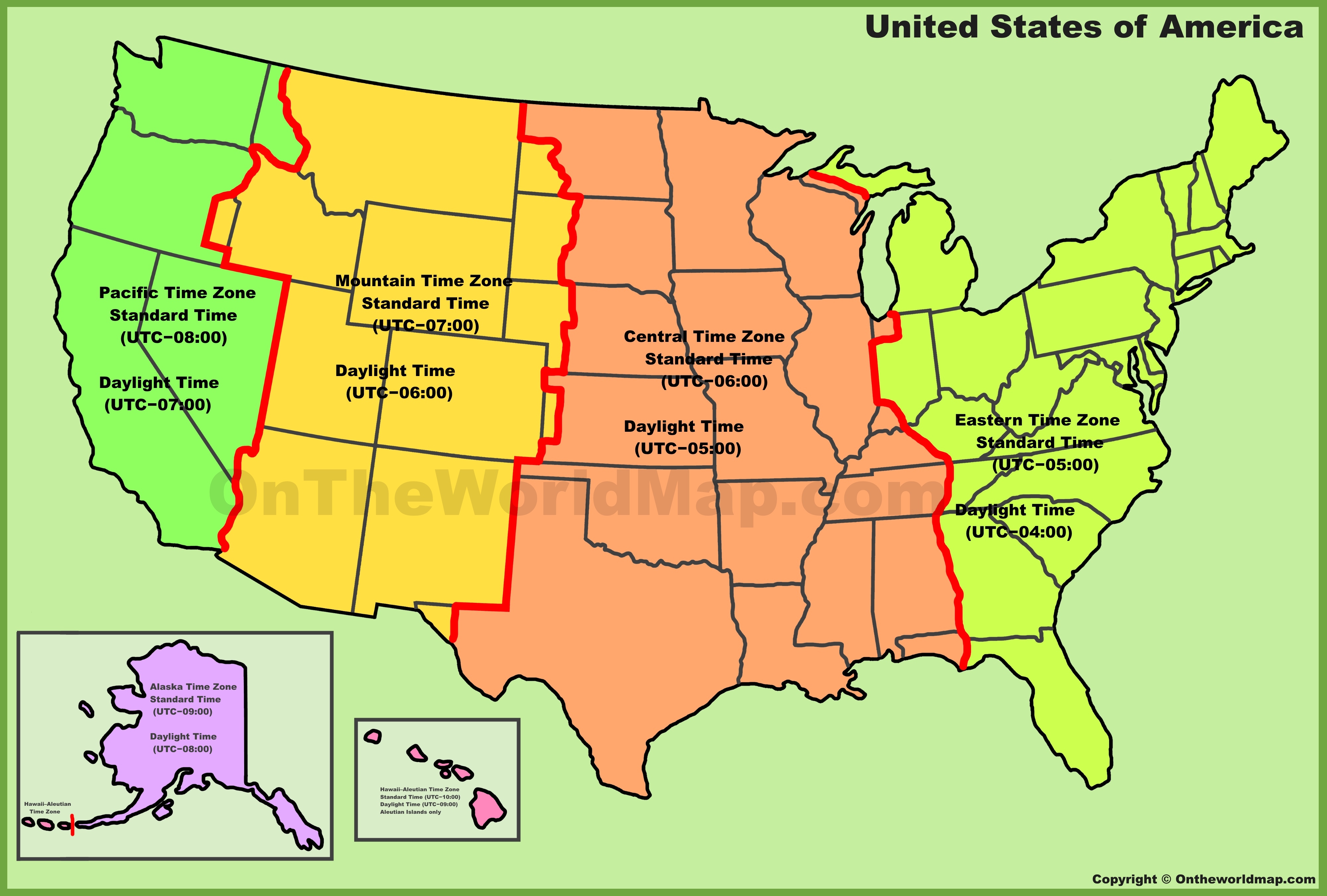
At its core, San Francisco operates within the greater Pacific Time Zone, a geographical region that observes a particular time offset from Coordinated Universal Time (UTC). However, the specific designation changes with the seasons due to the practice of Daylight Saving Time (DST). Grasping these two states – Standard Time and Daylight Time – is essential for accurate planning and communication.
The Basics: Pacific Time Zone (PT)
When Daylight Saving Time is not in effect, San Francisco adheres to Pacific Standard Time (PST). PST is consistently 8 hours behind Coordinated Universal Time, often denoted as UTC-8. This means that if it’s 8:00 AM UTC, it would be midnight (00:00 AM) in San Francisco. The Pacific Time Zone covers a significant portion of the western United States, including California, parts of Oregon, Washington, Nevada, and sections of Idaho. It also extends into western Canada and a small sliver of Mexico. Cities like Los Angeles, Seattle, and Las Vegas share this same time zone. For travelers, knowing this baseline is fundamental, as it dictates the standard offset for a significant part of North America‘s western frontier. It’s the constant against which the temporary shift of DST is measured.
Daylight Saving Time: Pacific Daylight Time (PDT)
For approximately seven months of the year, from early March to early November, San Francisco switches to Pacific Daylight Time (PDT). During this period, the clocks are moved forward by one hour, making PDT 7 hours behind Coordinated Universal Time (UTC-7). This “spring forward” adjustment aims to make better use of daylight, providing more daylight in the evenings and less in the mornings. The change typically occurs on the second Sunday in March when clocks jump from 2:00 AM PST to 3:00 AM PDT. The “fall back” occurs on the first Sunday in November, when clocks revert from 2:00 AM PDT to 1:00 AM PST. This annual ritual means that San Francisco’s operational time is one hour later relative to UTC during the warmer months. Travelers must be especially mindful of this shift, as it impacts everything from flight schedules and hotel check-in times to meeting appointments and dinner reservations. Failing to account for DST can lead to missed connections, late arrivals, or simply confusion about local events.
Why Time Zones Matter for Travelers
Understanding the precise time zone and its seasonal variations isn’t just an academic exercise; it’s a critical component of successful travel planning. For travelers, time zones directly influence:
- Jet Lag: The most immediate impact of crossing multiple time zones is jet lag, a temporary sleep disorder caused by disruption to the body’s circadian rhythm. Knowing the time difference allows you to anticipate and prepare for this physiological challenge, helping you adjust your sleep schedule before departure.
- Scheduling: Every aspect of a trip, from flight departure and arrival times to hotel check-ins, tour bookings, and dining reservations, is set in the local time zone. Incorrectly calculating the time can lead to missed flights, forfeited bookings, or wasted precious vacation time.
- Communication: Staying in touch with family, friends, or colleagues back home requires an awareness of both your current time and their local time. This is especially important for business travelers who need to maintain work schedules or for anyone relying on real-time communication.
- Cultural Experiences: Many events, shows, and attractions in San Francisco have fixed schedules. Being correctly synced with the local time ensures you don’t miss out on planned activities or find yourself arriving after opening hours.
In essence, understanding San Francisco’s time zone is the first step in ensuring a seamless and enjoyable travel experience, allowing you to focus on exploring the city’s wonders rather than grappling with temporal disorientation.
Navigating Time Differences for San Francisco Visitors
For visitors arriving in San Francisco, the journey often involves crossing multiple time zones, leading to varying degrees of time adjustment. Preparing for these differences is crucial for a smooth transition and an optimal experience from the moment you land.
From East Coast to West Coast: A Common Adjustment
One of the most frequent travel scenarios involves visitors from the United States’ East Coast. When traveling from, say, New York (Eastern Time, ET) to San Francisco (Pacific Time, PT), you’ll experience a 3-hour time difference. If it’s 12:00 PM ET, it’s 9:00 AM PT. While seemingly manageable, this shift can still induce mild jet lag, particularly for those sensitive to changes in routine.
- Tips for Adjusting:
- Hydration: Drink plenty of water before, during, and after your flight to combat dehydration, which can exacerbate jet lag symptoms.
- Light Exposure: Upon arrival, expose yourself to natural light during San Francisco’s daytime hours to help reset your internal clock. Avoid bright lights late at night.
- Gradual Shift: If possible, try to adjust your sleep schedule by an hour or two in the days leading up to your trip. Go to bed later if traveling west.
- Avoid Napping Too Long: While a short nap can be helpful, long naps can delay your adjustment to the local night-time sleep.
International Travel: Bridging Greater Gaps
International travelers face more significant time differences and, consequently, more pronounced jet lag. For instance, coming from London (GMT/BST) means a 7- or 8-hour difference, from Tokyo (JST) a 16- or 17-hour difference, and from Sydney (AEST/AEDT) an even larger 17- or 18-hour gap. The body’s internal clock can struggle with such drastic shifts, leading to fatigue, disorientation, and disrupted sleep patterns.
- Strategies for Combating Severe Jet Lag:
- Pre-Adjustment: Begin shifting your sleep schedule by an hour or two each day for several days before your flight. For westward travel, stay up later; for eastward travel, go to bed earlier.
- Strategic Sleep on Flight: Try to sleep on the plane if it aligns with your destination’s nighttime. Consider an eye mask, earplugs, and a neck pillow.
- Embrace Local Time Immediately: As soon as you board your flight, or certainly upon arrival, set your watch to San Francisco time and try to operate on that schedule.
- Melatonin and Natural Aids: Some travelers find melatonin supplements helpful for regulating sleep patterns, but consult a doctor first. Herbal teas and relaxation techniques can also aid sleep.
- Avoid Alcohol and Caffeine: While tempting, these can disrupt sleep and worsen dehydration, making jet lag worse.
Practical Planning: Flights, Check-ins, and Reservations
Every step of your journey requires attention to local time. This is where meticulous planning pays off.
- Confirm All Times in Local San Francisco Time: When booking flights, hotels, tours, or restaurant reservations, always confirm that the times provided are for San Francisco’s local time. Websites and booking platforms usually display times in the local time of the service provider, but it’s always best to double-check, especially around Daylight Saving Time changes.
- Adjust Your Devices: As soon as you arrive, or even on the plane, change all your electronic devices (phone, tablet, laptop, smartwatch) to San Francisco’s time zone. Most smartphones do this automatically, but manually verifying is a good practice.
- Create a Detailed Itinerary: Outline your entire trip, noting all critical times (flight departures, arrivals, hotel check-in/check-out, tour start times, reservation times) in San Francisco’s local time. This visual reference can prevent confusion.
- Consider Early Arrival/Late Departure: For long international flights, an extra day on either end of your trip can provide valuable buffer time for adjustment, allowing you to fully enjoy San Francisco without rushing.
By proactively addressing time differences, travelers can significantly reduce stress and enhance their ability to fully immerse themselves in the vibrant energy of San Francisco.

Maximizing Your San Francisco Experience Across Time Zones
Successfully managing time differences goes beyond just avoiding missed appointments; it’s about optimizing your travel experience, allowing you to fully enjoy San Francisco’s unique offerings. By understanding how your body adjusts, you can strategically plan activities to align with your natural energy cycles, even while jet-lagged.
Early Bird or Night Owl: Adapting Your Schedule
Your natural body clock, coupled with the direction and extent of your travel, can temporarily turn you into an early bird or a night owl. Smart travelers leverage this.
- If You’re Waking Up Early (e.g., traveling from Europe or Asia westward): You might find yourself wide awake at 5 or 6 AM San Francisco time. Instead of fighting it, embrace it! This is a perfect opportunity to experience the city before the crowds.
- Early Morning Activities: Catch the sunrise over the Golden Gate Bridge, explore Fisherman’s Wharf as it awakens, or visit popular attractions like Alcatraz Island with fewer people. Enjoy a peaceful stroll through Golden Gate Park or a tranquil breakfast at a local cafe.
- If You’re Staying Up Late (e.g., traveling from the United States East Coast or Australia eastward): You might find yourself energized in the evenings.
- Evening Activities: Plan late dinners in vibrant neighborhoods like the Mission District or North Beach, explore the nightlife, catch a show, or enjoy evening views from Twin Peaks. Many museums also have late opening hours on specific days.
By consciously adapting your itinerary to your temporary energy patterns, you can make the most of those ‘off-peak’ hours and enjoy a different side of San Francisco while simultaneously helping your body adjust to the local rhythm.
Business and Communication Considerations
For business travelers or those needing to maintain communication with home or office, time zone management is paramount.
- Scheduled Communication: Establish clear communication schedules with colleagues, clients, or family back home, explicitly stating the time zone for each party. For example, “Let’s chat at 9 AM PST / 12 PM EST.”
- Time Zone Converters: Utilize online time zone converters or apps to quickly calculate time differences. These tools are invaluable for scheduling meetings or calls across multiple time zones accurately. Google Calendar and Outlook often have built-in features for this.
- Buffer Time: When scheduling important calls or virtual meetings, always allow for a buffer, especially during your first few days in San Francisco. Unexpected delays or lingering jet lag can impact your punctuality.
- Local Operating Hours: Be mindful of local business hours in San Francisco and your home location. A call placed too early or too late can be unproductive or disruptive.
Thoughtful planning ensures that your professional obligations are met without unnecessary stress or confusion, regardless of the geographical distance.
Health and Well-being: Minimizing Jet Lag’s Impact
While impossible to completely eliminate, the effects of jet lag can be significantly mitigated with a focus on health and well-being.
- Prioritize Sleep Hygiene: Invest in comfortable sleep aids (eye mask, earplugs). Ensure your hotel room is dark, quiet, and cool. Try to maintain a consistent sleep schedule once you’ve adjusted to San Francisco time.
- Light Therapy: Strategic exposure to natural light is your most powerful tool. Seek out sunlight during San Francisco’s daytime hours to help regulate melatonin production. Avoid bright screens (phones, tablets) in the hour or two before you intend to sleep.
- Meal Timing: Try to eat meals at San Francisco’s standard meal times. This helps signal to your body when it’s day and night, aiding in circadian rhythm adjustment. Avoid heavy meals close to bedtime.
- Stay Active (Moderately): Gentle exercise, like walking or light jogging, can help boost energy and promote better sleep. Avoid strenuous workouts close to bedtime.
- Listen to Your Body: Recognize that adjustment takes time. Be patient with yourself, allow for rest when needed, and avoid over-scheduling your first few days. Pushing too hard can prolong jet lag.
By integrating these strategies, you can transition more smoothly into San Francisco’s rhythm, allowing you to fully engage with its vibrant culture and iconic sights with energy and clarity.
The Future of Time: Potential Changes and Staying Informed
While San Francisco currently operates under the Pacific Time Zone with its annual shift to Daylight Saving Time, the landscape of timekeeping in the United States is not static. Ongoing discussions and legislative efforts could potentially alter how California and other states observe time in the future. Staying informed about these potential changes is wise for any regular traveler or resident.
The Debate Over Daylight Saving Time
For years, there has been a vigorous debate regarding the efficacy and necessity of Daylight Saving Time (DST). Proponents cite energy savings and public safety benefits, while opponents point to disruptions in sleep patterns, health concerns, and economic inefficiencies. California, along with many other states, has explored options to either make DST permanent (effectively moving to UTC-7 year-round) or to abolish it entirely (remaining on PST, UTC-8, permanently).
- Potential Impact:
- Permanent DST: If California were to adopt permanent Daylight Saving Time, San Francisco would operate on UTC-7 throughout the entire year. This would mean later sunrises in winter but consistent evening daylight.
- Abolishing DST: If DST were abolished, San Francisco would remain on Pacific Standard Time (UTC-8) year-round. This would lead to earlier sunsets in the summer but consistent morning daylight.
- Legislative Status: While federal law currently requires states to either observe DST or opt out entirely (staying on standard time year-round), a recent bill, the “Sunshine Protection Act,” aimed to make Daylight Saving Time permanent nationwide. Although it passed the Senate, it stalled in the House. States like California would likely need federal approval to make permanent changes that deviate from the current system. These discussions highlight that the time zone you experience in San Francisco might not always be precisely the same.
Reliable Sources for Time Zone Information
Given the potential for future changes and the importance of accurate information for travel, relying on trusted sources is crucial.
- Official Government Sites: For the most accurate and up-to-date information on time zones and DST changes in the United States, consult official government websites, such as those from the National Institute of Standards and Technology (NIST) or relevant state legislative bodies in California.
- Reputable Travel Apps and Websites: Most popular travel apps, airline websites, and global clock applications automatically update for DST changes. Ensure you are using reputable, well-maintained platforms.
- Airline and Accommodation Providers: Always cross-reference your flight and accommodation details with the information provided directly by the airline or hotel. They are typically very precise about local times.
- Local News Outlets: For specific regional updates regarding DST debates or changes in California, local San Francisco news sources can provide valuable insights.

Always Confirm: The Golden Rule of Travel
Regardless of how well-versed you are in time zones, the golden rule of travel remains: always confirm.
Before any critical appointment—be it a flight departure, a tour booking, a dinner reservation, or a business meeting—take a moment to re-verify the time in San Francisco’s local context. This simple habit can save you from potential stress, missed opportunities, and unnecessary expense. With the slight variations of Daylight Saving Time and the ongoing political discussions around its future, a quick check can provide immense peace of mind. Your journey to San Francisco will be much smoother and more enjoyable when you are confidently synchronized with its vibrant rhythm.
LifeOutOfTheBox is a participant in the Amazon Services LLC Associates Program, an affiliate advertising program designed to provide a means for sites to earn advertising fees by advertising and linking to Amazon.com. Amazon, the Amazon logo, AmazonSupply, and the AmazonSupply logo are trademarks of Amazon.com, Inc. or its affiliates. As an Amazon Associate we earn affiliate commissions from qualifying purchases.