
The enigmatic allure of Hotel California has captivated listeners for decades, transcending its status as a mere song to become a cultural phenomenon. While its iconic status is undeniable, the true meaning and narrative behind the Eagles’ magnum opus remain a subject of much debate and interpretation. This article delves into the rich tapestry of themes and potential meanings woven into the lyrics and music of this legendary track, exploring its enduring resonance within the travel and tourism landscape, even if the hotel itself exists primarily in the realm of metaphor.
The Unseen Journey: Arrival and First Impressions
The song opens with a vivid depiction of a weary traveler, arriving at a seemingly idyllic, yet ultimately disquieting, establishment. “On a dark desert highway, cool wind in my hair,” the lyrics immediately transport the listener to a classic American road trip scenario, evoking a sense of freedom and endless possibility. This initial imagery is crucial, as it sets the stage for the journey into the unknown. The “shimmering light” and the promise of a respite from the long drive suggest a sanctuary, a place of comfort and perhaps even luxury.

A Welcome That Lingers Too Long
The narrator’s initial reception at Hotel California is portrayed as exceptionally welcoming, bordering on seductive. The “mission bell” tolls, a sound often associated with peace and arrival, but here it seems to herald something more profound. The phrase “welcome to the Hotel California” becomes an anthem of entrapment rather than liberation. The warmth of the staff and the promise of “peace” are initial lures, masking a deeper, more complex reality.
The lyrics “We haven’t had that spirit here since nineteen sixty-nine” hint at a bygone era, perhaps a time of perceived innocence or a different kind of cultural expression. This temporal marker is significant, as it positions the song within a specific cultural moment, a period of immense social and artistic change in the United States. It’s a subtle nod to the passage of time and the transformations that occur, both personally and societally.
Inside the Walls: The Illusion of Paradise
As the narrator is guided through the hotel, the initial enchantment begins to fray, revealing cracks in the facade of perfection. The descriptions become more surreal and unsettling, hinting that this is no ordinary hotel. The “pink champagne on ice” and “voices down the corridor” suggest a lively, perhaps even decadent, atmosphere, but the undercurrent of unease persists.
The Captivating Echoes of the Past
The imagery within the hotel is rich with symbolism. The “mirror on the ceiling” and the “pink ladies” (interpreted by some as prostitutes or simply glamorous women) contribute to an atmosphere of heightened sensory experience and potential indulgence. However, these elements also suggest a superficiality, a focus on outward appearances rather than genuine substance.

The recurring theme of music and sound within the hotel is particularly potent. The “sound of the master’s voice” and the “music there but you can’t quite place the song” create a sense of pervasive influence, a force that dictates the experience of the inhabitants. This could be interpreted as the pervasive nature of societal expectations, cultural trends, or even personal demons that keep individuals tethered.
The Unspoken Rules of Engagement
The staff, initially perceived as helpful, reveal a more sinister role. The “we are all just prisoners here, of our own device” line is pivotal, shifting the narrative from external entrapment to internal limitation. The hotel becomes a metaphor for self-imposed constraints, the inability to break free from habits, addictions, or destructive patterns of thought. The “stab it with their steely knives, but they just can’t kill the beast” further emphasizes the persistent nature of these internal struggles, suggesting that the attempts to overcome them are futile or, at best, temporary.
The Inescapable Embrace: Leaving is Not an Option
The climax of the song arrives with the narrator’s realization that escape from Hotel California is not possible. The chilling revelation that “You can check out any time you like, but you can never leave” solidifies the song’s allegorical nature. This isn’t a physical hotel one can simply check out of; it represents a state of being, a psychological or spiritual prison.
The Metaphorical Landscape
Numerous interpretations have been offered for the deeper meaning of Hotel California. Some believe it represents the excesses of the music industry in the 1970s, where artists could achieve immense fame and fortune but found themselves trapped by the demands and pressures of fame. Others see it as a commentary on the darker side of the American Dream, the pursuit of wealth and status leading to a spiritual emptiness.
A widely accepted interpretation is that the song is an allegory for addiction. The initial allure, the deepening dependence, and the eventual inability to break free from the substance or behavior mirror the journey of an addict. The “beast” that cannot be killed is the craving or the addiction itself, which continues to exert its hold.
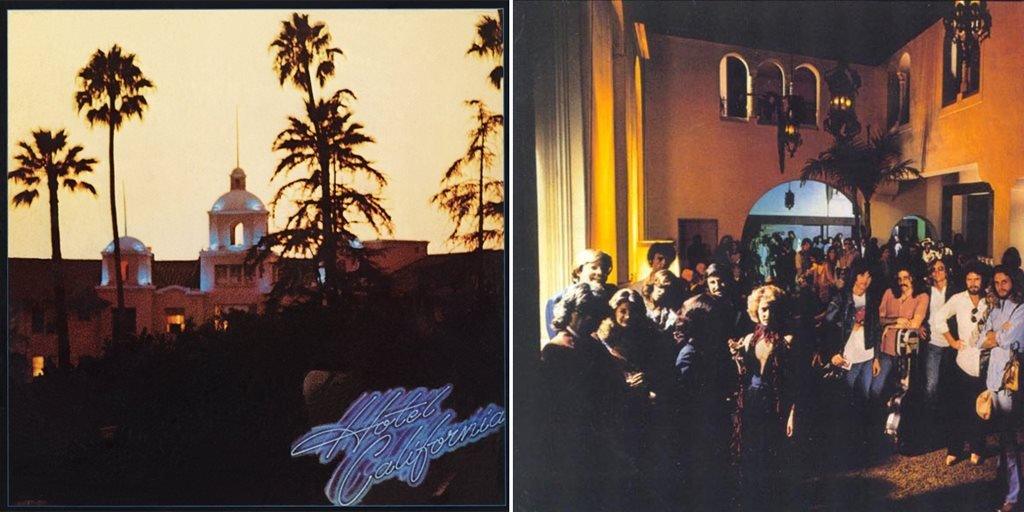
The Enduring Resonance of the Theme
The enduring appeal of Hotel California lies in its ability to tap into universal human experiences. The feeling of being trapped, the struggle for freedom, the allure of temptation, and the consequences of our choices are themes that resonate deeply across cultures and generations. The song’s open-ended narrative allows listeners to project their own interpretations and experiences onto its lyrics, making it a deeply personal as well as a universally recognized piece of art.
In essence, Hotel California is more than just a song; it’s a cautionary tale, a philosophical inquiry, and a masterful work of storytelling. Its narrative of a traveler lured into a place of apparent paradise only to discover its inescapable grip serves as a powerful reminder of the complexities of desire, freedom, and the human condition. Whether viewed as a critique of society, the music industry, or the individual’s internal battles, the song’s enigmatic power continues to draw us in, much like the spectral allure of the hotel itself.
LifeOutOfTheBox is a participant in the Amazon Services LLC Associates Program, an affiliate advertising program designed to provide a means for sites to earn advertising fees by advertising and linking to Amazon.com. Amazon, the Amazon logo, AmazonSupply, and the AmazonSupply logo are trademarks of Amazon.com, Inc. or its affiliates. As an Amazon Associate we earn affiliate commissions from qualifying purchases.