
The Soul of Southern Barbecue: Understanding Boston Butt in Culinary Tourism
Exploring the vibrant culinary landscapes of the American South inevitably leads to the smoky, succulent world of barbecue, and at its heart lies the formidable Boston Butt. Often a misnomer, as it comes from the upper part of the pig’s front shoulder, not the rear, this cut is the undisputed king for crafting tender, flavorful pulled pork. For the culinary tourist, understanding the journey of a Boston Butt from raw meat to a celebrated dish is not merely about appreciating a meal; it’s about experiencing a cornerstone of local culture, a testament to patience, tradition, and community. The question of “how long does it take” transcends a simple cooking query; it’s an inquiry into the very ethos of Southern hospitality and gastronomic dedication.
What Makes Boston Butt a Cultural Icon?
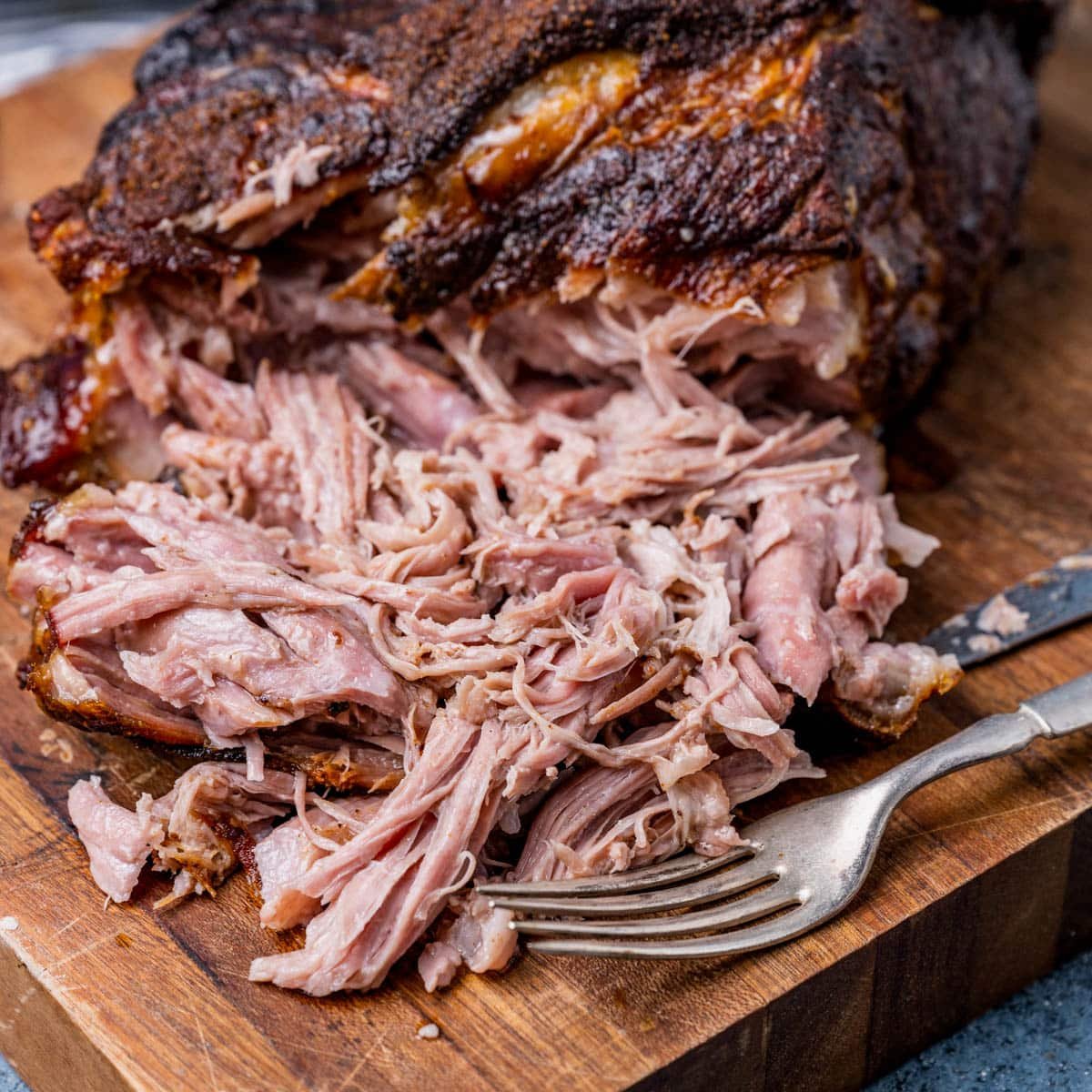
The Boston Butt is more than just a cut of meat; it’s a canvas for regional barbecue styles, a central feature of festivals, family gatherings, and local eateries across states like North Carolina, South Carolina, and Tennessee. Its generous marbling and connective tissue, when subjected to low and slow cooking, break down into gelatin, yielding an unparalleled tenderness and rich flavor profile. This transformation isn’t just about chemistry; it’s about artistry. Pitmasters, often revered figures in their communities, spend decades perfecting their techniques, rubs, and sauces, each element contributing to a unique culinary identity deeply tied to their locality. For a tourist, tasting authentic pulled pork crafted from a perfectly cooked Boston Butt is a direct connection to this heritage, offering insights into the local way of life that no guidebook alone could provide. It’s a sensory experience that speaks volumes about tradition, community, and the profound joy derived from sharing good food.
The Allure for the Culinary Tourist
For those traveling specifically for food, the Boston Butt presents an unparalleled opportunity for immersion. Its preparation time is a critical factor in both its cultural significance and its unique appeal. The extended cooking process means that barbecue joints often start their preparations in the dead of night, a testament to the dedication required. This commitment to time is what separates truly authentic barbecue from quick imitations. As a tourist, knowing the effort involved heightens the appreciation for each succulent bite. It transforms a meal into an experience, a narrative of patience, skill, and passion. Whether seeking out hole-in-the-wall establishments in Austin, Texas, or famous smokehouses in Kansas City, understanding the time investment in cooking a Boston Butt enriches the culinary journey, allowing for a deeper connection to the local food scene and its storied traditions.
The Art of Patience: Deconstructing the Cooking Timeline for Perfect Pulled Pork
The hallmark of exceptional pulled pork from a Boston Butt is its melt-in-your-mouth tenderness, a quality directly proportional to the time invested in its preparation. There’s no single, definitive answer to “how long does it take,” as myriad factors come into play, but generally, expect a significant commitment. This extended cooking time is not a deterrent but a defining characteristic that contributes to the dish’s legendary status in culinary tourism.
Factors Influencing Cooking Duration
Several variables dictate the total cooking time for a Boston Butt:
- Weight of the Cut: A standard Boston Butt typically ranges from 6 to 10 pounds. A good rule of thumb is to allocate 1.5 to 2 hours per pound at a low temperature (around 225-275°F or 107-135°C). Thus, an 8-pound butt could take anywhere from 12 to 16 hours. Larger cuts will naturally require more time.
- Cooking Temperature: Lower temperatures generally mean longer cooking times but result in more tender, juicier meat as collagen has ample time to break down. Higher temperatures can speed up the process but risk drying out the meat or not fully rendering the connective tissues.
- Cooking Method: The equipment used (smoker, oven, slow cooker) significantly impacts heat distribution and moisture retention, thereby affecting the timeline.
- Fat Content and Bone-in vs. Boneless: A bone-in butt often cooks slightly slower but the bone can add flavor and help conduct heat. Higher fat content can also prolong cooking slightly as the fat renders.
- The “Stall”: This critical phenomenon can add unpredictable hours to the cooking process.
Common Cooking Methods and Their Timelines
For the culinary enthusiast wishing to replicate the experience at home, or simply to understand the dedication involved, here are typical timelines for popular methods:
Smoker (Low & Slow BBQ)
This is the traditional and arguably most authentic method, offering unparalleled smoky flavor.
- Temperature: 225-250°F (107-121°C)
- Time: 1.5 to 2 hours per pound. An 8-pound Boston Butt could take 12-16 hours, potentially longer if a significant “stall” occurs. This method demands the most patience and consistent monitoring.
Oven
A great alternative for those without a smoker, still delivering excellent results, albeit without the deep smoke flavor unless liquid smoke is used or it’s finished on a grill.
- Temperature: 250-275°F (121-135°C)
- Time: 1.25 to 1.75 hours per pound. An 8-pound butt would typically require 10-14 hours. Covering the butt tightly with foil can help retain moisture.
Slow Cooker
The most hands-off method, perfect for achieving tenderness with minimal effort, though generally sacrificing the bark (crispy exterior) and smoky flavor characteristic of barbecue.
- Time: 6-8 hours on high, or 8-10 hours on low. This method often works for smaller butts (3-5 pounds) or when deeply tender, fall-apart pork is the sole priority. While convenient, it doesn’t fully capture the slow-smoked barbecue experience celebrated in the American South.
The “Stall” Phenomenon and How to Navigate It
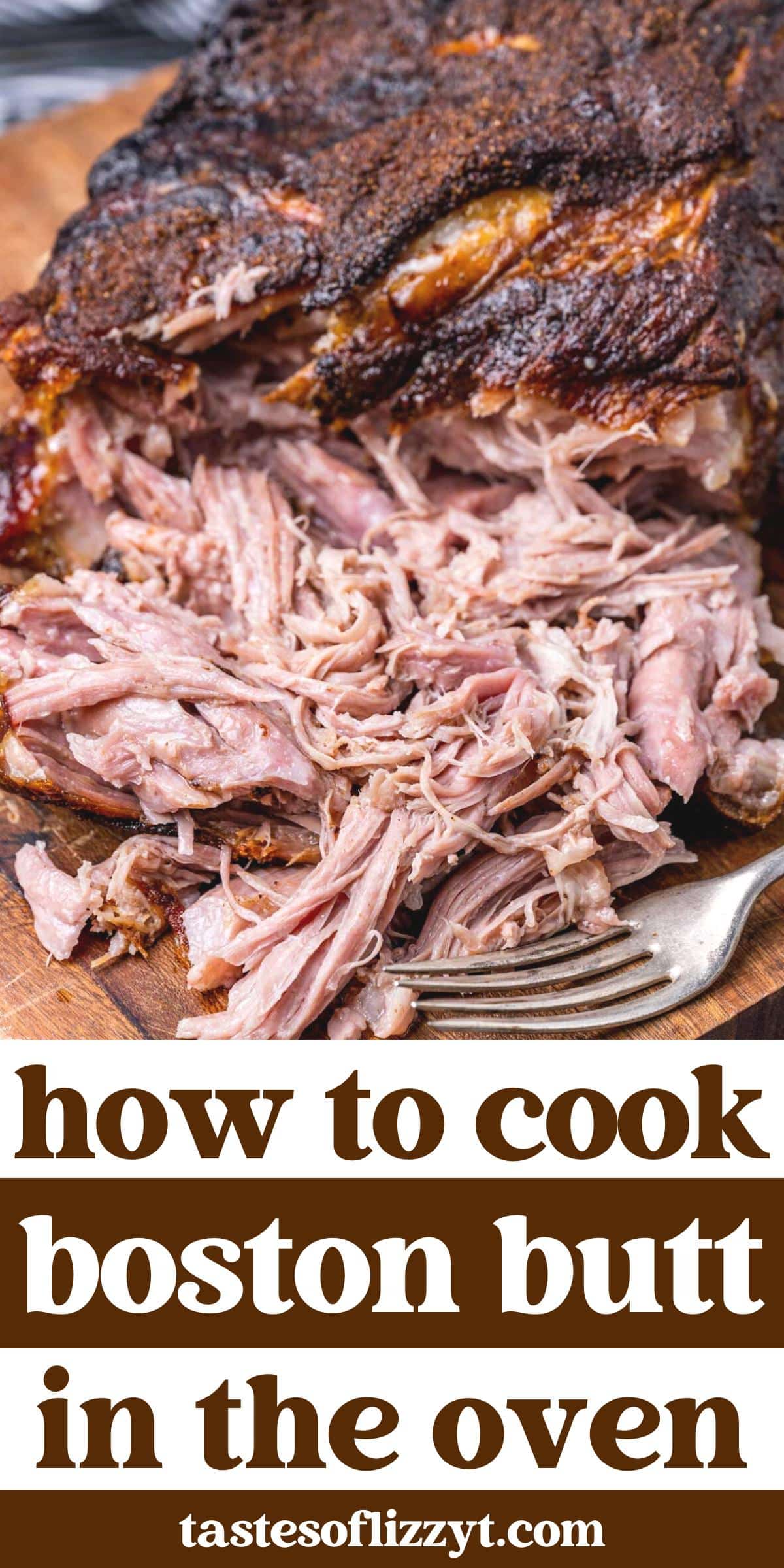
Perhaps the most enigmatic aspect of cooking a Boston Butt is the “stall.” This is a period, typically when the internal temperature of the meat reaches 150-170°F (65-77°C), during which the temperature plateaus and can even drop for several hours despite consistent external heat. It’s caused by evaporative cooling as moisture from the meat evaporates from the surface. For the uninitiated, the stall can be frustrating and lead to premature pulling of the meat, but it’s a natural and crucial part of the process. The best way to navigate the stall is with patience. “Wrapping” the butt in foil or butcher paper once it hits the stall (known as the Texas Crutch) can help push it through, but many purists prefer to ride it out unwrapped for a superior bark. This critical phase highlights the deep understanding and intuition required of true pitmasters, offering a taste of the challenges and triumphs inherent in traditional barbecue.
Beyond the Clock: Achieving Culinary Perfection and Authentic Flavor
While understanding the cooking timeline is crucial, the true mastery of Boston Butt lies in recognizing indicators beyond the clock and embracing techniques that guarantee authentic flavor and an unforgettable culinary experience. This goes beyond mere cooking instructions; it’s about connecting with the subtle art forms that define a region’s food culture.
The Importance of Internal Temperature and Rest Time
The ultimate determinant of doneness for pulled pork is not time, but internal temperature. The target for a fall-apart tender Boston Butt is typically between 195-205°F (90-96°C). At this range, the connective tissues have fully broken down into gelatin, allowing the meat to be easily shredded. A good quality meat thermometer is indispensable for accuracy. However, even upon reaching the target temperature, the journey isn’t over. A critical step often overlooked by beginners, but religiously followed by seasoned pitmasters, is the rest time. After removing the butt from the heat, it should be wrapped tightly (in foil, butcher paper, and then towels) and allowed to rest in a cooler for at least 1-2 hours, or even up to 4 hours. This resting period allows the muscle fibers to relax and reabsorb juices, resulting in significantly more tender and moist pulled pork. Skipping this step is a disservice to the hours of cooking, as it can lead to dry meat. This focus on post-cook care is a testament to the meticulousness embedded in authentic barbecue traditions, a fine detail that greatly enhances the tourist’s experience of local cuisine.
Pairing and Presentation: A Tourist’s Guide to Enjoying Boston Butt
Once perfectly cooked and shredded, the Boston Butt transforms into a versatile dish ready for myriad accompaniments. For the culinary tourist, observing how locals serve and pair their pulled pork provides invaluable cultural insight. In North Carolina, it’s often served with a vinegar-based sauce and coleslaw, sometimes simply on a bun. In other regions, a sweet, tomato-based sauce might be preferred, alongside sides like macaroni and cheese, baked beans, or potato salad. The presentation is typically rustic and generous, reflecting the hearty, communal nature of barbecue. Understanding these regional variations in pairing and presentation adds another layer to the food tourism experience, encouraging exploration of different barbecue styles and their unique local contexts.
Bringing the Flavor Home: Recreating the Experience
For those inspired by their travels, bringing the flavor of perfectly cooked Boston Butt home is a rewarding endeavor. While the process is time-consuming, the outcome is a taste of Southern tradition that transcends geographical boundaries. Recreating the experience starts with sourcing a quality Boston Butt, applying a dry rub (perhaps inspired by a beloved barbecue joint visited), and committing to the low and slow cooking method. The reward is not just a delicious meal, but a connection to the places visited, a culinary souvenir that continues to evoke memories of travel and authentic local culture. It reinforces the idea that food is a powerful conduit for cultural understanding and appreciation, turning a simple cut of meat into a cherished part of one’s travel narrative.
Planning Your Gastronomic Adventure: Timing for Optimal Experience
For both the dedicated traveler and the aspiring home cook, timing is everything when it comes to experiencing the magic of Boston Butt. Understanding the long cooking process allows for better planning, ensuring that either your visit to a renowned barbecue spot or your home cooking project culminates in the most authentic and satisfying experience possible.
For the Traveler: Seeking Out Authentic Barbecue Joints
When traveling to regions famous for their barbecue, timing your visit to a restaurant or festival can be crucial. Many highly acclaimed barbecue joints, especially those specializing in traditional slow-smoked Boston Butt, operate on a “until we sell out” basis. This means arriving too late in the day can result in disappointment, as the day’s fresh batch of perfectly cooked pulled pork might already be gone. Researching peak hours, considering weekday vs. weekend visits, and even making reservations where possible can enhance your culinary tour. Engaging with locals for recommendations often provides insights into the best times to visit specific establishments. Experiencing barbecue culture means embracing its nuances, including the race against the clock to secure a plate of that day’s perfectly smoked Boston Butt, reflecting its status as a highly sought-after local delicacy.
For the Home Cook: Mastering the Art of the Long Cook
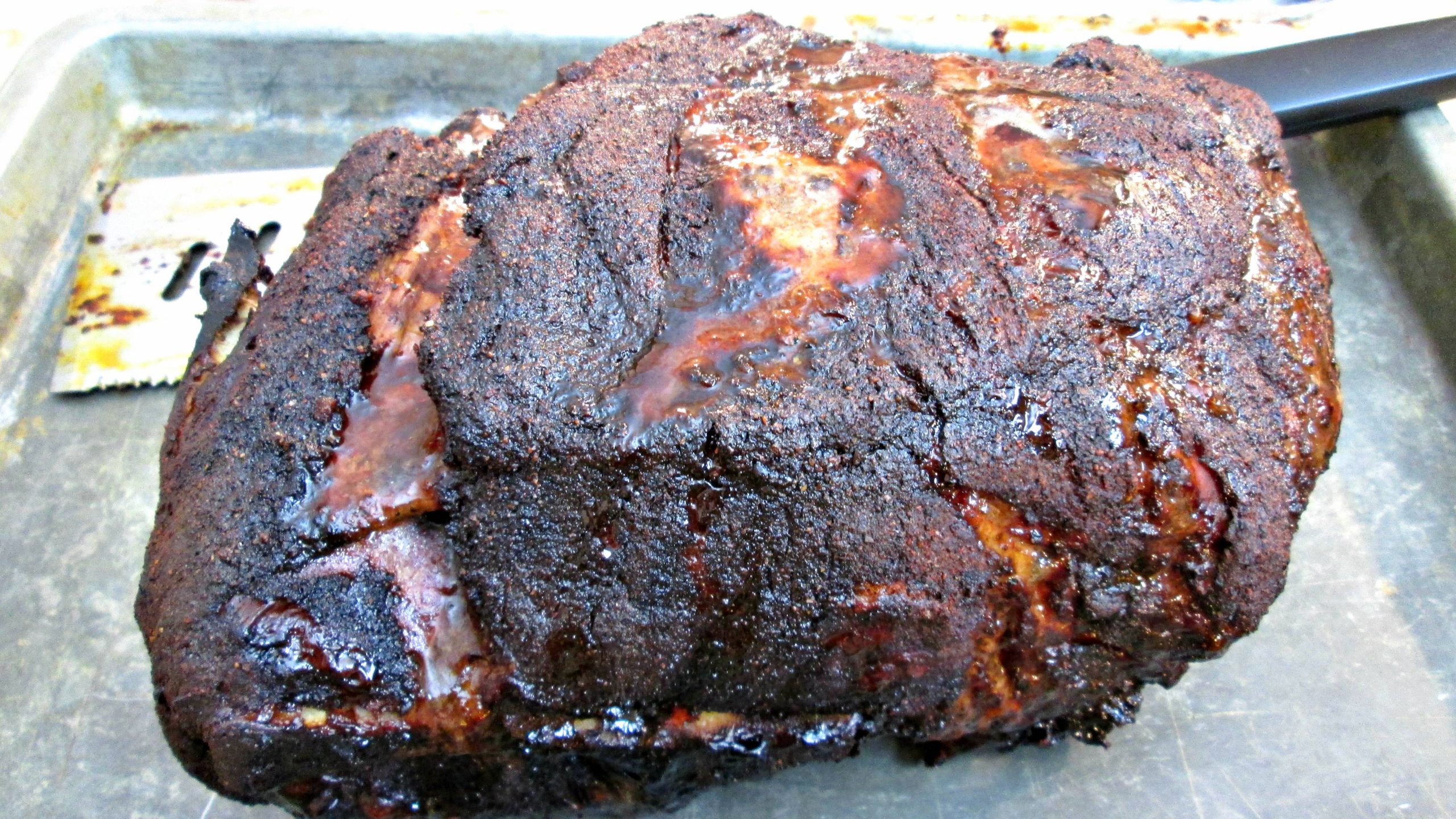
For those inspired to tackle a Boston Butt at home, mindful planning of the cooking timeline is paramount. Given the 12-16 hour (or even longer) cooking window for an average-sized butt, starting early is key. Many home cooks opt to begin their cook in the late evening, allowing the butt to smoke or roast overnight, ensuring it’s ready for its critical resting period by mid-morning or early afternoon the next day. This strategy makes it perfect for a leisurely weekend meal or an afternoon gathering. Understanding the timeline also allows for proper preparation of side dishes and sauces, ensuring all elements come together harmoniously. Embracing the long cooking process isn’t just about patience; it’s about integrating this culinary tradition into your lifestyle, finding joy in the slow transformation of simple ingredients into a feast that echoes the rich tapestry of the American South’s gastronomic heritage.
LifeOutOfTheBox is a participant in the Amazon Services LLC Associates Program, an affiliate advertising program designed to provide a means for sites to earn advertising fees by advertising and linking to Amazon.com. Amazon, the Amazon logo, AmazonSupply, and the AmazonSupply logo are trademarks of Amazon.com, Inc. or its affiliates. As an Amazon Associate we earn affiliate commissions from qualifying purchases.