
Understanding the postal geography of a vibrant metropolis like Chicago is more than just a logistical necessity; it’s a gateway to understanding the city’s diverse neighborhoods and the practicalities of navigating its extensive urban landscape. While a single zip code might seem straightforward, the reality for a city as sprawling and complex as Chicago is a fascinating tapestry of numerous postal codes, each representing a distinct area with its own unique character and history. This guide delves into the world of Chicago’s zip codes, not just as numbers, but as markers of identity within the ‘Windy City’.
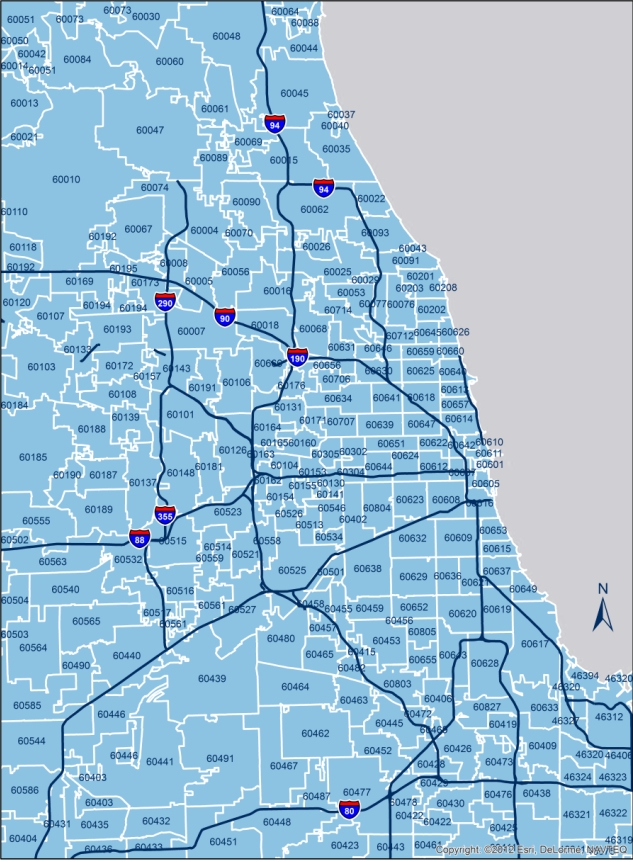
Decoding Chicago’s Postal Landscape
Chicago, the third-largest city in the United States, is divided into a multitude of postal service areas. The United States Postal Service (USPS) assigns these codes to efficiently sort and deliver mail. For a city of Chicago’s size and population density, this necessitates a granular approach, with different zip codes serving specific neighborhoods, business districts, and even large institutions.
The primary zip code prefix for Chicago is typically ‘606’. However, this prefix is then followed by various other digits to denote specific delivery areas. For instance, some of the most commonly referenced zip codes include ‘60601’ for the downtown Loop area, ‘60611’ for parts of the Near North Side and Streeterville, and ‘60605’ for the South Loop. The further east or west you go, or the further north or south, the zip codes will change, reflecting the vast geographical spread of the city.
The Significance of Zip Codes for Travelers and Residents
For visitors, knowing the general zip code of their intended destination within Chicago can be incredibly useful. It aids in:
- Navigation: When using GPS or mapping applications, zip codes can provide an additional layer of specificity, especially when dealing with very similar street names across different parts of the city.
- Accommodation Booking: Hotels, rental apartments, and other lodging options are often listed with their zip codes, helping travelers pinpoint their location relative to attractions or business centers.
- Understanding Neighborhood Identity: Zip codes can offer a quick way to grasp the general location and character of an area. For example, knowing a hotel is in the ‘60611’ zip code might suggest proximity to the Magnificent Mile and affluent residential areas.
- Logistics: For those sending or receiving packages, or arranging deliveries, accurate zip codes are paramount.
For residents, zip codes are intrinsic to their daily lives, influencing everything from local services to community resources and even the demographic and economic profiles of their neighborhoods.
Navigating Specific Chicago Zip Codes and Their Associated Areas
To illustrate the diversity within Chicago’s postal system, let’s explore a few key zip codes and the areas they encompass:
The Loop (Downtown Chicago)
The heart of Chicago’s business and cultural life, The Loop, is primarily served by a cluster of zip codes, with ‘60601’ being one of the most central. This area is synonymous with soaring skyscrapers, iconic architecture, and bustling activity.
- Zip Code: 60601
- Key Landmarks & Attractions: Millennium Park (including “The Bean” – Cloud Gate), Grant Park, Art Institute of Chicago, Willis Tower (formerly Sears Tower), Wrigley Building.
- Vibe: High-energy, business-oriented during the day, transforming into a cultural hub in the evenings with theaters, restaurants, and nightlife.
Near North Side & Streeterville

This affluent area north of the Chicago River is a magnet for shoppers, tourists, and residents seeking luxury and entertainment.
- Zip Code: 60611
- Key Landmarks & Attractions: Magnificent Mile, Navy Pier, Water Tower Place, numerous high-end hotels, designer boutiques, and renowned dining establishments.
- Vibe: Sophisticated, upscale, with a constant buzz of activity from shoppers, tourists, and residents enjoying world-class amenities.
South Loop
Once a warehouse district, the South Loop has undergone significant redevelopment and is now a vibrant residential and entertainment zone.
- Zip Code: 60605
- Key Landmarks & Attractions: Soldier Field, Museum Campus (home to the Shedd Aquarium, Field Museum, and Adler Planetarium), numerous new condominium buildings, restaurants, and nightlife venues.
- Vibe: Modern, dynamic, with a mix of historic industrial architecture and contemporary living spaces, appealing to a diverse urban population.
Lincoln Park
Known for its beautiful park, zoo, and charming residential streets, Lincoln Park offers a more laid-back, family-friendly atmosphere.
- Zip Code: 60614
- Key Landmarks & Attractions: Lincoln Park Zoo, Lincoln Park Conservatory, DePaul University, historic brownstones, and a lively restaurant and bar scene.
- Vibe: Tree-lined streets, a strong sense of community, with a blend of family life, student energy, and upscale urban living.
Wicker Park & Bucktown
These neighboring enclaves are celebrated for their artistic flair, independent boutiques, and vibrant nightlife.
- Zip Codes: 60622, 60647
- Key Landmarks & Attractions: Trendy cafes, vintage shops, art galleries, live music venues, and unique culinary experiences. The iconic six-corner intersection at Wicker Park is a hub of activity.
- Vibe: Bohemian, eclectic, youthful, and highly creative, attracting artists, musicians, and trendsetters.
Finding the Right Zip Code for Your Chicago Adventure
When planning a trip to Chicago, or simply trying to pinpoint a specific location, there are several reliable ways to find the correct zip code:
- USPS Website: The official USPS website is the most authoritative source for zip code information. You can search by address or by city and state.
- Online Mapping Services: Platforms like Google Maps and Apple Maps will typically display the zip code when you search for a specific address or landmark.
- Hotel and Accommodation Websites: When booking lodging, the website will almost always provide the zip code as part of the property’s address details.
- Local Directories and Guides: Online travel guides and local Chicago websites often list zip codes for popular areas and attractions.
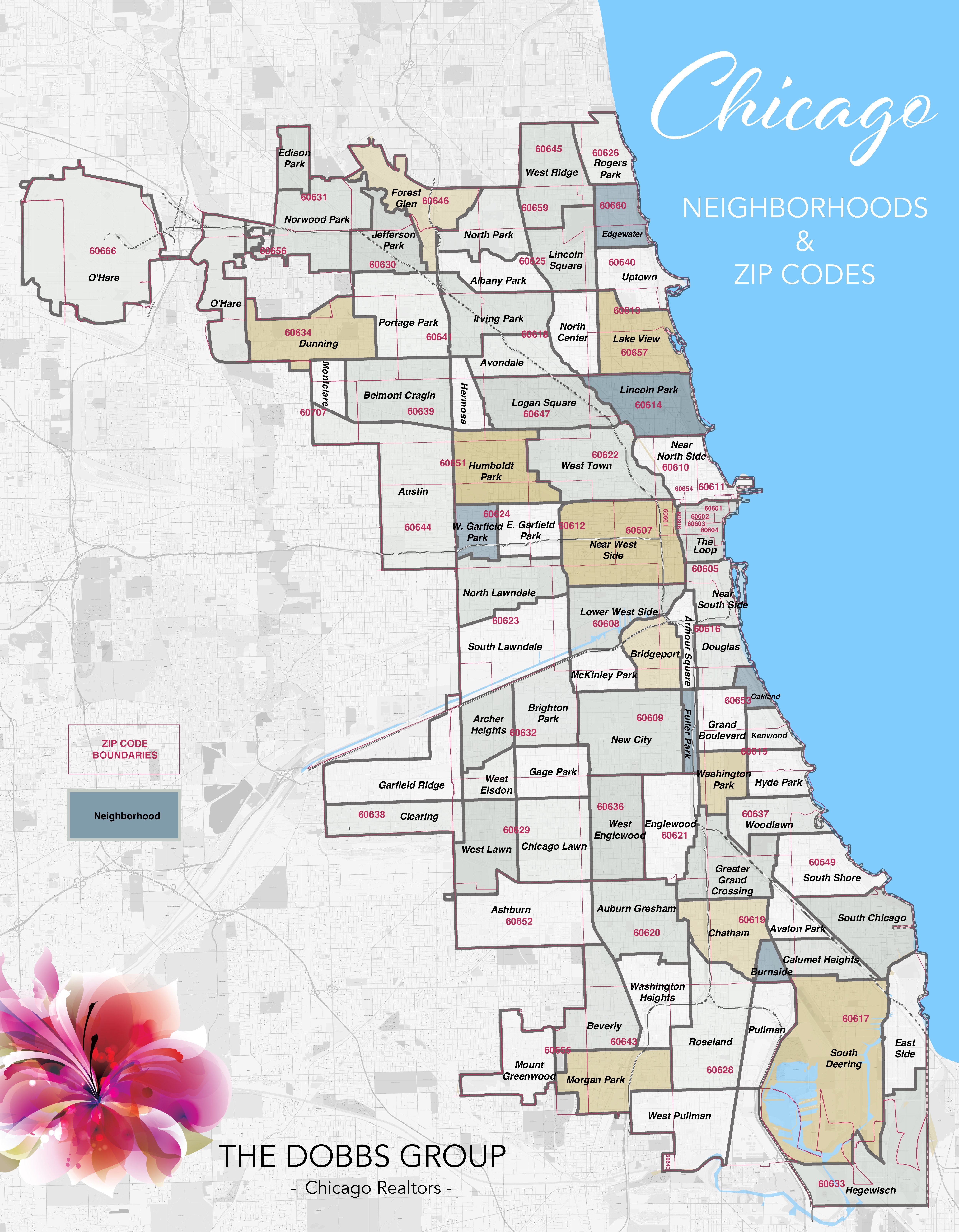
Beyond the Numbers: Understanding Chicago’s Neighborhoods
While zip codes offer a numerical representation of Chicago’s geography, they are merely the starting point for exploring the city’s rich tapestry of neighborhoods. Each zip code, and the areas within it, carries its own history, culture, and community spirit. From the grandeur of the downtown skyscrapers to the charming streets of Lincoln Park and the artistic energy of Wicker Park, Chicago is a city of distinct enclaves, each contributing to its overall vibrancy. Understanding its postal codes helps to ground your exploration, making your journey through this magnificent American city more informed and engaging. Whether you’re seeking luxury shopping on the Magnificent Mile, immersing yourself in art at the Art Institute of Chicago, or enjoying the green spaces of Grant Park, knowing the zip code is a small but significant step in unlocking the full potential of your Chicago experience.
LifeOutOfTheBox is a participant in the Amazon Services LLC Associates Program, an affiliate advertising program designed to provide a means for sites to earn advertising fees by advertising and linking to Amazon.com. Amazon, the Amazon logo, AmazonSupply, and the AmazonSupply logo are trademarks of Amazon.com, Inc. or its affiliates. As an Amazon Associate we earn affiliate commissions from qualifying purchases.