
Understanding the tax structure in California is paramount for anyone planning to reside, visit, or conduct business in the Golden State. Taxes, after all, fundamentally shape one’s lifestyle, influencing everything from daily spending and savings to major life decisions like homeownership and retirement planning. From the vibrant urban centers of Los Angeles and San Francisco to the serene landscapes of its national parks, the financial implications of California’s tax policies are woven into the fabric of daily life. This article aims to demystify the various taxes you’ll encounter, providing an insightful guide to how they impact your personal finances and overall lifestyle in this dynamic state.
Navigating the Golden State’s Financial Landscape: An Overview of California Taxes
California, renowned for its innovation, natural beauty, and diverse culture, also carries a reputation for a complex and often high tax burden. For residents, understanding this landscape is crucial for financial planning and budgeting. For visitors, awareness of sales tax, hotel tax, and other levies ensures a smooth and predictable travel experience, preventing unexpected drains on their vacation budget. The state’s tax system is designed to fund its extensive public services, infrastructure, and social programs, reflecting its progressive values and commitment to its citizens.
The Cost of Living in Paradise: A Brief Context
The allure of California’s lifestyle — the beaches, the mountains, the innovation hubs like Silicon Valley — often comes with a higher cost of living compared to many other U.S. states. Taxes play a significant role in this equation. Housing, utilities, transportation, and even groceries are impacted by various state and local taxes, directly affecting the disposable income available for leisure, savings, and investments. For individuals and families considering a move or extended stay, a clear picture of these financial realities is essential for assessing whether the California lifestyle aligns with their financial goals.
Who Pays What? Residents vs. Visitors
The distinction between resident and non-resident tax obligations is a critical starting point. Residents of California are subject to personal income tax on all their worldwide income, irrespective of where it was earned. This can significantly impact the financial lifestyle of someone earning a high salary. Visitors, on the other hand, primarily encounter sales taxes on purchases, transient occupancy taxes (hotel taxes), and potentially taxes on rental cars or other services used during their stay. Understanding these differences helps travelers budget effectively and helps new residents anticipate their financial responsibilities from day one, impacting their ability to enjoy the state’s offerings.
Key Taxes Shaping Your California Lifestyle
Several primary tax categories define the financial landscape in California, each with its own implications for residents and visitors alike. From how much you earn to what you spend, these taxes directly influence your purchasing power and overall financial well-being, thus dictating many aspects of your lifestyle.
Income Tax: Earning, Living, and Spending in California
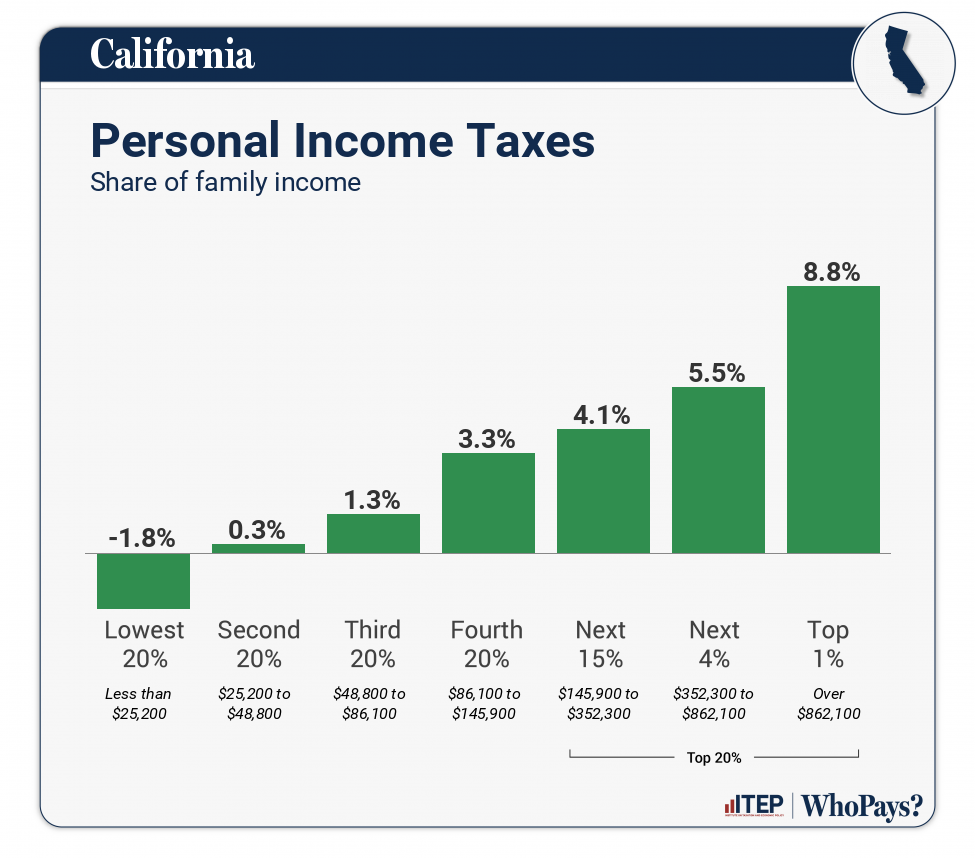
California has a progressive personal income tax system, meaning higher earners pay a larger percentage of their income in taxes. The state boasts some of the highest marginal income tax rates in the nation, with top earners facing a combined state and federal rate that significantly impacts their take-home pay. For individuals planning their career and financial future in California, understanding these rates is crucial for budgeting, saving, and investing. It directly affects the funds available for luxury experiences, family vacations, or even everyday expenses, shaping the kind of lifestyle one can afford.
Sales Tax: The Price of Goods and Services
Sales tax is perhaps the most ubiquitous tax encountered by everyone in California, from daily commuters to luxury shoppers. The statewide base sales tax rate is currently 7.25%, but local jurisdictions can add their own district taxes, pushing the combined rate significantly higher in many areas. For instance, a purchase made in San Diego might incur a different total sales tax than one made in Sacramento. This impacts the cost of almost everything you buy – from a cup of coffee to a new car, influencing your discretionary spending and overall lifestyle budget. Savvy shoppers and budget travelers factor this into their financial planning to avoid unexpected costs.
Property Tax: Homeownership and Rental Costs
Property taxes in California are governed by Proposition 13, which limits the base property tax rate to 1% of the property’s assessed value, plus additional local levies for bonds and special assessments. While this sounds favorable, property values in California are famously high, leading to substantial tax bills for homeowners. For those dreaming of homeownership in the state, understanding these costs is vital, as they represent a significant ongoing expense that impacts long-term financial stability and lifestyle choices. Even renters are indirectly affected, as landlords typically pass on property tax costs through higher rental rates. This directly influences the affordability of living in popular areas and the lifestyle choices available to residents.
Special Taxes: Fueling Specific Lifestyle Aspects
Beyond the major categories, California levies several special taxes that impact specific aspects of daily life and consumption.
- Gas Tax: California has one of the highest gas taxes in the U.S., which significantly impacts transportation costs. For those who enjoy road trips to Yosemite National Park or commute across sprawling metropolitan areas, this tax is a constant consideration, affecting their travel budget and even vehicle choice.
- Tobacco and Alcohol Taxes (Sin Taxes): These excise taxes are applied to specific goods, primarily to discourage consumption and generate revenue for public health initiatives. For individuals who consume these products, the taxes add to the cost, influencing their lifestyle choices and discretionary spending.
- Vehicle Registration Fees: Owning a car in California comes with annual registration fees, which are often higher for newer and more expensive vehicles. This adds another layer of cost to vehicle ownership, a fundamental aspect of lifestyle for many in a state designed for driving.
Beyond the Basics: Taxes for Specific Lifestyles and Situations
Different life stages and activities bring different tax considerations in California. Whether you’re a tourist exploring the coast, an entrepreneur building a business, or planning your estate, specific taxes will come into play, shaping your financial decisions and lifestyle.
The Traveler’s Tax Toolkit: Hotel, Rental Car, and Tourist Taxes
For tourists exploring California’s attractions like Disneyland or the vineyards of Napa Valley, several taxes specifically impact their travel budget. The most prominent is the Transient Occupancy Tax (TOT), often referred to as a hotel or lodging tax. This tax varies significantly by city and county, sometimes exceeding 15% in popular destinations. For example, staying in Beverly Hills will incur a different TOT than in a smaller, inland city. Additionally, rental cars come with various fees and taxes, which can substantially increase the quoted daily rate. Understanding these charges helps travelers budget accurately, ensuring their dream California vacation doesn’t come with unexpected financial surprises, allowing them to fully enjoy their chosen activities and experiences.
Business and Entrepreneurship: Corporate and Franchise Taxes
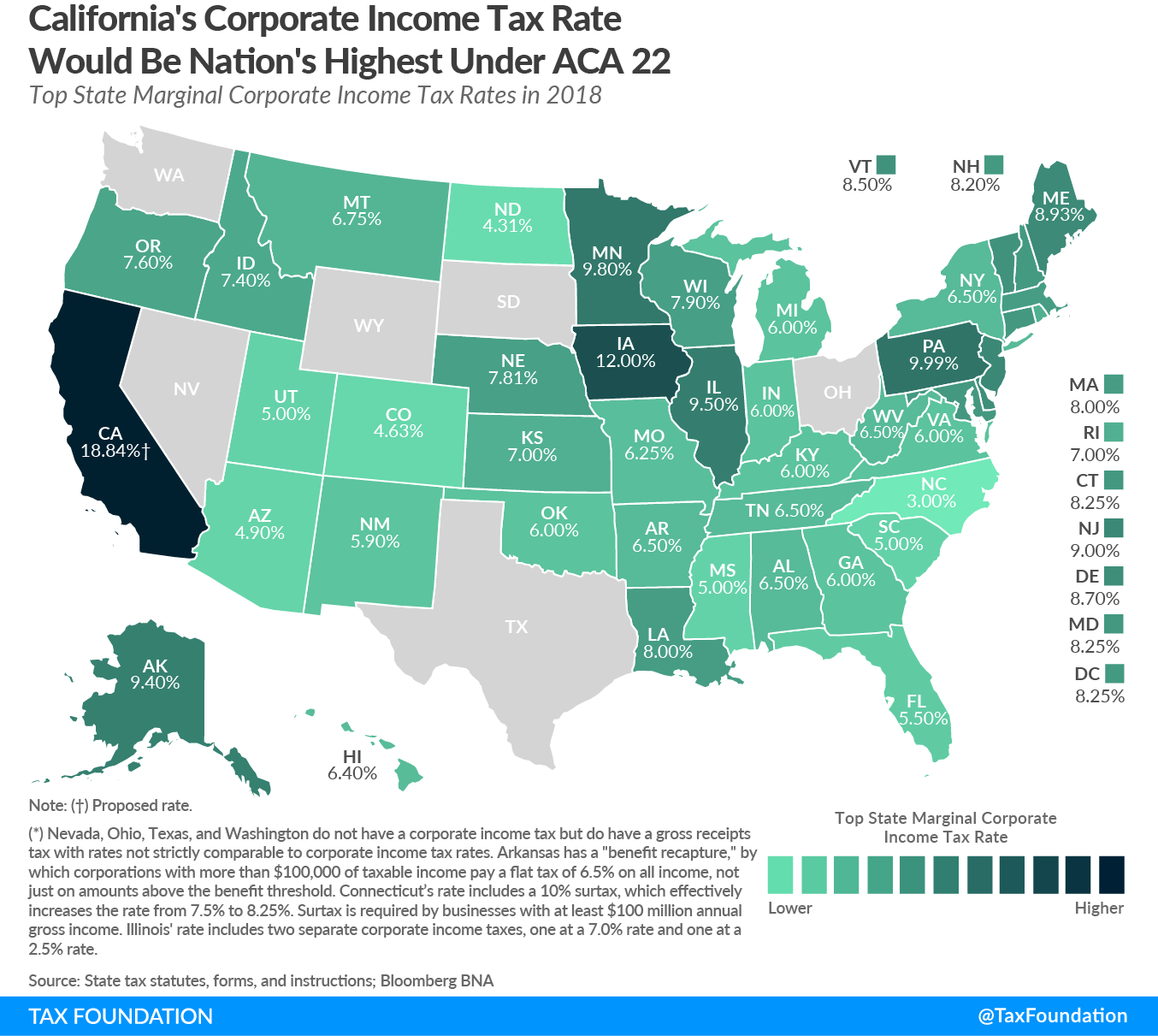
California is a hub for innovation and entrepreneurship, but businesses operating within the state face their own set of tax obligations. Corporate income tax, minimum franchise tax for corporations and LLCs, and various employment taxes (payroll taxes) are significant considerations. For entrepreneurs, startups, and established businesses, these taxes directly impact profitability, investment decisions, and the ability to expand or retain employees. This profoundly shapes the business lifestyle, influencing where companies choose to locate, how they structure their operations, and ultimately, their contribution to California’s economy.
Estate Planning and Wealth: Inheritance and Gift Tax Considerations
While California does not have its own inheritance or estate tax, residents are still subject to federal estate taxes. However, understanding the interplay of federal laws with California property laws, especially community property laws, is crucial for effective estate planning. For those with substantial assets, prudent financial and legal planning can significantly impact the legacy they leave behind and the financial well-being of their heirs, directly affecting the long-term lifestyle of future generations. Gift taxes are primarily a federal concern, but they are an important consideration in wealth transfer strategies for residents of California.
Managing Your Tax Burden: Tips for a Savvy California Lifestyle
Living or visiting California doesn’t have to mean succumbing to an overwhelming tax burden. With careful planning and informed decisions, individuals can effectively manage their taxes, optimizing their financial resources to enhance their chosen lifestyle.
Budgeting for Taxes: Financial Planning for Residents and Visitors
The first step to managing taxes is integrating them into your overall financial plan. For residents, this means setting aside sufficient funds for income and property taxes, and factoring sales tax into everyday purchases. For visitors, it involves researching and accounting for transient occupancy taxes, sales taxes, and rental car fees when planning travel budgets. Using online tax calculators and consulting with financial advisors can provide a clear picture of expected obligations, enabling a more predictable and enjoyable California lifestyle without financial stress.
Leveraging Deductions and Credits
California offers various deductions and credits that can reduce an individual’s taxable income or tax liability. These can include deductions for mortgage interest, certain medical expenses, charitable contributions, and state and local taxes (within federal limits). Tax credits, such as the Earned Income Tax Credit (EITC) or child care credits, can directly reduce the amount of tax owed. Staying informed about eligibility for these benefits can significantly lower one’s tax burden, freeing up more funds for personal enjoyment, savings, or investment, thus enhancing their lifestyle.
Staying Informed: Resources for Taxpayers
The tax laws in California are dynamic and subject to change. Regularly consulting official sources like the California Franchise Tax Board (FTB) for income tax information and the California Department of Tax and Fee Administration (CDTFA) for sales and special taxes is crucial. Professional tax preparers and financial planners specializing in California tax law can also provide invaluable guidance. By proactively managing their tax knowledge, individuals can make informed decisions that support their financial goals and ultimately, their desired lifestyle in the Golden State.
In conclusion, “What Is Tax In California?” is a question with multifaceted answers, deeply intertwined with the lifestyle choices available in the state. From the high income tax rates for residents to the sales and transient occupancy taxes impacting visitors, every financial interaction carries a tax implication. By understanding these various levies, individuals can navigate California’s financial landscape with confidence, ensuring that their experience in this vibrant state is as fulfilling and financially manageable as possible.
LifeOutOfTheBox is a participant in the Amazon Services LLC Associates Program, an affiliate advertising program designed to provide a means for sites to earn advertising fees by advertising and linking to Amazon.com. Amazon, the Amazon logo, AmazonSupply, and the AmazonSupply logo are trademarks of Amazon.com, Inc. or its affiliates. As an Amazon Associate we earn affiliate commissions from qualifying purchases.