
Alaska, the United States’ largest and northernmost state, is a land of unparalleled natural beauty, extreme wilderness, and a climate as diverse and captivating as its landscapes. For any traveler contemplating a journey to the “Last Frontier,” understanding the temperature in Alaska is not merely a matter of curiosity; it is absolutely foundational to planning a safe, enjoyable, and unforgettable tourism experience. From the balmy, almost Mediterranean summers of its interior to the bone-chilling cold of its Arctic reaches, Alaska’s temperatures dictate everything from the clothing you pack to the activities you pursue, and even the very feasibility of travel to certain remote destinations. Delving into Alaska’s climatic nuances empowers tourists to make informed decisions, ensuring they are adequately prepared to embrace the full spectrum of adventures this magnificent state offers, regardless of the season or region.
Understanding Alaska’s Diverse Climates for Tourists
Alaska’s sheer size and geographical complexity mean that there isn’t a single, monolithic “Alaskan temperature.” Instead, the state encompasses several distinct climate zones, each with its own characteristic temperature patterns, influenced by latitude, proximity to the ocean, and mountainous terrain. Understanding these regional and seasonal variations is paramount for tourists planning their itinerary, as it directly impacts what one can expect to see and do.
A Land of Extremes: Geographic Influences on Temperature
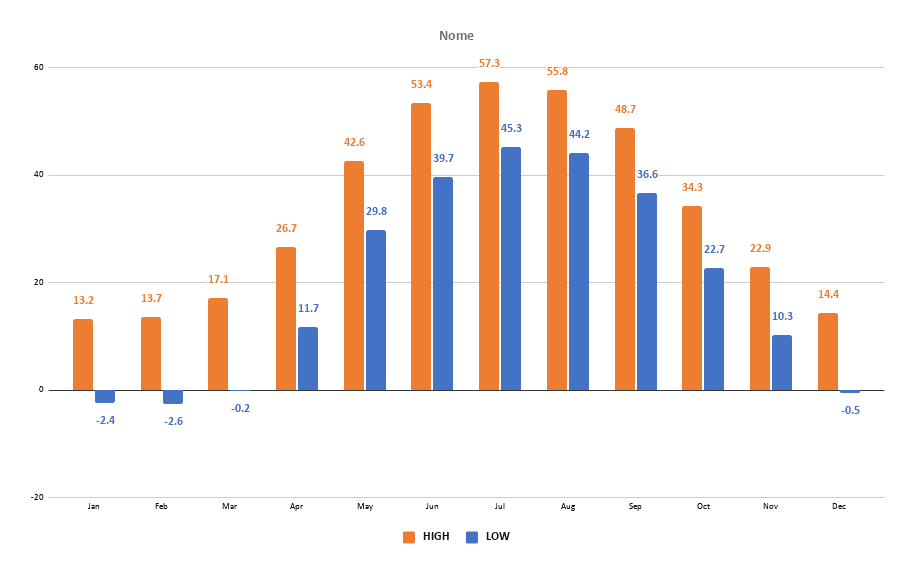
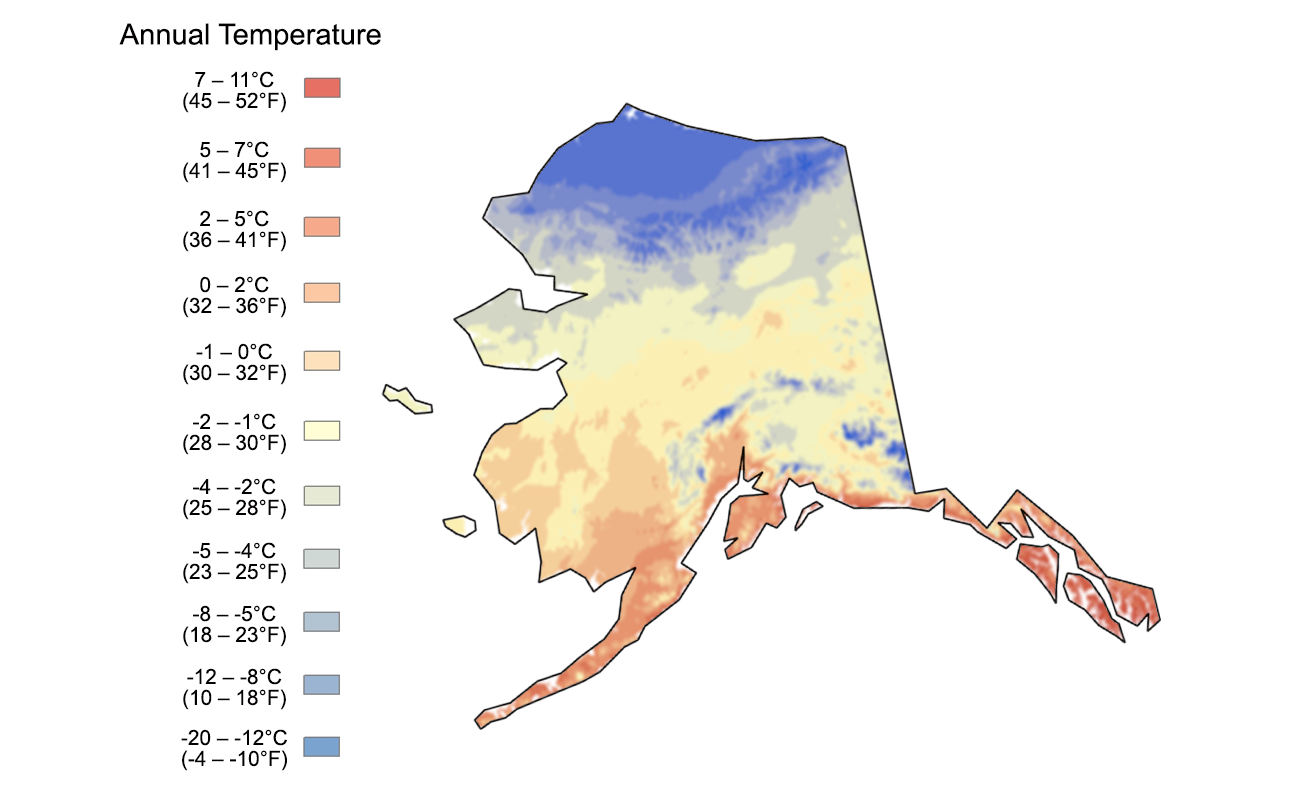
The vast expanse of Alaska is broadly divided into three primary climatic regions, each presenting a unique thermal profile. The Coastal Region, extending along the Pacific Ocean and the Gulf of Alaska, experiences a maritime climate. This means milder winters and cooler summers, with significant precipitation. Cities like Juneau, Ketchikan, and Sitka fall within this zone. The warming influence of the Pacific Ocean keeps temperatures relatively moderate compared to other parts of the state, rarely dipping below 0°F (-18°C) even in winter.
Moving inland, the Interior Region is characterized by a continental climate, marked by extreme temperature swings. Here, the moderating influence of the ocean is absent, leading to bitterly cold winters and surprisingly warm summers. Fairbanks, the largest city in the interior, frequently sees winter temperatures plummeting to -20°F (-29°C) to -50°F (-46°C) or even colder, while summer days can comfortably reach into the 70s°F (20s°C), sometimes even hitting the 80s°F (high 20s°C) or 90s°F (low 30s°C). This dramatic diurnal and seasonal variation is a defining feature of inland travel.
Finally, the Arctic Region (or North Slope), stretching along the Arctic Ocean, is home to a polar climate. This area experiences consistently cold temperatures year-round, with very short, cool summers and long, extremely cold winters. Towns like Utqiagvik (formerly known as Barrow) endure average winter temperatures well below 0°F (-18°C) for months, often dipping to -40°F (-40°C) or lower, exacerbated by wind chill. Even in summer, temperatures rarely climb above 50°F (10°C). The omnipresence of permafrost underscores the perpetually frozen nature of this starkly beautiful landscape.
Seasonal Temperature Variations: Planning Your Visit
Beyond geographical distinctions, seasonal shifts profoundly influence Alaska’s temperatures and, consequently, the tourist experience. Each season unveils a different facet of the state, requiring specific preparation.
- Winter (November-March): This is Alaska’s coldest season, particularly in the interior and Arctic. Temperatures across the state can range from relatively mild 20s°F (-6°C) in coastal areas to extreme lows of -40°F (-40°C) or colder inland. While challenging, winter offers unique tourism opportunities like viewing the Aurora Borealis, dog sledding, and ice fishing.
- Spring (April-May) & Autumn (September-October): These shoulder seasons are transitional. Spring sees temperatures gradually rising, snowmelt, and the reawakening of wildlife. Autumn brings vibrant fall foliage and cooler, crisp air before winter’s onset. Temperatures during these months are typically milder, ranging from 30s-50s°F (0-10°C), making them ideal for hiking and photography, though weather can be unpredictable.
- Summer (June-August): Surprisingly, Alaskan summers can be quite warm, especially in the interior. Anchorage and Fairbanks often experience temperatures in the 60s°F (15-20°C) to 70s°F (20-25°C), with occasional spikes into the 80s°F (25-30°C). Coastal areas remain cooler, typically in the 50s-60s°F (10-20°C). The long daylight hours, sometimes referred to as the “midnight sun,” allow for extended outdoor activities like hiking, fishing, and wildlife viewing.
Preparing for Alaskan Temperatures: Essential Gear and Tips
Successfully navigating Alaska’s diverse temperatures hinges on smart packing and an understanding of cold-weather safety. Tourists must adapt their gear not just to the season, but also to the specific region they plan to visit, remembering that conditions can change rapidly.
Layering for Success: The Key to Comfort
The most crucial advice for dressing in Alaska is to dress in layers. This allows tourists to adjust their clothing easily as temperatures fluctuate throughout the day or as their activity level changes. A good layering system typically consists of three components:
- Base Layer: Worn next to the skin, this layer wicks moisture away to keep you dry. Materials like merino wool or synthetic fabrics (e.g., polyester) are ideal. Avoid cotton, as it absorbs moisture and loses its insulating properties when wet.
- Mid-Layer: This provides insulation. Fleece jackets, wool sweaters, or down vests are excellent choices. Depending on the temperature, you might need one or multiple mid-layers.
- Outer Layer: This is your protective shell against wind, rain, and snow. It should be waterproof and windproof. Gore-Tex or similar breathable, weatherproof fabrics are highly recommended. A good quality parka is essential for winter travel in the interior or Arctic.
Protecting Extremities: Hands, Feet, and Head
Heat loss from extremities can significantly impact overall comfort and safety. Tourists should pay particular attention to:
- Headwear: A warm hat (wool or fleece) is essential, as a significant amount of body heat can be lost through the head. For extreme cold, consider a balaclava.
- Hands: Gloves are usually sufficient for milder conditions, but mittens offer superior warmth in colder temperatures because they keep your fingers together. Waterproof gloves or mittens are a must for wet conditions.
- Feet: Insulated, waterproof boots are critical, especially in winter or during spring snowmelt. Look for boots rated for temperatures colder than you expect to encounter. Pair them with moisture-wicking wool or synthetic socks, avoiding cotton. Carry extra pairs of socks.
Safety Considerations: Avoiding Cold-Related Risks
Beyond comfort, understanding Alaska’s temperatures is vital for safety. Tourists should be aware of cold-related risks and how to mitigate them:
- Hypothermia and Frostbite: These are serious concerns in cold environments. Know the symptoms: shivering, confusion, slurred speech for hypothermia; numbness, white or grayish-yellow skin for frostbite. Carry emergency supplies, stay dry, and dress warmly.
- Staying Hydrated and Nourished: Cold weather can suppress thirst cues, but hydration is just as important as in warm climates. Carry water and drink regularly. Bring high-energy snacks to fuel your body and help maintain core temperature.
- Wind Chill: Always factor in wind chill, which makes the ambient temperature feel much colder. Pay attention to weather forecasts that include wind chill values.
Seasonal Activities Driven by Temperature
Alaska’s tourism offerings are intrinsically linked to its seasonal temperatures. Each period unlocks a unique set of adventures, allowing visitors to tailor their trip to their preferred activities and desired experiences.
Winter Wonderland: Embracing the Cold
When temperatures drop, Alaska transforms into a pristine winter playground. The cold, crisp air often heralds clear skies, perfect for viewing the spectacular Aurora Borealis, particularly in the interior around Fairbanks, which sits beneath the “Aurora Oval.” Winter sports are king, with opportunities for dog sledding (from short tours to witnessing the iconic Iditarod Trail Sled Dog Race), cross-country skiing, snowshoeing, and ice fishing. Unique cultural events like the Anchorage Fur Rendezvous also embrace the winter spirit, celebrating Alaska’s heritage amidst the snow and cold. These activities require proper cold-weather gear and an appreciation for the serene beauty of a snow-covered landscape.
Summer Splendor: Exploring in Warmer Weather
As temperatures rise and the days lengthen, Alaska bursts with life, offering a completely different range of activities. Summer is the peak season for hiking through lush forests and alpine tundra, with destinations like Denali National Park becoming accessible. Wildlife viewing is at its prime, as bears, moose, caribou, and a myriad of bird species are active. Coastal cruises along the Inside Passage or into the Prince William Sound allow for unparalleled opportunities to see whales, sea otters, and calving glaciers. Kayaking, rafting, and world-class fishing (especially for salmon and halibut) are immensely popular, taking advantage of the navigable waterways and warmer temperatures. The longer daylight hours mean more time for exploration, making summer an ideal time for expansive outdoor adventures.
Regional Temperature Spotlights for Tourist Planning
To refine travel plans, it’s beneficial for tourists to understand specific temperature characteristics of key regions within Alaska.
Coastal Regions: Milder, Wetter Winters
The southeastern panhandle and south-central coast, including cities like Juneau, Ketchikan, Sitka, and Valdez, benefit from the moderating influence of the Pacific Ocean. While winters are relatively mild (average temperatures often in the 20s-30s°F / -6 to 4°C), they are also quite wet, with significant rainfall and snowfall. Summers are cool and frequently overcast, typically in the 50s-60s°F (10-18°C). This climate is ideal for rainforest hikes, glacier viewing (such as Mendenhall Glacier near Juneau), and marine wildlife excursions, requiring excellent rain gear year-round.
Interior Alaska: Extreme Continental Swings
Regions around Fairbanks, Anchorage, and Denali National Park experience the most dramatic temperature variations. Winter temperatures regularly plunge below 0°F (-18°C), making cold-weather sports and aurora viewing primary attractions. Summers, surprisingly, can be quite warm, with daytime highs often in the 70s°F (20s°C), making it perfect for hiking, camping, and exploring the vast wilderness. Tourists visiting the interior need to be prepared for both extremes, carrying robust winter gear for cold seasons and lighter, breathable clothing for summer, while still packing layers for evening chills.
Arctic North Slope: Perpetually Cold and Icy
For the truly adventurous, the Arctic North Slope offers a unique, albeit consistently cold, experience. Towns like Utqiagvik (formerly Barrow) face average winter temperatures from -10°F to -20°F (-23°C to -29°C), often with severe wind chill, and even summer highs barely reach the 40s°F (4-9°C). Travel here is primarily for specialized interests like polar bear viewing, experiencing the midnight sun or polar night, and understanding Indigenous Arctic cultures. Extreme cold-weather gear is absolutely non-negotiable, and travel is often reliant on air transport due to challenging ground conditions.
Climate Change and its Impact on Alaskan Tourism
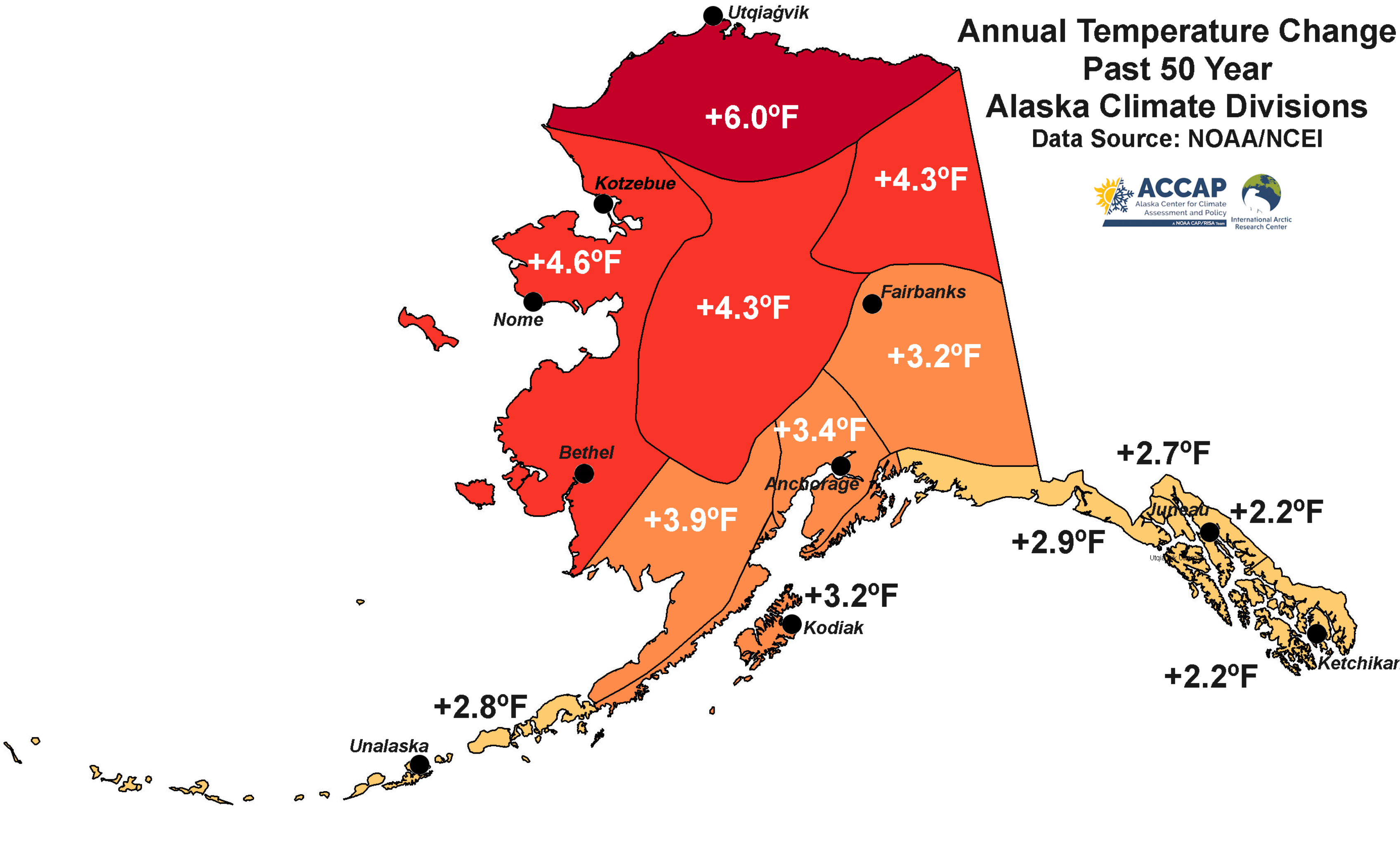
Alaska is at the forefront of climate change, experiencing warming temperatures at twice the rate of the global average. This phenomenon is already having profound effects on its natural environment and, consequently, on the tourism industry.
Shifting Seasons and Environmental Changes
Rising temperatures are leading to significant environmental shifts across Alaska. Glaciers, like the iconic Mendenhall Glacier, are receding at an accelerated pace, altering landscapes that have long been tourist attractions. Permafrost thaw destabilizes infrastructure and changes ecosystems. Sea ice is diminishing, impacting Arctic wildlife like polar bears and walruses, which are central to some tourism experiences. These changes not only alter the physical beauty of the state but also affect wildlife migration patterns and the timing of seasonal events, potentially shifting the optimal periods for certain tourism activities.
Adapting Tourism Practices
The Alaskan tourism sector is actively working to adapt to these changes. Tour operators are modifying itineraries to account for changing ice conditions, glacier accessibility, and wildlife distribution. There’s an increasing emphasis on sustainable tourism practices, educating visitors about the environmental challenges Alaska faces and promoting responsible travel to minimize impact. As temperatures continue to evolve, future tourists may find different landscapes and activities than those enjoyed by previous generations. Understanding this dynamic context is crucial for a comprehensive and responsible tourism experience in Alaska, allowing visitors to appreciate its present beauty while recognizing the importance of conservation for its future.
In conclusion, “What is temperature in Alaska?” is a question with a complex and fascinating answer. It is a story of geographical extremes, seasonal transformations, and the enduring resilience of both nature and the human spirit. For any tourist, arming oneself with this knowledge is the first step towards unlocking the unparalleled majesty and adventure that Alaska so generously offers.
LifeOutOfTheBox is a participant in the Amazon Services LLC Associates Program, an affiliate advertising program designed to provide a means for sites to earn advertising fees by advertising and linking to Amazon.com. Amazon, the Amazon logo, AmazonSupply, and the AmazonSupply logo are trademarks of Amazon.com, Inc. or its affiliates. As an Amazon Associate we earn affiliate commissions from qualifying purchases.