
New Orleans, a city steeped in history, vibrant culture, and undeniable charm, beckons travelers with its unique blend of Southern hospitality and Caribbean flair. While the allure of jazz music, delicious Creole cuisine, and historic architecture often draws visitors, understanding the prevailing weather conditions is crucial for planning an unforgettable trip. The climate of New Orleans, influenced by its Gulf Coast location, presents distinct seasons, each offering a different facet of the city’s personality. From the sweltering heat of summer to the mild, pleasant breezes of spring and fall, and the occasional chill of winter, the weather plays a significant role in shaping the New Orleans experience.

The Rhythm of the Seasons: Understanding New Orleans’ Climate
New Orleans experiences a subtropical humid climate, characterized by hot, humid summers and mild winters. The city receives a substantial amount of rainfall throughout the year, with distinct wet and dry periods that contribute to its lush greenery and the characteristic humidity. Understanding these seasonal shifts will allow you to pack appropriately, plan your outdoor activities, and truly immerse yourself in the magic of the Crescent City.
Summer: The Sultry Embrace of the Sun
Summer in New Orleans, typically spanning from June through August, is undeniably hot and humid. Average temperatures frequently soar into the high 80s and low 90s Fahrenheit (around 30-35 Celsius), with the humidity often making it feel even warmer. The air is thick, and afternoon thunderstorms are a common occurrence, providing brief but intense bursts of rain that offer a temporary respite from the heat. These storms are often short-lived, however, and the sun quickly reappears.
Despite the heat, summer is a vibrant time to visit New Orleans. The city buzzes with energy, and many of its most famous festivals and events take place during these months. Visitors can enjoy the lively music scene in the French Quarter, explore museums, or indulge in the city’s culinary delights. It’s advisable to stay hydrated, seek out air-conditioned spaces during the hottest parts of the day, and plan outdoor activities for the cooler morning and evening hours.
Fall: A Gentle Transition to Cooler Days
As summer’s intensity begins to wane, New Orleans transitions into its fall season, generally from September through November. This is often considered one of the most pleasant times to visit the city. Temperatures gradually cool down, with average highs in the 70s and 80s Fahrenheit (20-28 Celsius) and comfortable evenings dipping into the 60s Fahrenheit (15-20 Celsius). The humidity also recedes, making it far more comfortable for exploring the charming streets and enjoying outdoor dining.
Fall in New Orleans is a time of rich cultural experiences. The city hosts a number of significant festivals and events, including the renowned New Orleans Jazz & Heritage Festival (though it often extends into late spring) and various Halloween celebrations that imbue the city with an extra layer of spooky enchantment. The fall foliage, while not as dramatic as in some other regions, adds a subtle beauty to the city’s parks and oak-lined avenues.
Winter: Mild Comfort and Festive Cheer
The winter months in New Orleans, from December to February, are characterized by mild temperatures. While it is the coolest time of year, true cold is rare. Average daytime temperatures typically range from the 50s to the low 70s Fahrenheit (10-22 Celsius). Frost is uncommon, and snow is an exceptionally rare event. This makes winter an appealing time for those seeking to escape harsher climates.
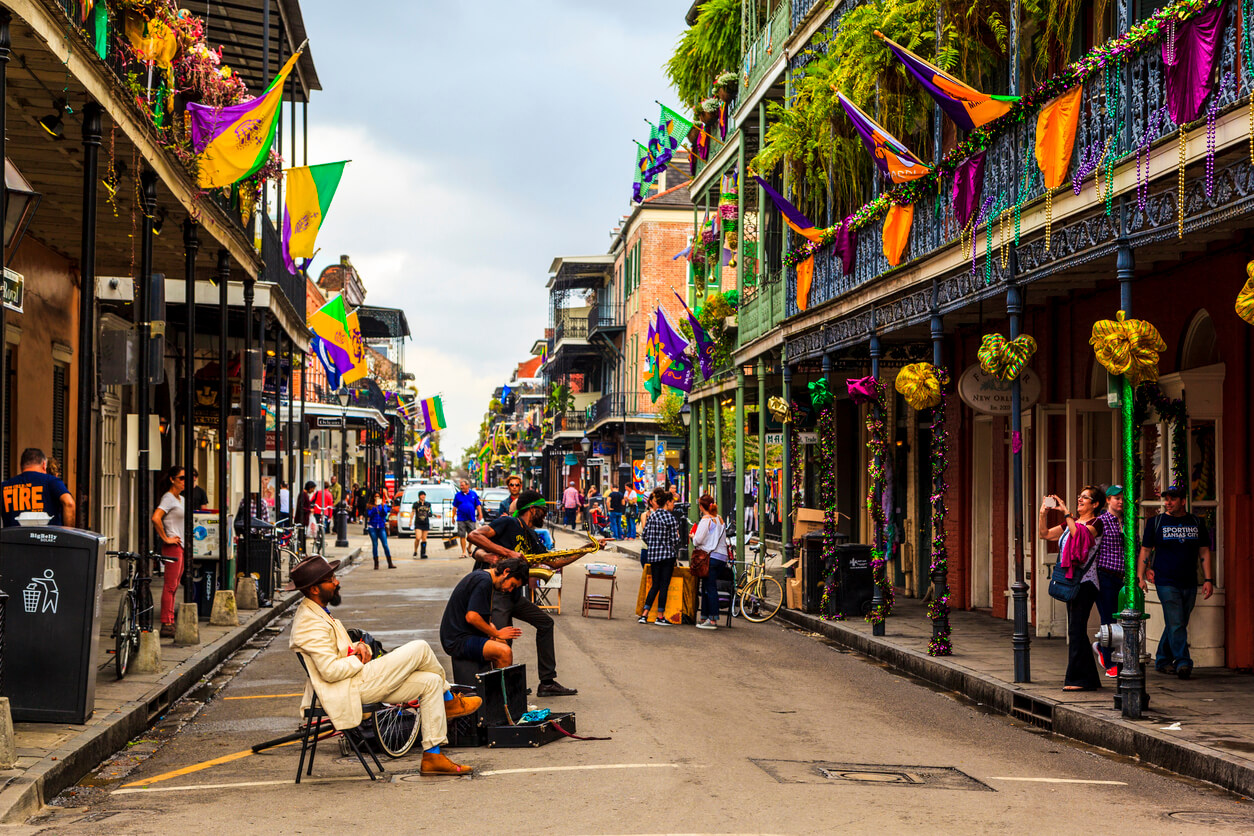
Winter is a particularly magical time in New Orleans due to the festive atmosphere surrounding the holiday season. The city comes alive with elaborate Christmas decorations, festive music, and the world-famous Mardi Gras celebrations, which often begin in earnest in January. The milder weather is perfect for strolling through the historic neighborhoods like the Garden District, visiting plantations along the Great River Road, or enjoying a leisurely streetcar ride.
Spring: A Flourishing of Life and Warmth
Spring in New Orleans, from March to May, is another period of delightful weather. The city reawakens with blooming flowers and vibrant greenery. Temperatures gradually warm up, with average highs in the 70s and 80s Fahrenheit (20-28 Celsius), and evenings remain pleasant. While there’s a chance of rain, it’s generally less intense than the summer thunderstorms.
This season is ideal for outdoor exploration. The city’s many parks, such as City Park, are at their most beautiful. The French Quarter and Faubourg Marigny are perfect for leisurely walks, and riverboat cruises on the Mississippi River are a wonderful way to experience the city’s charm. Spring also hosts some of New Orleans’ most celebrated events, including the aforementioned New Orleans Jazz & Heritage Festival, attracting music lovers from around the globe.

Precipitation Patterns: Rain’s Role in the Crescent City
New Orleans receives a significant amount of rainfall throughout the year, with a generally wetter period in the summer and a drier period in the fall. The city’s location near the Gulf of Mexico means that it is susceptible to tropical storms and hurricanes during the Atlantic hurricane season, which officially runs from June 1st to November 30th.
Summer Showers and Tropical Influence
The summer months are the wettest, characterized by frequent afternoon thunderstorms. These storms, often accompanied by lightning and heavy downpours, are a natural part of the subtropical climate and help to alleviate the intense heat. However, the potential for more significant rainfall exists with the possibility of tropical systems developing in the Gulf. Visitors during this time should be prepared for sudden, intense rain showers and monitor weather forecasts closely.
Winter and Spring Rainfall
Winter and spring also see their share of rainfall, though typically in less dramatic fashion than summer downpours. These periods can bring steady rain, contributing to the lushness of the surrounding landscape. While the hurricane season officially ends in November, the possibility of late-season storms cannot be entirely discounted. Planning for rain with an umbrella or rain jacket is always a wise precaution when visiting New Orleans at any time of year.
Planning Your Visit: Packing and Activity Considerations
Understanding the nuances of New Orleans’ weather is key to ensuring a comfortable and enjoyable trip. By aligning your visit with the season that best suits your preferences, you can maximize your experience of this captivating city.
Seasonal Packing Essentials
For summer visits, lightweight, breathable clothing is a must. Think cotton t-shirts, shorts, and sundresses. A wide-brimmed hat and sunglasses will provide essential sun protection. For the frequent rain showers, a light, packable rain jacket or umbrella is indispensable. Comfortable walking shoes are crucial, as you’ll be doing a lot of exploring on foot.
During the fall and spring, packing becomes a bit more versatile. Layers are recommended, as temperatures can fluctuate throughout the day. A light sweater or jacket for cooler evenings is advisable, along with comfortable daytime attire. Even during these milder seasons, a light rain jacket is a sensible addition to your luggage.
For winter visits, pack warmer layers. While you won’t need heavy winter coats, a medium-weight jacket, sweaters, and long pants will ensure comfort. Again, comfortable walking shoes are paramount. Even in winter, a light rain gear is a good idea, as unexpected showers can occur.
Activities Tailored to the Climate
When visiting during the hot and humid summer, it’s wise to schedule outdoor activities for the cooler parts of the day. Mornings are ideal for exploring the French Quarter, visiting historical sites, or enjoying a beignet at Café Du Monde. Afternoons can be dedicated to museum visits, art galleries, or relaxing in air-conditioned restaurants and shops. Evenings come alive with live music and dining.
Fall and spring offer the most flexibility for outdoor activities. Long walks through charming neighborhoods, leisurely bike rides, garden tours, and boat excursions are all highly enjoyable during these seasons. The pleasant temperatures make it easy to spend extended periods outdoors without feeling overwhelmed by the heat or cold.
Winter provides a wonderful opportunity to experience the city’s indoor attractions and festive events. The mild weather is still conducive to exploring the historic streets and enjoying outdoor dining, but the cooler temperatures make it especially pleasant for visiting museums, historical houses, and attending any of the numerous concerts and performances.
Ultimately, regardless of when you choose to visit New Orleans, the city’s unique charm and vibrant spirit will undoubtedly leave a lasting impression. By being prepared for its distinctive weather patterns, you can fully embrace the magic of the Crescent City and create memories that will last a lifetime.
LifeOutOfTheBox is a participant in the Amazon Services LLC Associates Program, an affiliate advertising program designed to provide a means for sites to earn advertising fees by advertising and linking to Amazon.com. Amazon, the Amazon logo, AmazonSupply, and the AmazonSupply logo are trademarks of Amazon.com, Inc. or its affiliates. As an Amazon Associate we earn affiliate commissions from qualifying purchases.