
San Francisco, a city renowned for its iconic Golden Gate Bridge and vibrant culture, often presents a unique climate puzzle to visitors. The question “What is temperature in San Francisco?” is far more complex than a simple average. Its coastal location, proximity to the Pacific Ocean, and hilly topography create a microclimate that can be surprisingly varied, even within the city limits. Understanding these nuances is crucial for any traveler aiming to pack appropriately and fully enjoy their San Francisco experience.
The Pacific Influence: A Constant Chill
The most significant factor shaping San Francisco’s temperature is its position on the coast of the Pacific Ocean. The cold California Current flows southward along the coast, bringing with it cool, moist air. This oceanic influence is a dominant force, preventing the extreme heat often experienced in inland California cities.
The Marine Layer: San Francisco’s Signature Fog
This cool oceanic air, combined with the temperature difference between the land and sea, creates the famous San Francisco marine layer, often manifesting as thick fog. This fog is most prevalent during the summer months, typically rolling in during the late afternoon and evening, and often dissipating by late morning.
- Summer (June-August): While many associate summer with heat, San Francisco often experiences its coolest temperatures during this season due to the persistent fog. Coastal neighborhoods like the Richmond District and the Sunset District are particularly susceptible to this cool, damp air. Daytime highs can hover in the mid-60s Fahrenheit (around 18-20°C), with evenings often dropping into the 50s Fahrenheit (10-15°C).
- Winter (December-February): Winter temperatures are remarkably mild. Freezing temperatures are exceptionally rare, and snow is practically unheard of. Daytime highs typically range from the low to mid-50s Fahrenheit (10-13°C), with overnight lows seldom dropping below the 40s Fahrenheit (4-9°C). Rainfall is more common, contributing to the city’s lush green hills.
The Impact on Coastal Areas
Neighborhoods closest to the ocean, such as those along the western edge of the city, will almost always be cooler and foggier, especially during the summer. This is where the marine layer has its most direct and dramatic effect. Even on a warm day inland, a visit to the Golden Gate Park or the Presidio might require a jacket.
The Bay Effect: Warmer Pockets and Microclimates
While the Pacific is the primary temperature driver, the San Francisco Bay also plays a significant role, creating distinct microclimates within the city.
Inland vs. Coastal Temperatures
As you move eastward, away from the direct influence of the Pacific, temperatures tend to rise. Neighborhoods situated closer to the Bay, such as the Financial District, North Beach, and the Mission District, often experience warmer and sunnier conditions, especially in the mornings and afternoons.
- Summer Contrast: A typical summer day might see the western side of the city shrouded in fog with temperatures in the 60s Fahrenheit, while the eastern side bakes in sunshine with temperatures reaching the 70s or even low 80s Fahrenheit (21-28°C). This can lead to situations where a visitor might need to wear a sweater in one part of the city and short sleeves in another.
- Spring and Fall: These transitional seasons often offer the most pleasant weather across the entire city. The fog can still be present, but it is often less persistent, allowing for warmer days and cooler, crisp evenings. This is often considered the ideal time to visit for those who prefer mild temperatures and sunshine.
The Role of Topography
San Francisco’s famous hills also contribute to its microclimates. Higher elevations can be cooler and windier, while valleys and sheltered areas might retain more warmth. The city’s topography means that wind patterns can also create localized temperature differences, with exposed ridges feeling significantly cooler than areas protected from the breeze.
Seasonal Temperature Breakdown
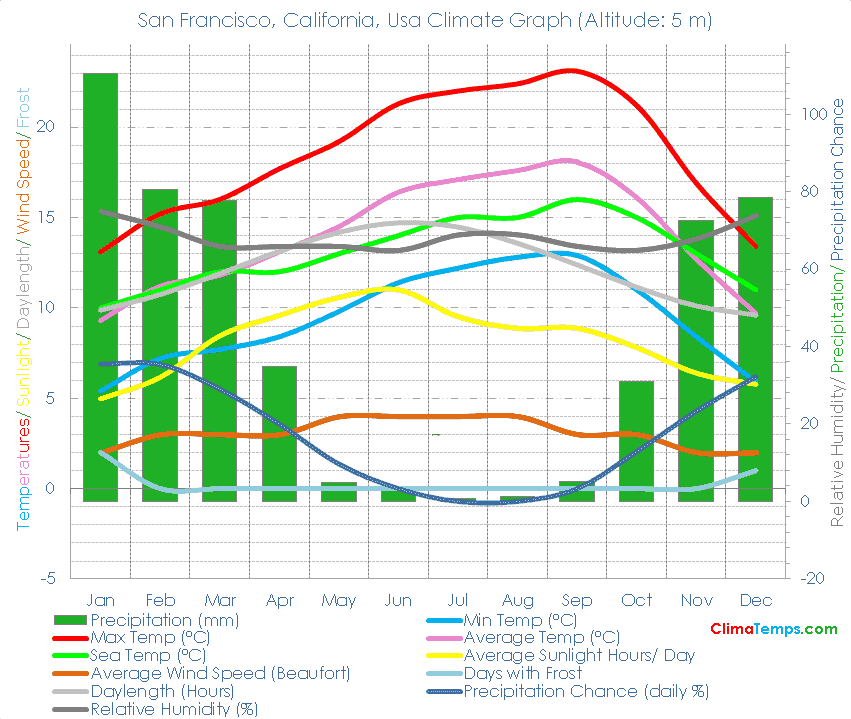
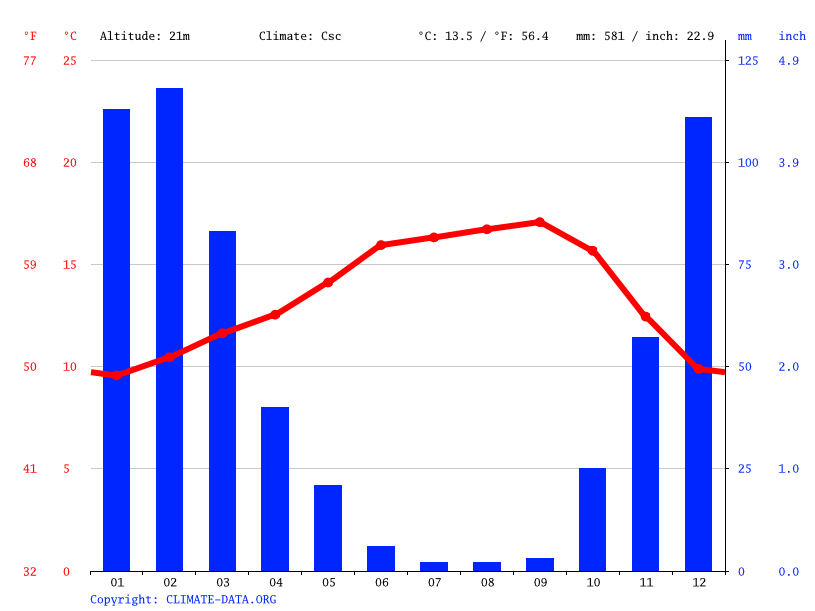
To provide a more granular understanding, let’s break down the typical temperature ranges by season. These figures represent average daily high temperatures.
Spring (March-May)

Spring in San Francisco is characterized by a gradual warming trend, though the marine layer can still be a significant factor, especially in April and May.
- March: Highs typically range from 58-62°F (14-17°C). Rainfall starts to decrease.
- April: Temperatures remain similar, 59-63°F (15-17°C), but this is often when the “June Gloom” (or in this case, April Gloom) begins to set in, with persistent morning fog.
- May: A slight warming, 60-65°F (16-18°C), but fog can still dominate the mornings and evenings.
Summer (June-August)
Summer is often the foggiest and coolest season in San Francisco, contrary to what many visitors expect.
- June: Highs hover around 62-66°F (17-19°C). The fog is at its peak.
- July: Similar temperatures, 62-67°F (17-19°C), with fog a daily occurrence.
- August: The warmest month on average, with highs around 64-68°F (18-20°C), but still heavily influenced by the marine layer.
Autumn (September-November)
Autumn is frequently considered the most beautiful and pleasant season, often referred to as “San Francisco’s summer.” The fog typically recedes, and warmer, sunnier days prevail.
- September: The warmest month, with highs averaging 66-70°F (19-21°C). The fog is less frequent, especially later in the month.
- October: Still very pleasant, with highs in the 65-69°F (18-20°C) range. This is a prime time for outdoor activities.
- November: Temperatures begin to cool slightly, 61-65°F (16-18°C), and rainfall chances increase.
Winter (December-February)
Winter in San Francisco is mild and wet, with cool temperatures and the highest probability of rain.
- December: Highs typically range from 55-59°F (13-15°C). Occasional rain showers are common.
- January: The coolest month, with highs around 54-58°F (12-14°C). Rainfall is most frequent.
- February: Temperatures begin to rebound slightly, 56-60°F (13-16°C), with a decrease in rainfall.
Packing for San Francisco’s Climate
Given the variability and the prevalence of cool breezes, layering is the golden rule for packing for San Francisco.
Essential Wardrobe Items
- Light Jacket or Sweater: A must-have, regardless of the season. A fleece jacket, a stylish cardigan, or a windbreaker will be your best friend.
- Long-Sleeved Shirts: Perfect for layering under a jacket or wearing on their own during milder moments.
- Comfortable Trousers or Jeans: Suitable for most activities.
- Closed-Toe Shoes: Essential for walking the city’s hills and often a good choice for staying warm.
- Scarf: A light scarf can add warmth and style.
- Umbrella or Raincoat: Particularly important for visits during the winter months (November through March).
What to Leave Behind
- Heavy Winter Coats: Unless you are visiting during an exceptionally rare cold snap, a heavy winter coat is usually unnecessary and can be cumbersome.
- Shorts and Tank Tops (in Summer): While you might see locals wearing them on particularly warm days, it’s wise to pack more layers for the ubiquitous cool ocean air.
Planning Your Itinerary with Temperature in Mind
When planning activities, consider the microclimates. If you plan to visit attractions on the western side, like the California Academy of Sciences or walk along the coast near the Cliff House, be prepared for cooler temperatures. Conversely, if your itinerary focuses on exploring neighborhoods like Hayes Valley or enjoying the vibrant nightlife in the SoMa district, you might find warmer conditions. Always check the local forecast for specific neighborhoods on the day of your activities, as temperatures can vary significantly from one part of the city to another. Embracing San Francisco’s unique climate is part of its charm, and with the right preparation, visitors can enjoy its many wonders year-round.
LifeOutOfTheBox is a participant in the Amazon Services LLC Associates Program, an affiliate advertising program designed to provide a means for sites to earn advertising fees by advertising and linking to Amazon.com. Amazon, the Amazon logo, AmazonSupply, and the AmazonSupply logo are trademarks of Amazon.com, Inc. or its affiliates. As an Amazon Associate we earn affiliate commissions from qualifying purchases.