
The aroma of simmering spices, the rich, deep color, and the unmistakable heartiness – this is the essence of Texas chili. But to truly understand what makes Texas chili, Texas chili, one must delve beyond a simple definition. It’s not just a dish; it’s a culinary declaration, a point of pride, and a reflection of the state’s robust history and culture. Unlike its more common counterparts, Texas chili famously forgoes beans and tomatoes, focusing instead on the pure, unadulterated flavor of quality meat, a symphony of chilies, and a carefully balanced blend of spices. This is a dish that speaks of the open range, of cowboys and cattle drives, and of a heritage that values simplicity, intensity, and flavor that lingers long after the last bite.

The Heart of the Matter: Meat and Chilies
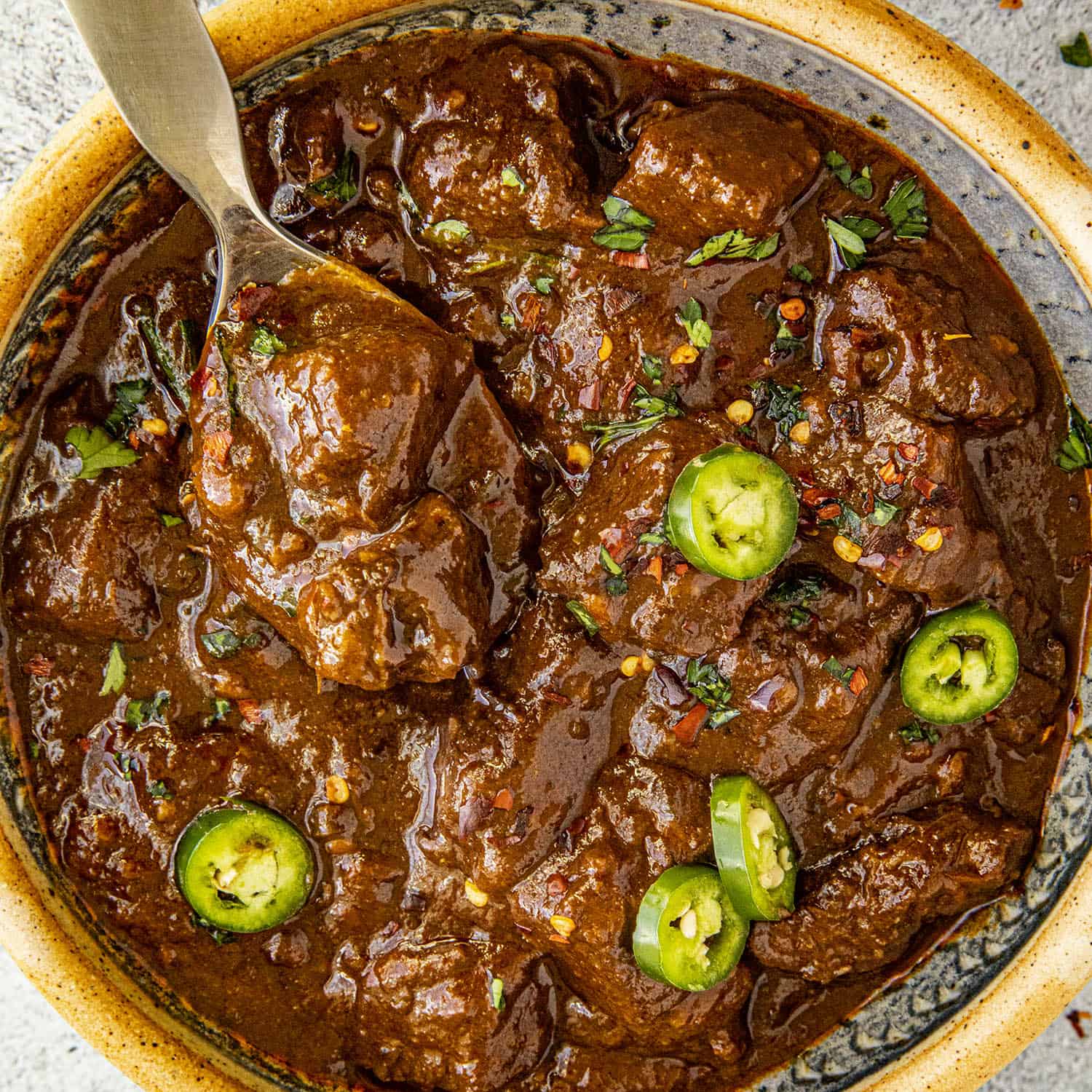
At its core, Texas chili is a celebration of meat. Forget ground beef in every iteration; traditional Texas chili often features cubed or coarsely ground beef, cut from cuts like chuck or even brisket, chosen for their richness and ability to stand up to long, slow cooking. This deliberate choice ensures a texture and depth of flavor that is distinctly different from chili made with finer ground meat. The slow simmering process allows the meat to become incredibly tender, practically melting in your mouth, while also absorbing the complex flavors of the chili base. Some purists even advocate for a combination of beef and other meats, such as pork or even venison, adding further layers of complexity and authenticity to the dish. The quality of the meat is paramount; it’s the foundation upon which the entire dish is built, and its richness is what gives Texas chili its signature satisfying chew and profound flavor.
The other indispensable element is, of course, the chili itself. When we talk about Texas chili, we’re not referring to a single type of pepper. Instead, it’s a carefully curated blend, a nuanced approach to heat and flavor. Dried chili peppers are the stars of the show, often rehydrated and then ground or puréed to form a paste, or even toasted and ground into a powder. Common varieties include ancho chilies for their smoky sweetness, guajillo chilies for their fruity notes and mild heat, and arbol chilies for a more assertive kick. The specific combination and proportions of these dried chilies are where personal preference and regional variations truly shine. Some cooks might lean towards a spicier profile, incorporating cayenne or even habanero peppers, while others might prioritize a deeper, earthier flavor with more ancho and pasilla chilies. The goal is not simply to create a dish that burns, but one that offers a spectrum of flavor, from the initial sweet smokiness to the lingering warmth.
The “No Beans, No Tomatoes” Creed
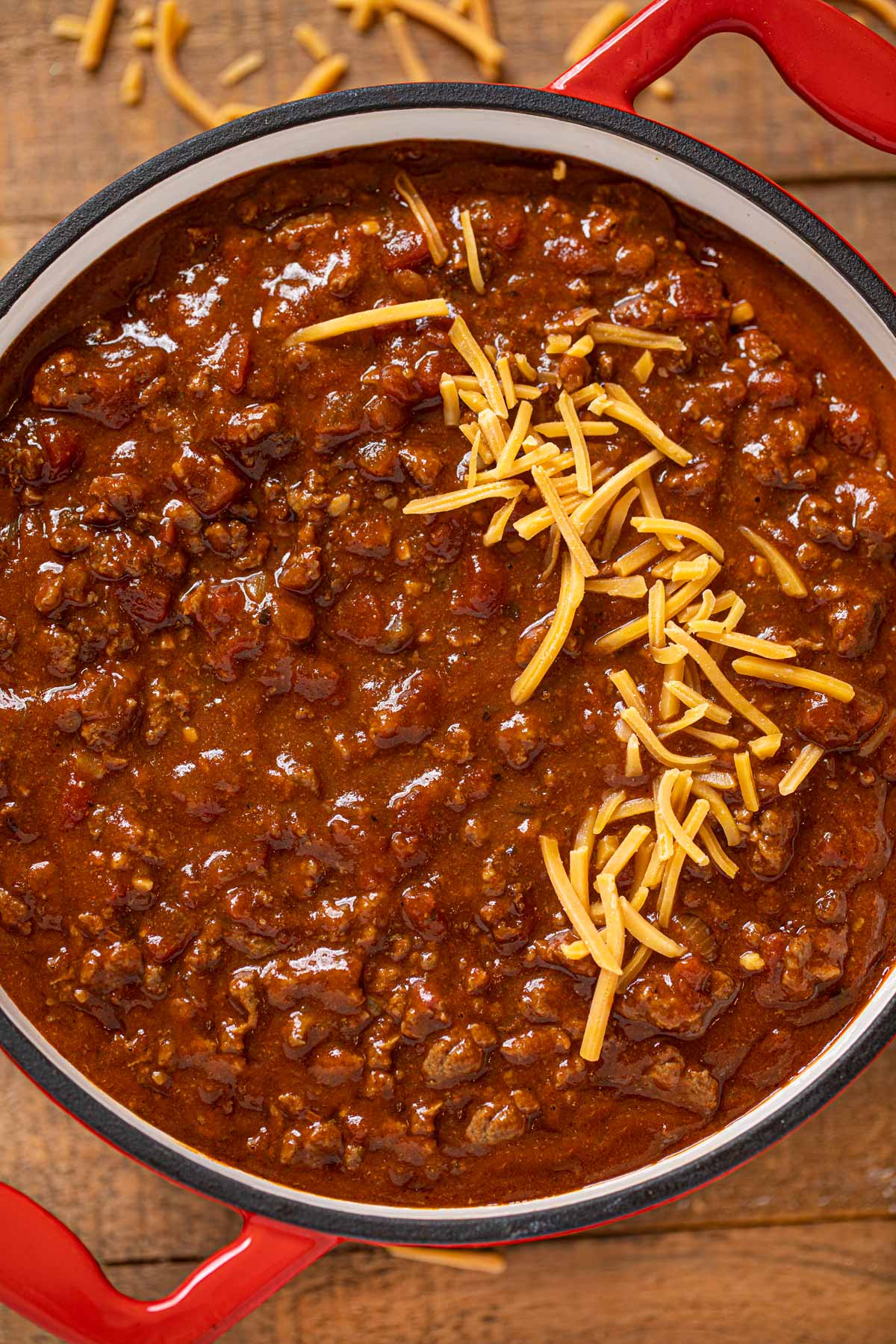
Perhaps the most defining characteristic of Texas chili, and the one that often sparks the most debate, is its steadfast refusal of beans and tomatoes. This isn’t a mere preference; it’s a deeply ingrained tenet of Texas chili tradition. The argument is simple: beans and tomatoes are seen as diluting the intense, pure flavor of the meat and the chili peppers. They are considered distractions, additives that detract from the very essence of what makes this dish special.
The absence of beans means that the texture of the chili is primarily driven by the tender chunks of meat and the rich, thick sauce. This creates a substantial and satisfying dish that relies on the quality of its core ingredients. Similarly, the omission of tomatoes means that the acidity and sweetness that tomatoes often bring are replaced by the nuanced flavors of the chilies and the savory depth of the beef. The sauce is typically achieved through a combination of chili paste, broth (often beef broth for added richness), and sometimes even a touch of masa harina or cornmeal to thicken it to the desired consistency. This minimalist approach allows the true character of the meat and chilies to dominate, creating a powerful and uncompromised flavor profile.
The Art of Spicing: Beyond the Chilies
While chilies provide the foundational flavor and heat, the art of Texas chili lies in its masterful use of other spices. These additions are not about overpowering the primary ingredients but about complementing and enhancing them, adding layers of complexity and aroma. Cumin is almost always present, its earthy, warm notes a natural partner to beef and chilies. Mexican oregano, with its slightly more pungent and citrusy profile compared to its Mediterranean cousin, adds another dimension of aromatic depth. Garlic and onions are typically sautéed as a base, releasing their sweet, savory essence before the other ingredients are introduced.
Beyond these common elements, a skilled Texas chili cook might incorporate a touch of unsweetened cocoa powder or dark chocolate. This isn’t to make the chili taste chocolatey, but rather to add a subtle richness, a depth, and a slight bitterness that rounds out the other flavors and contributes to the dark, brooding color of the dish. Some recipes might call for a pinch of cinnamon, which can add a surprising warmth and complexity without making the chili sweet. A dash of smoked paprika can further amplify the smoky notes already present from the dried chilies. The precise blend of these supporting spices is often a closely guarded secret, passed down through generations or developed through personal experimentation. It’s in these subtle nuances that the individuality of each Texas chili recipe emerges, making every pot a unique culinary experience.
A Culinary Journey Through Texas
Understanding Texas chili is intrinsically linked to understanding Texas itself. It’s a dish that evokes images of the vast, rugged landscapes, the resilient spirit of its people, and the vibrant culinary tapestry of the state. From the bustling metropolises of Dallas and Houston to the historic streets of San Antonio and the rugged charm of West Texas, chili is a constant. It’s found on the menus of humble roadside diners, upscale restaurants, and at backyard barbecues across the state.
Traveling through Texas and experiencing its chili is an adventure in itself. Each region, and even each family, may have its own subtle variations. In South Texas, you might find influences from Mexican cuisine, with a slightly different blend of chilies or the inclusion of a touch of masa. In West Texas, where cattle ranching has a deep historical root, the focus on high-quality beef is even more pronounced. Exploring these variations is part of the joy of discovering Texas chili. Many visitors to Texas are introduced to this iconic dish through local eateries and festivals. Attending a Texas chili cook-off, for instance, is an immersive experience, offering a chance to sample dozens of different interpretations, each with its own story and unique flavor profile.
The lifestyle of Texas is deeply intertwined with its food, and chili is a cornerstone of that identity. It’s a dish meant to be shared, to gather around, and to savor. Whether enjoyed on a chilly evening after a day of exploring Texas landmarks like the Alamo or the Texas State Capitol, or as a hearty meal during a family trip, Texas chili embodies the warmth and generosity of the Lone Star State. Many Texas hotels and resorts, recognizing the importance of this iconic dish, offer their own interpretations on their menus, allowing travelers to experience authentic Texas flavors without leaving their accommodation. Some Texas barbecue joints, renowned for their slow-smoked meats, also take pride in their chili, viewing it as a natural extension of their culinary philosophy.
Texas chili is more than just a recipe; it’s a cultural touchstone, a source of culinary pride, and a delicious reminder of the state’s rich heritage. It’s a dish that challenges expectations, delights the senses, and offers a truly authentic taste of the Lone Star State. Its simplicity belies its complexity, and its bold flavors speak volumes about the spirit of Texas. For anyone looking to experience the true heart of Texas cuisine, a bowl of authentic Texas chili is an essential pilgrimage.
LifeOutOfTheBox is a participant in the Amazon Services LLC Associates Program, an affiliate advertising program designed to provide a means for sites to earn advertising fees by advertising and linking to Amazon.com. Amazon, the Amazon logo, AmazonSupply, and the AmazonSupply logo are trademarks of Amazon.com, Inc. or its affiliates. As an Amazon Associate we earn affiliate commissions from qualifying purchases.