
Embarking on a career as a tax preparer in California presents a unique opportunity for individuals seeking a rewarding profession within a crucial financial sector. The Golden State, with its robust economy and complex tax code, offers a dynamic environment for skilled tax professionals. Unlike some states that have minimal to no specific requirements, California takes a proactive approach to regulating its non-exempt tax preparers through the California Tax Education Council (CTEC). This ensures a higher standard of competence and consumer protection.
Becoming a registered tax preparer in California is a structured process that requires dedication to education, adherence to regulatory guidelines, and a commitment to ongoing professional development. This comprehensive guide will walk you through the necessary steps, from understanding the regulatory landscape to building a thriving practice, all while maintaining the integrity and professionalism expected in this vital field. Whether you’re a seasoned financial professional looking to specialize or a newcomer eager to enter the tax industry, understanding the specific requirements in California is your first step towards a successful career.
The Landscape of Tax Preparation in California
California stands out with its distinct requirements for tax preparers, setting it apart from many other states in the United States. This regulatory environment is designed to protect consumers by ensuring that individuals offering tax preparation services meet specific educational and ethical standards. Understanding this landscape is crucial for anyone aspiring to enter the profession.
Who Needs a Tax Preparer?
Virtually every working individual and business entity in California needs to file tax returns annually, both at the Federal and state levels. The complexity of tax laws, ever-changing regulations, and the desire for accurate and optimized filings drive millions to seek professional assistance. This demand creates a constant need for qualified tax preparers. From individuals with simple W-2 income to small business owners managing intricate deductions and credits, the spectrum of potential clients is vast. This diverse client base requires preparers to possess a broad understanding of various tax scenarios and the ability to adapt to individual client needs. Furthermore, the increasing complexity of tax codes, coupled with the digital transformation of financial records, makes professional guidance more valuable than ever.
Why California is Unique for Tax Professionals
The unique aspect of tax preparation in California stems primarily from the CTEC mandate. While the Internal Revenue Service (IRS) regulates preparers at the Federal level by requiring all paid preparers to obtain a Preparer Tax Identification Number (PTIN), California goes a step further. Unless you are an Enrolled Agent (EA), a Certified Public Accountant (CPA), or an attorney, you must register with CTEC to legally prepare tax returns for a fee in California. This state-specific regulation ensures that non-exempt preparers receive adequate training in both Federal and California tax laws, maintaining a high level of professionalism and ethical conduct within the industry. This dual layer of regulation requires a keen understanding of both national and state-specific compliance, which adds an extra dimension to the role of a tax preparer in California.
Core Requirements for Aspiring Tax Preparers
Becoming a professional tax preparer in California involves meeting a specific set of educational and registration requirements designed to ensure competence and compliance. These foundational steps are non-negotiable and form the bedrock of your professional journey.
CTEC Registration: Your First Major Step
The cornerstone of becoming a tax preparer in California is registering with the California Tax Education Council (CTEC). As mentioned, this is a mandatory step for anyone who is not an Enrolled Agent, a Certified Public Accountant, or an attorney, and wishes to prepare tax returns for compensation. The registration process begins with fulfilling specific educational prerequisites, securing a bond, and ultimately applying for your unique CTEC registration number. This number is your official license to operate as a tax preparer in the state, signaling to clients and authorities that you meet the required standards. It’s important to understand that CTEC is not just a one-time registration; it also oversees ongoing educational requirements and ethical standards, ensuring preparers remain current and accountable throughout their careers.
Essential Education Requirements
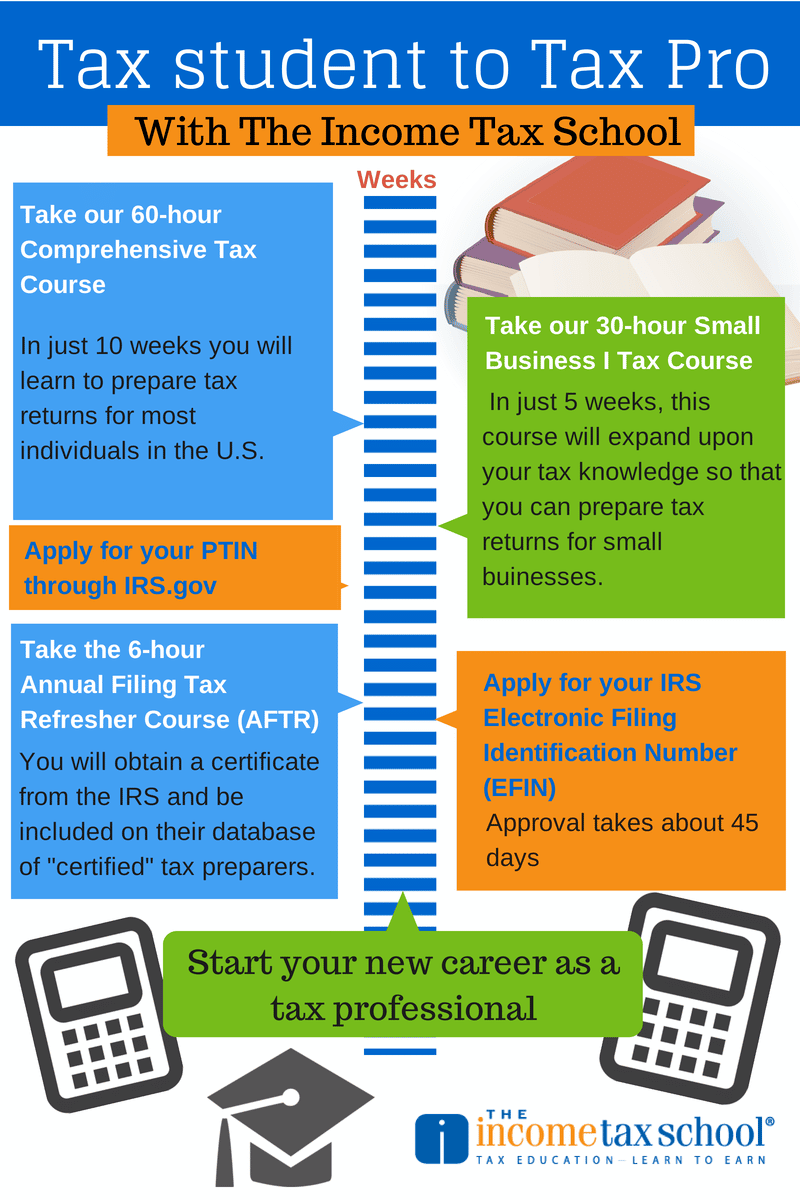
To qualify for CTEC registration, aspiring tax preparers must complete a minimum of 60 hours of qualifying tax education from a CTEC-approved education provider. These 60 hours are typically broken down into two components:
- 45 hours of Federal tax curriculum: This covers the fundamental principles of Federal income tax law, including individual income tax preparation, deductions, credits, and various tax forms.
- 15 hours of California tax curriculum: This segment focuses specifically on California’s unique tax laws, regulations, and state-specific forms, which often differ significantly from Federal guidelines.
Upon successful completion of these educational hours, you will receive a certificate of completion from your approved provider, which is necessary for your initial CTEC registration. Choosing a reputable education provider is vital, as the quality of your initial training will significantly impact your understanding and ability to serve clients effectively.
Obtaining Your Preparer Tax Identification Number (PTIN)
Concurrent with or prior to your CTEC registration, you must obtain a Preparer Tax Identification Number (PTIN) from the IRS. The PTIN is a mandatory requirement for all paid tax preparers in the United States, regardless of state-specific regulations. It serves as your unique identifier when preparing Federal tax returns. The application process for a PTIN is straightforward and can be completed online through the IRS website. This number must be renewed annually. It’s important to note that while the PTIN allows you to prepare Federal returns, it does not exempt you from California’s additional CTEC registration requirement if you are not an EA, CPA, or attorney.
The CTEC Registration and Renewal Process
Once you’ve met the initial educational and PTIN requirements, navigating the CTEC registration and subsequent renewal process is critical for maintaining your legal standing as a tax preparer in California.
Initial Registration Steps
After completing your 60 hours of qualifying education and obtaining your PTIN, the next step is to formally register with CTEC. This involves:
- Purchasing a Surety Bond: California requires all CTEC registered tax preparers to secure a $5,000 tax preparer bond from an admitted surety insurer. This bond provides a layer of consumer protection in case of fraud or negligence by the preparer.
- Completing the CTEC Application: You’ll submit an online application through the CTEC website, providing details of your education, PTIN, and surety bond information.
- Paying the Registration Fee: There is an annual fee associated with CTEC registration.
Upon successful review of your application and payment, CTEC will issue your unique CTEC ID number, formally authorizing you to prepare tax returns for compensation in California.
Understanding the Continuing Education Mandate

The field of taxation is constantly evolving, with new laws, regulations, and interpretations emerging regularly. To ensure preparers remain knowledgeable and compliant, CTEC mandates annual continuing education (CE). For registered tax preparers, this typically involves completing 20 hours of CE each year from a CTEC-approved provider. These 20 hours must include:
- 10 hours of Federal tax law topics: Covering updates and changes to Federal tax code.
- 3 hours of Federal tax law updates: Specifically focusing on recent changes.
- 4 hours of California tax law topics: Addressing state-specific tax law changes.
- 3 hours of ethics: Focusing on professional conduct and responsibilities.
This ongoing education is crucial not just for compliance but also for maintaining your expertise and providing the best possible service to your clients.
Annual Renewal and Compliance
Your CTEC registration, like your PTIN, must be renewed annually. The renewal period typically runs from November 1st to January 15th of the following year. To successfully renew, you must:
- Complete your 20 hours of continuing education.
- Renew your $5,000 tax preparer bond.
- Renew your PTIN with the IRS.
- Pay the annual CTEC renewal fee.
Failure to renew by the deadline can result in penalties, including suspension of your registration, which would legally prevent you from preparing tax returns for compensation in California. Staying organized and proactive with these annual requirements is key to a smooth and uninterrupted professional practice.
Beyond Certification: Building a Successful Career
While meeting the formal requirements is essential, a truly successful career as a tax preparer in California extends beyond mere certification. It involves strategic choices, continuous learning, and effective client management.
Choosing Your Niche: Individuals, Businesses, or Specialties
The world of taxation is vast, and finding a niche can significantly enhance your career trajectory. You might choose to specialize in:
- Individual Income Tax (Form 1040): This is the most common starting point, dealing with W-2 employees, self-employed individuals, and basic investment income.
- Small Business Taxation: Focusing on S-Corps, C-Corps, Partnerships, and LLCs, which often involves more complex accounting and tax planning.
- Specialty Areas: Such as real estate taxation, international tax, non-profit organizations, or estate and gift tax.
Specializing allows you to develop deep expertise, attract a specific client demographic, and potentially command higher fees. Researching market demand and aligning with your interests are key to selecting a profitable and enjoyable niche.
Gaining Practical Experience and Mentorship
Education provides the theoretical framework, but practical experience hones your skills. Consider:
- Working for an established firm: Gaining experience under the guidance of seasoned professionals provides invaluable insights into real-world tax scenarios, client interaction, and office procedures. Many tax firms hire seasonal preparers for training.
- Volunteer tax assistance programs: Organizations like VITA (Volunteer Income Tax Assistance) offer opportunities to prepare tax returns for low-to-moderate-income individuals, gaining hands-on experience in a supervised environment.
- Mentorship: Seeking guidance from an experienced tax preparer can provide critical support, advice, and networking opportunities. A mentor can help you navigate challenges and refine your professional approach.
Practical application is where the nuances of tax law truly come to life, allowing you to build confidence and competence.
Marketing Your Services and Client Acquisition
Once you’re ready to serve clients, effective marketing is paramount. Consider a multi-pronged approach:
- Online Presence: Develop a professional website, optimize your social media profiles, and leverage online directories.
- Networking: Join local business groups, professional organizations, and community events to build connections and generate referrals.
- Referral Programs: Encourage satisfied clients to refer new business with incentives.
- Local Advertising: Consider targeted advertising in local newspapers, community newsletters, or online platforms relevant to your niche.
- Build Trust: Deliver exceptional service, communicate clearly, and maintain strict confidentiality to foster long-term client relationships. Word-of-mouth is often the most powerful marketing tool in the professional services industry.
Maintaining Professionalism and Growth
The journey of a tax preparer is one of continuous learning and adherence to the highest professional standards. Sustaining your growth and reputation requires diligence and foresight.
Staying Current with Tax Law Changes
Tax laws are not static; they are subject to annual changes, legislative reforms, and evolving interpretations. A successful tax preparer must commit to lifelong learning beyond the mandatory continuing education. This includes:
- Subscribing to professional publications: Keep up-to-date with tax news, analyses, and industry trends.
- Attending seminars and webinars: Participate in events hosted by professional organizations like the National Association of Tax Professionals (NATP) or the California Society of Tax Preparers (CSTP).
- Utilizing tax research tools: Invest in professional tax software and research platforms that provide real-time updates and authoritative guidance.
Being proactive in understanding tax law changes ensures you provide accurate advice and identify new opportunities for your clients.
Ethical Considerations and Best Practices
The trust placed in tax preparers is immense, demanding strict adherence to ethical guidelines. Key best practices include:
- Confidentiality: Safeguard client information with the utmost care, adhering to privacy laws and professional ethics.
- Due Diligence: Exercise thoroughness and accuracy in all tax preparation activities. Never sign a return you haven’t diligently reviewed.
- Honesty and Integrity: Be transparent with clients about fees, potential outcomes, and limitations. Avoid conflicts of interest.
- Professional Boundaries: Maintain appropriate professional relationships with clients, avoiding personal entanglements.
- Insurance: Consider obtaining professional liability insurance (Errors & Omissions insurance) to protect yourself and your practice against potential claims.
Ethical conduct is the bedrock of your professional reputation and essential for long-term success.
Exploring Advanced Certifications (e.g., EA, CPA)
While CTEC registration allows you to prepare taxes in California, pursuing advanced certifications can significantly expand your scope of practice, enhance your credibility, and open doors to higher-level opportunities.
- Enrolled Agent (EA): This designation, conferred by the IRS, grants you the unlimited right to represent taxpayers before the IRS on all tax matters. It requires passing a comprehensive three-part exam.
- Certified Public Accountant (CPA): This is a state-issued license that generally requires a bachelor’s degree (often 150 semester hours), passing a rigorous four-part exam, and meeting experience requirements. CPAs have a broader scope, including auditing, financial planning, and business consulting, in addition to tax preparation and representation.
These advanced credentials exempt you from CTEC registration and signal a higher level of expertise, allowing you to serve a wider array of clients and tackle more complex tax issues. They represent significant professional milestones for those committed to a long-term career in taxation.
Becoming a tax preparer in California is a journey that demands continuous learning and a strong commitment to ethical practice. By understanding the unique regulatory framework, fulfilling the educational and registration requirements, and strategically building your practice, you can establish a rewarding and impactful career in the dynamic world of taxation.
LifeOutOfTheBox is a participant in the Amazon Services LLC Associates Program, an affiliate advertising program designed to provide a means for sites to earn advertising fees by advertising and linking to Amazon.com. Amazon, the Amazon logo, AmazonSupply, and the AmazonSupply logo are trademarks of Amazon.com, Inc. or its affiliates. As an Amazon Associate we earn affiliate commissions from qualifying purchases.