
Planning a trip to Southern California often involves navigating between its iconic cities, and few pairings are as frequently considered as Los Angeles and Anaheim. Whether you’re flying into Los Angeles International Airport (LAX) with dreams of Disneyland Park or looking to extend an Anaheim visit with a taste of Hollywood glamour, understanding the distance and travel dynamics between these two vibrant destinations is paramount. The question “How far is Los Angeles from Anaheim?” isn’t just about mileage; it’s about travel time, convenience, and the most efficient way to maximize your Southern California experience.
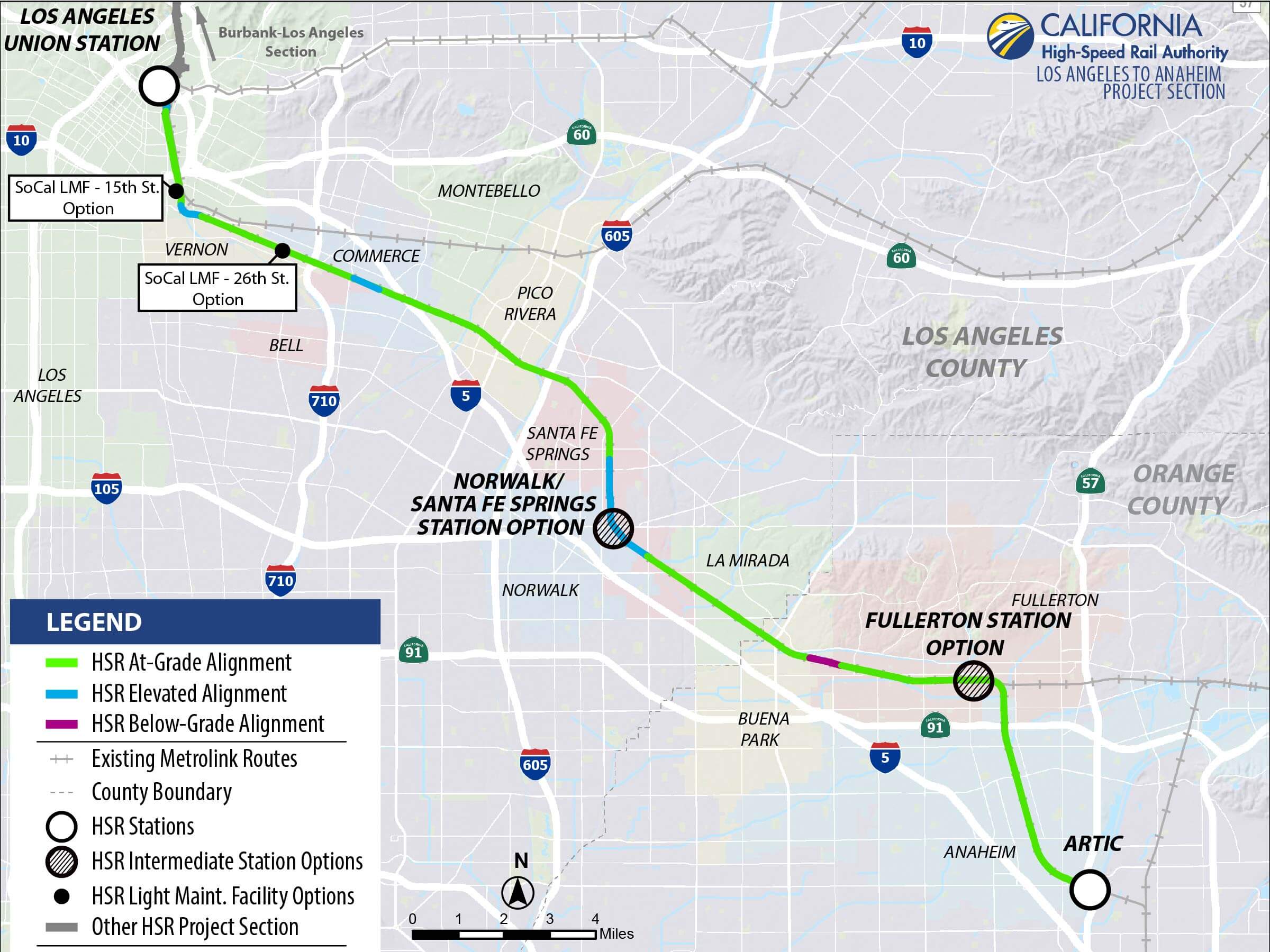
While seemingly close on a map, the reality of Southern California travel involves a complex interplay of freeways, public transport, and the ever-present factor of traffic. This guide will delve into the specifics, offering insights into distances, estimated travel times, and practical advice for traversing the urban sprawl that connects these two major hubs, ensuring your journey is as smooth and enjoyable as your destination.
The Straightforward Answer: Distance and Time
At its core, the distance between Los Angeles and Anaheim is relatively short. However, the exact mileage can vary slightly depending on your specific starting point in Los Angeles and your destination within Anaheim. Generally, you’re looking at a journey of approximately 25 to 30 miles (40 to 48 kilometers). But as any seasoned Southern California traveler knows, mileage is only one piece of the puzzle; time is the critical variable.
By Car: The Most Common Method
Driving is, without a doubt, the most popular mode of transport between Los Angeles and Anaheim. It offers flexibility and direct access, making it ideal for families with luggage, those with specific schedules, or travelers keen on exploring beyond the main attractions.
Under ideal traffic conditions, the drive typically takes between 30 to 45 minutes. This usually means late evenings, early mornings, or weekends when commuter traffic is minimal. However, these “ideal” conditions are often elusive. During peak hours—roughly 6 AM to 10 AM and 3 PM to 7 PM on weekdays—the travel time can easily extend to 1 hour, 1.5 hours, or even longer, depending on accidents, construction, and general congestion. The primary freeway connecting the two cities is Interstate 5 (I-5), a bustling artery that can experience significant slowdowns.
For those renting a car, anticipate additional costs for fuel and parking, especially at popular attractions in both cities. Ride-sharing services like Uber and Lyft are also widely available, offering a convenient door-to-door option without the hassle of navigating or parking. Fares will fluctuate based on demand, distance, and traffic.
Public Transportation Options
While not always as direct or fast as driving, public transportation offers a viable and often more relaxing alternative, especially for those who prefer to avoid the stress of Southern California traffic.
- Rail Services: Metrolink and Amtrak provide rail services connecting Anaheim to various points in Los Angeles. The Amtrak Pacific Surfliner is a popular choice, offering comfortable trains with scenic views. Trains typically depart from Anaheim Regional Transportation Intermodal Center (ARTIC) and arrive at Los Angeles Union Station. The journey by train can take approximately 45 minutes to an hour, depending on the specific service and stops. From Union Station, travelers can easily connect to Metro Rail and bus lines to reach other parts of Los Angeles.
- Bus Services: The Orange County Transportation Authority (OCTA) operates local bus services within Orange County, including Anaheim, and some express routes connect to Los Angeles County’s Metro system. While generally more affordable, bus travel can be significantly slower and may involve multiple transfers, making it less appealing for time-sensitive travel.
Choosing public transport requires careful planning of schedules and connections, but it can be an economical and environmentally friendly way to travel.
Estimating Travel Times: Factors to Consider
Accurately predicting travel time in Southern California is more art than science, but several factors consistently influence the journey:
- Time of Day/Week: As mentioned, weekday rush hours are notorious. Mid-day (10 AM to 3 PM) offers a brief respite, and weekends generally see lighter traffic, though special events can cause unexpected congestion.
- Day of the Week: Fridays tend to be heavier than other weekdays, especially in the afternoon. Sundays can also see increased traffic as people return home from weekend trips.
- Special Events: Major concerts at the Honda Center or Crypto.com Arena, games at Angel Stadium or Dodger Stadium, conventions at the Anaheim Convention Center, or big events in Hollywood or Downtown Los Angeles can dramatically impact traffic flow. Always check local event calendars.
- Construction: Roadwork is a constant in a sprawling metropolis. While efforts are made to minimize disruption, construction can unexpectedly narrow lanes or divert traffic.
- Accidents: Even minor fender-benders can bring major freeways to a standstill.
- Route Choice: While Interstate 5 is primary, alternative routes via California State Route 57 (CA-57) or California State Route 91 (CA-91) may offer relief, but they too can become congested. Real-time navigation apps like Google Maps or Waze are indispensable for finding the quickest path.
Exploring the Route: What to Expect on Your Journey
The drive between Los Angeles and Anaheim is more than just a means to an end; it’s an immersive experience into the heart of Southern California’s urban landscape. Understanding the freeways and typical conditions can help you prepare.
Key Freeways and Their Characteristics
The backbone of this route is generally Interstate 5, often referred to as “the 5.” This major north-south artery traverses the entirety of California and is central to travel within the Los Angeles metropolitan area and Orange County.
- Interstate 5: From Anaheim, heading north on the I-5 takes you directly into Downtown Los Angeles and beyond. The sections closer to Anaheim (in Orange County) tend to be wide, often with carpool lanes. As you approach Los Angeles County, the freeway becomes increasingly complex, with numerous interchanges and higher traffic density.
- California State Route 57 (The Orange Freeway): This freeway can be an alternative or connector, particularly if your destination in Anaheim is east of I-5, or if you’re coming from the eastern parts of Los Angeles County. It runs roughly parallel to the I-5 for a segment and intersects with California State Route 91.
- California State Route 91 (The Riverside Freeway): Running east-west, the CA-91 can be useful for connecting from areas like Long Beach or the Inland Empire to Anaheim. It intersects with I-5 and CA-57.
Navigating these multi-lane freeways requires attentiveness. Exit lanes can appear quickly, and lane changes are frequent. Utilizing a GPS system is highly recommended to provide real-time directions and traffic updates.

Peak vs. Off-Peak Travel
The distinction between peak and off-peak travel is arguably the most critical factor when planning your journey.
- Peak Hours (Weekdays, generally 6 AM-10 AM and 3 PM-7 PM): Expect heavy congestion, stop-and-go traffic, and significantly extended travel times. Carpool lanes (HOV lanes) can offer some relief if you meet the occupancy requirements, but even these can slow down during the worst congestion.
- Off-Peak Hours (Mid-day, late evening, early morning, weekends): These times generally offer much smoother travel. A 30-minute drive can become a reality. However, be mindful of specific weekend events or popular tourist times around attractions like Disneyland Park or Universal Studios Hollywood, which can create localized bottlenecks.
Planning your departures to coincide with off-peak windows can save you hours of frustration and allow for a more enjoyable trip.
Alternative Scenic Routes (Limited but Exist)
While most travelers prioritize speed, there are some slightly less direct routes that offer a different perspective. For instance, taking surface streets through charming Orange County towns or even venturing closer to the coast through areas like Long Beach and then heading inland, can provide a change of scenery. However, these routes will almost always take longer than the direct freeway paths, and may not be suitable for first-time visitors or those on a tight schedule. They are best reserved for those with ample time and a desire to explore the nuances of Southern California’s diverse neighborhoods.
Why Travel Between Los Angeles and Anaheim?
The close proximity of Los Angeles and Anaheim makes a dual-destination trip incredibly appealing. Each city offers a distinct flavor of Southern California, complementing the other perfectly.
Anaheim’s Allure: Disneyland and Beyond
Anaheim is synonymous with magic, primarily thanks to the Disneyland Resort, which includes Disneyland Park, Disney California Adventure Park, and the Downtown Disney District. It’s a world-renowned destination for families and Disney enthusiasts. Beyond the enchanted kingdom, Anaheim also hosts major sporting events at Angel Stadium (home of the Los Angeles Angels baseball team) and the Honda Center (home of the Anaheim Ducks hockey team), attracting sports fans and concertgoers. The Anaheim Convention Center draws numerous business travelers and attendees for large-scale events. For visitors, Anaheim provides a more focused, family-friendly, and often slightly calmer base compared to the sprawling nature of Los Angeles.
Los Angeles: A World-Class Metropolis
Los Angeles needs little introduction. As a global center for entertainment, culture, and innovation, it offers an endless array of attractions. From the glamour of Hollywood with the Hollywood Walk of Fame and Universal Studios Hollywood, to the artistic masterpieces at The Getty Center and the scenic views from Griffith Observatory, Los Angeles caters to every interest. Beach lovers flock to Santa Monica and its iconic Santa Monica Pier, while fashionistas explore the boutiques of Beverly Hills. The culinary scene is world-class, and live entertainment venues like Crypto.com Arena and Dodger Stadium host major events year-round. Los Angeles is a city of diverse neighborhoods, each offering a unique cultural experience.
Seamless Southern California Exploration
Traveling between Los Angeles and Anaheim allows visitors to experience the best of both worlds. Many tourists choose to split their stay, perhaps spending a few days immersing themselves in the magic of Disneyland before venturing north to explore the vibrant city life of Los Angeles. Conversely, those flying into LAX for a Los Angeles trip can easily incorporate a day trip or an overnight stay in Anaheim for a dose of theme park fun. The relatively short distance means that with proper planning, it’s entirely feasible to visit key attractions in both areas within a single vacation, creating a comprehensive Southern California adventure.
Making the Most of Your Trip: Tips for Navigating Southern California
Successfully traveling between Los Angeles and Anaheim often comes down to savvy planning and flexible execution.
Planning Your Transport Strategy
- Rent a Car for Flexibility: If your itinerary involves multiple stops, late-night returns, or exploration of more suburban areas, a rental car offers unparalleled flexibility. Book in advance for better rates.
- Embrace Ride-Sharing: For point-to-point travel, especially if you plan to enjoy Downtown Disney District nightlife or attend events where parking is scarce, ride-sharing apps are very convenient. Factor in surge pricing during peak times.
- Utilize Public Transit for Specific Routes: For travel directly to Downtown Los Angeles from Anaheim (or vice versa), the train can be a comfortable and efficient choice, especially if your destination is near a train station. Always check schedules in advance.
- Fly into the Right Airport: While LAX is the largest, consider John Wayne Airport (SNA) in Orange County for flights directly to Anaheim, or Long Beach Airport (LGB) as a smaller, more accessible alternative if available for your route. Both can reduce ground travel time significantly compared to LAX.
Accommodations and Stays
- Strategic Lodging: Decide whether you prefer to stay closer to Disneyland in Anaheim for several days and commute to Los Angeles, or base yourself in Los Angeles and travel south. There are numerous hotels, resorts, and vacation rentals in both areas catering to all budgets and preferences. Booking accommodations that offer easy freeway access or are near public transport hubs can simplify your commutes.
- Consider a Split Stay: Many travelers find a split stay to be the most effective strategy. Spend a few nights in Anaheim to fully experience the theme parks, then relocate to a Los Angeles neighborhood like Hollywood, Santa Monica, or Beverly Hills to explore the city’s diverse offerings without long daily commutes.
Essential Travel Hacks
- Download Navigation Apps: Google Maps and Waze are indispensable. They provide real-time traffic updates, suggest alternative routes, and estimate travel times with impressive accuracy. Always check before you leave.
- Travel During Off-Peak Hours: This cannot be stressed enough. Adjusting your meal times or attraction visits to avoid driving during rush hour will save you immense time and stress.
- Carpool if Possible: If you have multiple passengers, utilize the carpool lanes (HOV lanes) on the freeways. This can often shave considerable time off your journey. Be aware of the minimum occupancy requirements, which are typically 2 or more people.
- Stay Hydrated and Bring Snacks: If you do get stuck in traffic, having water and snacks can make the wait more bearable, especially with children.
- Podcast/Music Ready: Long drives, even when smooth, are better with entertainment. Have your favorite podcasts, audiobooks, or playlists ready to go.
In conclusion, the distance between Los Angeles and Anaheim is manageable, making a combined visit highly feasible and rewarding. While the mileage itself is not extensive, the dynamic nature of Southern California traffic means that travel time is the true measure of “how far.” With careful planning, strategic use of transportation, and a good understanding of local conditions, your journey between these two quintessential California cities can be a seamless and enjoyable part of your unforgettable trip.
LifeOutOfTheBox is a participant in the Amazon Services LLC Associates Program, an affiliate advertising program designed to provide a means for sites to earn advertising fees by advertising and linking to Amazon.com. Amazon, the Amazon logo, AmazonSupply, and the AmazonSupply logo are trademarks of Amazon.com, Inc. or its affiliates. As an Amazon Associate we earn affiliate commissions from qualifying purchases.