
Texas, the second-largest state in the United States by both area and population, is a land of immense diversity, sprawling landscapes, and vibrant urban centers. Its population isn’t just a number; it’s a dynamic force that shapes everything from its unique culture and economic might to its burgeoning travel and tourism industry. Understanding “What Is Texas Population?” goes beyond mere demographics; it offers a profound insight into the state’s appeal as a destination for travelers, a hub for business, and a home for millions seeking a distinct American experience. This colossal state, renowned for its independent spirit and “bigger in Texas” mentality, continues to attract people from across the globe, contributing to a rich tapestry of lifestyles, cuisines, and experiences that are ripe for exploration by visitors.
The sheer scale of Texas’s population directly influences its infrastructure, the development of new attractions, the variety of available accommodations, and the overall lifestyle offerings. From the bustling metropolises that rival global cities to the serene natural parks that offer an escape, every facet of Texas is, in some way, a reflection of its vast and growing populace. For anyone planning a trip, considering a move, or simply curious about what makes this state tick, delving into its population figures provides a crucial lens through which to view its captivating allure and potential.
The Lone Star State’s Growing Numbers
Texas is not just big; it’s getting bigger at an astonishing rate. For years, it has consistently ranked among the fastest-growing states in the United States, a trend that shows no signs of slowing down. This continuous influx of new residents is a testament to the state’s economic opportunities, diverse cultural landscape, and attractive quality of life, further cementing its role as a key player on the national stage.
Current Demographics and Growth Trends
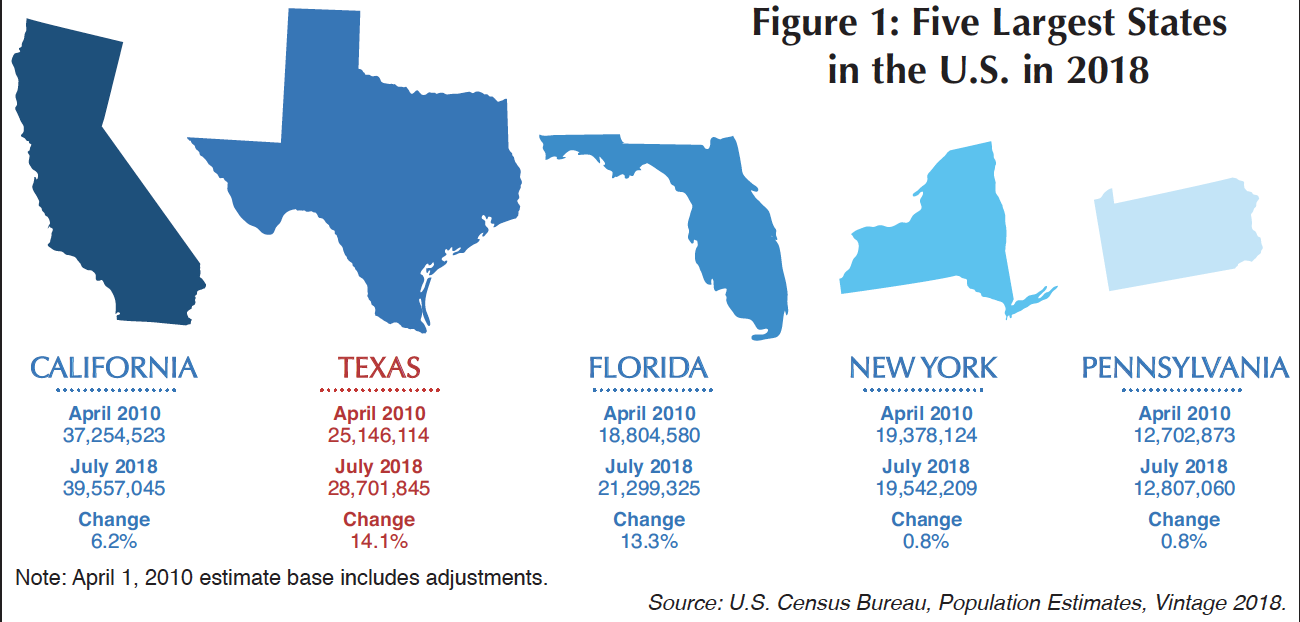
As of recent estimates, the population of Texas comfortably exceeds 30 million people, making it a demographic powerhouse only surpassed by California. This significant number represents a remarkable surge over the past decade, driven primarily by domestic migration from other U.S. states and international immigration. People are drawn to Texas by its robust job market, particularly in sectors like energy, technology, healthcare, and manufacturing, coupled with a relatively lower cost of living compared to coastal regions.
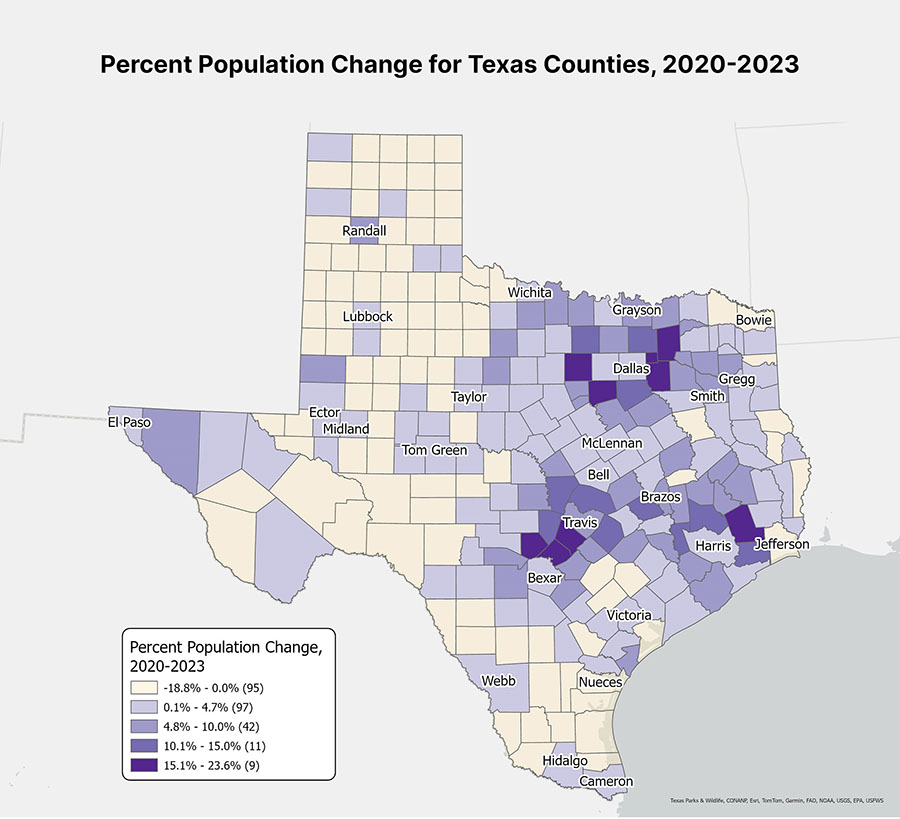
The growth is not evenly distributed, largely concentrating in the state’s major metropolitan areas, often referred to as the “Texas Triangle.” These include the sprawling Dallas-Fort Worth metroplex, the vibrant cultural hub of Houston, the historic charm of San Antonio, and the state capital, Austin. Each of these cities has experienced explosive growth, leading to dynamic changes in their urban landscapes, infrastructure, and socio-economic fabric. Smaller cities and exurban areas surrounding these hubs are also witnessing significant expansion, transforming rural stretches into bustling communities. The sheer volume of people concentrated in these regions creates vibrant centers for commerce, education, and, crucially for our discussion, tourism and leisure. The constant evolution of these urban centers directly impacts the demand for hotels, apartments, and specialized accommodations catering to both new residents and the ever-increasing number of visitors.
Diversity and Cultural Richness
One of the most defining characteristics of Texas’s burgeoning population is its incredible diversity. The state is a melting pot of cultures, backgrounds, and traditions, making it one of the most multicultural places in the United States. This diversity is largely influenced by its historical ties to Mexico and a continuous stream of immigrants from Latin America, Asia, Africa, and beyond.
The strong Hispanic influence is particularly prominent, shaping the state’s language, cuisine, music, and festivals. Tex-Mex food, for instance, isn’t just a culinary style; it’s a cultural cornerstone, celebrated in countless restaurants and homes across the state. Beyond Hispanic communities, Texas boasts significant African American populations, particularly in cities like Houston and Dallas, contributing rich musical traditions, historical narratives, and artistic expressions. Asian American communities, especially Vietnamese and Indian, have also established vibrant cultural enclaves, bringing their unique flavors, festivals, and businesses to the Texas landscape. This incredible blend of cultures not only enriches the daily lives of residents but also creates an incredibly appealing environment for tourism. Visitors can explore a kaleidoscopic array of food scenes, attend diverse cultural festivals, and experience a truly globalized yet distinctly Texan identity, making it a truly unique travel destination.
Population’s Impact on Travel and Tourism in Texas
The sheer scale and rapid growth of Texas’s population are fundamental drivers behind the evolution of its travel, tourism, and hospitality sectors. A large and diverse populace creates a robust domestic market for travel, encourages the development of new attractions, and fuels the demand for a wide array of accommodation options. It dictates the rhythm of local economies and ensures that the state remains a dynamic and engaging place for both residents exploring their own backyard and international visitors seeking authentic Texan experiences.
Destination Development and Attractions
With millions of residents, coupled with millions more visitors annually, there’s a constant impetus for Texas to innovate and expand its offerings. This growing population fuels the development of new destinations and enriches existing attractions. Urban centers like Houston, for example, continually invest in cultural institutions and entertainment venues, such as the world-renowned Space Center Houston or the vibrant Museum District. San Antonio’s iconic River Walk and The Alamo remain primary draws, but the city also sees new developments catering to modern tastes and family-friendly experiences.
Beyond the cities, the increasing appreciation for natural beauty among residents and visitors alike has boosted the popularity of Texas’s impressive state and national parks. From the dramatic landscapes of Big Bend National Park in West Texas to the stunning Padre Island National Seashore along the Gulf Coast, these natural landmarks are vital to the state’s tourism portfolio. The growing population also supports a thriving ecosystem of smaller, niche attractions like vineyards in the Texas Hill Country, historic sites in towns like Fredericksburg, and theme parks such as Six Flags Over Texas and SeaWorld San Antonio, all designed to cater to diverse interests and family outings.

The Thriving Accommodation Sector
A population exceeding 30 million, combined with robust tourism figures, necessitates an incredibly diverse and extensive accommodation sector. From bustling city centers to serene rural retreats, Texas offers every imaginable type of stay. This demand fosters constant growth and competition among hotels, resorts, and other lodging options, ensuring high standards and innovative services.
In major cities like Austin, the tech boom and vibrant cultural scene drive demand for luxury hotels such as the Four Seasons Hotel Austin and unique boutique properties like The Driskill. Dallas and Houston boast an impressive array of high-end suites and full-service resorts, often catering to both business travelers and luxury leisure guests. Examples include the Omni Dallas Hotel and the Post Oak Hotel at Uptown Houston. For those seeking more experiential stays, the Texas Hill Country is dotted with charming villas and unique bed-and-breakfast establishments, while coastal towns offer plentiful vacation rentals and long-term stay options perfect for family trips. The growing population also drives the need for extended-stay apartments and serviced residences, particularly for business travelers or those in the process of relocating. The constant need for new and updated accommodation ensures a healthy market for booking platforms and comparison sites, offering transparency and choice for travelers.
Culinary and Lifestyle Experiences
The sheer size and diversity of Texas’s population have transformed its culinary landscape and lifestyle offerings into a rich mosaic of global and local flavors. Food is a central pillar of Texan identity, and the state’s demographic makeup has only amplified its delicious complexity. Beyond the iconic Tex-Mex and legendary BBQ, which remain quintessential Texas experiences, cities now boast Michelin-starred restaurants, innovative fusion cuisine, and authentic eateries representing cultures from every corner of the world. The constant flow of new residents brings with it new culinary traditions, further enriching the local food scene and making Texas a genuine foodie paradise for visitors.
Moreover, the diverse population directly influences the state’s vibrant event calendar and varied lifestyle experiences. Cities like Austin host world-renowned events such as South by Southwest (SXSW), attracting creatives and innovators globally, while Houston holds the massive Houston Livestock Show and Rodeo, a celebration of cowboy culture. These events, alongside countless local festivals, art exhibitions, and music venues, thrive on the support of a large, engaged population and draw significant tourism. This active and diverse populace supports a wide spectrum of travel styles, from luxury travel experiences offered by high-end resorts and private tours, to budget travel options like hostels and independent campgrounds. Whether it’s family trips to theme parks and wildlife refuges, or business stays in bustling convention centers, the population’s varied interests ensure that Texas offers something for every type of traveler. The blend of urban sophistication, rustic charm, and cultural authenticity ensures that a trip to Texas is an immersive experience.
Navigating a Populous Texas: Tips for Travelers
Visiting a state with over 30 million residents can be an exhilarating experience, offering endless opportunities for exploration and discovery. However, navigating a populous state like Texas requires a bit of savvy planning to ensure a smooth and enjoyable journey. Understanding the dynamics of its large population can help travelers optimize their itineraries, manage expectations, and fully immerse themselves in the rich experiences the state has to offer.
Planning Your Trip
Effective planning is paramount when traveling through populous regions of Texas. One of the most critical aspects is securing accommodation well in advance, especially if your trip coincides with major events like SXSW in Austin, the State Fair of Texas in Dallas, or during peak holiday seasons. Popular hotels, resorts, and vacation rentals in cities such as Houston, San Antonio, and Austin can book up quickly. Utilizing reliable booking platforms and checking reviews will help you make informed decisions and find options that best suit your budget and travel style, whether you’re looking for luxury travel or something more aligned with budget travel.
Beyond lodging, consider the implications of population density on your travel time. Texas has extensive road networks, but traffic in major metropolitan areas, particularly during rush hour, can be significant. If driving between cities, allow ample time for potential delays. For shorter distances within cities, consider ride-sharing services or, where available, public transportation to mitigate congestion. Researching popular attractions beforehand and potentially purchasing tickets online can also save valuable time by allowing you to bypass long queues, ensuring a more efficient and enjoyable exploration of the state’s many landmarks.
Embracing Local Culture
The diverse and expansive population of Texas means that its local culture is incredibly vibrant and multifaceted. To truly experience the state, travelers should be open to engaging with this diversity. This means stepping beyond the typical tourist traps and exploring various neighborhoods and communities within major cities. For instance, in Houston, you can find vibrant Vietnamese communities alongside historic African American districts, each offering unique culinary and cultural experiences.
Participating in local festivals, visiting community markets, and dining at family-run establishments are excellent ways to gain a deeper appreciation for the unique blend of traditions that define Texas. Don’t be afraid to try new foods, listen to local music, and strike up conversations with residents – the renowned Southern hospitality is alive and well here. Whether you’re interested in the ranching heritage of the West, the Gulf Coast’s maritime culture, or the cosmopolitan flair of the “Texas Triangle,” immersing yourself in the local lifestyle will enrich your travel experience immeasurably. Understanding that the state’s population contributes to this rich tapestry of experiences allows you to approach your journey with an open mind, ready to discover the authentic heart of the Lone Star State.
Conclusion
The question “What Is Texas Population?” unveils far more than just a demographic statistic; it reveals the very essence of a state defined by growth, diversity, and an unparalleled spirit. With over 30 million residents, Texas stands as a vibrant testament to opportunity and cultural fusion, a dynamic force that continuously shapes its identity as a global destination. This colossal populace is the engine driving the development of world-class travel experiences, from innovative urban attractions to preserved natural landmarks.
It dictates the demand for a sprawling and varied accommodation sector, offering everything from luxurious resorts and boutique hotels to cozy vacation rentals, ensuring every traveler finds their perfect stay. Furthermore, the rich tapestry of its population fuels an explosive culinary scene and a diverse array of lifestyle offerings, ensuring that whether you seek luxury travel, budget travel, family trips, or business stays, Texas delivers. Navigating this populous state is an adventure in itself, made all the more rewarding with thoughtful planning and an open heart ready to embrace its unique blend of cultures and traditions. Ultimately, the story of Texas’s population is the story of its enduring appeal—a state that continues to grow, evolve, and welcome the world with open arms, promising unforgettable journeys for all who venture within its vast borders.
LifeOutOfTheBox is a participant in the Amazon Services LLC Associates Program, an affiliate advertising program designed to provide a means for sites to earn advertising fees by advertising and linking to Amazon.com. Amazon, the Amazon logo, AmazonSupply, and the AmazonSupply logo are trademarks of Amazon.com, Inc. or its affiliates. As an Amazon Associate we earn affiliate commissions from qualifying purchases.