
Embarking on a journey through the vast and vibrant landscapes of the Lone Star State promises an unforgettable experience, rich with diverse cultures, breathtaking natural beauty, and iconic landmarks. For any traveler planning to explore Texas by road, understanding the concept of “Texas Tag” is not just convenient, it’s essential for a seamless and stress-free adventure. While the term might sound enigmatic to outsiders, within Texas, it primarily refers to the electronic toll collection systems that facilitate swift passage across the state’s extensive network of toll roads, bridges, and managed lanes. This article delves into the intricacies of Texas Tag (and its common variants like TxTag, TollTag, and EZ TAG), explaining its purpose, how it works, and how it dramatically enhances the travel and tourism experience across the state. From bustling metropolitan areas like Houston and Dallas to the serene expanses of the Texas Hill Country and the historic charm of San Antonio, knowing your way around these systems is key to unlocking the full potential of your Texas itinerary.

Navigating the Lone Star State: Understanding Texas Tag and Its Role in Travel
The allure of Texas lies in its grand scale and varied offerings. Whether you’re chasing the urban thrills of Austin, delving into the rich history of The Alamo, or seeking the tranquility of Big Bend National Park, efficient transportation is paramount. The modern road networks, while expansive, often include toll segments designed to alleviate congestion and provide faster routes, especially around major population centers. This is where the “Texas Tag” system truly shines, offering an indispensable tool for contemporary travelers and a gateway to exploring the state with unparalleled ease.
More Than Just a Sticker: The Essence of Texas Tag
At its core, a Texas Tag refers to an electronic transponder that is affixed to your vehicle’s windshield or license plate. This small device communicates wirelessly with overhead gantries as you pass through designated toll plazas, automatically deducting the appropriate toll amount from a prepaid account. This technology eliminates the need for physical cash transactions, fumbling for change, or even stopping at toll booths, thereby drastically reducing travel time and hassle. It’s a system built on speed and efficiency, perfectly aligned with the needs of travelers who value every moment of their vacation or business trip.
While “Texas Tag” is often used as a generic term, it’s important to recognize the major players in the state’s tolling infrastructure. The three primary agencies overseeing these systems are the Texas Department of Transportation (TxDOT) which issues TxTag, the Harris County Toll Road Authority (HCTRA) responsible for EZ TAG in the Houston area, and the North Texas Tollway Authority (NTTA) managing the TollTag system in the Dallas-Fort Worth Metropolitan Area. Crucially, these systems are largely interoperable, meaning a TxTag, EZ TAG, or TollTag will generally work on most toll roads across the state, offering widespread coverage for visitors. This interoperability is a huge advantage, simplifying travel logistics for those exploring multiple regions of Texas.
The Convenience Factor: How Texas Tag Enhances Your Journey
Imagine driving through the bustling highways of Houston on your way to Space Center Houston, or navigating the arteries of Dallas en route to the vibrant Deep Ellum district. Without a Texas Tag, you might encounter “Toll by Mail” invoices, which typically carry higher rates and administrative fees, or you could find yourself stuck in slow cash lanes (where they still exist). With an electronic tag, you bypass these inconveniences entirely. Your journey becomes smoother, faster, and more predictable. This efficiency is particularly valuable for time-sensitive travel, such as making it to a flight from Dallas/Fort Worth International Airport or arriving at a pre-booked resort in Galveston.
The convenience extends beyond just saving time. It contributes to a more relaxed and enjoyable travel experience, aligning perfectly with the lifestyle goals of travelers seeking seamless adventures. For families on vacation, it means less stress and more time for fun. For business travelers, it ensures punctuality and efficiency. For those on a luxury getaway, it adds a layer of refinement to their journey, minimizing interruptions and maximizing comfort.
Types of Texas Tags: Finding Your Perfect Travel Companion
While the overarching concept is similar, understanding the nuances between the different “Texas Tags” can help you choose the best option for your specific travel needs, ensuring you’re always prepared for the road ahead.
Toll Tags: Streamlining Your Road Trip Adventures
The primary electronic toll tags available in Texas are:
- TxTag: Issued by the Texas Department of Transportation, TxTag is widely considered the most versatile, accepted on all toll roads in Texas and neighboring states like Kansas and Oklahoma. It’s an excellent choice for visitors from outside the major metro areas or those planning extensive road trips across the region. Setting up an account is straightforward, typically requiring an initial deposit that tolls are then deducted from.
- EZ TAG: Administered by the Harris County Toll Road Authority (HCTRA), EZ TAG is predominant in the Houston metropolitan area. It offers robust coverage for those primarily visiting Houston and its surrounding attractions, from the Houston Museum District to the Gulf Coast beaches. Like TxTag, it is generally interoperable statewide.
- TollTag: Managed by the North Texas Tollway Authority (NTTA), TollTag is the preferred system for travelers in the Dallas-Fort Worth Metropolitan Area. If your itinerary heavily features Dallas, Fort Worth, and the surrounding northern Texas cities, a TollTag account is highly recommended. It also boasts statewide interoperability.
For tourists, especially those renting a car, rental agencies often offer their own toll programs, which might involve a daily fee plus the cost of tolls. While convenient, these can sometimes be more expensive than acquiring your own tag for longer stays. Weighing these options against your travel duration and intended routes can lead to significant savings, particularly for budget-conscious travelers. Many travelers find it worthwhile to purchase a reusable TxTag or similar for frequent visits.
Beyond Tolls: Vehicle Registration and Its Importance for Texas Exploration
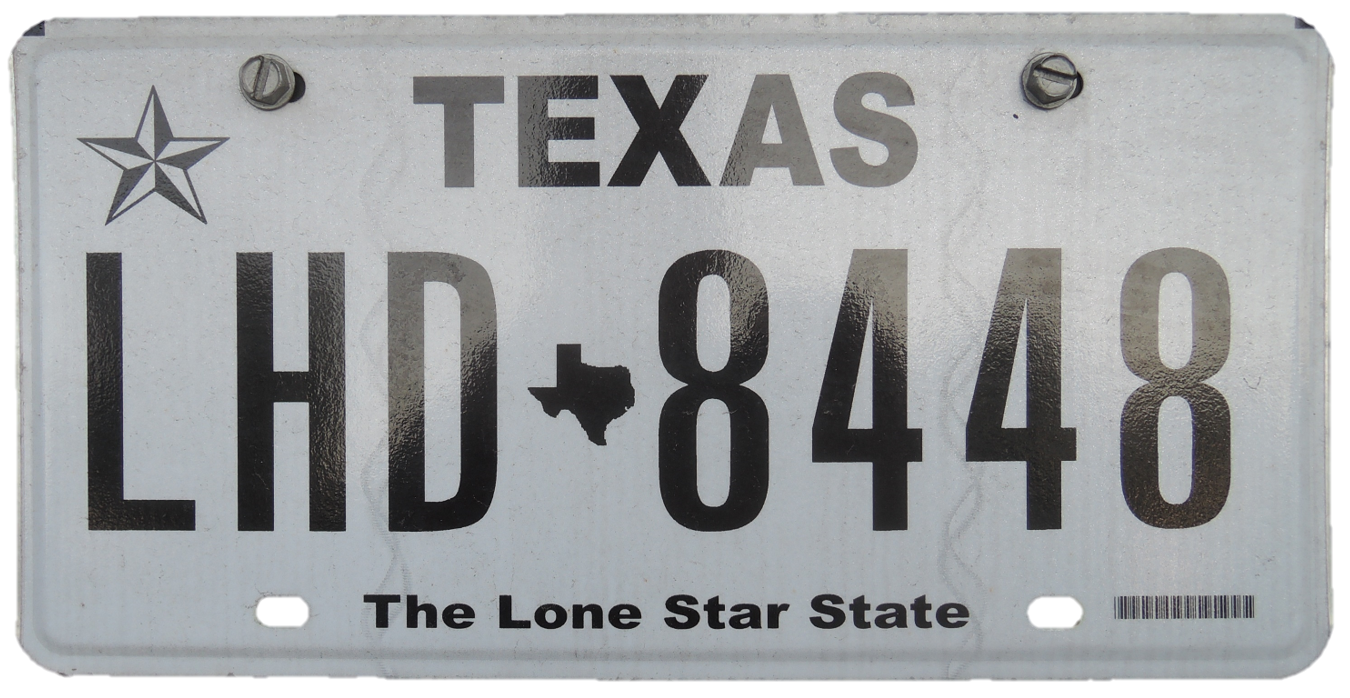
Beyond the electronic toll tags, the term “Texas Tag” can also broadly refer to vehicle registration and license plates. While not directly related to automated toll collection, having a properly registered vehicle is a fundamental requirement for any road travel in Texas. This includes ensuring your vehicle has current license plates and registration stickers issued by the Department of Motor Vehicles. For out-of-state visitors, this means ensuring your home state’s registration is current and valid. For residents, it’s a routine but critical aspect of vehicle ownership, preventing legal issues that could disrupt travel plans. Compliance with these basic requirements ensures that your focus remains on enjoying the journey, rather than navigating unforeseen administrative hurdles.
Maximizing Your Texas Experience with Smart Tag Usage
Harnessing the full potential of your Texas Tag involves more than just sticking it on your windshield. Strategic planning and informed usage can significantly enhance your travel efficiency and overall enjoyment of the state.
Planning Your Route: Integrating Texas Tag into Your Itinerary
Integrating Texas Tag into your travel planning begins with understanding your route. Modern navigation apps like Google Maps or Waze often provide options to display toll roads or suggest routes that avoid them. However, for faster travel, especially between major cities or to reach specific attractions, toll roads can be invaluable. For instance, using toll roads around Austin can save considerable time, allowing you more moments to enjoy the live music scene on Sixth Street or savor the city’s renowned culinary offerings.
Before your trip, it’s wise to research the specific toll roads you might encounter, particularly if you’re venturing into a new metropolitan area. Knowing whether a toll road is part of the NTTA, HCTRA, or TxDOT network isn’t strictly necessary due to interoperability, but understanding the general areas each covers can help with account management. Always ensure your tag account has sufficient funds. Most providers offer online portals or mobile apps where you can check your balance, view transactions, and top up your account, preventing unexpected issues mid-journey. This proactive approach ensures uninterrupted travel, allowing you to focus on the destinations rather than logistical concerns.
A Gateway to Texas Landmarks and Attractions
The extensive toll road networks in Texas act as vital arteries, connecting travelers to the state’s most cherished landmarks and attractions. From the historical depths of San Antonio and its famed San Antonio Riverwalk, accessible via well-maintained highways, to the vibrant cultural hubs of Dallas and Houston, a Texas Tag expedites your journey. For instance, many major interstates like IH 35 (connecting Dallas, Austin, and San Antonio), IH 10 (east-west across the state, passing Houston and San Antonio), and IH 45 (from Dallas to Galveston) have toll lanes or adjacent toll roads that can dramatically cut down travel time. This means more time enjoying the beautiful beaches of South Padre Island or exploring the rugged beauty of Guadalupe Mountains National Park, and less time stuck in traffic.
For those pursuing specific experiences, like a family trip to a theme park or a business stay requiring swift transit between meetings, the efficiency provided by a Texas Tag is unparalleled. It truly transforms the daunting prospect of long drives across a large state into an enjoyable part of the overall adventure, allowing travelers to maximize their itinerary and capture every moment.
Lifestyle and Logistics: Making Travel in Texas Seamless
The impact of “Texas Tag” extends beyond just road travel; it integrates into the broader lifestyle of exploring Texas, influencing budgeting, accommodation choices, and the overall stress level of a trip.
Budgeting for the Road: Understanding Toll Costs and Savings
For budget travelers, understanding toll costs is crucial. While a Texas Tag offers discounted rates compared to “Toll by Mail” invoices, tolls still represent a line item in your travel budget. Planning routes with toll cost estimates can help manage expenses. Many toll authority websites provide calculators or rate schedules. For example, a drive from Houston to Corpus Christi might involve a combination of free and toll roads. By opting for a Texas Tag, you secure the lowest possible rates, making your travel more economical in the long run. This is particularly beneficial for long-term stays or frequent visitors, as the cumulative savings can be substantial. For luxury travel, the negligible cost of tolls is far outweighed by the premium benefit of speed and convenience, ensuring a smooth, uninterrupted journey to exclusive resorts or boutique hotels.
From Hotels to Highways: Ensuring a Smooth Journey
The synergy between efficient road travel and your accommodation experience cannot be overstated. Imagine booking a stay at a serene villa in the Texas Hill Country or a bustling apartment in downtown Dallas. A Texas Tag ensures that your drive to these locations is as stress-free as possible, allowing you to arrive refreshed and ready to enjoy your surroundings. Without one, navigating unexpected toll booths or receiving confusing invoices post-trip can detract from the overall satisfaction of your accommodation choice. Many hotels, especially those catering to business travelers or those with convention centers, are strategically located near major highways and toll roads, making a Texas Tag an implicit necessity for easy access. Whether you’re staying in a five-star hotel like the Grand Hyatt San Antonio River Walk or a charming bed-and-breakfast, seamless transit is key to a positive experience. It transforms the journey from a chore into an integral part of the adventure, perfectly aligning with the aspirations of modern travel.
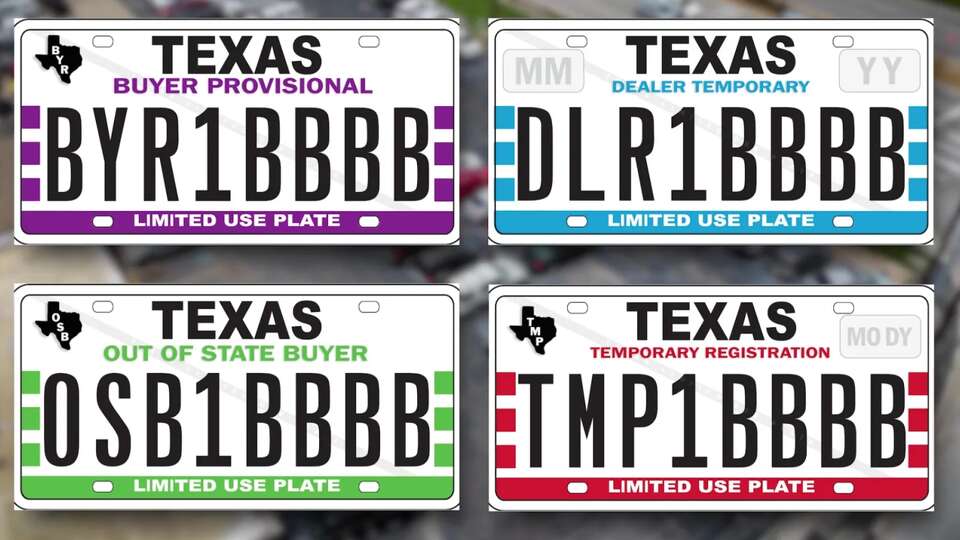
Future of Travel in Texas: Innovations and Evolution
The landscape of Texas tolling is continuously evolving. As technology advances, we can anticipate even more integrated and intuitive systems. Innovations like automatic license plate recognition for toll payment are becoming more sophisticated, and efforts to further enhance interoperability between different state and regional toll authorities are ongoing. The goal remains consistent: to provide travelers with the most efficient and hassle-free means of traversing the vast and dynamic state of Texas. These advancements promise an even smoother journey for future generations of explorers, ensuring that the spirit of adventure in the Lone Star State remains boundless.
In conclusion, “Texas Tag” is far more than just a piece of plastic or a vehicle registration requirement; it’s a vital component of modern travel in Texas. It represents efficiency, convenience, and a commitment to making the journey as enjoyable as the destination itself. For anyone planning to explore the diverse wonders of this incredible state, understanding and utilizing a Texas Tag is the first step towards an unforgettable road trip filled with discovery and delight.
LifeOutOfTheBox is a participant in the Amazon Services LLC Associates Program, an affiliate advertising program designed to provide a means for sites to earn advertising fees by advertising and linking to Amazon.com. Amazon, the Amazon logo, AmazonSupply, and the AmazonSupply logo are trademarks of Amazon.com, Inc. or its affiliates. As an Amazon Associate we earn affiliate commissions from qualifying purchases.