
Nestled high in the Rocky Mountains of Colorado, Breckenridge stands as a beacon for outdoor enthusiasts, offering unparalleled skiing, hiking, and a vibrant historic town. However, its allure comes with a significant consideration: its substantial elevation. Understanding the altitude at Breckenridge is not merely a curiosity; it’s a fundamental aspect of planning a successful and enjoyable trip, directly impacting traveler health, physical activity, and overall experience. For any visitor, being well-informed about the elevation and its implications is the first step toward a memorable high-country adventure.
Breckenridge: A Summit of Rocky Mountain Grandeur
Breckenridge, often simply referred to as “Breck,” is not just a town; it’s an experience defined by its majestic surroundings and, crucially, its elevation. The very air that invigorates visitors also demands respect and preparation. The town itself is situated at a notable base altitude, which then ascends dramatically into the renowned ski resort, offering some of the highest lift-served terrain in North America. This remarkable vertical expanse provides stunning vistas and challenging runs but also requires visitors to be mindful of their physiological responses to reduced oxygen levels. It is this unique combination of breathtaking beauty and the inherent challenges of high-altitude living that makes Breckenridge such a captivating destination for travelers seeking both adventure and tranquility. Its position as a premier mountain resort town means that every aspect of a visit, from leisurely strolls through Main Street to ambitious treks up a fourteener, is touched by the omnipresent factor of elevation.

Pinpointing Breckenridge’s Elevations: Town, Resort, and Peaks
To truly appreciate the vertical world of Breckenridge, it’s important to delineate the specific altitudes that characterize this iconic destination. The varying elevations mean that visitors will experience different atmospheric pressures and oxygen levels depending on where they are within the area, whether exploring the historic district or carving turns on the highest ski runs.
The Historic Town’s Elevation
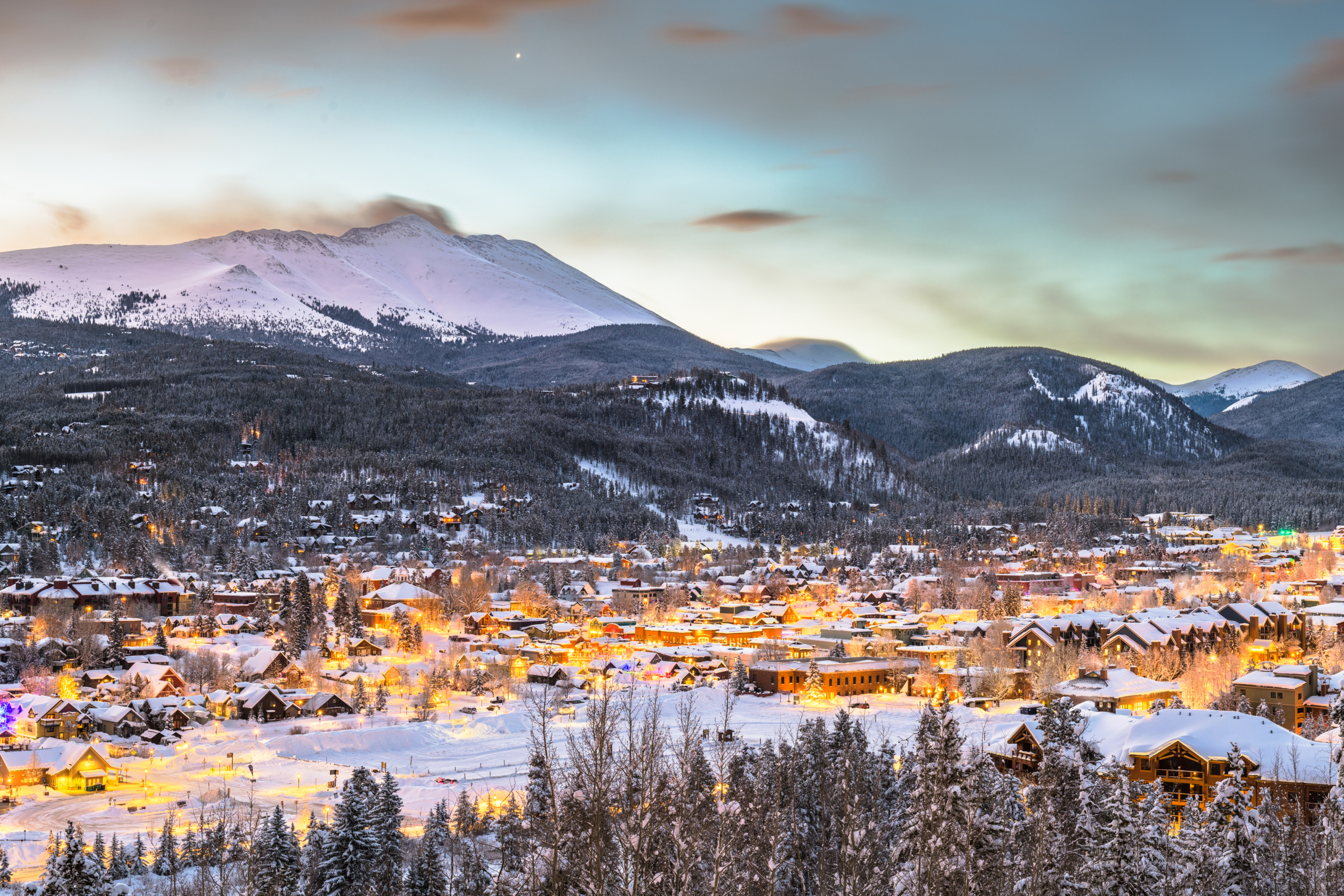
The heart of Breckenridge lies within its charming, historic downtown. The Town of Breckenridge is situated at an elevation of approximately 9,600 feet (2,926 meters) above sea level. This substantial altitude is where most visitors will spend their time exploring the shops, dining at local restaurants, and enjoying the vibrant nightlife. Even at this “base” level, the air is noticeably thinner than at sea level, containing about 30% less oxygen. For many, simply arriving at this elevation can trigger initial symptoms of altitude adjustment. The town’s elevation alone places it among the highest incorporated municipalities in the United States, lending it a unique character and influencing everything from its weather patterns to the types of plants that thrive there.
Breckenridge Ski Resort Base Altitude
Just a short walk or gondola ride from the Town of Breckenridge is the base of the world-famous Breckenridge Ski Resort. The main base areas, primarily the Peak 9 base at the south end of town and the Peak 8 base accessed via the gondola, sit slightly higher than the town. The base of the ski area generally starts around 9,600 to 9,700 feet (2,926 to 2,957 meters). This is where skiers and snowboarders begin their ascent into the high alpine terrain, marking the start of their daily vertical adventure. The layout of the resort, with its interconnected peaks and numerous lifts, means that guests will quickly gain additional elevation as they navigate the slopes.
Soaring to New Heights: Peak Altitudes
The true high-altitude experience at Breckenridge is found on its majestic peaks. The ski resort spans five distinct peaks, each offering unique terrain and soaring to impressive elevations.
- Peak 10: Summit at 12,998 feet (3,962 meters).
- Peak 9: Summit at 12,998 feet (3,962 meters).
- Peak 7: Summit at 12,654 feet (3,857 meters).
- Peak 6: Summit at 12,281 feet (3,743 meters).
- Peak 8: The highest lift-served terrain in North America is on Peak 8, with its summit reaching 12,998 feet (3,962 meters).
The highest point accessible by lift at Breckenridge Ski Resort is via the Imperial Express SuperChair, which takes riders up to an incredible 12,840 feet (3,914 meters). From the top of the Imperial Express SuperChair, advanced skiers can hike a short distance to the very summit of Peak 8 or drop into challenging terrain like the Horseshoe Bowl and Imperial Bowl, experiencing oxygen levels that are significantly lower than anywhere else on the mountain. This extreme elevation is a major draw for expert skiers and snowboarders seeking steep pitches and vast open bowls, but it demands respect and careful attention to one’s physical condition.
The Physiological Realities of High Altitude Travel
Traveling to Breckenridge means entering an environment where the air contains less oxygen per breath. This change, while often imperceptible at first, can have significant physiological effects on the human body, particularly for individuals accustomed to sea-level living. Understanding these realities is paramount for a safe and enjoyable trip.
Understanding Altitude Sickness
The most common concern for visitors to Breckenridge is Acute Mountain Sickness (AMS), often simply referred to as altitude sickness. AMS occurs when your body doesn’t have enough time to adapt to the lower oxygen levels at high altitudes. Symptoms typically appear within 6-24 hours of arrival and can range from mild to severe. Common symptoms include a headache (often throbbing), nausea, dizziness, fatigue, shortness of breath, and difficulty sleeping. It’s crucial to recognize these symptoms early and not dismiss them as a common cold or fatigue from travel. Ignoring mild symptoms can lead to more serious problems.
Who is at Risk?
It’s a common misconception that only out-of-shape individuals are susceptible to Acute Mountain Sickness. In reality, anyone traveling to high altitudes can be affected, regardless of their fitness level, age, or gender. Factors that can increase your risk include a rapid ascent (flying directly from sea level to Denver International Airport and then driving directly to Breckenridge), a history of altitude sickness, and certain pre-existing medical conditions like heart or lung disease. Children and the elderly may also be more vulnerable. It’s important to remember that acclimatization is a highly individual process, and what affects one person may not affect another in the same way.
More Severe Forms: HAPE and HACE
While rare, it’s important to be aware of the more severe, life-threatening forms of altitude sickness: High-Altitude Pulmonary Edema (HAPE) and High-Altitude Cerebral Edema (HACE). HAPE involves fluid accumulation in the lungs, leading to severe shortness of breath, persistent cough, and crackling sounds in the chest. HACE is characterized by fluid accumulation in the brain, causing severe headache, confusion, loss of coordination (ataxia), and altered mental status. Both require immediate medical attention and rapid descent. Recognizing these conditions is critical, though the vast majority of visitors will only experience mild Acute Mountain Sickness if they do experience any symptoms at all.
Strategic Acclimatization: Key to a Successful Breckenridge Visit
Preparing your body for the high altitude of Breckenridge is the most effective way to prevent altitude sickness and ensure a pleasant trip. Strategic acclimatization focuses on allowing your body sufficient time and resources to adjust to the reduced oxygen environment.
Ascend Gradually
One of the most crucial pieces of advice is to ascend gradually. If possible, avoid flying directly into Denver and then immediately driving up to Breckenridge. Spending a night at a lower elevation, such as in Denver (5,280 feet), Frisco (9,071 feet), or Dillon (9,111 feet), can help your body begin the acclimatization process. Once in Breckenridge, take it easy for the first 24-48 hours. Avoid strenuous physical activity, even if you feel fine. Let your body relax and adjust to its new environment.
Hydration is Paramount
High altitude often leads to increased fluid loss through respiration and urination. Dehydration can exacerbate the symptoms of altitude sickness. Therefore, it is absolutely vital to drink plenty of fluids, especially water. Aim for at least 3-4 liters of water per day, starting a day or two before your arrival. Avoid excessive consumption of alcohol and caffeine, as both can contribute to dehydration and disrupt sleep, making altitude sickness worse. Herbal teas, electrolyte drinks, and clear broths are also good choices.
Mind Your Diet
Opt for light, easily digestible meals. Carbohydrates are your friend at altitude, as they require less oxygen for metabolism compared to fats and proteins. Avoid heavy, greasy, or excessively salty foods, which can contribute to digestive discomfort and dehydration. Frequent small meals are often better tolerated than large, infrequent ones. Pack some healthy snacks like fruits and nuts for quick energy boosts.
Rest and Relaxation
Adequate sleep is fundamental to acclimatization. Prioritize getting a full night’s rest, especially during your first few nights in Breckenridge. Avoid late nights and excessive partying, as fatigue can make you more susceptible to altitude sickness. If you experience difficulty sleeping, try relaxation techniques or consult with a doctor about safe sleep aids.
Listen to Your Body
This is perhaps the most important rule. Pay close attention to how you feel. If you start to experience symptoms of Acute Mountain Sickness, stop your activity, rest, and consider descending to a lower elevation if symptoms persist or worsen. Do not try to “tough it out” or push through the discomfort. Descending even a few hundred feet can make a significant difference in alleviating symptoms. Never ascend further if you are experiencing symptoms of altitude sickness.
Consult Your Doctor
For individuals with pre-existing medical conditions (e.g., heart, lung, or blood disorders), those who have previously experienced severe altitude sickness, or anyone with concerns, consulting a doctor before your trip is highly recommended. Your doctor may suggest preventive medications like Acetazolamide (Diamox), which can help speed up the acclimatization process.
Embracing the High-Altitude Lifestyle in Breckenridge
With proper planning and awareness, the high altitude of Breckenridge becomes an invigorating aspect of your travel experience, rather than a hindrance. Embracing the lifestyle means adapting your routines and expectations to match the environment.
Activities and Excursions
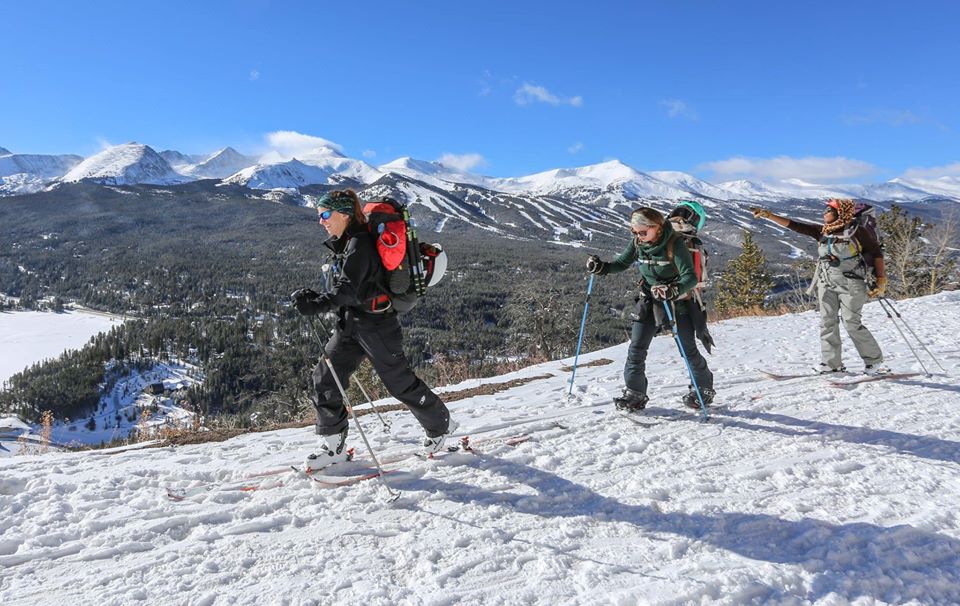
Whether you’re hitting the slopes or exploring summer trails, adjust your activity levels. On your first day, opt for gentle activities like a leisurely stroll through the Town of Breckenridge, light souvenir shopping, or a short, flat walk. If skiing or snowboarding, start with easier runs and take frequent breaks. Gradually increase the intensity and duration of your activities as your body acclimatizes. Remember that even experienced athletes might find themselves more easily winded than usual. Keep an eye on weather conditions, as high-altitude weather can change rapidly and be more extreme.
Dining and Socializing
The vibrant dining and nightlife scene in Breckenridge is a key part of the experience. While enjoying the local cuisine and beverages, maintain your hydration strategy. Alcohol’s effects are often magnified at altitude, so consume it in moderation and ensure you’re drinking plenty of water alongside any alcoholic beverages. Opt for restaurants that offer lighter fare, and don’t be afraid to ask for smaller portions or modifications. Many establishments are accustomed to visitors adjusting to the altitude and are understanding of requests for water.
Essential Gear
Packing smart for Breckenridge’s altitude means preparing for variable weather and intense sun exposure. Even on cloudy days, the sun’s UV rays are much stronger at high elevations due to less atmospheric filtering. Always wear high-SPF sunscreen, even in winter, and bring good quality sunglasses and a hat. Layers of clothing are crucial, as temperatures can fluctuate dramatically throughout the day. Proper footwear, whether for hiking or walking around town, is also important for comfort and safety.
Seeking Medical Assistance
Despite careful planning, sometimes altitude sickness can become more severe or persistent. Breckenridge has medical facilities equipped to handle altitude-related issues. If you or someone in your group experiences worsening symptoms of Acute Mountain Sickness, or any signs of High-Altitude Pulmonary Edema (HAPE) or High-Altitude Cerebral Edema (HACE), seek medical attention immediately. The Breckenridge Medical Center or other local urgent care facilities can provide oxygen therapy and medical assessment. Being proactive and knowing where to go for help can prevent a minor inconvenience from becoming a serious health risk. With mindfulness and preparation, the altitude at Breckenridge will contribute to an exhilarating and memorable journey.
LifeOutOfTheBox is a participant in the Amazon Services LLC Associates Program, an affiliate advertising program designed to provide a means for sites to earn advertising fees by advertising and linking to Amazon.com. Amazon, the Amazon logo, AmazonSupply, and the AmazonSupply logo are trademarks of Amazon.com, Inc. or its affiliates. As an Amazon Associate we earn affiliate commissions from qualifying purchases.