
Nestled in the arid expanse of the Mojave Desert, Las Vegas, Nevada, is a city synonymous with dazzling lights, world-class entertainment, and an undeniable allure. While many come to experience the vibrant energy of the Las Vegas Strip, fewer consider the subtle, yet significant, environmental factor that shapes the city’s atmosphere and the visitor experience: its altitude. Understanding the altitude of Las Vegas offers a deeper appreciation for its unique climate, its historical development, and the practical considerations for those planning a trip to this iconic desert oasis.
The question of “What is the altitude of Las Vegas, Nevada?” is more than just a geographical curiosity; it influences everything from the weather patterns to the way your body reacts to being in the city. This article will delve into the precise elevation of Las Vegas, explore the implications of this altitude on its environment and lifestyle, and provide practical insights for travelers.
The Precise Elevation of Las Vegas
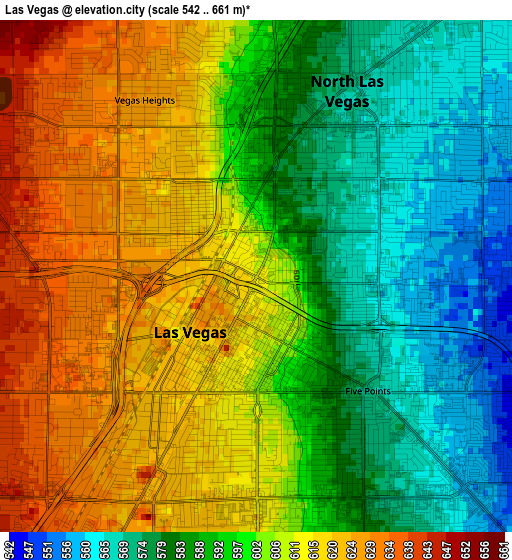
Las Vegas, Nevada, sits at an average elevation of approximately 2,030 feet (619 meters) above sea level. This figure represents the general elevation of the city, and like any urban area, there can be slight variations within different neighborhoods and districts. For instance, areas closer to the foothills of the surrounding mountains might be slightly higher, while those in the valley floor might be a touch lower. However, the 2,030-foot mark is the widely accepted and most accurate average altitude for Las Vegas.
This elevation places Las Vegas in the category of a high-desert city. It’s not as high as major mountain cities like Denver, Colorado (which stands at 5,280 feet), but it’s significantly higher than coastal cities. This moderate elevation plays a crucial role in defining its climate, which is characterized by hot, dry summers and mild winters.
Understanding Altitude and Its Effects
Altitude, simply put, is the height of a location above sea level. The higher the altitude, the thinner the air becomes. This thinning of the atmosphere has several noticeable effects:
- Air Pressure: As altitude increases, atmospheric pressure decreases. This means there are fewer air molecules pressing down on you.
- Oxygen Levels: With lower air pressure comes a reduction in the partial pressure of oxygen. While the percentage of oxygen in the air remains the same (around 21%), there are fewer oxygen molecules available to inhale with each breath.
- Temperature: Generally, temperatures decrease as altitude increases. This is why mountain tops are often snow-capped even in warmer regions.
For Las Vegas, its altitude of just over 2,000 feet means that while the air is somewhat thinner than at sea level, the effects are generally mild for most visitors. However, it does contribute to the arid conditions and the significant temperature fluctuations experienced throughout the day.
The Impact of Las Vegas’s Altitude on Its Environment and Lifestyle
The altitude of Las Vegas is a fundamental factor in shaping its unique environment and the lifestyle it fosters. From the scorching summer days to the crisp desert nights, the elevation plays a subtle yet persistent role.
Climate and Weather Patterns
The Mojave Desert is known for its extreme climate, and Las Vegas is no exception. Its altitude of 2,030 feet contributes to several key climatic features:
- Aridity: Las Vegas receives very little rainfall, averaging only about 4.1 inches per year. This is a hallmark of desert climates, and the altitude, while not the sole cause, is part of the geographical configuration that traps moisture away from the region. The dry air also means that humidity levels are consistently low.
- Temperature Extremes: The high desert environment leads to significant diurnal temperature variations – meaning there’s a large difference between the high temperature during the day and the low temperature at night. While summer days can soar to well over 100°F (38°C), the clear, dry air and the altitude allow temperatures to drop considerably after sunset, often making evenings more comfortable. Conversely, winter days are mild, but nights can dip into the freezing range.
- Sunshine: Las Vegas boasts an average of 310 sunny days per year. The altitude, combined with its desert location, means less cloud cover and more direct sunlight.
The altitude also plays a role in how sunlight feels. Even on a hot day, the dry air at this elevation can make the sun’s rays feel more intense. Visitors should always be mindful of sun protection, including sunscreen, hats, and sunglasses, even if the temperature feels manageable.
Health and Well-being at Altitude

While Las Vegas is not considered a high-altitude city in the same vein as locations in the Rocky Mountains, its elevation of 2,030 feet can still have subtle effects on some individuals, particularly those who are sensitive to changes in atmospheric pressure or who have pre-existing health conditions.
- Dehydration: The dry air, exacerbated by the altitude, can lead to quicker dehydration. It’s crucial for visitors to drink plenty of water, even if they don’t feel thirsty. Alcohol and caffeine can also contribute to dehydration, so moderating their intake is advisable.
- Altitude Sickness (Mild): For the vast majority of visitors, Las Vegas‘s altitude is too low to cause significant altitude sickness. However, individuals who are particularly sensitive, or those arriving from sea level very quickly, might experience very mild symptoms such as a slight headache or mild fatigue. These usually subside quickly as the body adjusts. It’s important to listen to your body, stay hydrated, and avoid strenuous activity on your first day.
- Breathing: Some people might notice that they need to take slightly deeper breaths or feel a bit more winded during physical exertion. This is due to the slightly lower oxygen availability at 2,030 feet. Again, for most people, this effect is minimal and easily managed.
It’s worth noting that many popular resorts and hotels in Las Vegas have sophisticated air filtration and humidity control systems that can help mitigate some of the effects of the dry desert air for guests staying within their premises.
Lifestyle and Activities
The altitude of Las Vegas also influences the kinds of activities that are popular and how they are enjoyed.
- Outdoor Pursuits: While the city is famous for its indoor entertainment, the surrounding desert offers incredible opportunities for outdoor recreation, such as hiking in Red Rock Canyon National Conservation Area or exploring Valley of Fire State Park. The cooler morning and evening hours, facilitated by the altitude’s effect on diurnal temperatures, are often the best times for these activities, especially during the hotter months.
- Nightlife: The thinner, drier air at night can contribute to cooler temperatures, making outdoor patios and rooftop bars particularly appealing. The absence of thick humidity also enhances the clarity of the night sky, though the city’s light pollution can obscure the stars.
- Daytime Activities: During the peak heat of summer, indoor activities are naturally favored. The casinos, restaurants, shows, and shopping malls provide a cool respite from the desert sun. However, for those who enjoy the heat, pool parties and water-based activities remain incredibly popular.
Planning Your Trip to Las Vegas: Practical Considerations for Travelers
Understanding the altitude of Las Vegas, Nevada, and its implications can significantly enhance your travel experience. Whether you’re planning a luxurious stay at a world-renowned resort or a budget-friendly adventure, a little preparation goes a long way.
Staying Healthy and Comfortable
- Hydration is Key: As mentioned, the dry air at 2,030 feet means you need to be proactive about hydration. Carry a water bottle and sip frequently, especially when walking around the Las Vegas Strip or engaging in outdoor activities. Avoid excessive alcohol and caffeine, which can dehydrate you further.
- Sun Protection: The intense desert sun, amplified by the altitude, requires diligent sun protection. Use high-SPF sunscreen, wear a wide-brimmed hat, and invest in sunglasses to protect your eyes. Consider light, long-sleeved clothing if you’re prone to sunburn.
- Pacing Yourself: If you’re arriving from a much lower elevation, take it easy on your first day. Avoid strenuous physical activities immediately upon arrival. Allow your body time to adjust to the slight decrease in oxygen availability and the drier air.
- Listen to Your Body: If you experience symptoms like a headache, dizziness, or nausea, it could be a sign that you need to rest and rehydrate. These symptoms are usually mild and transient at this altitude but should not be ignored.
Packing Smart for the Las Vegas Climate
The altitude influences Las Vegas‘s climate, so packing appropriately is essential for comfort.
- Summer (May-September): Expect extreme heat. Pack light, breathable clothing such as cotton or linen. Swimwear is a must for the numerous pools. Evenings can be cooler, so a light jacket or sweater might be useful. Don’t forget your sun protection gear!
- Fall (October-November): Temperatures become more pleasant. Days are warm, and evenings are cool. Layers are your best friend during this season.
- Winter (December-February): Days are mild and sunny, perfect for exploring. However, nights can be chilly, and temperatures can drop below freezing. Pack warmer clothing, including a jacket, sweaters, and long pants.
- Spring (March-April): Similar to fall, this is a beautiful time to visit with pleasant temperatures. Layers are again recommended.
Exploring Beyond the Strip
The altitude doesn’t preclude exploring the natural beauty surrounding Las Vegas. When planning excursions to places like Red Rock Canyon or Valley of Fire, remember the desert conditions and the potential for temperature fluctuations.
- Early Starts: For hikes and outdoor adventures, aim for early morning or late afternoon to avoid the peak heat.
- Water, Water, Water: Carry more water than you think you’ll need, especially if you’re venturing into more remote areas.
- Sunscreen and Hats: These are non-negotiable for any outdoor activity.
By understanding the altitude of Las Vegas, Nevada, and its subtle influences on climate, health, and lifestyle, you can better prepare for your visit. This knowledge allows for a more comfortable, enjoyable, and well-rounded experience in this dynamic desert city, from its famous casinos and resorts to its breathtaking natural surroundings. Whether you’re a seasoned traveler or a first-time visitor, a little awareness of the elevation can make all the difference.
LifeOutOfTheBox is a participant in the Amazon Services LLC Associates Program, an affiliate advertising program designed to provide a means for sites to earn advertising fees by advertising and linking to Amazon.com. Amazon, the Amazon logo, AmazonSupply, and the AmazonSupply logo are trademarks of Amazon.com, Inc. or its affiliates. As an Amazon Associate we earn affiliate commissions from qualifying purchases.