
Embarking on a journey from the bustling East Coast metropolis of New York to the sun-drenched shores and diverse landscapes of California is more than just covering a distance; it’s an epic traverse across the vast and varied tapestry of the United States. The question “How many miles is it from New York to California?” isn’t as straightforward as it might seem, as the answer depends heavily on your specific starting point in New York and your desired destination in California, as well as the route you choose to take across the continent. However, for a typical cross-country drive connecting major cities like New York City to Los Angeles or San Francisco, you’re looking at an approximate driving distance of 2,800 to 3,200 miles.
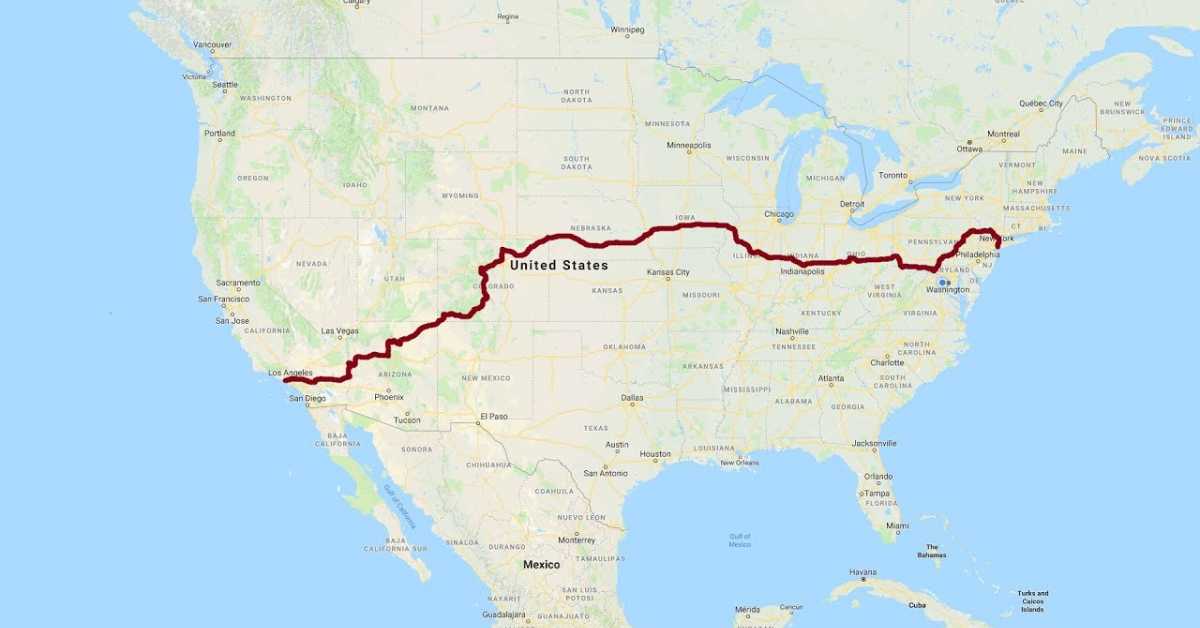
This colossal distance translates into a journey that typically takes anywhere from 4 to 8 days of dedicated driving, without accounting for extensive sightseeing stops. But for the true adventurer, it’s not merely about the miles, but the unforgettable experiences, diverse cultures, and breathtaking landmarks encountered along the way. This guide will delve into the geographical realities, popular routes, various travel modes, and essential planning tips to transform this monumental distance into the journey of a lifetime.
The Epic Scope of a Cross-Country Journey
The sheer scale of traveling from one coast to the other is a defining characteristic of American travel. It’s a journey that cuts across time zones, climates, and landscapes, offering a unique perspective on the nation’s immense beauty and diversity.
Unpacking the Distance: A Geographical Perspective
While the linear “as the crow flies” distance between New York City and Los Angeles is approximately 2,445 miles, road travel always involves detours, winding highways, and topographical considerations. Therefore, the practical driving distance is significantly higher. For instance, a route from Manhattan to Los Angeles could be around 2,800 miles, while a trip from a northern point in Upstate New York to San Francisco could stretch closer to 3,200 miles. Conversely, starting from a slightly more central point and aiming for San Diego might fall somewhere in between.
This variance highlights the importance of specific route planning, which isn’t just about minimizing miles but maximizing the experience. Each mile traversed unlocks a new vista, a different accent, and a fresh culinary delight, making the journey itself an integral part of the destination.
Why Traverse a Continent? The Allure of the American Road Trip
The desire to travel from New York to California stems from a multitude of motivations, each enriching the concept of this epic journey:
- Adventure and Exploration: For many, it’s the ultimate American adventure, a rite of passage to witness the heartland, mountains, deserts, and coasts that define the nation. It’s an opportunity for personal challenge and discovery.
- Relocation: A significant number of cross-country trips are driven by moves for work, family, or a change of scenery, transforming a necessity into an exciting journey.
- Tourism and Sightseeing: This extensive drive offers unparalleled access to some of America’s most iconic landmarks, national parks, and vibrant cities, allowing travelers to curate a truly bespoke itinerary focused on their interests in travel and tourism.
- Family Trips and Bonding: A road trip provides extended quality time for families, creating lasting memories through shared experiences, sing-alongs, and discovery around every bend in the road.
- Business Stays and Extended Work Trips: Even for those traveling for work, the opportunity to see more of the country can be integrated, turning a functional journey into a more comprehensive lifestyle experience.
Navigating the Nation: Popular Routes and Their Distances
Choosing your route is arguably the most exciting part of planning a cross-country trip. Each major corridor offers distinct landscapes, attractions, and cultural experiences.
The Northern Passage: Historic Trails and Scenic Vistas
Often following paths similar to the historic Oregon Trail, a northern route typically utilizes Interstate 90 (I-90) or Interstate 94 (I-94).
- Approximate Distance: 3,000-3,200 miles.
- Typical Driving Time: 5-7 days (pure driving).
- States Traversed (examples): New York, Pennsylvania, Ohio, Indiana, Illinois, Wisconsin, Minnesota, North Dakota, Montana, Idaho, Washington, before heading south into California.
- Highlights: Witnessing the majesty of Niagara Falls, exploring the rugged beauty of Badlands National Park in South Dakota (often a slight detour), and the incomparable wilderness of Yellowstone National Park in Wyoming and Montana. This route is perfect for those who enjoy wide-open spaces, mountain ranges, and vibrant green landscapes.
The Central Corridor: Heartland Highways and Iconic Landmarks
The most direct and arguably most popular route often follows Interstate 80 (I-80) for a significant portion of the journey.
- Approximate Distance: 2,800-3,000 miles.
- Typical Driving Time: 4-6 days (pure driving).
- States Traversed (examples): New York, Pennsylvania, Ohio, Indiana, Illinois, Iowa, Nebraska, Wyoming, Utah, Nevada, leading into California.
- Highlights: Experiencing the architectural marvels of Chicago, marveling at the vastness of the American heartland, traversing the majestic Rocky Mountains, visiting Salt Lake City, and enjoying the scenic beauty of Lake Tahoe on the California-Nevada border. This route offers a quintessential American experience, blending urban exploration with dramatic natural scenery.
The Southern Charm: Sun-Drenched Roads and Cultural Gems
For those seeking warmer climates and a taste of Southern and Southwestern culture, routes like Interstate 40 (I-40) or Interstate 10 (I-10) are popular choices, often requiring a slightly southern start from New York or a detour through states like Virginia.
- Approximate Distance: 2,900-3,300 miles.
- Typical Driving Time: 5-8 days (pure driving).
- States Traversed (examples): New York, Virginia, Tennessee, Arkansas, Oklahoma, Texas, New Mexico, Arizona, then into California.
- Highlights: Immersing yourself in the music scene of Nashville and Memphis, visiting Graceland, exploring remnants of the historic Route 66, standing in awe of the Grand Canyon, and indulging in the vibrant entertainment of Las Vegas. This route offers a rich blend of cultural history, desert vistas, and iconic natural wonders.

Beyond the Miles: Crafting Your Cross-Country Experience
The journey from New York to California is an opportunity to tailor an adventure to your specific preferences, from your mode of transport to where you rest your head each night.
Choosing Your Mode of Transport
While the road trip is quintessential, it’s not the only way to traverse the continent.
- Driving: The Quintessential American Road Trip: Offers unparalleled freedom and flexibility. You can stop whenever inspiration strikes, discover hidden gems off the main highway, and truly immerse yourself in the changing landscapes. This mode of travel allows for diverse lifestyle choices, whether it’s a budget travel adventure, a family trip, or even a luxury travel experience with upscale stops. Considerations include vehicle maintenance, fuel costs, and securing comfortable accommodation each night.
- Flying: The Fastest Path Across the Continent: For those pressed for time, a flight from a New York airport like JFK to LAX in Los Angeles or SFO in San Francisco typically takes 5-6 hours. It’s the most convenient option for business stays or short visits, though it naturally bypasses the ground-level experience of the journey.
- Train Travel: A Scenic and Relaxing Alternative: Amtrak offers several cross-country routes that provide a unique perspective. Routes like the Lake Shore Limited to Chicago, connecting to the California Zephyr to Emeryville (San Francisco area), allow travelers to witness stunning landscapes, including the Rocky Mountains and the Sierra Nevada, from the comfort of an observation car. While slower (often 2-3 days), it’s a wonderfully relaxing way to travel, complete with dining cars and sleeper options for a more luxurious experience.
- Bus Travel: Budget-Friendly and Accessible: Services like Greyhound offer the most economical way to travel cross-country. While it’s the longest journey (often 3-5 days of continuous travel), it provides a practical solution for budget-conscious travelers.
Accommodation Along the Way: From Roadside Motels to Luxury Stays
Your choice of accommodation can significantly shape your road trip experience. The United States offers a spectrum of options to suit every preference and budget, aligning perfectly with our website’s focus on hotels and accommodation solutions.
- Budget-Friendly Options: For cost-conscious travelers, chains like Motel 6, Super 8, and Days Inn are widely available off major interstates, offering clean, basic rooms for an overnight stop.
- Mid-Range Comfort: Brands such as Holiday Inn Express, Hampton Inn, and La Quinta Inn & Suites provide more amenities, often including free breakfast, pools, and fitness centers, striking a balance between comfort and value.
- Luxury and Unique Stays: In larger cities or near popular attractions, you’ll find upscale hotels and resorts like Ritz-Carlton or Four Seasons, offering exquisite suites, fine dining, and unparalleled service. Additionally, platforms like Airbnb allow for unique stays in apartments, private homes, or villas, providing a taste of local living.
- Booking Tips: It’s always advisable to book your hotels in advance, especially when traveling during peak seasons or through popular tourist areas, to ensure availability and potentially secure better rates. Look for amenities that matter most to you, whether it’s a pet-friendly policy, an indoor pool, or specific parking arrangements.
Embracing Local Culture and Cuisine
A cross-country journey is a culinary expedition and a cultural immersion. Each state offers unique flavors and traditions, forming a vital part of the tourism experience.
- Foodie Finds: Savor genuine New York pizza before heading west. Indulge in hearty deep-dish pizza in Chicago, authentic Texas BBQ, spicy Tex-Mex in New Mexico, and fresh seafood once you reach the California coast. Don’t forget to stop at roadside diners for classic American comfort food.
- Cultural Exploration: Take detours to explore local museums, historic sites, and small towns that offer a glimpse into regional history and contemporary local culture. From music cities like Nashville to art communities in the Southwest, there’s always something new to discover.
Essential Planning for Your Cross-Continental Adventure
A successful cross-country trip requires meticulous planning to ensure a smooth, enjoyable, and safe experience.
Budgeting for Your Trip
Creating a detailed budget is crucial, especially for such a significant undertaking.
- Core Expenses: Factor in fuel costs (which will be substantial over 3,000 miles), daily accommodation expenses, and food.
- Additional Costs: Don’t forget tolls (especially prominent on East Coast interstates), entrance fees for national parks or attractions, souvenirs, and a contingency fund for unexpected expenses or emergencies. Your lifestyle choice – whether luxury travel or budget travel – will heavily influence these figures.
Vehicle Preparation and Safety
For a road trip, your vehicle is your most important companion.
- Pre-Trip Inspection: Have your car thoroughly checked by a mechanic. Pay attention to tires (including the spare), oil and fluid levels, brakes, lights, and wipers.
- Emergency Kit: Pack a comprehensive emergency kit including a first-aid kit, jumper cables, flashlight, basic tools, non-perishable food, and plenty of water.
- Navigation: While GPS is invaluable, having a physical map or an offline map application can be a lifesaver in areas with spotty cell service.
- Driver Awareness: Be mindful of changing speed limits across states, varying road conditions (from icy northern passes to scorching desert highways), and wildlife, especially during dawn and dusk.

Packing Smart and Staying Connected
Thoughtful packing and staying connected are key to comfort and peace of mind.
- Layered Clothing: Pack clothes suitable for a range of climates, as you’ll encounter everything from humid plains to chilly mountain passes and desert heat.
- Essentials: Don’t forget personal toiletries, any necessary medications, sunglasses, sunscreen, and entertainment for long stretches (books, podcasts, music).
- Power and Connectivity: Bring power banks and chargers for all your devices. Be prepared for occasional dead zones where cell service might be unavailable, particularly in rural and mountainous regions.
- Travel Insurance: Consider travel insurance, especially if you have expensive equipment, are traveling internationally (e.g., Canadians or Mexicans visiting the US), or simply want extra peace of mind for unforeseen circumstances.
In conclusion, the journey from New York to California represents far more than just thousands of miles. It’s an opportunity to discover the incredible breadth and depth of the American landscape, its vibrant cultures, and its unforgettable landmarks. Whether you’re chasing adventure, relocating, or simply seeking to experience the vastness of the United States, the careful planning of your route, accommodation, and stops will transform this epic distance into a treasure trove of memories. So, pack your bags, fire up the engine, or book your train tickets – your cross-country adventure awaits!
LifeOutOfTheBox is a participant in the Amazon Services LLC Associates Program, an affiliate advertising program designed to provide a means for sites to earn advertising fees by advertising and linking to Amazon.com. Amazon, the Amazon logo, AmazonSupply, and the AmazonSupply logo are trademarks of Amazon.com, Inc. or its affiliates. As an Amazon Associate we earn affiliate commissions from qualifying purchases.