
The discussion surrounding school choice and educational savings accounts (ESAs) in Texas has been a persistent and often fervent debate among policymakers, educators, parents, and community leaders. For families across the Lone Star State seeking alternative educational pathways, understanding who qualifies for these programs is paramount. While the landscape of school choice in Texas can be complex and subject to legislative changes, the general framework for eligibility typically revolves around several key factors, primarily focusing on income levels, student needs, and prior public school enrollment.
School vouchers, or more accurately in the Texas context, ESAs, represent a funding mechanism designed to empower parents with greater control over their children’s education. These programs typically allow a portion of the public funds allocated for a child’s education to be used for approved private school tuition, homeschooling expenses, therapies for students with disabilities, or other educational services. The underlying philosophy is that educational funds should follow the student, rather than being tied exclusively to public school districts. Navigating the specifics requires careful attention to the legislative language and program guidelines that emerge from the Texas Legislature, often shaped during intense sessions at the Texas State Capitol in Austin.
Understanding School Choice and Vouchers in Texas
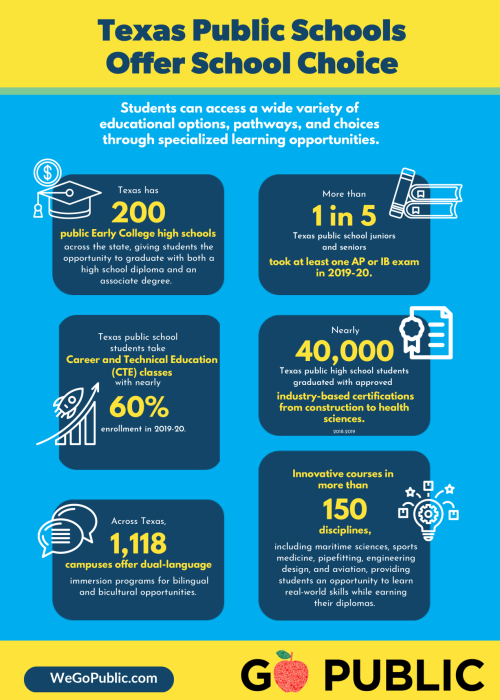
For years, school choice initiatives have been a hot topic in Texas political discourse. While traditional voucher programs directly fund private school tuition, the more commonly proposed model in Texas is the Educational Savings Account (ESA). ESAs are essentially state-funded savings accounts managed by parents, from which they can pay for a range of approved educational services. This broader scope makes them appealing to a wider array of families, including those who homeschool or seek specialized therapies outside of traditional school settings.
The concept gains traction from various perspectives. Proponents argue that ESAs foster competition among schools, leading to improved educational outcomes for all students. They emphasize parental rights, suggesting that parents, as the primary educators, should have the freedom to choose the learning environment that best suits their child’s unique needs, irrespective of their zip code or financial status. For families considering relocating to new cities like Dallas, Houston, or San Antonio, the availability of such programs could be a significant factor in their lifestyle and accommodation choices, influencing where they decide to settle and raise their families, and even impacting their decisions on where to stay during initial visits to scout out communities. The ability to choose a private school or specialized program might outweigh considerations for proximity to public schools, thus altering residential preferences.
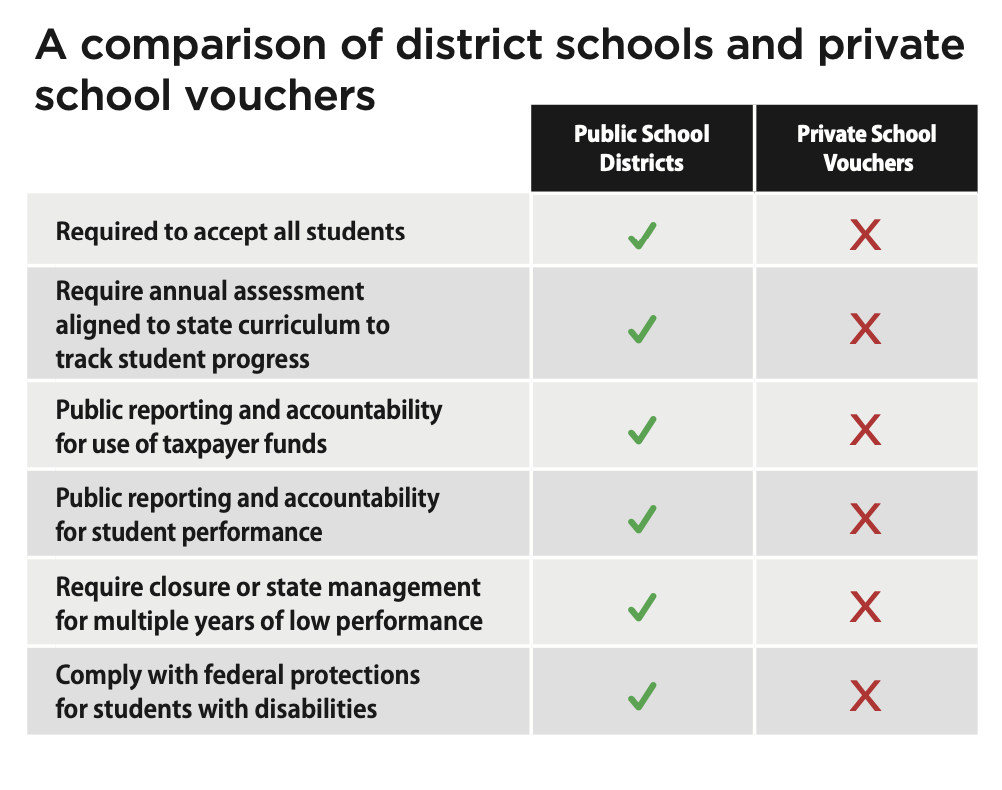
Opponents, however, voice concerns about the potential impact on public schools, fearing that diverting public funds could weaken the system that serves the vast majority of Texas students. They often highlight issues of accountability for private institutions receiving public funds and the potential for ESAs to exacerbate inequities, arguing that only wealthier families could afford to supplement ESA funds for high-tuition private schools, leaving low-income families with limited true choice. This contentious debate means that the specific qualifications for any enacted program are meticulously crafted and fiercely negotiated.
The Legislative Push for ESAs
Efforts to establish a statewide ESA program in Texas have been a recurring feature of legislative sessions. Governors and numerous members of the Texas House of Representatives and the Texas Senate have championed various forms of school choice. Key proposals often focus on incremental implementation, starting with specific groups of students before potentially expanding. Understanding the “who” involves paying close attention to these evolving legislative frameworks, as eligibility is directly tied to the specific language of any bill that manages to pass both chambers and receive the governor’s signature. The Texas Education Agency (TEA) would typically be the body responsible for administering such programs, setting detailed rules and procedures once legislation is enacted.
Key Eligibility Criteria for Texas School Choice Programs
While specific legislative details can vary, common threads emerge in school choice proposals across Texas and other states like Florida and Arizona, which have robust ESA programs. These criteria are designed to target specific student populations deemed most in need of alternative educational options or those whose families face significant financial barriers.
Income and Economic Disadvantage
One of the most frequent qualifications is based on a family’s income level. Most proposals aim to support low- and middle-income families who might otherwise be unable to afford private education or specialized services.
- Federal Poverty Level (FPL): Many bills propose eligibility for families earning up to a certain percentage of the Federal Poverty Level (e.g., 200%, 300%, or 400%). This ensures that the program primarily serves those who genuinely need financial assistance to access educational alternatives. For a family living in a bustling city like Houston, where the cost of living can be higher, such income thresholds are critical in determining eligibility.
- Free and Reduced-Price Lunch Program: Sometimes, eligibility is tied to qualification for the federal Free and Reduced-Price Lunch Program, a common indicator of economic disadvantage used in public schools.
The logic behind these income-based qualifications is to level the playing field, providing opportunities for students regardless of their parents’ financial capacity. This aligns with a broader lifestyle trend of seeking value and opportunity, even for families exploring budget travel or considering long-term stays in different communities.
Students with Special Needs
Another major focus of school choice programs, and often the area with the broadest bipartisan support, is providing options for students with disabilities. These students often require specialized instruction, therapies, or accommodations that may not be readily available or adequately provided in their assigned public school.
- Individualized Education Programs (IEPs) or Services Plans: Students with a diagnosed disability who have an existing Individualized Education Program (IEP) or a Section 504 Plan from a public school are frequently prioritized. ESAs can be particularly transformative for these families, allowing them to fund therapies like speech pathology, occupational therapy, or specialized tutoring outside of the public school system. This can be a huge relief for parents who might otherwise have to navigate complex insurance claims or lengthy waiting lists for crucial services. For families planning trips or considering accommodation for a child with special needs, access to specific educational services can be a major factor in their travel and relocation decisions.
Prior Public School Enrollment Requirements
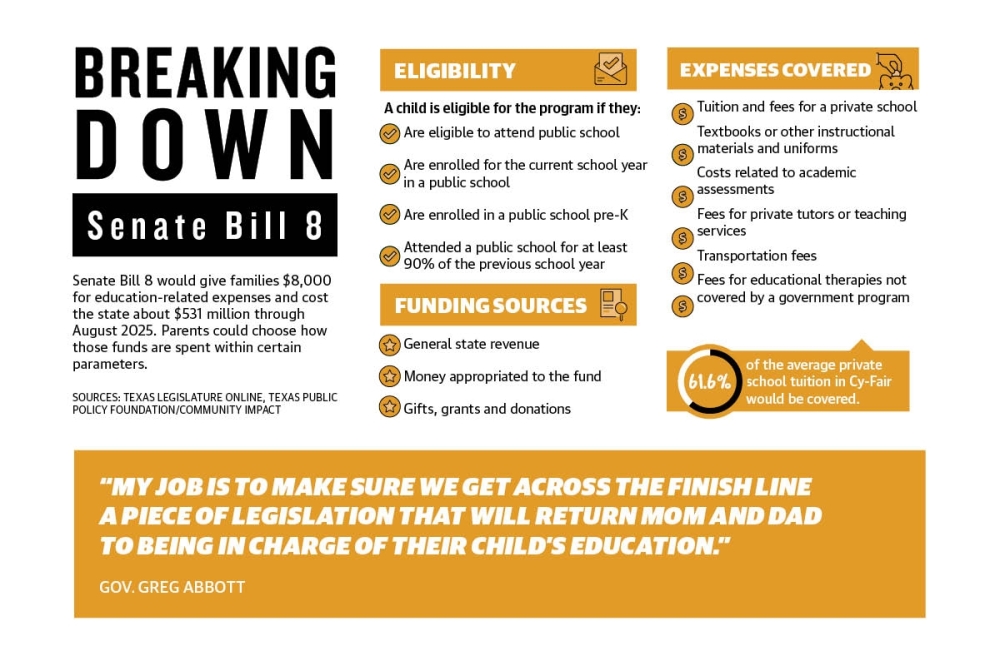
Many ESA proposals in Texas include a provision that students must have been enrolled in a public school for a certain period (e.g., the previous semester or academic year) before becoming eligible for an ESA.
- Preventing “New” Private School Students: This requirement is often included to ensure that the program primarily serves students transitioning out of the public school system, rather than subsidizing the tuition of students who would have attended private school anyway. It aims to demonstrate that the ESA is genuinely offering a choice that was previously unavailable.
- Exceptions for Young Learners: Sometimes, exceptions are made for students entering kindergarten or those transitioning from pre-kindergarten, as they wouldn’t have a prior public school enrollment history.
Other Specific Student Circumstances
Beyond income and special needs, some proposals include eligibility for other specific student populations:
- Children of Military Families: Families of active-duty military personnel or veterans are sometimes given priority, recognizing the unique challenges they face, including frequent relocations.
- Students in Foster Care: Children in the foster care system, who often experience significant educational disruptions, are another group frequently targeted for special consideration in school choice programs.
- Students Attending Failing Schools: In some models, students assigned to public schools consistently rated as “failing” or “low-performing” might be eligible, offering them an escape route from chronically underperforming institutions. This aligns with broader initiatives to improve educational outcomes in all areas of Texas, from rural towns to major metropolitan areas like Fort Worth.
The Mechanics of Texas Educational Savings Accounts (ESAs)
Understanding who qualifies is only one part of the equation; knowing how ESAs actually work provides a complete picture for interested families. These accounts are designed to be flexible, but with strict accountability measures to ensure funds are used appropriately.
Application Process and Funding
The application process for a Texas ESA program, once established, would likely involve a central state agency, most probably the Texas Education Agency (TEA), or a third-party organization contracted by the state.
- Online Application: Families would typically submit an online application, providing documentation to verify income, residency, student disability status (if applicable), and prior public school enrollment.
- Account Funding: If approved, funds would be deposited into a restricted-use savings account for the student. The amount of the ESA would vary based on the specific legislation, but it often represents a percentage of the state’s average per-pupil funding for public schools. For students with disabilities, the amount might be higher to account for the increased cost of specialized services.
- Payment Mechanisms: Parents would use a debit card or a similar mechanism linked to the ESA to pay for approved expenses. Payments would typically be made directly to approved education providers, not reimbursed to parents, to ensure strict oversight of expenditures.
Eligible Educational Expenses
The power of an ESA lies in its versatility. Unlike traditional vouchers that primarily cover tuition, ESAs can be used for a wider array of educational costs, offering true school choice and supporting diverse learning pathways.
- Private School Tuition and Fees: This is often the most significant use of ESA funds, allowing families to enroll their children in participating private schools. Whether it’s a religious school in El Paso or an independent academy near the Houston Museum District, the funds can unlock new opportunities.
- Curriculum and Instructional Materials: For homeschooling families, ESAs can cover the cost of approved curriculum, textbooks, and educational supplies.
- Tutoring and Therapy Services: Students requiring extra academic support or specialized therapies (e.g., speech, occupational, physical therapy) can use ESA funds to access these services from approved providers. This is particularly beneficial for students with special needs.
- Online Learning Programs: The accounts can also fund tuition for online courses and virtual academies, providing flexible learning options.
- Standardized Test Fees: Costs associated with college entrance exams like the SAT or ACT, or other standardized assessments, may also be covered.
- Educational Software and Technology: Approved educational software, devices, and other technological tools that support a child’s learning could be eligible expenses.
- Transportation (Limited): Some programs may allow for limited transportation costs to approved educational providers, though this is less common for full coverage.
Beyond Eligibility: What Vouchers Cover and Their Impact
The implementation of a comprehensive ESA program in Texas would have far-reaching implications, not just for the immediate beneficiaries but for the entire educational ecosystem and broader societal trends.
Impact on Families and Communities
For families, ESAs represent genuine empowerment. They can move from a “take it or leave it” public school assignment to actively choosing the best fit for their child. This choice can significantly impact a family’s lifestyle, allowing them to prioritize educational quality over geographic constraints. A family might choose to live in a neighborhood further from their preferred school if transportation options are available, or they might seek out communities renowned for their diverse educational offerings, from the vibrant culture of Austin to the historical richness of San Antonio. The psychological benefit of knowing they have options and can act on their child’s behalf can reduce stress and foster greater engagement in their child’s academic journey.
For communities, the impact is multifaceted. Private schools might see increased enrollment, potentially leading to expansion or the creation of new specialized programs. Public schools could face increased competition, potentially prompting innovations and improvements to retain students. However, critics worry about the loss of funding for public schools, which are often central pillars of community life, especially in smaller towns or rural areas. The success and impact of these programs are frequently studied, with researchers in states like Indiana and Ohio examining their long-term effects on student achievement and school systems.
Debates and Future Prospects
The debate over school vouchers in Texas is unlikely to subside soon. Proponents will continue to emphasize parental empowerment and the benefits of competition, pointing to successful programs in other states. Opponents will persist in raising concerns about public school funding, accountability, and equity. Any future legislation will undoubtedly incorporate compromises and safeguards aimed at addressing some of these concerns. For instance, caps on the number of eligible students, or a phased implementation focusing first on low-income or special needs students, are common strategies.
As Texas continues to grow and diversify, the demand for varied educational options will only increase. Whether a comprehensive ESA program comes to fruition, and precisely who qualifies, will remain a critical issue shaped by legislative will, public opinion, and the evolving needs of the state’s vibrant and diverse student population. For parents dreaming of sending their child to a specific academy, whether it’s a STEM-focused school or one emphasizing the arts near the Kimbell Art Museum in Fort Worth, staying informed about these legislative developments is essential for planning their children’s future education and, by extension, their family’s lifestyle.
LifeOutOfTheBox is a participant in the Amazon Services LLC Associates Program, an affiliate advertising program designed to provide a means for sites to earn advertising fees by advertising and linking to Amazon.com. Amazon, the Amazon logo, AmazonSupply, and the AmazonSupply logo are trademarks of Amazon.com, Inc. or its affiliates. As an Amazon Associate we earn affiliate commissions from qualifying purchases.