
Understanding time zones is a fundamental aspect of navigating the diverse landscapes of California. As the largest state by population and the third largest by area in the United States, California spans a significant geographical expanse, leading to the critical question for residents and visitors alike: “What is the name of my time zone in California?” The answer, for the vast majority of the state, is straightforward yet crucial for daily life, travel planning, and connecting with others.
The Dominant Time Zone: Pacific Daylight Time and Pacific Standard Time
The overwhelming majority of California observes the same time zone, which officially operates under two names depending on the time of year due to daylight saving: Pacific Daylight Time (PDT) and Pacific Standard Time (PST).

Pacific Standard Time (PST)
During the fall and winter months, from early November to mid-March, California adheres to Pacific Standard Time (PST). This is the “standard” time for the region. PST is UTC-8, meaning it is eight hours behind Coordinated Universal Time (UTC). This is the time zone that governs California when daylight saving is not in effect. Understanding PST is essential for scheduling international calls, coordinating with those in different time zones, and managing business operations that span across continents. For travelers arriving from eastern parts of the United States, such as New York or Florida, the three-hour difference can be a significant adjustment.
Pacific Daylight Time (PDT)
As the days lengthen, California, along with most of the other states observing the Pacific Time Zone, springs forward into Pacific Daylight Time (PDT). This typically begins on the second Sunday in March and ends on the first Sunday in November. PDT is UTC-7, meaning it is seven hours behind UTC. The purpose of daylight saving time is to maximize the use of daylight during warmer months, shifting an hour of daylight from the morning to the evening. For residents of California, this means clocks are set forward one hour. This change impacts daily routines, from morning commutes to evening activities. Tourists planning trips during these months should be aware of this shift to avoid confusion. For example, a flight scheduled to depart from Los Angeles at 7:00 PM PDT will effectively be an hour later in terms of actual daylight compared to the same departure time during PST.
The Geographical Scope
The Pacific Time Zone encompasses the entire state of California. This includes all major cities and regions, from the bustling metropolis of Los Angeles and the capital city of Sacramento, to the tech hub of San Francisco and the vibrant cultural centers of San Diego. Even remote areas and national parks within the state, such as Yosemite National Park or the Death Valley National Park, fall under the same time zone. This uniformity simplifies travel and communication within the state, ensuring that a meeting in San Francisco at 9:00 AM will be at the same local time as a meeting in San Diego at 9:00 AM on the same day.
Exceptions and Considerations
While the entire state of California officially operates under the Pacific Time Zone, it’s important to acknowledge that there are no incorporated cities or counties within the state that officially observe a different time zone. Historically, there might have been discussions or local ordinances in very small, unincorporated areas or border towns regarding time adjustments, but for all practical and legal purposes, California is a single time zone state. This standardization is a significant advantage for state-wide businesses, government operations, and emergency services.
Daylight Saving Time in California
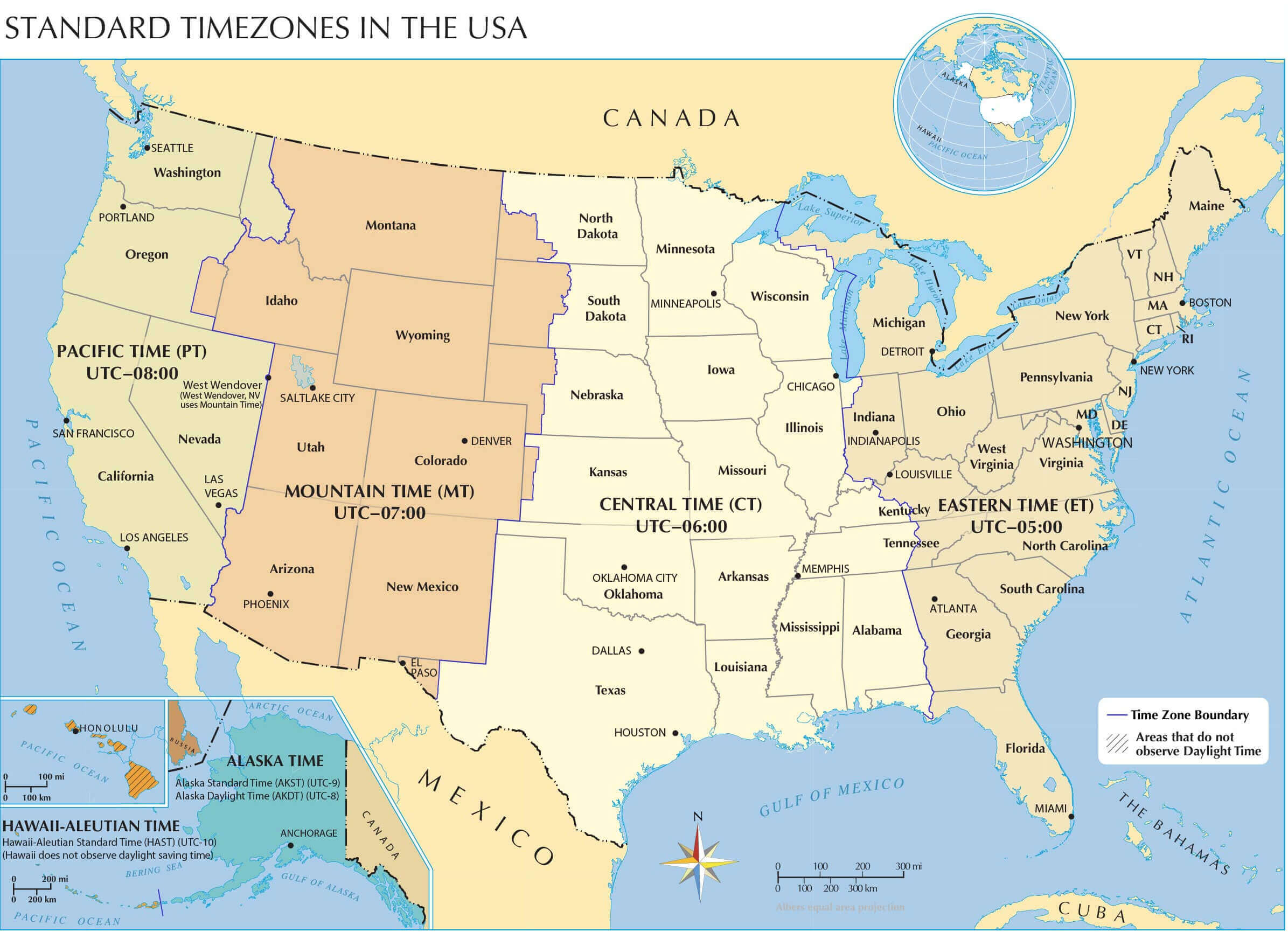
The observance of daylight saving time (DST) in California is mandated by state law, though it aligns with federal guidelines. The state has, at various times, debated or considered opting out of DST. However, as of now, California does observe DST, switching between PST and PDT. This means that twice a year, residents must adjust their clocks. The change usually occurs on a Sunday, which is intended to minimize disruption to the work week. For those traveling to or from California, understanding these DST shifts is paramount. For instance, when California switches to PDT, it aligns its time with parts of Arizona that do not observe DST (which remains on MST year-round, UTC-7), creating temporary overlap. However, most of Arizona observes MST year-round, which is UTC-7.
Navigating Time Zones for Travelers
For travelers, knowing the correct time zone is essential for everything from booking flights and rental cars to making restaurant reservations and planning excursions. When you book a hotel in San Francisco, your check-in time is local time. If you are flying from Chicago, which is in the Central Time Zone (CT), you will need to adjust for the two-hour difference. Flights from Chicago to Los Angeles, for example, will appear shorter due to this time zone change. It’s always wise to confirm the local time upon arrival or consult reliable sources for time zone conversions, especially when dealing with international travel or destinations far from California. Understanding the difference between PST and PDT is particularly important if your travel dates fall around the DST changeover periods.
Practical Implications of California’s Time Zone
The consistent time zone across California has numerous practical implications that affect daily life, business operations, and tourism.
Business and Technology
In the fast-paced world of business and technology, a unified time zone is a significant advantage. Companies headquartered or with large operations in California, particularly in Silicon Valley, benefit from seamless internal communication and scheduling. The proximity of major tech hubs like San Francisco, San Jose, and Palo Alto within the same time zone facilitates collaboration, client meetings, and the synchronization of global operations. Financial markets in Los Angeles and San Francisco operate under PST/PDT, aligning with other major financial centers in the United States.
Tourism and Entertainment
For tourists visiting California, the single time zone simplifies planning. Whether you are exploring the theme parks in Anaheim, visiting the Hollywood Walk of Fame, or enjoying the beaches of San Diego, all activities are scheduled according to the local Pacific Time. This eliminates the need to constantly adjust your watch as you travel from one region of the state to another. For example, a concert at the Hollywood Bowl in Los Angeles will start at the same local time as a Broadway show in San Francisco if they are both scheduled for 8:00 PM. This uniformity enhances the visitor experience and reduces potential confusion.
Communication and Coordination
Effective communication is key in any aspect of life, and understanding time zones is fundamental. For residents of California, coordinating with family and friends in different parts of the country or the world is made easier by the clear definition of PST and PDT. When making calls to friends in Texas (Central Time), for instance, knowing the two-hour difference is crucial. Similarly, coordinating with international partners in Europe or Asia requires a firm grasp of UTC offsets. The predictable nature of California’s time zone allows for more efficient planning of virtual meetings, online events, and personal calls.
The Importance of Time Zone Awareness
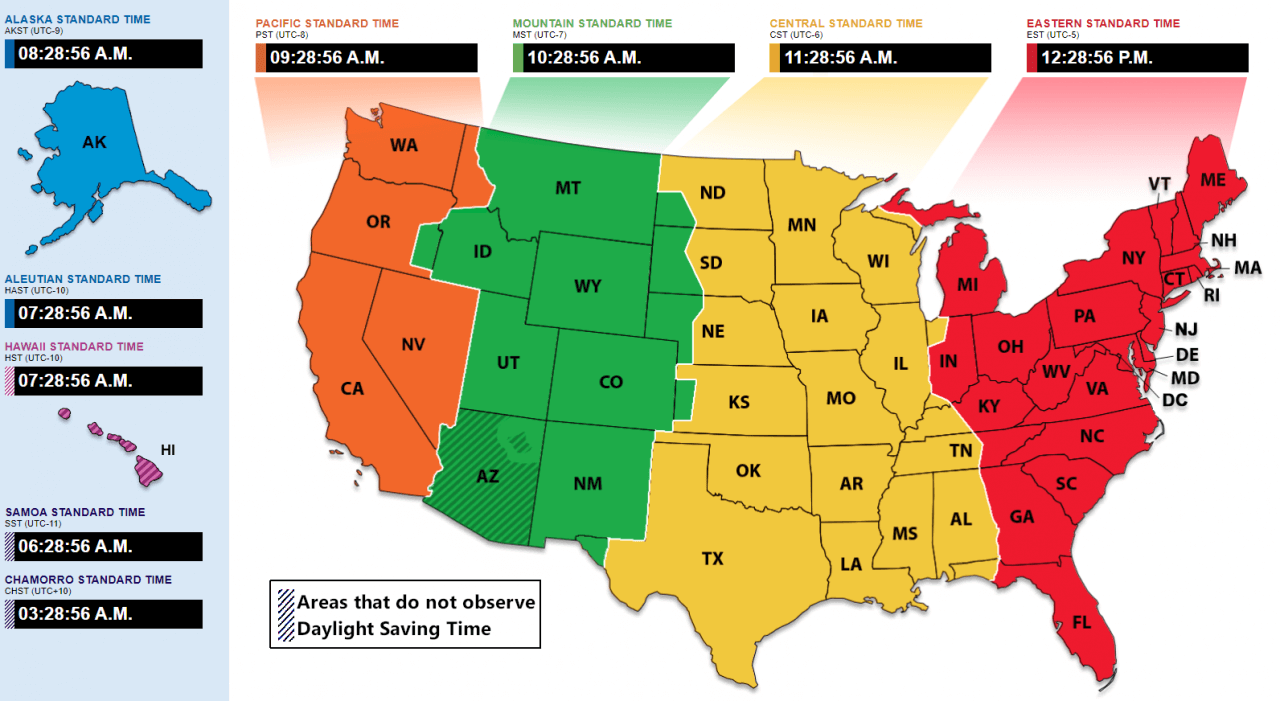
In conclusion, the name of the time zone for the vast majority of California is the Pacific Time Zone, which operates as Pacific Standard Time (PST) during winter months (UTC-8) and Pacific Daylight Time (PDT) during daylight saving months (UTC-7). This consistent timekeeping across the entire state simplifies life for residents, streamlines business operations, and enhances the experience for millions of tourists who visit California each year. Being aware of your specific location within California and the current observance of daylight saving time ensures that you are always on time and connected, whether for business, leisure, or personal matters. The clarity of a single time zone for such a large and populous state is a quiet but significant factor in its functionality and appeal.
LifeOutOfTheBox is a participant in the Amazon Services LLC Associates Program, an affiliate advertising program designed to provide a means for sites to earn advertising fees by advertising and linking to Amazon.com. Amazon, the Amazon logo, AmazonSupply, and the AmazonSupply logo are trademarks of Amazon.com, Inc. or its affiliates. As an Amazon Associate we earn affiliate commissions from qualifying purchases.