
California, often celebrated as the Golden State, is a sprawling and diverse region that beckons travelers from across the globe. From the sun-kissed beaches of Southern California to the majestic redwoods of the north, and from the bustling urban centers to the serene natural landscapes, it offers an unparalleled tapestry of experiences. For anyone planning a trip, moving for business, or simply curious about this iconic part of the USA, understanding its unique geographical and telecommunication landscape is a practical first step. While cellular technology has made memorizing phone numbers less crucial, area codes still serve as a fascinating shorthand for location, identity, and the sheer scale of California.
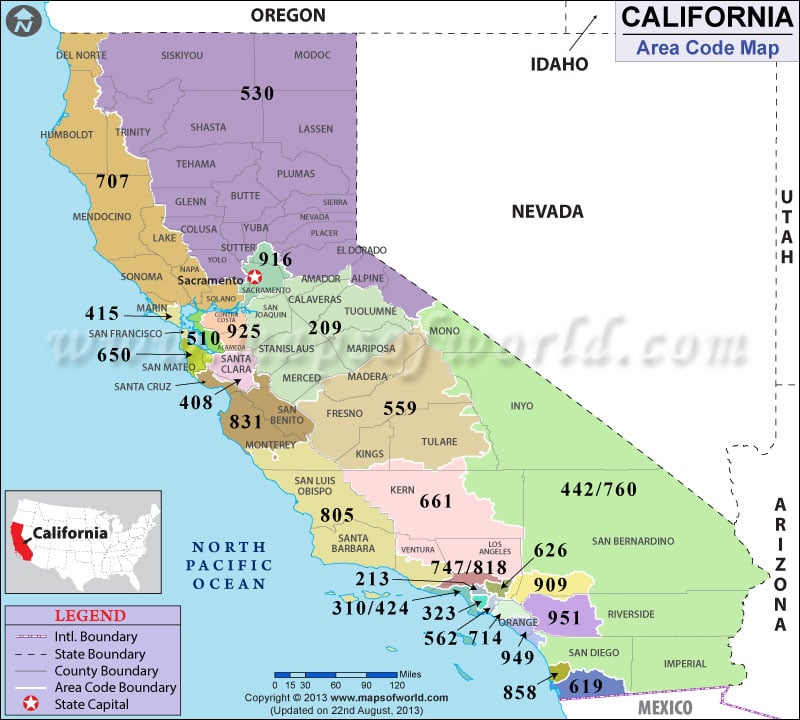
Unlike some smaller states with just one or two area codes, California, due to its immense size and vast population—the most populous state in the nation—boasts a multitude of them. There isn’t one area code for California; rather, a complex system of dozens of codes covers its various regions, cities, and counties. These codes tell a story of growth, urban expansion, and the constant need for more phone numbers to connect its millions of residents and businesses. From the vibrant energy of Los Angeles to the innovative spirit of Silicon Valley and the historic charm of San Francisco, each major metropolitan area and surrounding region typically has its own distinct set of area codes, often with overlays to accommodate increasing demand. This intricate web of numbers is more than just a dialing prefix; it’s a reflection of California’s rich geography, culture, and economic hubs, each offering a unique travel experience for visitors.
Navigating California’s Diverse Area Codes: A Traveler’s Guide
For the modern traveler, knowing the exact area code might seem like a relic of the past, especially with smartphones and instant communication apps. However, understanding California’s area code landscape can still be surprisingly useful. It helps in recognizing local numbers, distinguishing between regions when planning itineraries, and even provides a subtle geographical cue for local businesses and services. Whether you’re searching for a boutique hotel in Napa Valley or a specific attraction in San Diego, being familiar with the local area code can streamline your interactions and deepen your appreciation for the state’s regional identities.
Understanding California’s Geographical Divisions Through Area Codes
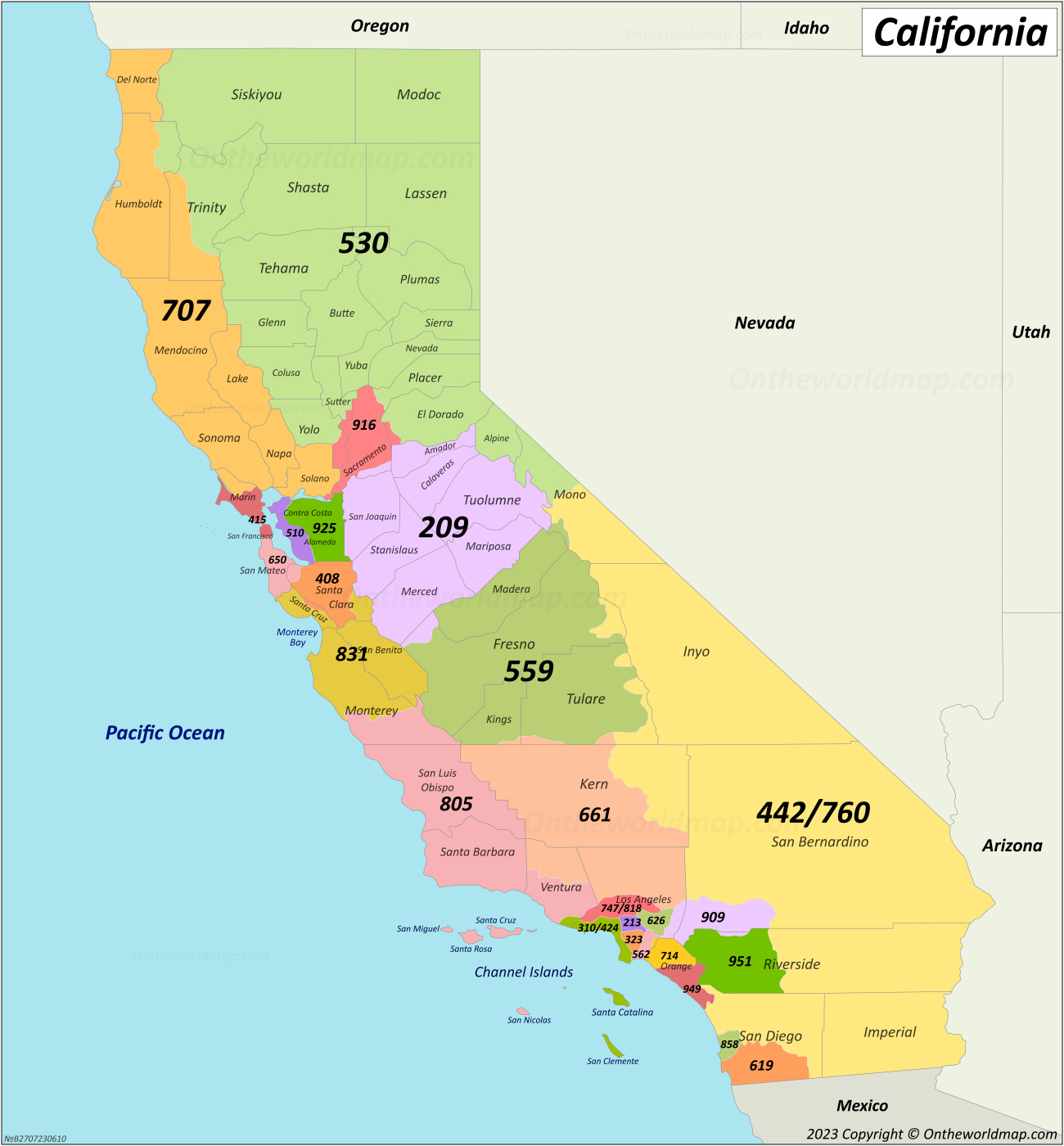
California’s area codes are largely organized geographically, reflecting the state’s major population centers and less densely populated areas. This breakdown offers a glimpse into how the state is structured and where its key hubs are located.
Southern California: This iconic region is home to some of the most recognizable codes.
- Los Angeles County: The sprawling metropolis of Los Angeles is covered by several area codes, including 213 (downtown LA), 323 (central LA), 310 (west LA and South Bay), 424 (an overlay for 310), 818 (San Fernando Valley), 747 (an overlay for 818), and 661 (northern LA County, including Santa Clarita and parts of the Central Valley).
- Orange County: Famous for its theme parks and beaches, Orange County primarily uses 714 and its overlay 657.
- San Diego County: The picturesque city of San Diego and its surroundings are covered by 619 and its overlay 858.
- Inland Empire: The eastern region encompassing Riverside and San Bernardino counties utilizes 909 and 951.
- Palm Springs and Desert Areas: The southeastern desert regions, including Palm Springs, are served by 760.
Northern California: From the tech giants to the wine country, Northern California also has a distinct set of codes.
- San Francisco Bay Area:
- San Francisco City: The iconic city of San Francisco uses 415 and its overlay 628.
- East Bay: Oakland, Berkeley, and other East Bay cities are covered by 510 and its overlay 341.
- Silicon Valley/San Jose: The tech hub of San Jose and surrounding areas are primarily 408 and its overlay 669.
- North Bay/Wine Country: Regions like Napa Valley, Sonoma Valley, and Marin County are covered by 707.
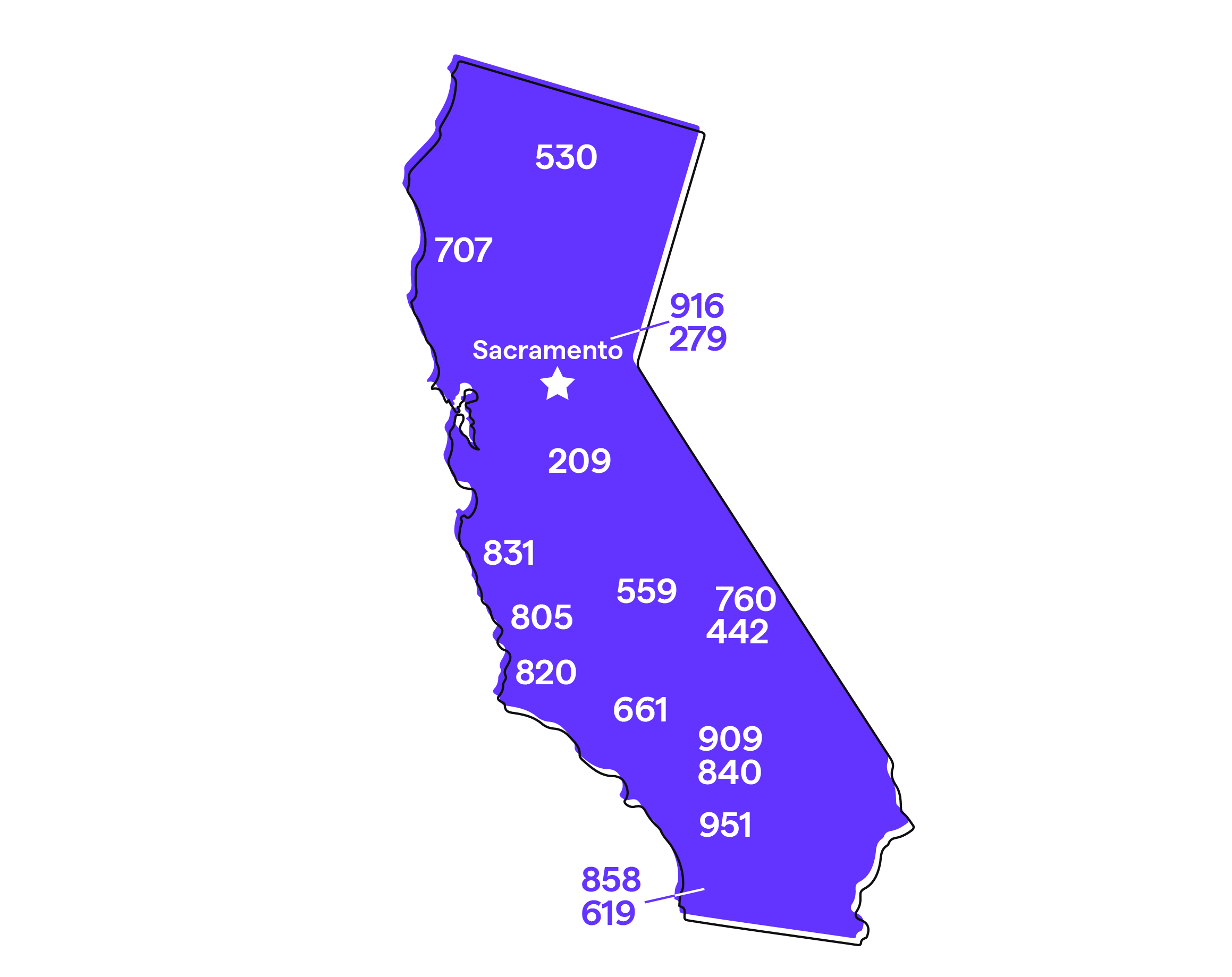
- Sacramento Area: The state capital, Sacramento, uses 916 and its overlay 279.
- Central Valley (Northern Parts): Stretching through the heart of the state, areas like Stockton and Modesto fall under 209.
- Central Valley (Southern Parts): Further south, Fresno and surrounding areas use 559.
Central Coast and Other Regions:
- Central Coast: The scenic Central Coast, including cities like Santa Barbara, San Luis Obispo, and Ventura, is served by 805 and its new overlay 820.
- Far Northern California: The sparsely populated far northern regions have codes like 530.
This extensive list underscores the sheer size and population density of California, making it clear why a single area code would be entirely insufficient.
The Practicality of Area Codes for Modern Travel
While the ubiquity of mobile phones has reduced the need for memorizing area codes for dialing purposes, their practical utility for travelers and those interested in Californian tourism remains. Firstly, when interacting with local businesses, a phone number’s area code immediately signals its geographical base. For instance, if you’re looking up a restaurant or a hotel for an evening in Beverly Hills, seeing a 310 or 424 prefix confirms its local presence, which can be useful when planning logistics like transportation.
Secondly, area codes subtly reinforce regional identity. People often identify strongly with their local area code, which can become a point of pride or a quick way to establish common ground. For a tourist looking to immerse themselves in local culture, understanding these regional markers can be an interesting part of their journey. Furthermore, some older landlines or specific local services might still require dialing the full ten-digit number, including the area code, even for local calls. For those interested in the history of telecommunications, California’s area code evolution also reflects its rapid growth from the mid-20th century onwards, mirroring the state’s economic and demographic boom.
Beyond the Dial Tone: Exploring California’s Premier Destinations
Once you’ve grasped the geographical mosaic that California’s area codes represent, the true adventure begins: exploring the incredible destinations they cover. California is a dream for any traveler, offering a kaleidoscope of attractions, from world-renowned cities to breathtaking natural landmarks.
Iconic Cities and Their Unforgettable Attractions
Each of California’s major cities, reflected in their unique area codes, offers a distinct flavor and a wealth of experiences for every type of traveler.
- Los Angeles: The heart of the entertainment industry, Los Angeles is a city of dreams and dazzling sights. Tourists flock to Hollywood to see the Walk of Fame and the iconic Hollywood Sign. The Griffith Observatory offers stunning views of the city skyline and astronomical wonders. For beach lovers, the Santa Monica Pier provides classic boardwalk fun and beautiful sunsets. Accommodation here ranges from opulent luxury resorts like The Langham Huntington in Pasadena to trendy boutique hotels in West Hollywood, catering to a sophisticated lifestyle traveler.
- San Francisco: Known for its fog, hills, and liberal culture, San Francisco is instantly recognizable. The majestic Golden Gate Bridge is a must-see, offering spectacular photo opportunities. A visit to Alcatraz Island provides a fascinating glimpse into history, while Fisherman’s Wharf buzzes with activity, fresh seafood, and the famous sea lions. Riding a historic Cable Car is an experience in itself. The city’s distinct neighborhoods offer diverse culinary experiences and unique accommodation options.
- San Diego: With its laid-back vibe and year-round pleasant weather, San Diego is perfect for family trips and relaxation. Balboa Park is an urban oasis of museums, gardens, and the world-renowned San Diego Zoo. The historic Gaslamp Quarter comes alive at night with its vibrant dining and entertainment scene. Its beautiful beaches and proximity to Mexico add to its allure.
- Sacramento: The state capital, Sacramento, offers a rich historical perspective. Explore the magnificent California State Capitol building and stroll through Old Sacramento, a preserved Gold Rush-era town with horse-drawn carriages and riverboat cruises. It’s a great stop for those interested in Californian history and a more relaxed urban experience.
- Wine Country (Napa Valley & Sonoma Valley): Just north of San Francisco, Napa Valley and Sonoma Valley are synonymous with world-class wines, gourmet dining, and picturesque vineyards. This region offers a luxurious travel experience, with numerous wineries offering tours and tastings, alongside Michelin-starred restaurants and upscale resorts. It’s a prime example of high-end tourism focused on culinary and sensory delights.
Natural Wonders and Outdoor Adventures
Beyond the cities, California’s diverse landscape offers incredible natural beauty and endless opportunities for outdoor adventures, catering to every lifestyle, from rugged budget travel to indulgent escapes.
- Yosemite National Park: A crown jewel of the national park system, Yosemite National Park is a UNESCO World Heritage site known for its dramatic granite cliffs like El Capitan and Half Dome, giant sequoia groves, and stunning waterfalls. It’s an ideal destination for hiking, camping, and experiencing pristine nature, with various lodges and cabins available for accommodation.
- Lake Tahoe: Straddling the border with Nevada, Lake Tahoe is a vast freshwater lake renowned for its clear blue waters and surrounding Sierra Nevada mountains. It’s a year-round playground, famous for skiing and snowboarding in winter and hiking, boating, and swimming in summer. The area features numerous resorts and casinos, blending natural beauty with entertainment and a vibrant mountain lifestyle.
- Big Sur: Driving the iconic Pacific Coast Highway through Big Sur is an unforgettable experience. This rugged stretch of coastline offers dramatic cliffs, redwood forests, and breathtaking ocean views. It’s a popular spot for scenic drives, hiking, and finding secluded boutique hotels or cabins that offer unparalleled tranquility and natural beauty.
- Death Valley National Park: For those seeking a unique and extreme landscape, Death Valley National Park offers a stark beauty with its vast salt flats, colorful badlands, and towering sand dunes. As one of the hottest places on Earth, it presents a challenging but rewarding adventure, emphasizing the incredible diversity of California’s natural environments.
Planning Your Golden State Getaway: Accommodation, Lifestyle, and Tips
With such a vast array of attractions, planning a trip to California requires careful consideration of your accommodation preferences, desired lifestyle, and budget. The state caters to every whim, ensuring that whether you’re a backpacker or a luxury seeker, you’ll find your perfect Californian experience.
Choosing Your Stay: From Luxury Resorts to Boutique Hotels
California’s hospitality sector is as diverse as its landscape. When it comes to hotels and accommodation, you are truly spoiled for choice:
- Luxury and High-End: For those seeking unparalleled comfort and service, California boasts world-class luxury hotels and resorts. Chains like Ritz-Carlton and Four Seasons offer opulent stays in prime locations like Los Angeles, San Francisco, and Napa Valley. Expect amenities such as gourmet dining, full-service spas, and concierge services tailored to your every need.
- Mid-Range Options: Reputable chains like Hilton and Marriott provide comfortable, reliable, and well-located options across all major cities and tourist hubs. These are excellent choices for business stays or family trips, often featuring amenities like pools, fitness centers, and complimentary breakfast.
- Boutique Hotels: For a more unique and personalized experience, California’s boutique hotels are exceptional. From charming Victorian inns in San Francisco to stylish, art-focused properties in West Hollywood, these establishments often reflect the local culture and offer distinctive decor and service.
- Budget-Friendly Stays: For travelers on a tighter budget, there are numerous motels, hostels, and vacation rentals available, particularly outside the prime tourist zones. Online platforms for booking and reviews are invaluable for finding good value options and comparing prices. Consider areas slightly outside city centers for more affordable rates without sacrificing convenience.
- Unique Accommodations: Beyond traditional hotels, California offers options like glamping in national parks, rustic cabins in mountain areas, or even houseboat rentals on lakes. For a longer stay, serviced apartments or villas can provide a home-away-from-home experience.
When selecting your accommodation, always prioritize location based on your itinerary, read recent reviews, and utilize comparison websites to ensure you’re getting the best value for your chosen amenities.
Tailoring Your California Experience: Lifestyle and Budget
California truly offers a lifestyle for every traveler. Your trip can be meticulously crafted to fit your interests and financial plan.
- Luxury Travel: Indulge in private tours of Napa Valley wineries, stay at a five-star hotel in Beverly Hills, or enjoy a spa retreat overlooking the Pacific Ocean. High-end dining, designer shopping, and exclusive experiences are abundant.
- Budget Travel: Explore the state’s incredible national parks (like Yosemite National Park) with camping or hostel stays, enjoy free attractions like beaches and scenic drives, and savor diverse, affordable street food. Public transportation in major cities can also save on costs.
- Family Trips: California is a paradise for families. Iconic theme parks like Disneyland Resort in Anaheim and Universal Studios Hollywood in Los Angeles are major draws. Beyond theme parks, interactive museums, beautiful beaches, and outdoor adventures cater to all ages.
- Business Stays: For those traveling on business, particularly to tech hubs like Silicon Valley or financial centers in San Francisco and Los Angeles, numerous hotels offer business-friendly amenities, conference facilities, and convenient access to corporate offices.
- Local Culture and Food: Don’t miss the opportunity to dive into California’s vibrant local culture. From farm-to-table dining experiences in San Francisco to authentic Mexican cuisine in San Diego and diverse Asian flavors in Los Angeles, the food scene is exceptional. Engage with locals, explore farmers’ markets, and seek out neighborhood festivals for a true taste of Californian life. Always keep an eye out for local tips on hidden gems and less touristy spots to enhance your experiences.
In conclusion, while the question “What is the area code for California USA?” might seem simple, it opens the door to understanding the sheer scale and diversity of this magnificent state. The multitude of area codes is a testament to its vast geography and countless population centers, each offering unique travel opportunities. From the iconic cities with their famous landmarks to the serene natural wonders, California is a state that promises unforgettable memories. Whether you’re dialing a local number or simply observing the regional identity embedded in these codes, they serve as a subtle reminder of the vibrant, expansive, and ever-inviting Golden State that awaits your exploration. Pack your bags, plan your route, and prepare for an incredible journey across California’s diverse landscapes and experiences.
LifeOutOfTheBox is a participant in the Amazon Services LLC Associates Program, an affiliate advertising program designed to provide a means for sites to earn advertising fees by advertising and linking to Amazon.com. Amazon, the Amazon logo, AmazonSupply, and the AmazonSupply logo are trademarks of Amazon.com, Inc. or its affiliates. As an Amazon Associate we earn affiliate commissions from qualifying purchases.