
The question, “When will California be underwater?” echoes with a sense of both dramatic urgency and an underlying concern for the future of one of the world’s most iconic destinations. While the sensational imagery might conjure visions of a submerged landscape, the reality is far more nuanced, yet equally compelling for travelers and residents alike. This isn’t a doomsday prediction, but rather a crucial conversation about the profound impacts of climate change, particularly sea-level rise, on California’s cherished coastal communities, natural wonders, and the vibrant tourism industry that sustains them. As custodians of our planet and adventurers seeking unforgettable experiences, understanding these shifts allows us to appreciate the Golden State’s present allure with greater reverence and to plan our future journeys with a more informed and sustainable perspective. From bustling metropolises to serene stretches of pristine coastline, California is actively grappling with these environmental challenges, making its future landscape a dynamic blend of enduring beauty and innovative adaptation. For those who love to explore, it presents a unique opportunity to witness this evolution firsthand and contribute to its resilient future.

The Golden State’s Irresistible Allure: A Legacy of Landmark Experiences
California has long captivated the global imagination, a land of unparalleled diversity offering everything from sun-drenched beaches and towering redwood forests to bustling urban centers and serene desert landscapes. Its appeal to travelers is multifaceted, rooted in a rich tapestry of cultural experiences, breathtaking natural beauty, and a pioneering spirit that defines its lifestyle. Before delving into the challenges, it’s essential to appreciate the sheer magnitude of what draws millions to this extraordinary state year after year.
Iconic Coastal Cities and Their Charms
California’s coastline, stretching over 840 miles, is dotted with cities that are, themselves, world-renowned destinations. San Francisco, with its Victorian architecture, iconic cable cars, and the majestic Golden Gate Bridge, offers a unique blend of history, innovation, and bohemian charm. Visitors flock to explore Alcatraz Island, savor fresh seafood at Fisherman’s Wharf, and watch the playful sea lions at Pier 39.
Further south, Los Angeles reigns as a global entertainment capital. From the star-studded streets of Hollywood and the iconic Hollywood Sign to the glamour of Beverly Hills and the sun-kissed sands of Venice Beach, Los Angeles offers an endless array of experiences. Theme park enthusiasts can immerse themselves in the magic of Disneyland in nearby Anaheim or explore the cinematic thrills of Universal Studios Hollywood. The Getty Center and Griffith Observatory provide cultural enrichment and panoramic views.
Even further down the coast, San Diego seduces visitors with its laid-back vibe, pristine beaches like Coronado Beach, and world-class attractions such as Balboa Park and the vibrant Gaslamp Quarter. The dramatic cliffs and marine life of La Jolla Cove are a particular highlight. These cities, along with other coastal gems like Santa Monica (home to the famed Santa Monica Pier), Malibu, Santa Barbara, Monterey, and Carmel-by-the-Sea, form the backbone of California’s tourism landscape, each offering unique experiences blending local culture, exquisite cuisine, and unparalleled natural beauty.
Natural Wonders and Unique Landscapes
Beyond its urban centers, California is a treasure trove of natural wonders. The dramatic cliffs and sweeping vistas of Big Sur, traversed by the legendary Pacific Coast Highway, offer one of the most scenic drives on Earth. Inland, the majestic granite cliffs and ancient giant sequoias of Yosemite National Park draw adventurers from across the globe, while the tranquil beauty of Lake Tahoe provides year-round recreation.
To the north, the towering giants of Redwood National Park evoke a sense of ancient awe, contrasting sharply with the otherworldly landscapes of Death Valley National Park. The wine regions of Napa Valley and Sonoma Valley offer gastronomic delights, while historic sites like Hearst Castle provide a glimpse into the state’s opulent past. This incredible diversity ensures that California appeals to every type of traveler, cementing its status as a premier destination with a legacy of unforgettable experiences.
The Rising Tide: Understanding California’s Climate Challenge
While California’s allure is undeniable, the state is simultaneously on the front lines of climate change. The question of “When will California be underwater?” arises from legitimate scientific concerns about sea-level rise, a phenomenon accelerated by global warming. This isn’t an overnight deluge, but a gradual, inexorable creep that poses significant long-term challenges to the state’s coastal infrastructure, ecosystems, and, critically, its tourism economy. Understanding these projections is key to comprehending the future of travel in the Golden State.
Scientific Projections and Vulnerable Regions
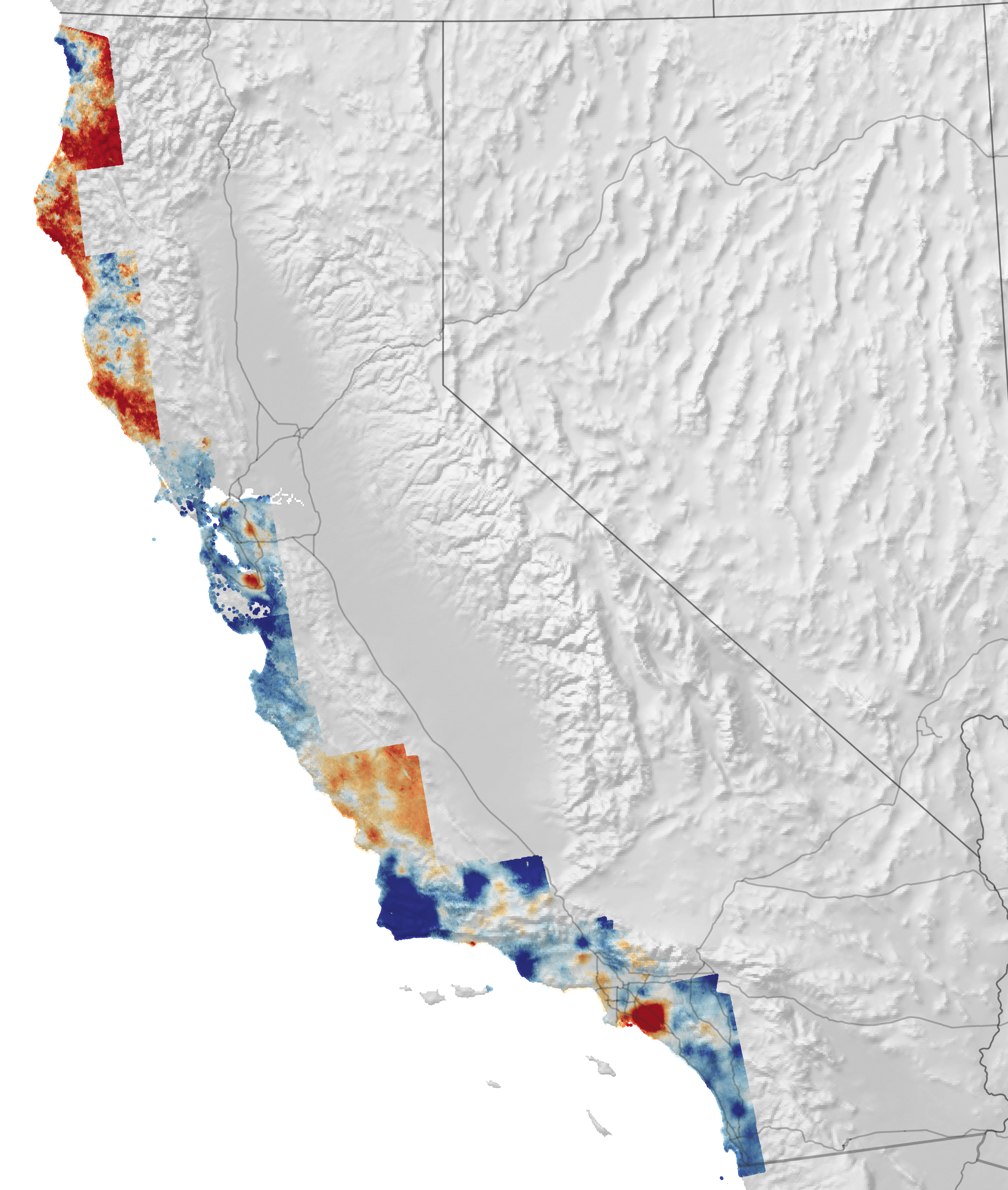
Scientific consensus points to an accelerating rate of sea-level rise due to thermal expansion of ocean water and the melting of glaciers and ice sheets. Projections for California vary based on global greenhouse gas emissions scenarios, but even conservative estimates indicate significant impacts within this century. The California Ocean Protection Council, for instance, predicts a statewide average sea-level rise of 0.5 to 1.1 feet by 2050, potentially increasing to 3.4 to 6.9 feet by 2100 under high-emission scenarios.
Certain regions are particularly vulnerable. Low-lying coastal areas, especially those with existing subsidence, face the greatest immediate threats. The Bay Area, with its extensive shoreline and densely populated urban centers like Oakland, is highly susceptible. Important infrastructure, including parts of San Francisco International Airport, could experience regular flooding. Similarly, the Sacramento-San Joaquin River Delta, a critical freshwater source and agricultural hub, is at risk of saltwater intrusion, which could devastate wetlands and farmland.

In Southern California, popular beach communities such as Huntington Beach, Newport Beach, and Laguna Beach face erosion and inundation. The iconic Santa Monica Pier and the historic Hotel del Coronado in San Diego are situated in areas that will increasingly be exposed to higher tides and storm surges. Natural coastal habitats, including critical wetlands at Point Reyes National Seashore or the urban beaches of Long Beach, provide vital storm protection and biodiversity, but they too are threatened by rising water levels, potentially displacing marine and avian species. This encroachment isn’t merely about land loss; it’s about the fundamental alteration of ecosystems and coastal geomorphology.
Economic and Infrastructural Implications for Tourism
The economic implications for California’s tourism sector are substantial. Coastal real estate, including luxury hotels and resorts, represents billions of dollars in investment. Properties like the historic Hotel del Coronado are not just buildings; they are cultural landmarks that draw visitors. Beaches, the very essence of coastal tourism, face severe erosion, potentially shrinking or disappearing entirely. This directly impacts popular activities such as surfing, sunbathing, and beachfront dining.
Critical transportation arteries are also at risk. Sections of the famed Pacific Coast Highway are already vulnerable to landslides and erosion, challenges that will only intensify with higher sea levels and more frequent storm surges. Major port cities like Los Angeles and Long Beach, which are crucial for cargo and cruise ship operations, face increased operational disruptions. Moreover, the cultural and historical significance of certain coastal landmarks could be compromised, impacting the experiential value for tourists. The changing landscape could lead to higher insurance costs for businesses, potential relocation expenses, and a shift in tourist preferences as certain attractions become less accessible or even disappear. This necessitates proactive planning and investment in resilient infrastructure and innovative tourism models to safeguard California’s golden reputation.
Adapting to Change: Preserving California’s Travel Future
The narrative of “When will California be underwater?” is not one of passive resignation but of active adaptation and resilience. Recognizing the profound threats, California is at the forefront of developing innovative solutions to mitigate the impacts of sea-level rise and ensure its vibrant future as a global travel destination. These efforts encompass both large-scale engineering projects and a fundamental shift towards more sustainable tourism practices.
Innovations in Coastal Protection and Urban Planning
Coastal communities across California are exploring and implementing a range of strategies to protect their shorelines and infrastructure. “Hard” solutions include the construction of seawalls, levees, and revetments, designed to physically block rising waters. Cities like Long Beach and areas within the Bay Area are evaluating how to reinforce existing protections and build new ones without entirely sacrificing public access and natural beauty. However, these solutions are often expensive and can have ecological drawbacks, leading to a greater emphasis on “soft” solutions.
“Living shorelines” represent a more ecologically sensitive approach, utilizing natural elements like restored wetlands, oyster reefs, and dune systems to absorb wave energy, reduce erosion, and allow coastal ecosystems to migrate inland naturally. Projects along the San Francisco Bay and in Orange County are demonstrating the effectiveness of these nature-based solutions. Urban planners are also considering “managed retreat” in some highly vulnerable areas, strategically relocating infrastructure and communities away from the encroaching sea. This involves thoughtful land-use planning, incentivizing development in less vulnerable areas, and redesigning public spaces to be more flood-tolerant and resilient. For example, some waterfront developments are incorporating elevated designs or permeable surfaces to manage water more effectively. These efforts highlight a pragmatic recognition that while some areas can be protected, others may require a more adaptive and flexible approach to coexist with a changing coastline.
Sustainable Tourism: Making Every Trip Count
The tourism industry itself is a critical player in California’s adaptation strategy. The focus is shifting towards sustainable tourism, encouraging practices that minimize environmental impact, support local economies, and preserve cultural heritage. This means promoting eco-friendly accommodations, like the Terranea Resort in Rancho Palos Verdes which emphasizes conservation and local sourcing, or boutique hotels in Santa Barbara that prioritize water conservation and energy efficiency.
Travelers are increasingly encouraged to choose operators and businesses committed to environmental stewardship. This includes supporting tours that educate visitors about California’s unique ecosystems and the challenges they face, or selecting farm-to-table restaurants that reduce carbon footprints. Destinations like Yosemite National Park and Redwood National Park are promoting Leave No Trace principles, encouraging visitors to minimize their impact on fragile natural environments. Furthermore, local governments and tourism boards are investing in “blue economy” initiatives, which focus on sustainable use of marine resources, supporting activities like responsible whale watching in Monterey Bay or sustainable fishing charters. By embracing these principles, travelers can become active participants in preserving the beauty and vitality of California for generations to come, ensuring their visits contribute positively to the very landscapes they cherish.
A Call to Action for the Conscious Traveler
The question “When will California be underwater?” serves not as a deterrent to travel, but as a powerful invitation to experience, understand, and contribute to the resilience of this extraordinary state. While the scientific projections of sea-level rise are clear, they are not prophecies of instant disappearance, but rather calls for informed action and adaptation. California today remains a vibrant, diverse, and utterly captivating destination, teeming with iconic landmarks, unparalleled natural beauty, and a spirit of innovation that is now being directed toward protecting its future.
For the conscious traveler, this moment presents a unique opportunity. Visit California now, and immerse yourself in the grandeur of its coastal cities like San Francisco, the artistic charm of Laguna Beach, or the breathtaking vistas along the Pacific Coast Highway. Experience the awe of its national parks, from the granite domes of Yosemite National Park to the towering trees of Redwood National Park. But as you explore, do so with an awareness of the delicate balance between human enjoyment and environmental preservation.
Support hotels and businesses that are actively engaged in sustainable practices, minimizing their footprint and investing in local communities. Choose tour operators who educate about the state’s environmental challenges and solutions. Engage with local culture, savoring the unique cuisines of places like San Diego or the culinary innovations of Los Angeles. Your choices as a traveler have a ripple effect, contributing to the economic vitality and the sustainability efforts of the places you visit. By being informed and traveling responsibly, you become part of the solution, helping to ensure that the Golden State continues to enchant future generations, adapting its shores and embracing its evolving landscape for centuries to come. The future of California’s captivating coast is not set in stone; it is a narrative still being written, and every visitor has a role to play in shaping its next chapter.
LifeOutOfTheBox is a participant in the Amazon Services LLC Associates Program, an affiliate advertising program designed to provide a means for sites to earn advertising fees by advertising and linking to Amazon.com. Amazon, the Amazon logo, AmazonSupply, and the AmazonSupply logo are trademarks of Amazon.com, Inc. or its affiliates. As an Amazon Associate we earn affiliate commissions from qualifying purchases.