
Texas, a state synonymous with sprawling landscapes, rich history, and a proud independent spirit, is often described using superlatives. When contemplating its sheer scale, the question of its area naturally arises. Understanding the vastness of Texas is key to appreciating its diverse geography, from the piney woods of the east to the arid deserts of the west, and its significant impact on national and international perceptions. This exploration delves into the definitive area of Texas, contextualizing its immensity within the United States and offering insights into what this considerable landmass signifies.
The Definitive Square Mileage of Texas
The official area of Texas is a fundamental piece of data for understanding its place in the world. According to the United States Census Bureau, the total area of Texas is 268,596 square miles (695,662 square kilometers). This figure encompasses both land and water area, providing a comprehensive measure of its territorial extent. This number consistently places Texas as the second-largest state in the United States by total area, surpassed only by Alaska.
Land vs. Water Area Breakdown
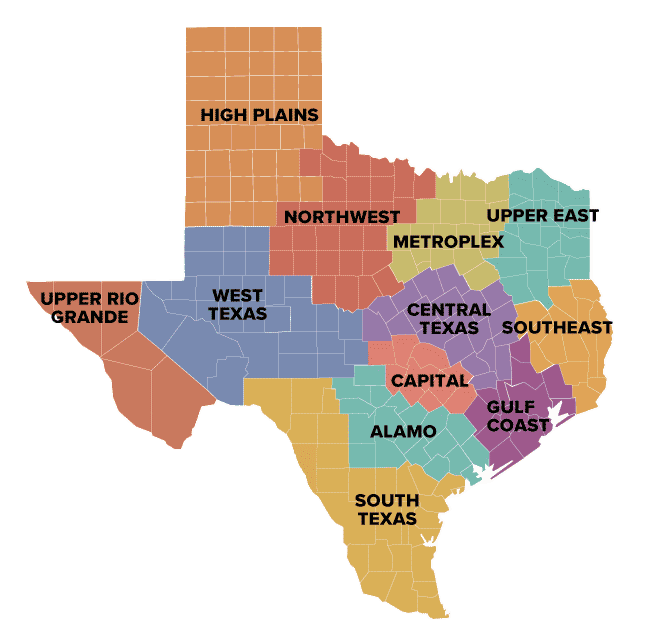
To further dissect this substantial figure, it’s useful to consider the breakdown between land and water. Of the total area, approximately 261,232 square miles (676,587 square kilometers) is land. The remaining 7,364 square miles (19,075 square kilometers) is water, comprising inland lakes, rivers, and coastal waters within the state’s jurisdiction. While water bodies may seem a small percentage, they are crucial for Texas’s ecosystem, economy, and recreational opportunities, supporting industries from shipping in the Gulf of Mexico to freshwater fishing in numerous reservoirs.
Comparison with Other States and Countries
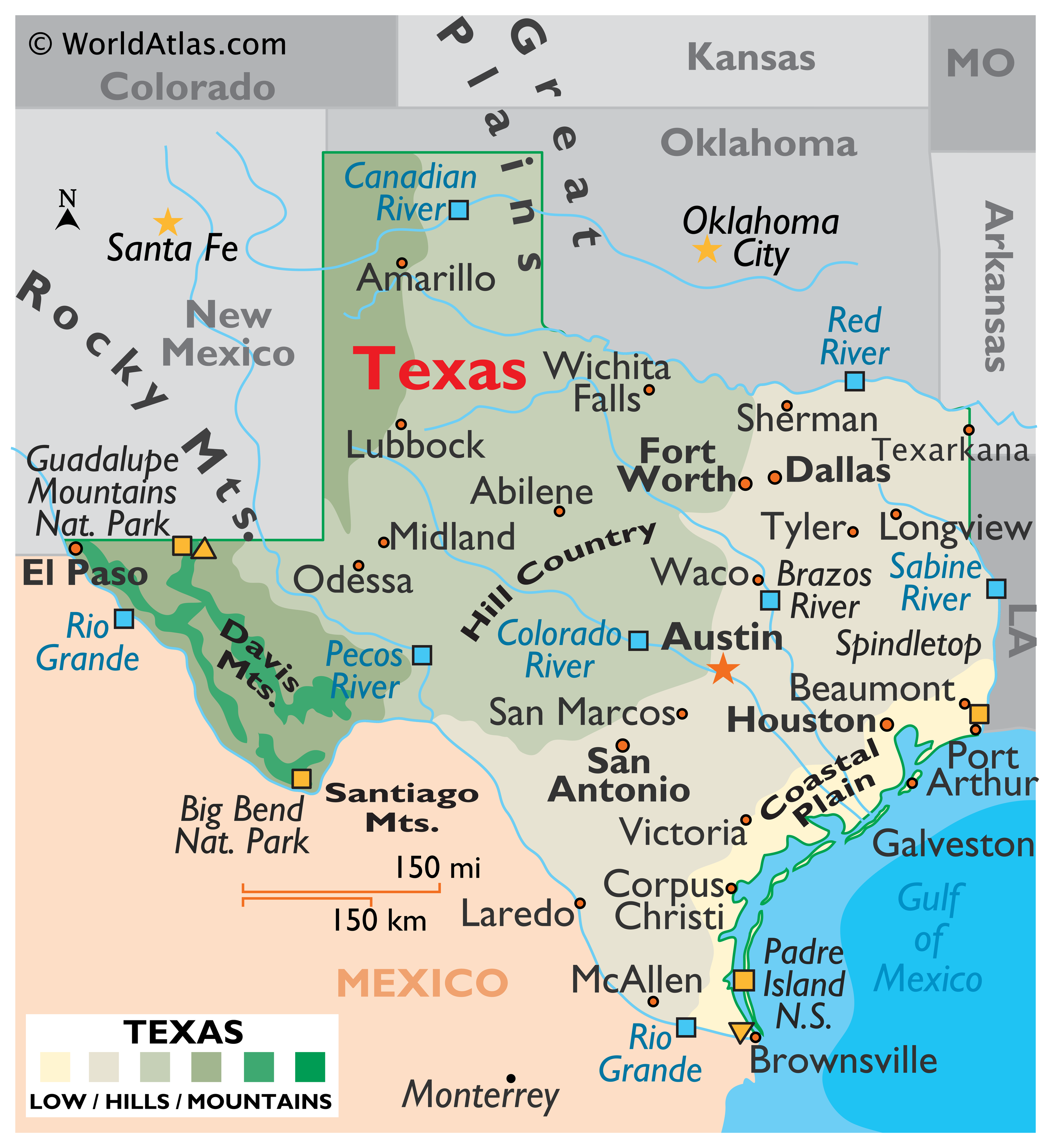
The scale of Texas becomes even more apparent when compared to other entities. It is larger than many countries, including France, Spain, and Sweden combined. Within the United States, its size allows for an incredible diversity of climates and geographical features. For instance, the distance from the northern border near Oklahoma to the southern tip near Brownsville is roughly the same as the distance from Maine to Florida. This vastness translates into distinct regional identities and economic drivers across the state.
Geographical Diversity Across Texas’s Expanse
The immense area of Texas is not a monolithic entity; it is a tapestry woven from a multitude of distinct geographical regions, each with its own unique characteristics, flora, and fauna. This diversity is a direct consequence of the state’s sheer size.
The Piney Woods of East Texas
In the eastern part of the state, the landscape is dominated by the Piney Woods, a vast forest region characterized by dense stands of pine and hardwood trees. This area receives the most rainfall in Texas, creating a humid subtropical climate that supports a rich biodiversity. The forests here are not just scenic; they have historically been a significant source of timber and continue to be important for wildlife habitats and outdoor recreation. Towns like Nacogdoches, the oldest town in Texas, are nestled within this verdant expanse.
The Central Texas Hill Country
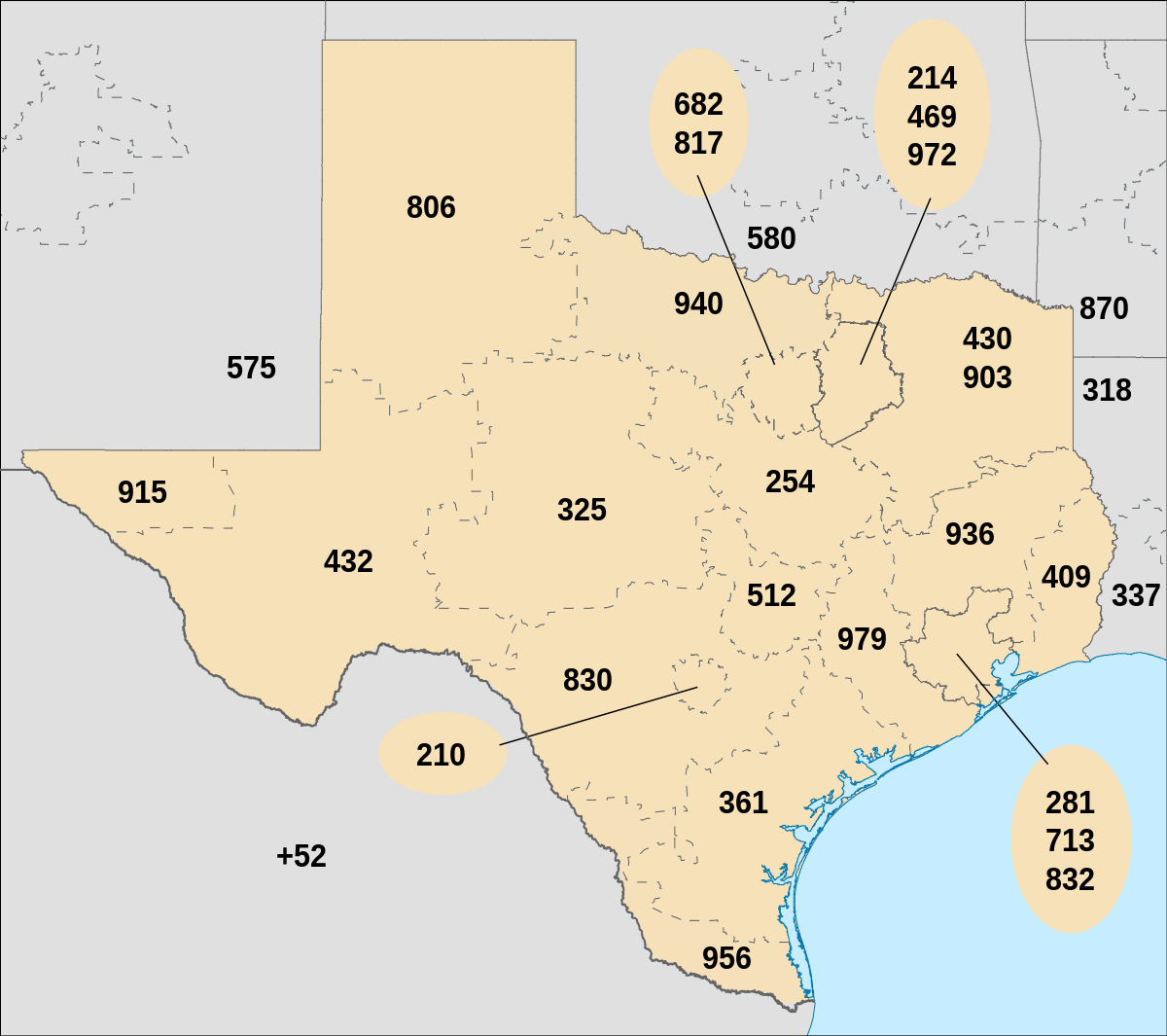
Moving westward, the terrain transitions into the rolling hills and valleys of the Texas Hill Country. This region, often compared to parts of the Appalachian Mountains, is known for its clear rivers, spring-fed swimming holes, and rugged limestone landscapes. Cities like Austin and San Antonio are situated on the fringes of this area, drawing visitors to its natural beauty and charming small towns such as Fredericksburg. The Hill Country is also a significant wine-producing region, adding a unique agricultural dimension to its appeal.
The Trans-Pecos and West Texas Deserts
The westernmost part of Texas, known as the Trans-Pecos, is a starkly beautiful desert and mountain region. This is where the vastness of Texas truly confronts the visitor with its arid grandeur. The Guadalupe Mountains National Park, home to Texas’s highest peak, Guadalupe Peak, exemplifies the dramatic elevation changes and rugged terrain found here. Further south, the iconic landscapes of the Chihuahuan Desert stretch across the border, offering vast, open spaces and unique desert flora like agave and yucca. Cities like El Paso anchor this expansive territory.
The Gulf Coast and South Texas Plains
Along the southeastern edge of Texas lies the Gulf Coast, a long stretch of coastline featuring beaches, bays, and marshlands. This region is vital for the state’s economy through its ports, fishing industry, and tourism. South of this, the South Texas Plains offer a more subtropical climate, transitioning into semi-arid brush country as one moves inland. This region is known for its agriculture, particularly citrus and winter vegetables, and its unique blend of Texan and Mexican cultural influences.
Implications of Texas’s Vast Area
The sheer scale of Texas has profound implications that ripple through its economy, culture, and identity. It shapes everything from transportation infrastructure to agricultural practices and the very way of life for its residents.
Economic Powerhouse Driven by Scale
Texas’s immense area contributes directly to its status as an economic powerhouse. The state boasts significant natural resources, including vast reserves of oil and natural gas, which are extracted from its expansive subterranean deposits. Agriculture, encompassing everything from cattle ranching across vast ranches to cotton and grain cultivation in fertile plains, also thrives due to the sheer amount of arable land available. The diversity of landscapes also supports varied industries, from the port cities along the Gulf Coast facilitating international trade, to the energy sector in the Permian Basin and the burgeoning technology sector in cities like Austin. The logistical demands of managing such a large state also fuel its transportation and logistics industries.
Transportation and Infrastructure Challenges
Managing and connecting such a large geographical area presents unique challenges. Texas possesses an extensive network of highways, roads, and railways, but covering the distances between its major cities can still be a significant undertaking. The longest continuous highway, Interstate 10, stretches across the entire width of the state, a testament to the scale of travel required. Air travel is also a critical component of connectivity, with major hubs like Dallas/Fort Worth International Airport and George Bush Intercontinental Airport serving millions of passengers annually. The maintenance and expansion of this infrastructure demand substantial investment and planning.
Cultural and Regional Identity
The vastness of Texas has fostered distinct regional identities within the state. A Texan from the piney woods of East Texas might have a different outlook and set of cultural references than someone from the arid plains of West Texas or the bustling metropolis of Houston. These regional differences are celebrated and contribute to the rich mosaic of Texan culture. This sense of a shared, yet diverse, identity is a key aspect of the Texan ethos, often underpinned by a strong sense of pride in the state’s size and history. Whether exploring the historic missions of San Antonio, the vibrant arts scene in Austin, or the vast ranches of West Texas, the sheer scale of Texas ensures a unique experience around every corner.
LifeOutOfTheBox is a participant in the Amazon Services LLC Associates Program, an affiliate advertising program designed to provide a means for sites to earn advertising fees by advertising and linking to Amazon.com. Amazon, the Amazon logo, AmazonSupply, and the AmazonSupply logo are trademarks of Amazon.com, Inc. or its affiliates. As an Amazon Associate we earn affiliate commissions from qualifying purchases.