
The rugged, adventurous spirit of Alaska has been immortalized in countless tales, but few cultural artifacts have captured the public imagination quite like the iconic song, “North to Alaska.” Released in 1960, this spirited ballad served as the theme for the John Wayne film of the same name, etching an indelible image of the Last Frontier into global consciousness. While the film provided the visual narrative, it was the gravelly voice and storytelling prowess of Johnny Horton that truly brought the mythos of the Gold Rush era to life, influencing generations of travelers to seek out the wild beauty and untamed spirit of Alaska for themselves. Understanding who sang “North to Alaska” is more than just a trivia question; it’s an entry point into appreciating how popular culture shapes our travel aspirations and highlights specific facets of a destination’s unique appeal.

The Ballad That Defined a Frontier: Johnny Horton’s Enduring Legacy
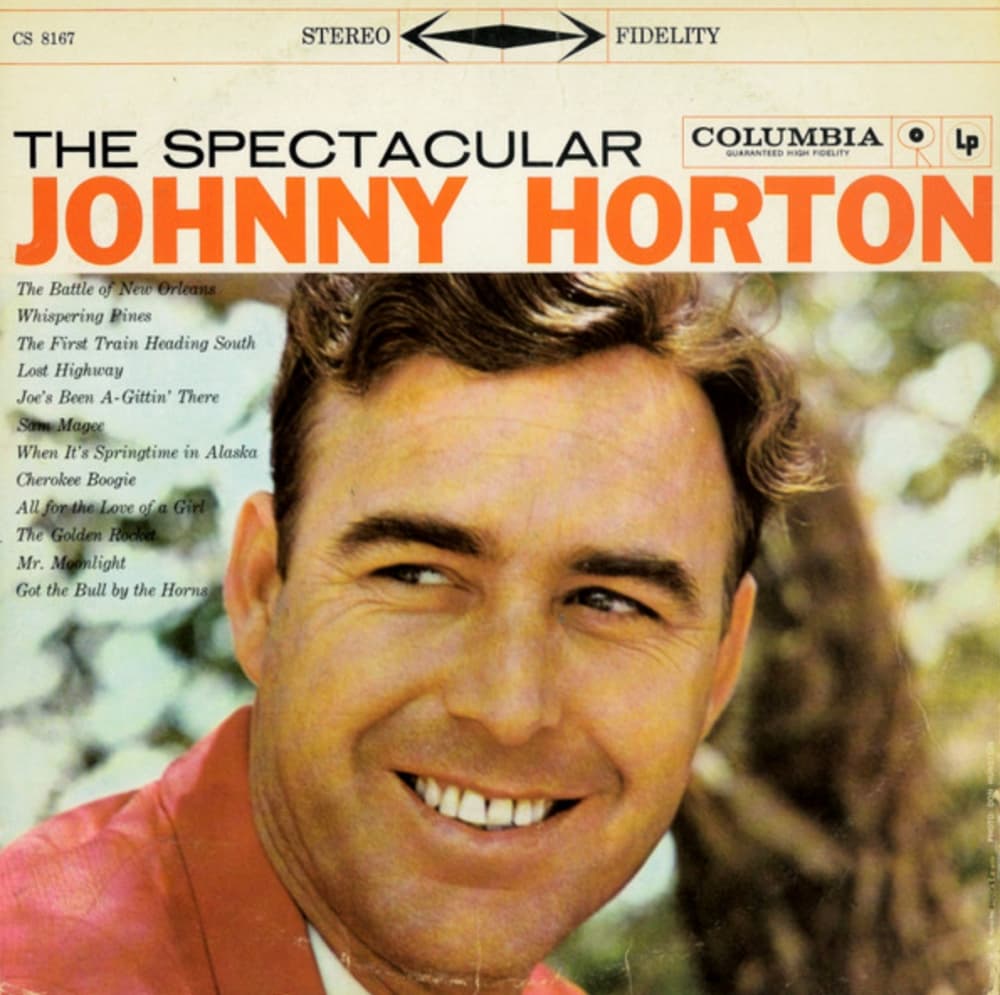
The voice behind the enduring anthem “North to Alaska” belonged to the legendary American country music singer Johnny Horton. Known for his distinctive blend of country, rockabilly, and historical ballads—often termed “saga songs”—Horton possessed a unique ability to transport listeners to different times and places. His storytelling through song was particularly effective in evoking the challenges and triumphs of frontier life, a theme perfectly suited to the narrative of the Alaskan Gold Rush.
Released in 1960, “North to Alaska” quickly became a hit, topping the country charts and crossing over into the pop charts. The song’s catchy melody, vivid lyrics, and Horton’s charismatic delivery painted a picture of rugged individuals venturing into the unknown, driven by the dream of striking it rich. It told a story of “tough old Sam McCord” heading north with “George and Billy” to seek their fortune, enduring hardships and finding adventure. This narrative, steeped in the lore of prospectors and pioneers, perfectly complemented the Twentieth Century Fox film, North to Alaska, starring John Wayne, which premiered the same year. The song’s success was inextricably linked to the film, with its themes of adventure, determination, and the allure of untold riches in the wild north resonating deeply with audiences. Horton’s premature death in a car accident later that year tragically cut short a brilliant career, but his legacy, particularly through songs like “North to Alaska,” continues to inspire and entertain, serving as a powerful sonic gateway to the spirit of Alaska.
Alaska: A Land Inspired by Song and Story
The song “North to Alaska” did more than just provide a catchy tune for a movie; it cemented a romanticized image of the state as the “Last Frontier.” This perception, steeped in tales of rugged independence, breathtaking wilderness, and the pursuit of fortune, significantly influenced how Alaska was, and still is, viewed by potential tourists. The lyrics conjure images of vast, untouched landscapes, icy rivers, and the raw struggle against nature—elements that define the ultimate adventure travel experience.
The Allure of the Last Frontier
Alaska’s identity as a land of opportunity and challenge was largely forged during the historic Klondike Gold Rush of the late 19th and early 20th centuries. While the primary gold fields were in Canada’s Yukon Territory, the main routes to reach them passed through Alaskan ports like Skagway and Juneau. Johnny Horton’s song taps directly into this historical narrative, celebrating the resilience and pioneering spirit of those who braved the harsh conditions. For contemporary tourists, this historical context adds a layer of depth to their visit. They aren’t just seeing beautiful landscapes; they are walking in the footsteps of legendary figures, experiencing a modern echo of that same pioneering spirit. The song’s popularity ensured that even decades later, the imagery of gold prospectors and untamed wilderness remains a core component of Alaska’s tourist appeal, inviting visitors to embark on their own adventures, albeit with significantly more modern comforts.
Experiencing the “North To Alaska” Today: Tourism Activities
For those inspired by Johnny Horton’s ballad and the lure of the Last Frontier, modern Alaska offers a plethora of activities that bring the spirit of “North to Alaska” to life. From exploring historic sites to immersing oneself in the vast natural world, tourists can craft an itinerary that resonates with the adventurous themes of the song.

Retracing the Steps of Prospectors
Several Alaskan towns and historical sites directly connect to the Gold Rush era. Skagway, for instance, was the gateway to the Klondike and still preserves much of its 1898 character. Visitors can walk along boardwalks, visit restored saloons, and even ride the historic White Pass & Yukon Route Railway, which once carried prospectors and supplies deep into the interior. In Fairbanks, another key Gold Rush center, tourists can visit the Gold Dredge No. 8 to learn about gold mining history and even try their hand at panning for gold, a truly hands-on experience that echoes the dreams of those who first went “North to Alaska.” These activities allow a tangible connection to the historical narratives that Horton‘s song romanticized, offering insights into the harsh realities and incredible perseverance of the early pioneers.
Wildlife, Wilderness, and Grandeur
Beyond historical sites, the song’s emphasis on a wild, untamed land finds its modern manifestation in Alaska’s unparalleled natural beauty and abundant wildlife. Destinations like Denali National Park and Preserve offer visitors the chance to witness North America’s tallest peak, Denali, and observe grizzly bears, moose, caribou, and wolves in their natural habitats. The vastness of the landscape and the sheer scale of the wildlife encounters truly embody the “North to Alaska” spirit of grand adventure. Similarly, Kenai Fjords National Park provides dramatic coastal scenery, where tidewater glaciers calve into the ocean, and visitors can spot whales, puffins, and sea lions. These experiences cater to the desire for genuine wilderness immersion, a direct call back to the wild frontier spirit portrayed in the song.
Cruising the Alaskan Waters
For many, an Alaskan cruise is the quintessential way to experience the state’s grandeur, offering a comfortable yet comprehensive journey through its stunning coastal regions. Cruising the Inside Passage allows travelers to visit charming port towns like Juneau, Ketchikan, and Sitka, each offering unique cultural and historical insights. These journeys provide opportunities to witness glaciers up close, spot marine wildlife, and participate in shore excursions that delve into the region’s Indigenous heritage and natural wonders. The vastness of the water, the towering mountains, and the occasional sighting of wildlife from the deck of a ship evoke the sense of discovery and awe that must have been felt by early explorers and prospectors venturing into this remote land. It’s a softer, more luxurious “North to Alaska” experience, but one that still connects deeply with the iconic imagery.
Local Culture and Enduring Spirit
While the “North to Alaska” song emphasizes the rugged individualism of the Gold Rush, a full understanding of Alaskan tourism today must also embrace the rich tapestry of its contemporary local culture and the enduring spirit of its diverse communities. These elements provide a deeper, more nuanced travel experience beyond the initial romanticized narrative.
Indigenous Heritage and Modern Alaska
Alaska is home to twenty distinct Alaska Native cultures, each with its own language, traditions, and art forms. Engaging with this vibrant heritage is crucial for a complete understanding of the state. Tourist destinations like the Alaska Native Heritage Center in Anchorage offer immersive experiences, showcasing traditional dances, storytelling, and artisan crafts. Visiting communities like those in Southeast Alaska provides opportunities to see intricate totem poles, learn about Tlingit, Haida, and Tsimshian cultures, and understand how indigenous knowledge has shaped life in Alaska for millennia. This cultural immersion adds significant value to a trip, moving beyond purely scenic or adventure-based tourism to a profound appreciation of the people who have called this land home long before the first prospectors arrived.
Festivals and Local Flavors
Alaskan culture is also celebrated through a variety of unique festivals and a distinct culinary scene. From the world-famous Iditarod Trail Sled Dog Race, which embodies the spirit of endurance and connection to the land, to local harvest festivals celebrating wild berries and abundant seafood, there’s always something to experience. Food tourism is particularly rewarding in Alaska, known for its fresh salmon, halibut, king crab, and local delicacies such as reindeer sausage and wild game. Restaurants across cities like Anchorage, Juneau, and Homer offer exceptional dining experiences, highlighting the bounty of the land and sea. Exploring local markets, art galleries, and community events allows tourists to connect with the authentic rhythm of Alaskan life, seeing how the enduring spirit of the frontier intertwines with modern living and cultural expression. These rich cultural experiences provide a more holistic and engaging visit, deepening the connection to the destination that the iconic song only begins to suggest.
LifeOutOfTheBox is a participant in the Amazon Services LLC Associates Program, an affiliate advertising program designed to provide a means for sites to earn advertising fees by advertising and linking to Amazon.com. Amazon, the Amazon logo, AmazonSupply, and the AmazonSupply logo are trademarks of Amazon.com, Inc. or its affiliates. As an Amazon Associate we earn affiliate commissions from qualifying purchases.