
Florida’s Space Coast, a region synonymous with celestial ambition, beckons aspiring space tourists and dedicated enthusiasts alike. The thrill of witnessing a rocket ascend into the heavens, a monumental display of human ingenuity and the pursuit of the unknown, is an experience unlike any other. For those planning a trip around this awe-inspiring event, knowing the launch schedule is paramount. This guide delves into how to stay informed about upcoming rocket launches from Florida, transforming a potential guesswork into a meticulously planned adventure.
The anticipation surrounding a rocket launch is palpable. It’s more than just watching a vehicle lift off; it’s about connecting with a moment of significant human achievement, a testament to scientific endeavor that often sparks wonder and inspires future generations. Whether you’re a seasoned astronautical aficionado or a curious first-time visitor, the ability to time your visit to coincide with a launch can elevate your Florida experience from memorable to truly extraordinary. This involves understanding the various launch providers, the complexities of scheduling, and the best resources to access up-to-the-minute information.
Understanding Florida’s Launch Landscape
Florida, often dubbed the “Space Coast,” is home to two primary launch sites: the historic Kennedy Space Center (KSC) and the adjacent Cape Canaveral Space Force Station. These sites have been the launching pad for countless missions, from the groundbreaking Apollo program to the ongoing operations of NASA and commercial spaceflight companies.
Key Launch Providers and Their Missions
Several entities are actively launching rockets from Florida, each with its own distinct mission profile and launch cadence. Understanding these players is crucial for tracking potential launch dates.
NASA (National Aeronautics and Space Administration)
NASA remains a dominant force, utilizing the Kennedy Space Center for its crewed missions, deep space exploration endeavors, and scientific payloads. Their launches are often high-profile, involving the Space Launch System (SLS) rocket for lunar and interplanetary missions, or the Commercial Crew Program spacecraft like Crew Dragon and Starliner for transporting astronauts to the International Space Station. NASA launch schedules are subject to rigorous testing and preparation, and while often announced well in advance, they can be subject to change due to technical readiness, weather, or mission-specific requirements.
SpaceX
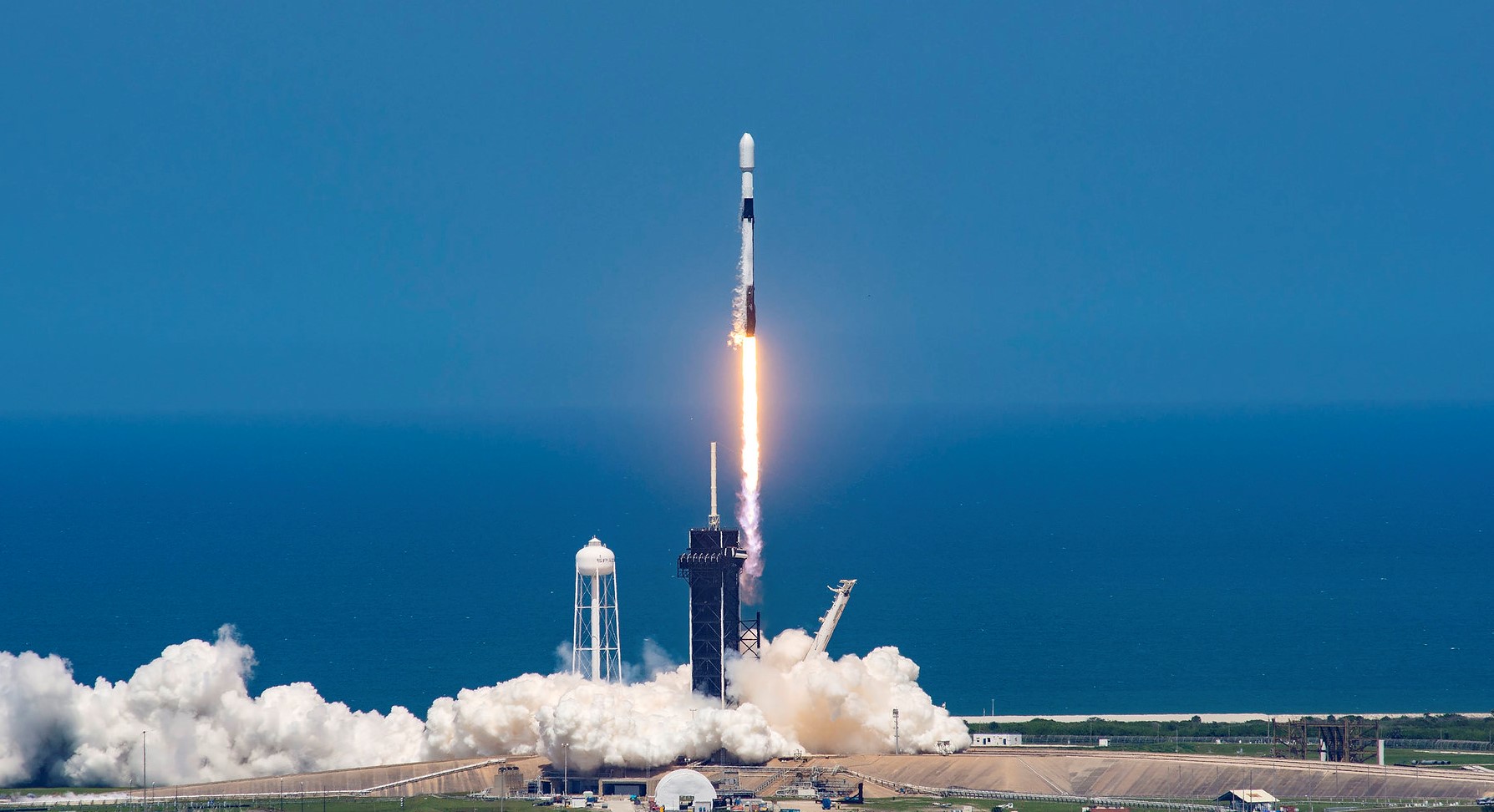
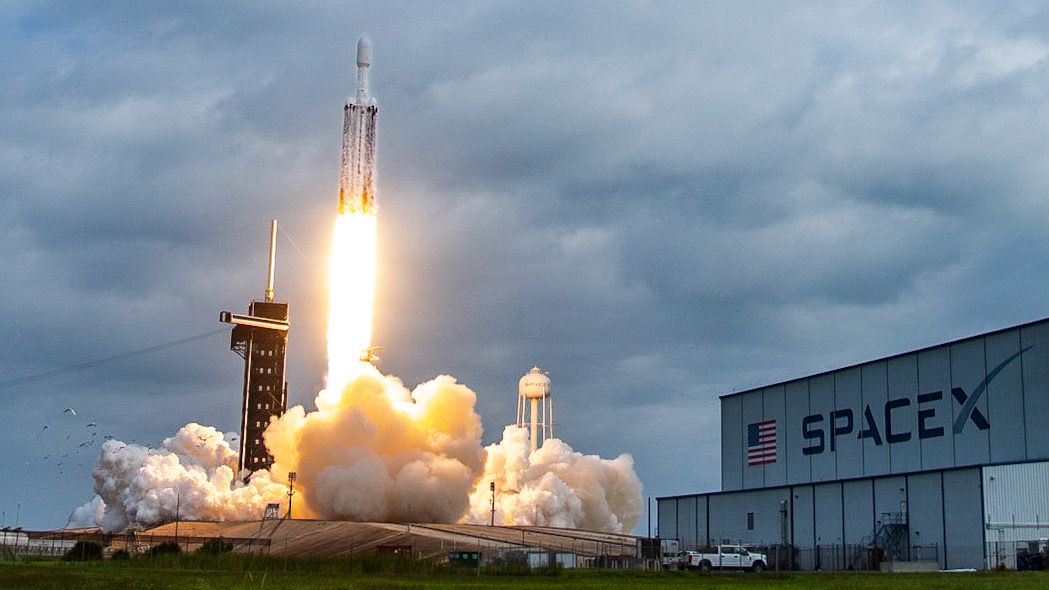
SpaceX, founded by Elon Musk, has revolutionized the space industry with its reusable rocket technology and ambitious goals. Operating from both Cape Canaveral Space Force Station and Kennedy Space Center, SpaceX launches a variety of missions, including its workhorse Falcon 9 rocket for satellite deployments, cargo resupply to the ISS, and its burgeoning Starlink internet constellation. They also utilize the more powerful Falcon Heavy for heavier payloads. SpaceX is known for its relatively high launch cadence, meaning there are frequently opportunities to witness their launches. Their operational agility often leads to launch windows being updated with shorter notice compared to some government missions.
United Launch Alliance (ULA)
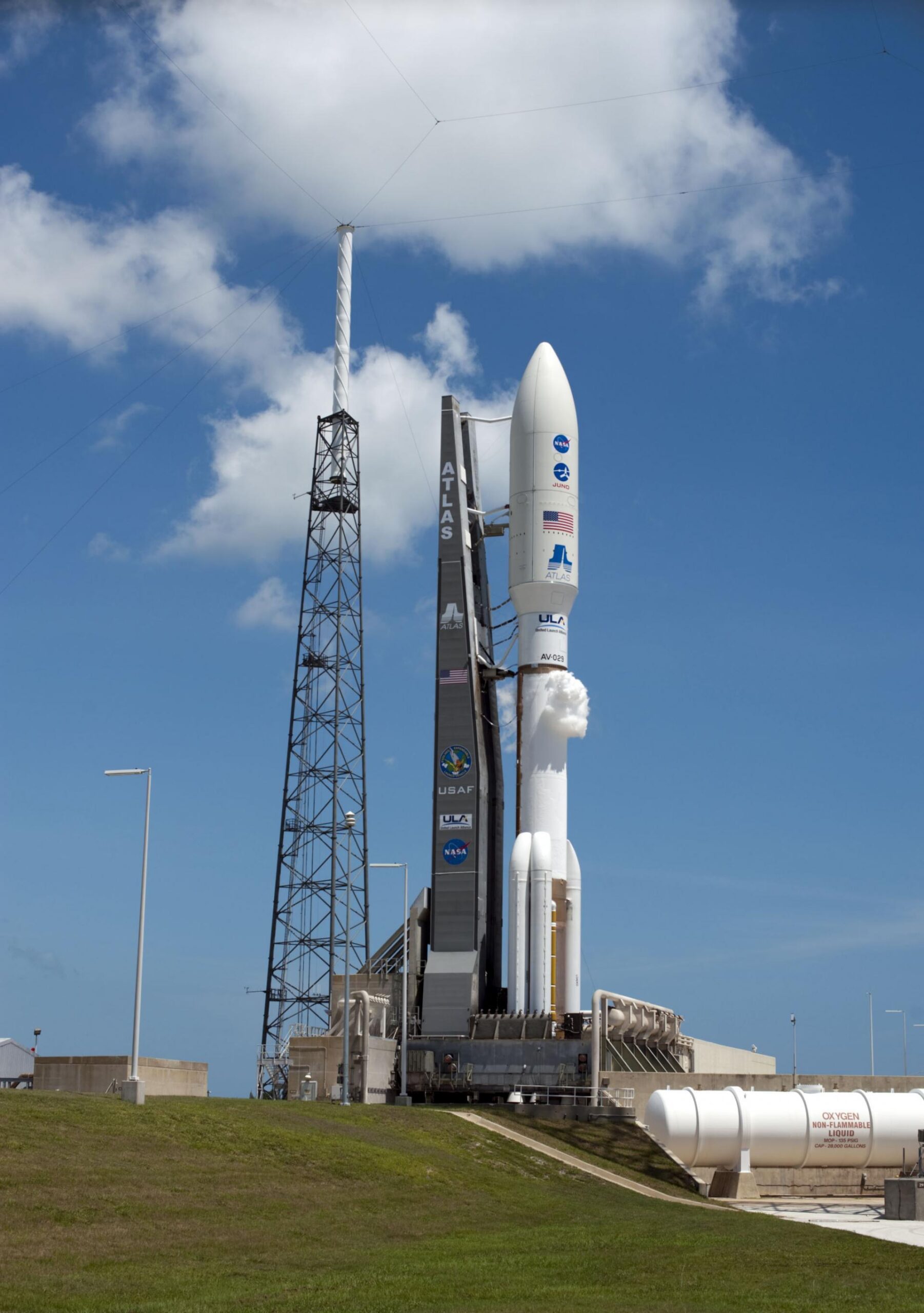
The United Launch Alliance (ULA), a joint venture between Boeing and Lockheed Martin, provides reliable launch services for national security, civil, and commercial satellites. ULA primarily operates the Atlas V and Delta IV Heavy rockets. Their launches, while less frequent than SpaceX, are critical for government and scientific missions, often carrying sensitive payloads. ULA’s launch schedules are typically planned with significant lead time.
Other Potential Launch Providers
While NASA, SpaceX, and ULA are the most frequent launch providers, other companies may conduct launches from Florida. These can include smaller satellite deployment missions or developmental flights for new rocket technologies. Staying informed requires a broad awareness of the space industry’s evolving landscape.
Factors Influencing Launch Schedules
Rocket launches are complex operations, and their schedules are influenced by a multitude of factors. Understanding these can help manage expectations and provide context for launch delays.
- Technical Readiness: The rocket, spacecraft, and ground support equipment must all be in perfect working order. Any anomalies detected during testing or pre-launch checks can lead to significant delays.
- Weather: This is a critical factor. Launch teams monitor weather conditions meticulously, looking for clear skies, acceptable wind speeds, and absence of lightning within a specified radius. Weather delays are common, especially during Florida’s unpredictable storm seasons.
- Mission Requirements: The specific objectives of the mission can dictate launch timing. For example, certain astronomical observations require precise orbital alignments, or rendezvous with the ISS must occur within specific windows.
- Range Availability: The airspace and downrange areas over which the rocket will fly must be clear of air traffic and maritime vessels. This “range safety” requirement can impact launch timing if other operations are scheduled in those zones.
- Political and Funding Considerations: For government missions, budget allocations and political priorities can sometimes influence launch schedules, though this is less common for operational flights.
How to Track Upcoming Rocket Launches
Staying ahead of the curve when it comes to rocket launches requires utilizing reliable and up-to-date information sources. The dynamic nature of launch schedules means that checking these resources regularly is key.
Official Launch Provider Websites
The most direct and accurate information for specific launches comes from the launch providers themselves.
- NASA Launch Schedule: NASA’s official website often features a dedicated section for upcoming launches, detailing mission objectives, launch vehicles, and projected dates. This is the definitive source for NASA missions originating from the Kennedy Space Center.
- SpaceX Launch Schedule: SpaceX typically updates its website with upcoming launch information, though their social media channels, particularly X (formerly Twitter), are often the first place to see real-time updates on launch windows and any potential changes.
- ULA Launch Schedule: The United Launch Alliance website provides a clear listing of their upcoming missions, often with detailed information about the payloads and objectives.
Space Coast Tourism and News Websites
Several organizations and news outlets focus on the Space Coast and its launch activities, providing consolidated information and local insights.
- Space Coast Office of Tourism: The official tourism arm of the region often provides a launch calendar that aggregates information from various providers. This is an excellent resource for visitors planning their trip, as it consolidates potential viewing opportunities.
- Local News Outlets: Newspapers and television stations based in the Brevard County area, such as Florida Today, are essential for tracking local launch announcements and any last-minute schedule adjustments. They often have dedicated space reporting teams.
- Spaceflight News Websites: Numerous dedicated space news websites and blogs meticulously track launches worldwide. Reputable sources often provide detailed calendars and alerts for upcoming events.
Social Media and Community Forums
In the fast-paced world of spaceflight, social media can be an incredibly effective tool for real-time updates.
- Official Social Media Accounts: Following the official X (formerly Twitter) accounts of NASA, SpaceX, ULA, and relevant space reporters is a direct line to immediate announcements, including potential launch delays or postponements.
- Reddit and Online Forums: Communities dedicated to space exploration on platforms like Reddit often have active threads where users share and discuss upcoming launches, providing a community-driven source of information and often early insights.
Planning Your Launch Viewing Experience
Witnessing a rocket launch is an unforgettable experience, but it requires planning beyond just knowing the launch date.
Choosing Your Viewing Location
The Space Coast offers several vantage points for observing a launch, each with its own advantages.
- Kennedy Space Center Visitor Complex: For an immersive experience, the visitor complex offers designated viewing areas, educational exhibits, and a chance to be in the heart of the space exploration hub. Special launch viewing packages are often available, which can include transportation and guided tours. Advance booking is highly recommended for these events.
- Cape Canaveral National Seashore: Located north of the launch sites, areas like Playalinda Beach within the national seashore offer relatively close and unobstructed views, especially for launches from Launch Complex 40 and Launch Complex 41. Access to this area can be restricted on launch days, so checking availability is crucial.
- Public Parks and Beaches: Numerous public parks and beaches along A1A and U.S. Route 1 in towns like Titusville, Cocoa Beach, and Cape Canaveral provide accessible viewing spots. Popular locations include Jetty Park and the Gleason Park area. These spots can get crowded, so arriving early is advised.
- Brevard County Causeways: Bridges and causeways across the Indian River Lagoon, such as the Max Brewer Memorial Parkway, can offer elevated views, but parking is often limited and traffic can be intense.
Accommodations and Logistics
Booking your accommodation and planning your travel well in advance is essential, especially if your visit coincides with a highly anticipated launch.
- Hotels and Resorts: The Space Coast region, encompassing cities like Titusville, Cocoa Beach, Cape Canaveral, and Melbourne, offers a range of accommodation options from budget-friendly motels to beachfront resorts. Booking months in advance is strongly recommended for popular launch dates, as hotels fill up quickly. Consider properties with good proximity to your preferred viewing locations.
- Rental Homes and Vacation Apartments: For families or groups, renting a vacation home or apartment can offer more space and amenities. Platforms like VRBO and Airbnb list numerous properties in the area.
- Transportation: Renting a car is generally the most flexible way to navigate the Space Coast and reach various launch viewing spots. Be prepared for significant traffic congestion on launch days, particularly on roads leading to and from the launch sites and viewing areas. Public transportation options are limited in this region.
- Dining: The area boasts a variety of dining establishments, from casual beachfront cafes to seafood restaurants. Planning your meals can help avoid long waits, especially during peak tourist times around launches.
What to Bring and Expect
To ensure a comfortable and enjoyable launch viewing experience, consider the following:
- Comfortable Seating: Bring folding chairs or blankets, as viewing areas can be crowded and seating may not be readily available.
- Sun Protection: Florida sun can be intense. Pack sunscreen, hats, and sunglasses.
- Hydration and Snacks: Carry plenty of water and some snacks, especially if you plan to arrive early.
- Binoculars or Cameras: To get a closer look at the rocket and capture memorable photos.
- Patience: Rocket launches are subject to delays. Be prepared for potential postponements and have a flexible itinerary. The experience of witnessing a launch, even with a delay, is typically worth the wait.
By diligently following launch schedules and planning your visit with foresight, you can transform the question “When is the next rocket launch from Florida?” into the successful execution of an unforgettable journey into the heart of space exploration. The vibrant energy of the Space Coast, combined with the sheer spectacle of a rocket defying gravity, promises an adventure that will leave you with a profound sense of wonder.
LifeOutOfTheBox is a participant in the Amazon Services LLC Associates Program, an affiliate advertising program designed to provide a means for sites to earn advertising fees by advertising and linking to Amazon.com. Amazon, the Amazon logo, AmazonSupply, and the AmazonSupply logo are trademarks of Amazon.com, Inc. or its affiliates. As an Amazon Associate we earn affiliate commissions from qualifying purchases.