
When one imagines the vast, sun-drenched landscapes of Arizona, iconic images often come to mind: red rock formations, endless blue skies, and towering cacti silhouetted against a brilliant sunset. But hidden among these rugged beauties is a delicate marvel, a symbol of resilience and ethereal charm that proudly bears the title of the state flower. The official state flower of Arizona is the magnificent Saguaro Cactus Blossom, a creamy white bloom that graces the arms and crowns of the legendary Saguaro Cactus. This isn’t just any flower; it’s a testament to life thriving in one of North America’s most demanding environments, the Sonoran Desert. For travelers and nature enthusiasts alike, witnessing this bloom is a highlight, offering a unique blend of natural beauty, ecological wonder, and a deep dive into the heart of Southwestern culture. Understanding its significance, its life cycle, and where to best experience its fleeting beauty is key to appreciating the true spirit of the Grand Canyon State. This article will delve into the profound impact of the Saguaro Cactus Blossom on the ecosystem, its cultural relevance, and how you can plan an unforgettable trip to behold this natural wonder yourself.
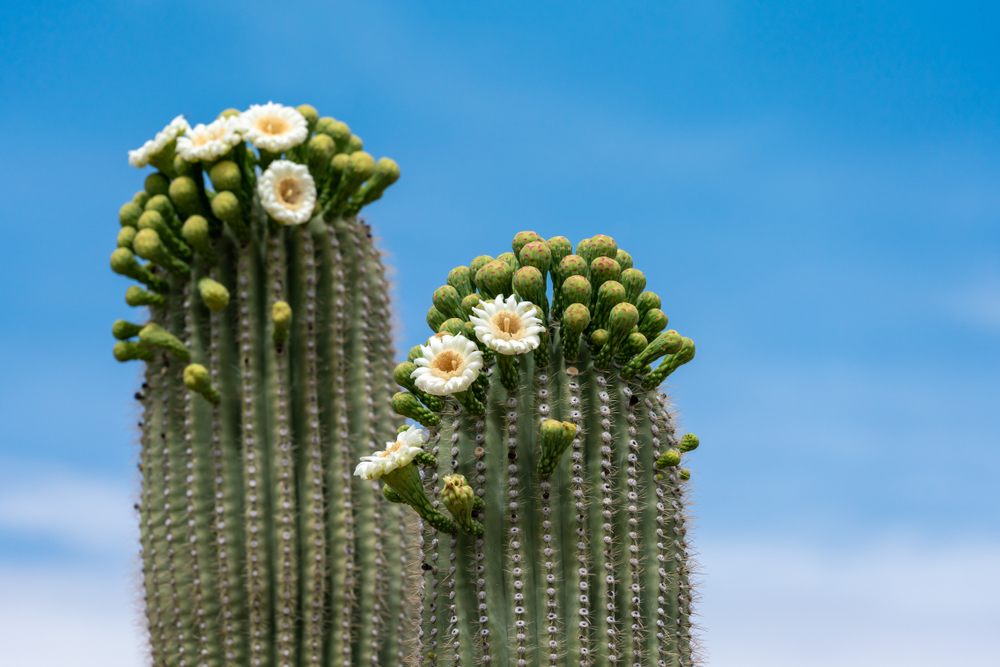
The Majestic Saguaro Cactus and Its Iconic Bloom
The Saguaro Cactus Blossom is inseparable from its host, the colossal Saguaro Cactus (Carnegiea gigantea). These iconic giants are endemic to the Sonoran Desert, a unique ecological region spanning parts of Arizona, California, and Mexico. A journey through this desert landscape feels incomplete without encountering these majestic sentinels, standing tall and proud, embodying the very essence of the American Southwest. Their sheer scale is breathtaking; saguaros can grow over 50 feet tall and live for 150 years or more, developing their characteristic arms after about 75 years. Each arm is a testament to decades of slow, patient growth, reaching skyward as if in silent salute to the harsh yet beautiful environment they call home. The presence of the saguaro defines the Sonoran Desert, creating a unique microclimate and habitat that supports a diverse array of flora and fauna. These cacti are not just plants; they are living landmarks, natural monuments that draw visitors from around the globe, eager to witness their grandeur and the remarkable life they sustain.
A Symbol of Desert Resilience
The Saguaro Cactus itself is an incredible feat of nature, a living monument to survival in extreme conditions. Its resilience is etched into every fluted column and spiny ridge, designed to capture and store precious rainwater, expanding like an accordion during monsoon seasons and slowly shrinking to conserve moisture during arid periods. Its tough, waxy skin minimizes water loss, while its formidable spines deter most predators. The slow growth rate of the saguaro means that a plant just 10 feet tall might already be over 50 years old, having weathered countless desert storms and endured scorching summers and chilly winters. This longevity and ability to thrive in such a challenging environment make the saguaro an unparalleled symbol of strength, endurance, and adaptability.
For centuries, Native American tribes, particularly the Tohono O’odham, have revered the saguaro not just for its physical presence but also for its spiritual significance and practical uses. The cactus provides shelter, food, and water for countless desert creatures, earning it the nickname “hotel of the desert.” Its very existence is a miracle, reminding us of the power of life to adapt and flourish against all odds. This profound connection between the saguaro and its environment underscores why its blossom holds such a special place in the heart of Arizona and its people. It’s not merely a beautiful flower; it’s a profound cultural and ecological touchstone, representing the indomitable spirit of the Sonoran Desert and its inhabitants. Its protected status further emphasizes its value, ensuring that future generations can continue to marvel at this enduring symbol of desert life.
The Ephemeral Beauty of the Saguaro Blossom
While the Saguaro Cactus is a permanent fixture of the desert landscape, its bloom is a fleeting spectacle, adding an element of exquisite impermanence to its grandeur. The Saguaro Cactus Blossom is a large, waxy, creamy-white flower, typically measuring 3-4 inches in diameter. Each bloom features a cluster of delicate petals surrounding a bright yellow center, exuding a subtle, sweet fragrance that becomes more pronounced during the cool desert nights. These blossoms typically appear in late April, peak in May, and can linger into early June, forming a crown atop the saguaro’s main trunk and at the tips of its arms.
What makes the saguaro blossom truly unique is its nocturnal nature. The flowers begin to open shortly after sunset, reaching full bloom by midnight. They remain open throughout the night, attracting an array of nocturnal pollinators, most notably bats, as well as moths and various insects drawn by their scent. As dawn breaks, the first rays of sunlight greet the open blossoms, which remain receptive to daytime pollinators like bees and birds, particularly white-winged doves. However, by late afternoon on the very next day, the flowers begin to wither and close, their brief but glorious moment of splendor coming to an end. This short lifespan makes catching a saguaro in full bloom a truly special experience, a vivid reminder of the preciousness of natural beauty and the intricate dance of life in the desert. The exquisite fragility of the blossom against the rugged, imposing backdrop of the saguaro creates a captivating visual contrast, making it a favorite subject for photographers and a source of wonder for all who witness it.
Experiencing the Saguaro Bloom: A Must-See Desert Spectacle
For those planning a trip to Arizona, timing your visit to coincide with the Saguaro Cactus Blossom is an absolute must. This spectacle transforms the already stunning Sonoran Desert into a landscape dotted with countless floral beacons, inviting visitors to delve deeper into its natural wonders. It’s an ideal experience for nature lovers, photographers, and anyone seeking a unique connection with the natural world. Combining this natural event with other travel and tourism activities in Arizona can create a truly unforgettable vacation. Whether you’re seeking a serene escape, an adventurous exploration, or a luxurious desert getaway, the blooming saguaros offer a perfect centerpiece for your itinerary.
When and Where to Witness the Bloom
The prime time to witness the breathtaking Saguaro Cactus Blossom is generally from late April through early June. While the exact timing can vary slightly each year depending on rainfall and temperatures, May is typically the peak month when the desert explodes with these beautiful white flowers. To maximize your chances of seeing the blooms at their best, consider visiting the heart of the Sonoran Desert, particularly in areas around Tucson and Phoenix.
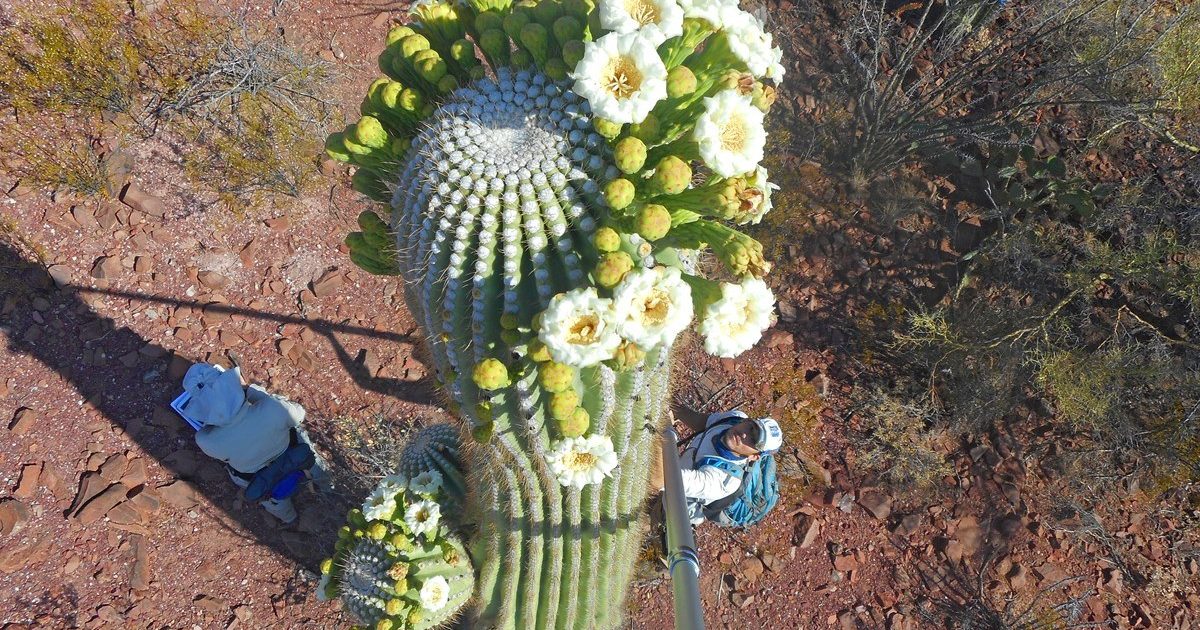
- Saguaro National Park: This is undoubtedly the premier destination. Divided into two districts flanking Tucson (the Rincon Mountain District to the east and the Tucson Mountain District to the west), the park is dedicated to protecting these majestic cacti. Visitors can enjoy scenic drives, hiking trails, and ranger-led programs that provide invaluable insights into the saguaro’s ecology and the desert ecosystem. Early morning walks are highly recommended to see the flowers still fully open from the night before, often with pollinators still buzzing around.
-
Desert Botanical Garden in Phoenix: For those based in the northern part of the Sonoran Desert, the Desert Botanical Garden offers an accessible and beautifully curated experience. Here, saguaros are meticulously cared for, and visitors can get up close to the blooms, learning about their life cycle and the various species of desert flora. The garden often hosts special events and photography workshops during the blooming season.
-
Throughout the Sonoran Desert: Beyond designated parks and gardens, you’ll encounter saguaros blooming along many highways and hiking trails throughout southern Arizona. Areas like the Superstition Mountains near Phoenix, or less-trafficked routes outside Tucson, offer equally stunning, if less structured, viewing opportunities. Consider joining a local guided tour for a deeper understanding of the desert’s hidden gems and best viewing spots. Binoculars and a good camera are highly recommended to capture the intricate details of the blossoms and the wildlife they attract. Remember to respect the delicate desert environment by staying on marked trails and not disturbing any plants or animals.
Planning Your Desert Adventure: Travel & Accommodation
Visiting Arizona during the saguaro bloom offers a fantastic opportunity to weave together travel, tourism, and luxurious accommodation experiences. Both Phoenix and Tucson serve as excellent bases for exploring the Sonoran Desert and witnessing the state flower. These vibrant cities offer a diverse range of hotels, resorts, and unique accommodations to suit every preference and budget, ensuring your stay is as comfortable as it is memorable.
For those seeking a lavish desert escape, Phoenix boasts an array of high-end resorts that combine opulent amenities with stunning desert backdrops. The Arizona Biltmore, A Waldorf Astoria Resort, for example, offers a blend of historic elegance and modern luxury, with architecture inspired by Frank Lloyd Wright. Its lush grounds provide a tranquil oasis, perfect for unwinding after a day of desert exploration. In Tucson, the JW Marriott Starr Pass Resort & Spa provides breathtaking views of the Tucson Mountains and direct access to hiking trails, making it an ideal choice for nature enthusiasts. These resorts often feature world-class spas, championship golf courses, and exquisite dining options, allowing you to indulge in a luxurious lifestyle while immersing yourself in the desert’s beauty.
Budget-conscious travelers will also find plenty of options, from charming boutique hotels in historic downtown areas to comfortable vacation rentals that offer a more localized experience. Booking accommodation in advance is highly recommended, especially during the spring bloom season, as this is a popular time for visitors. Many hotels and resorts offer packages that include guided tours, nature walks, or even specialized photography excursions to enhance your saguaro bloom experience.
Beyond the saguaro, Arizona offers a wealth of other attractions. Consider extending your trip to visit the majestic Grand Canyon, explore the vibrant art scene in Sedona, or discover the rich history of Scottsdale. Whether your lifestyle leans towards adventure travel, a relaxing family trip, or a romantic getaway, combining the rare beauty of the Saguaro Cactus Blossom with Arizona’s diverse offerings guarantees an enriching and unforgettable journey. Local guides and tour operators can help tailor itineraries that perfectly blend natural wonders with cultural experiences and culinary delights, ensuring you make the most of your time in this captivating state.
Beyond the Bloom: The Saguaro’s Cultural and Ecological Impact
The Saguaro Cactus Blossom is more than just a beautiful flower; it’s a vital component of the Sonoran Desert ecosystem and holds deep cultural significance for the region. Its existence underscores the delicate balance of nature and the intricate web of life that thrives in seemingly harsh conditions. Appreciating the saguaro goes beyond admiring its fleeting bloom; it involves understanding its profound role as a provider, a protector, and a symbol of heritage. This understanding enriches the travel experience, allowing visitors to connect with the landscape on a deeper, more meaningful level. The saguaro’s story is one of survival, community, and tradition, making it a powerful emblem of Arizona’s identity.
A Lifeline in the Desert Ecosystem
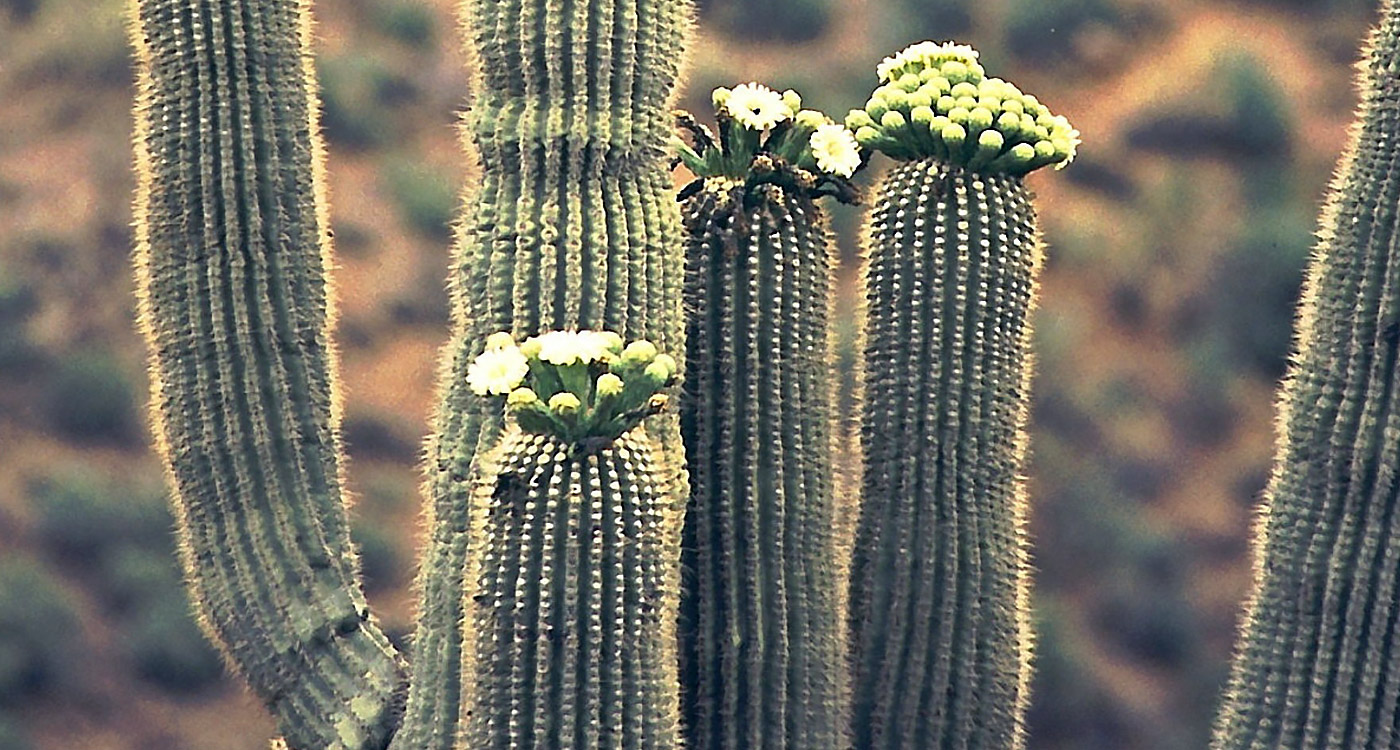
The Saguaro Cactus is an ecological keystone species, meaning it plays a crucial role in maintaining the structure and function of the Sonoran Desert ecosystem. Its towering height and long lifespan provide critical resources for numerous desert creatures. The saguaro’s arms and trunk become “apartment buildings” for various bird species, which excavate nesting cavities within its fleshy columns. Gila woodpeckers and gilded flickers are master builders, creating holes that, once abandoned, are then utilized by other birds like elf owls, house finches, and cactus wrens. These saguaro “apartments” offer shelter from predators and the harsh desert sun, essential for survival.
Beyond shelter, the saguaro is a vital food and water source. Its nocturnal blossoms provide nectar and pollen for lesser long-nosed bats, which are critical pollinators, ensuring the cactus’s reproduction. In turn, these bats also pollinate other desert plants, highlighting the interconnectedness of the ecosystem. After the flowers are pollinated, they give way to brilliant red fruits, which ripen in early summer. These fruits are a crucial food source for a wide array of desert animals, including birds, javelinas, coyotes, and various rodents, providing much-needed moisture and nutrients during the hottest and driest months. The saguaro also sequesters large amounts of carbon, contributing to the overall health of the desert environment. Its deep root system helps stabilize desert soils, preventing erosion and aiding in water retention. In every aspect, from its roots to its fruits, the saguaro supports a vibrant community of life, demonstrating how a single species can sustain an entire ecosystem.
Cultural Significance and Conservation Efforts
For the indigenous peoples of the Sonoran Desert, particularly the Tohono O’odham tribe, the saguaro is far more than a plant; it is a sacred relative and a central element of their culture and identity. The annual saguaro fruit harvest, known as “Bawj,” marks the beginning of their new year. The fruit is collected using long poles, and its pulp is used to make syrup, jam, and ceremonial wine. This tradition connects generations, embodying a deep respect for the land and its gifts. The saguaro’s resilience and life-giving properties have made it a powerful symbol of survival, abundance, and the enduring spirit of the desert.
Recognizing its unique value and importance, the Saguaro Cactus is a protected species under Arizona state law. It is illegal to harvest, damage, or remove a saguaro without proper permits. Conservation efforts are crucial to preserving these magnificent plants and their habitat, especially in the face of urban development and climate change. Organizations like the Desert Botanical Garden and Saguaro National Park play vital roles in research, education, and habitat preservation, ensuring that future generations can continue to marvel at the saguaro and its iconic bloom. For tourists, being mindful of hiking ethics, staying on designated trails, and supporting local conservation initiatives contribute to these efforts. The saguaro’s designation as the state flower is not merely an aesthetic choice; it’s a testament to its profound cultural heritage, its ecological indispensability, and its enduring status as a symbol of Arizona’s natural grandeur.
In conclusion, the Saguaro Cactus Blossom is more than just the state flower of Arizona; it is a vibrant embodiment of the Sonoran Desert’s unique spirit and a powerful testament to the delicate balance of nature. Its ephemeral beauty, unfolding under the moonlight and fading with the sun, offers a powerful metaphor for the preciousness of life and the importance of savoring fleeting moments. For travelers, witnessing this iconic bloom provides an unparalleled opportunity to connect with the wild heart of the Southwest, immersing oneself in a landscape rich in ecological wonder and cultural history. Whether you are planning a luxury escape or an adventurous exploration, timing your visit to coincide with the late spring bloom will undoubtedly be a highlight of your journey. By appreciating the saguaro in its entirety — from its towering presence to its life-giving blossoms and fruits — visitors can gain a deeper understanding of Arizona’s profound natural heritage and contribute to the ongoing efforts to protect this remarkable desert icon for generations to come. Plan your trip, pack your camera, and prepare to be enchanted by the majestic Saguaro Cactus Blossom.
LifeOutOfTheBox is a participant in the Amazon Services LLC Associates Program, an affiliate advertising program designed to provide a means for sites to earn advertising fees by advertising and linking to Amazon.com. Amazon, the Amazon logo, AmazonSupply, and the AmazonSupply logo are trademarks of Amazon.com, Inc. or its affiliates. As an Amazon Associate we earn affiliate commissions from qualifying purchases.