
For individuals considering a move to the Grand Canyon State, establishing residency for a remote work setup, or simply planning for their financial future within its borders, understanding the intricacies of the Arizona state income tax is a cornerstone of responsible lifestyle planning. Arizona has recently undergone significant tax reform, transforming its approach to individual income taxation. This shift aims to simplify the tax landscape and potentially make the state more attractive for residents, businesses, and retirees alike. Delving into the current structure, who is subject to it, and what deductions and credits are available provides crucial insight into the financial realities of an Arizona lifestyle.
Understanding Arizona’s Flat Tax Structure for a Simplified Lifestyle
One of the most impactful changes to Arizona’s tax system in recent years is the transition from a progressive income tax to a simplified flat tax rate. This move was designed to streamline the tax process and reduce the burden on taxpayers, directly impacting household budgets and financial planning.
The Evolution to a Flat Tax Rate
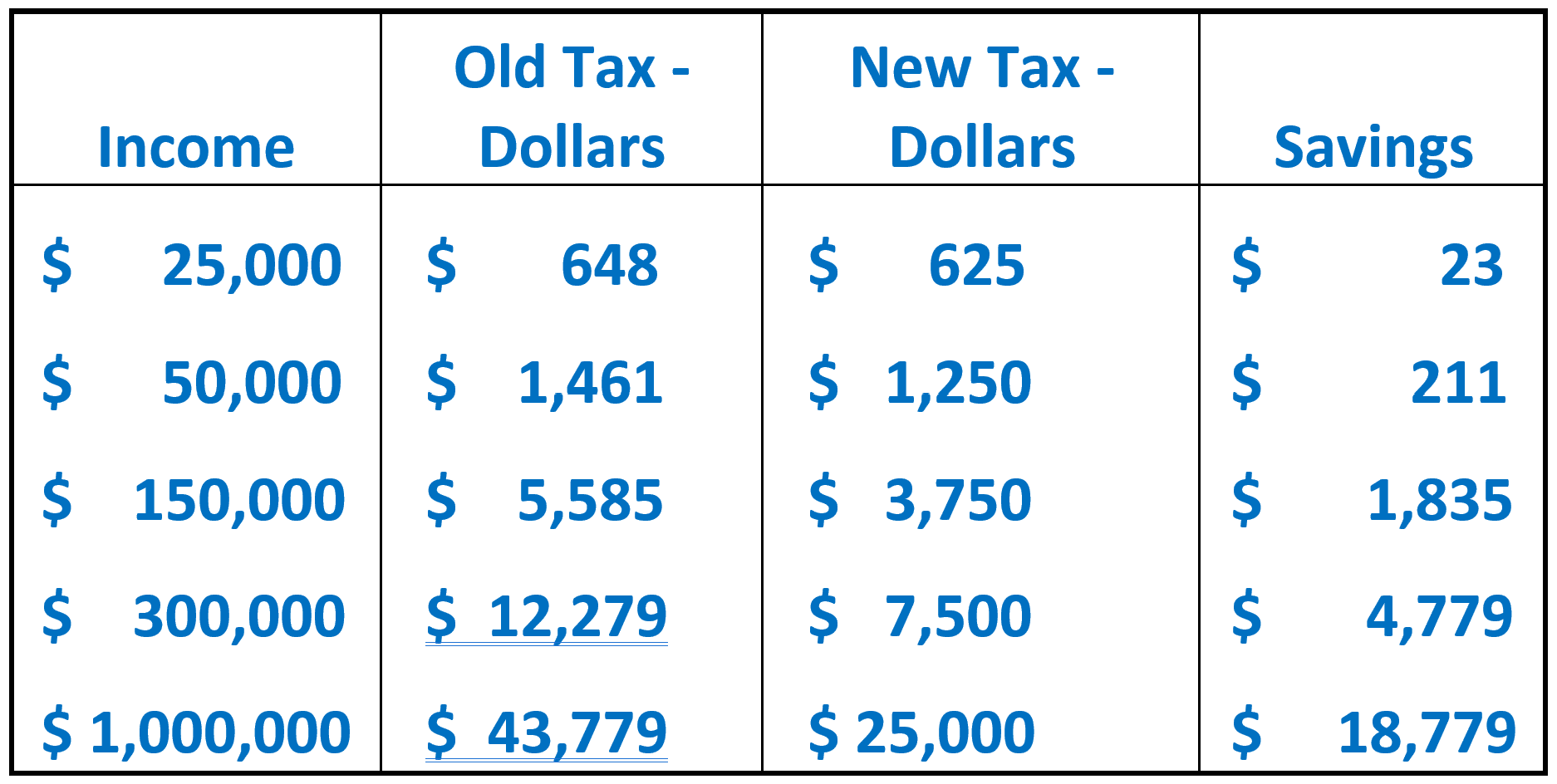
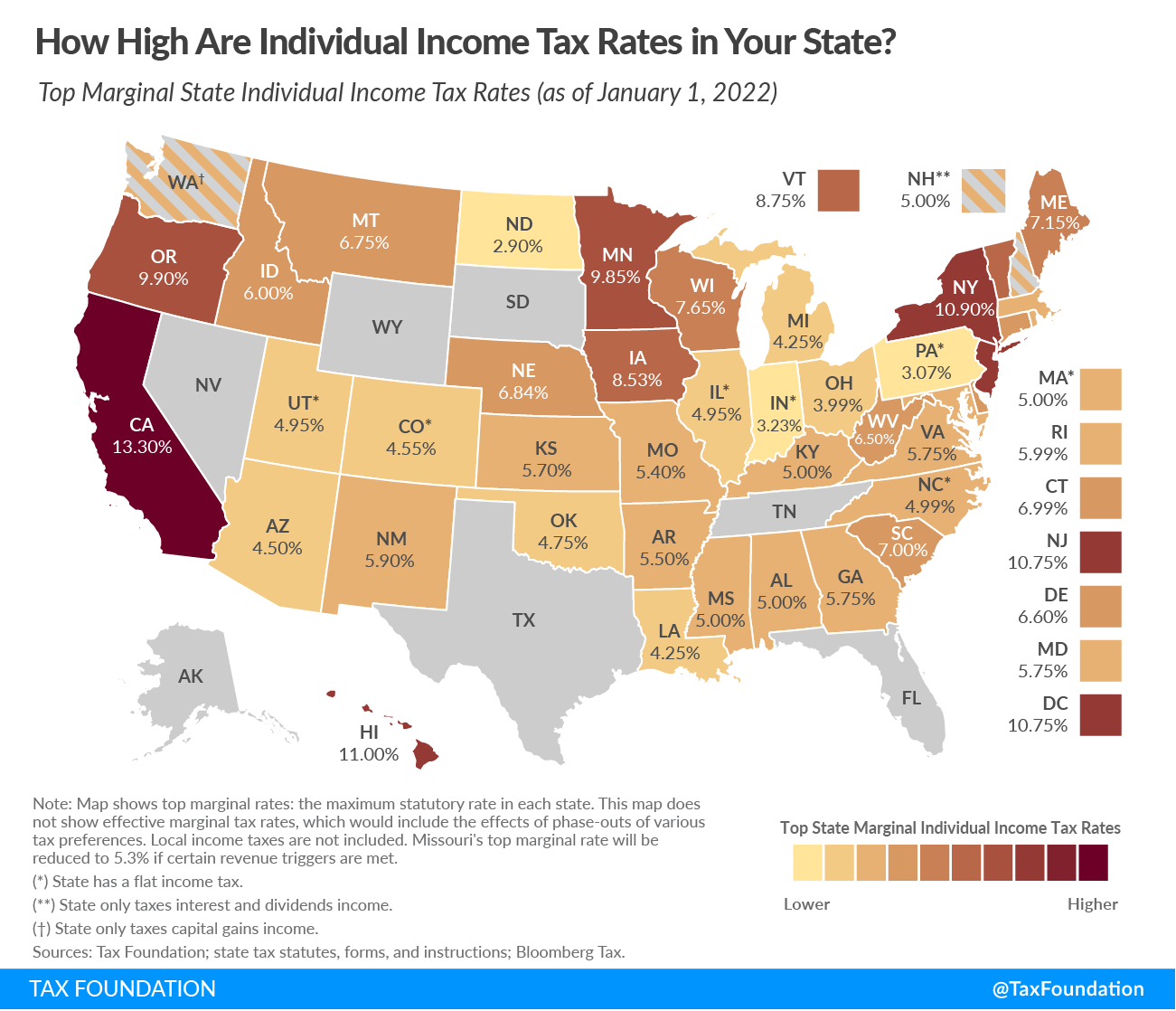
Historically, Arizona operated under a progressive income tax system, meaning individuals with higher incomes paid a higher percentage of their earnings in state taxes. This system featured multiple tax brackets, each with a corresponding rate. However, through a series of legislative actions, Arizona has phased in a single, flat tax rate. As of the 2023 tax year, the individual income tax rate in Arizona is 2.5%. This flat rate applies to all taxable income, irrespective of the amount earned. For many, this offers a predictable and straightforward approach to state income tax, making budgeting and financial forecasting significantly easier.
The rationale behind this shift aligns with a broader trend among some states aiming to foster economic growth by creating a more business-friendly and fiscally attractive environment. For residents, this means less complexity when calculating their state income tax liability, allowing for clearer financial planning for housing, savings, and leisure activities in vibrant cities like Phoenix or Tucson.
Impact on Various Income Brackets
While a flat tax rate means everyone pays the same percentage, its practical impact can vary across different income levels. Under a progressive system, lower-income earners typically paid lower rates, while higher-income earners faced steeper rates. With a flat tax, higher-income earners generally see a more substantial percentage reduction in their overall state tax liability compared to the previous system, potentially freeing up more capital for investment or discretionary spending.
For middle-income individuals and families, the 2.5% rate also represents a generally favorable environment compared to many other states. It positions Arizona as a potentially appealing location for those seeking to maximize their take-home pay and enhance their financial lifestyle. However, it is crucial to remember that the total tax burden also involves other taxes like sales and property taxes, which we will touch upon later. The simplicity of the flat rate, however, remains a significant advantage for personal financial management, especially for those who appreciate clear-cut budgetary figures.
Who Pays Arizona State Income Tax? Defining Residency and Obligations
Determining whether you are obligated to pay Arizona state income tax hinges primarily on your residency status and the source of your income. This is a critical distinction for anyone considering a move, maintaining multiple residences, or working remotely.
Residency vs. Domicile: A Key Distinction
The Arizona Department of Revenue defines a resident as an individual who is domiciled in Arizona or who maintains a permanent place of abode in Arizona and spends more than nine months of the taxable year in the state. Domicile generally refers to your permanent legal home, the place you intend to return to whenever you are away. Factors considered when determining domicile include where you register to vote, obtain a driver’s license, register your vehicle, or maintain your primary bank accounts.
If you are an Arizona resident, you are generally subject to Arizona income tax on all your income, regardless of where it was earned. This means income from investments, pensions, or employment outside of Arizona is typically still taxable by the state. This comprehensive approach underscores the importance of fully understanding your residency status if you frequently travel or have financial ties to other states.
Non-Residents, Part-Year Residents, and Their Obligations
Non-residents are individuals who are neither domiciled in Arizona nor meet the nine-month residency test. Non-residents are only taxed on income derived from Arizona sources. This typically includes income from property located in Arizona, business conducted within the state, or services performed in Arizona. For example, if you own a rental property in Arizona but live permanently in another state, the rental income would be subject to Arizona income tax.
Part-year residents are individuals who either moved into Arizona during the tax year with the intent to establish domicile or moved out of Arizona during the tax year. Part-year residents must calculate their Arizona tax liability based on the income earned while they were residents of the state, as well as any [Arizona](https://lifeoutofthebox.com/arizona]-sourced income earned during the non-residency portion of the year. This requires careful record-keeping to differentiate income earned during different periods of the year.
Remote Workers and Digital Nomads
The rise of remote work and the digital nomad lifestyle has added a layer of complexity to state income tax obligations. For individuals working remotely for an employer located outside of Arizona while living in Arizona, they are generally considered Arizona residents (assuming they meet the residency criteria) and are therefore subject to Arizona income tax on all their earnings.
Conversely, if an individual lives outside Arizona but performs work remotely for an Arizona-based company, their income may be considered Arizona-sourced income, making them subject to Arizona non-resident income tax. The specific rules can be complex, especially with reciprocity agreements (or lack thereof) between states. It’s vital for remote workers to understand their tax implications to avoid double taxation or unforeseen liabilities, ensuring their chosen lifestyle remains financially viable.
Key Exemptions, Deductions, and Credits Affecting Your Arizona Lifestyle
While Arizona boasts a low flat tax rate, understanding available exemptions, deductions, and credits is crucial for optimizing your tax position and maximizing your financial well-being. These provisions can significantly reduce your taxable income or your direct tax liability.
Standard Deduction vs. Itemized Deductions
Every taxpayer has the option to claim either a standard deduction or itemized deductions. The standard deduction is a fixed dollar amount that reduces your taxable income, and it varies based on your filing status. Arizona’s standard deduction amounts are generally tied to federal amounts, with some state-specific adjustments. This simplified approach makes it straightforward for most taxpayers to reduce their taxable income without extensive record-keeping.
Alternatively, taxpayers can choose to itemize their deductions if their allowable expenses exceed the standard deduction amount. Common itemized deductions can include certain medical expenses, state and local taxes (SALT) up to a federal limit, mortgage interest, and charitable contributions. For those with significant deductible expenses, itemizing can lead to a lower taxable income, translating into a lower tax bill. It’s essential to compare both options annually to determine which provides the greatest tax benefit for your specific financial situation.
Common Tax Credits for [Arizona](https://lifeoutofthebox.com/arizona] Residents
Tax credits are particularly valuable because they directly reduce the amount of tax you owe, dollar for dollar, rather than just reducing your taxable income. Arizona offers various credits that can benefit different segments of its population, impacting their overall lifestyle costs.
- Dependent Credits: Similar to federal tax credits, Arizona offers credits for qualifying dependents, providing financial relief for families.
- Property Tax Credits: Certain low-income homeowners or renters may be eligible for a property tax credit, which helps offset the burden of property taxes.
- Charitable Contribution Credits: Arizona is unique in offering a suite of non-refundable tax credits for contributions made to qualifying charities and organizations. These include credits for donations to:
- Qualified Charitable Organizations (QCO)
- Qualified Foster Care Organizations (QFCO)
- Public Schools (for extracurricular activities and character education)
- School Tuition Organizations (STO) for private schools
- Certified School Tuition Organizations (CSTO) for students with disabilities
These charitable credits are particularly popular as they allow taxpayers to redirect a portion of their tax liability to causes they care about, effectively making their donations cost-neutral up to a certain limit. This can significantly influence how residents engage with their local communities and manage their philanthropic efforts within their lifestyle budget.
Exemptions for Retirement Income and Military Personnel
Arizona offers favorable tax treatment for certain types of retirement income, making it an attractive destination for retirees. A portion of military retirement pay and certain government pensions may be exempt from Arizona income tax. This exemption is a significant financial benefit for veterans and retired public servants, allowing them to retain more of their pension income and enjoy their retirement lifestyle.
Furthermore, active duty military members domiciled in other states but stationed in Arizona may be exempt from [Arizona](https://lifeoutofthebox.com/arizona] income tax on their military pay under the Servicemembers Civil Relief Act (SCRA). These provisions highlight [Arizona](https://lifeoutofthebox.com/arizona]’s commitment to supporting both its military population and its growing retiree community.
Beyond Income Tax: Other Financial Considerations for Living in Arizona
While income tax is a significant component of one’s financial lifestyle, it is crucial to consider the broader tax landscape in Arizona. A holistic view of state and local taxes provides a more accurate picture of the overall cost of living and the financial implications of establishing a life in the state.
Sales Tax and Property Tax Overview
Sales Tax: Arizona has a state sales tax rate, which applies to most goods and some services. In addition to the state rate, cities and counties can impose their own local sales taxes. This means the combined sales tax rate can vary significantly depending on your specific location within [Arizona](https://lifeoutofthebox.com/arizona]. For example, a purchase in Phoenix will have a different combined sales tax rate than one in a smaller rural community. These taxes impact daily expenditures, from groceries and dining out to retail purchases, directly affecting a household’s discretionary spending and overall budget.
Property Tax: Property taxes in Arizona are levied by counties, cities, and special districts (like school districts). While the effective property tax rates in Arizona are generally considered moderate compared to many other states, they are based on the assessed value of your property. The actual amount paid can vary substantially depending on the location, size, and market value of your home. Homeowners need to factor these recurring costs into their long-term financial planning, especially when considering purchasing real estate for their Arizona lifestyle.
Estate Tax and Inheritance Tax: Non-Existent in Arizona
A notable advantage for individuals engaging in estate planning or considering their legacy in Arizona is the absence of both a state estate tax and a state inheritance tax. This means that, upon death, assets transferred to heirs are not subject to a separate state tax at the state level, beyond any applicable federal estate tax thresholds. This can provide significant peace of mind for residents and can be a powerful draw for retirees or those looking to minimize the tax burden on their descendants.
Overall Cost of Living vs. Tax Burden
When evaluating the financial attractiveness of an Arizona lifestyle, it is essential to consider the entire tax picture in conjunction with the overall cost of living. While Arizona offers a low flat income tax and no estate or inheritance tax, other costs like housing, utilities, and insurance can vary. For example, while property taxes might be moderate, the cost of homes in popular areas like Phoenix and Tucson can be substantial.
The simplified income tax structure certainly makes Arizona appealing from a tax perspective, especially for those with higher incomes or significant retirement assets. However, a comprehensive financial assessment must include all recurring expenses and compare them against one’s income and financial goals to truly understand the viability and advantages of an Arizona lifestyle.
Navigating Your Tax Obligations: Resources and Planning Tips
Successfully managing your Arizona state income tax obligations is an integral part of maintaining a stable financial lifestyle. Staying informed and utilizing available resources can ensure compliance and potentially uncover additional tax savings.
State Resources and Filing Requirements
The primary resource for all Arizona tax information is the Arizona Department of Revenue (ADOR) website. It provides comprehensive guides, forms, and instructions for filing individual income tax returns. Taxpayers can file electronically through various approved software providers or manually using paper forms. The filing deadline for Arizona state income tax generally aligns with the federal deadline, typically April 15th, with extensions available if needed. Understanding quarterly estimated tax payments is also crucial for those with income not subject to withholding, such as self-employed individuals, independent contractors, or those with significant investment income.
Professional Advice for Complex Situations
While [Arizona](https://lifeoutofthebox.com/arizona]’s flat tax rate simplifies the calculation of tax owed, complex financial situations often warrant professional guidance. Individuals with intricate investment portfolios, multiple income streams, out-of-state income, or unique residency questions should consider consulting with a qualified tax professional or financial advisor. These experts can provide personalized advice, help navigate complex deductions or credits, and ensure optimal tax planning tailored to specific lifestyle needs. Their expertise can be invaluable in maximizing returns and avoiding potential pitfalls.

Long-Term Financial Planning in Arizona
The favorable tax environment in Arizona can be a significant advantage for long-term financial planning. The absence of estate and inheritance taxes, coupled with the flat and relatively low income tax rate, allows for more predictable wealth management and transfer. For those planning retirement, the exemptions for certain pension incomes further enhance [Arizona](https://lifeoutofthebox.com/arizona]’s appeal. Integrating tax considerations into broader financial strategies, including retirement savings, investment decisions, and estate planning, is vital. By leveraging the state’s tax structure effectively, residents can cultivate a financially robust and secure lifestyle in Arizona.
LifeOutOfTheBox is a participant in the Amazon Services LLC Associates Program, an affiliate advertising program designed to provide a means for sites to earn advertising fees by advertising and linking to Amazon.com. Amazon, the Amazon logo, AmazonSupply, and the AmazonSupply logo are trademarks of Amazon.com, Inc. or its affiliates. As an Amazon Associate we earn affiliate commissions from qualifying purchases.