
California, the Golden State, is synonymous with iconic road trips, breathtaking coastlines, and vibrant cities. From the sun-drenched beaches of Southern California to the majestic redwood forests of the north, traversing this vast and diverse state often involves a significant amount of driving. For many travelers, and indeed for residents, understanding the cost of gasoline is a crucial aspect of planning any journey, whether it’s a spontaneous weekend getaway or a meticulously organized cross-country adventure. This article delves into the average gas prices in California, exploring the factors that influence these figures and offering insights for those looking to navigate the state’s sprawling landscapes without breaking the bank.
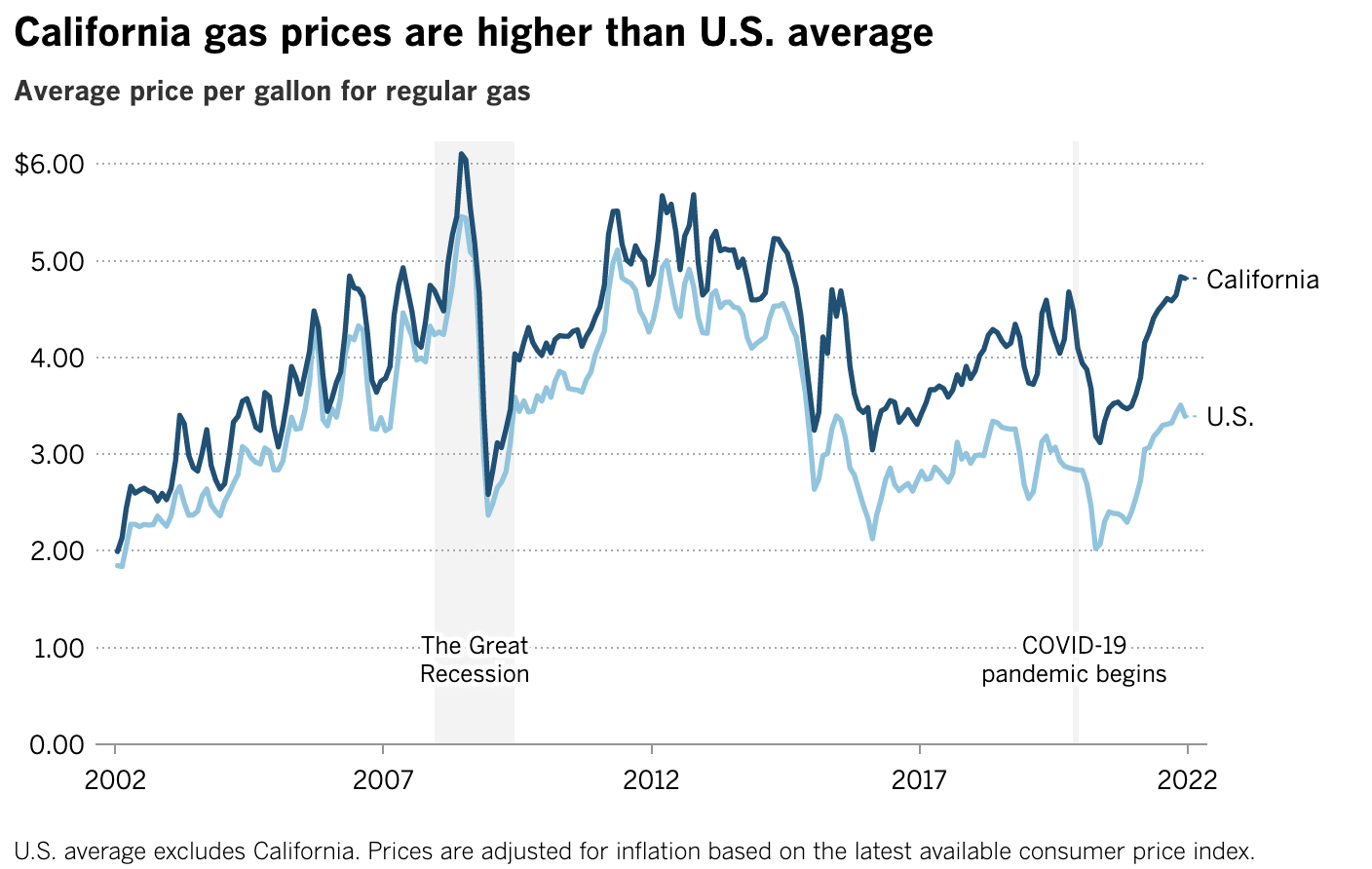
The cost of fuel is a dynamic entity, influenced by a complex interplay of global, national, and regional factors. California, with its unique regulatory environment and its position as a major economic hub, often sees gas prices that differ from the national average. For travelers considering a visit to attractions like the Golden Gate Bridge in San Francisco or the theme parks of Anaheim, budgeting for gas is an essential part of the travel equation. This is particularly true for those embarking on longer drives, such as a scenic tour along Highway 1 or a journey from Los Angeles to Yosemite National Park.
Understanding the Fluctuations in California Gas Prices
The price you see at the pump in California is a result of numerous contributing elements. It’s not simply about the cost of crude oil. While global oil prices are a primary driver for all gasoline prices, California’s unique position introduces additional layers of complexity.
The Role of Taxes and Regulations
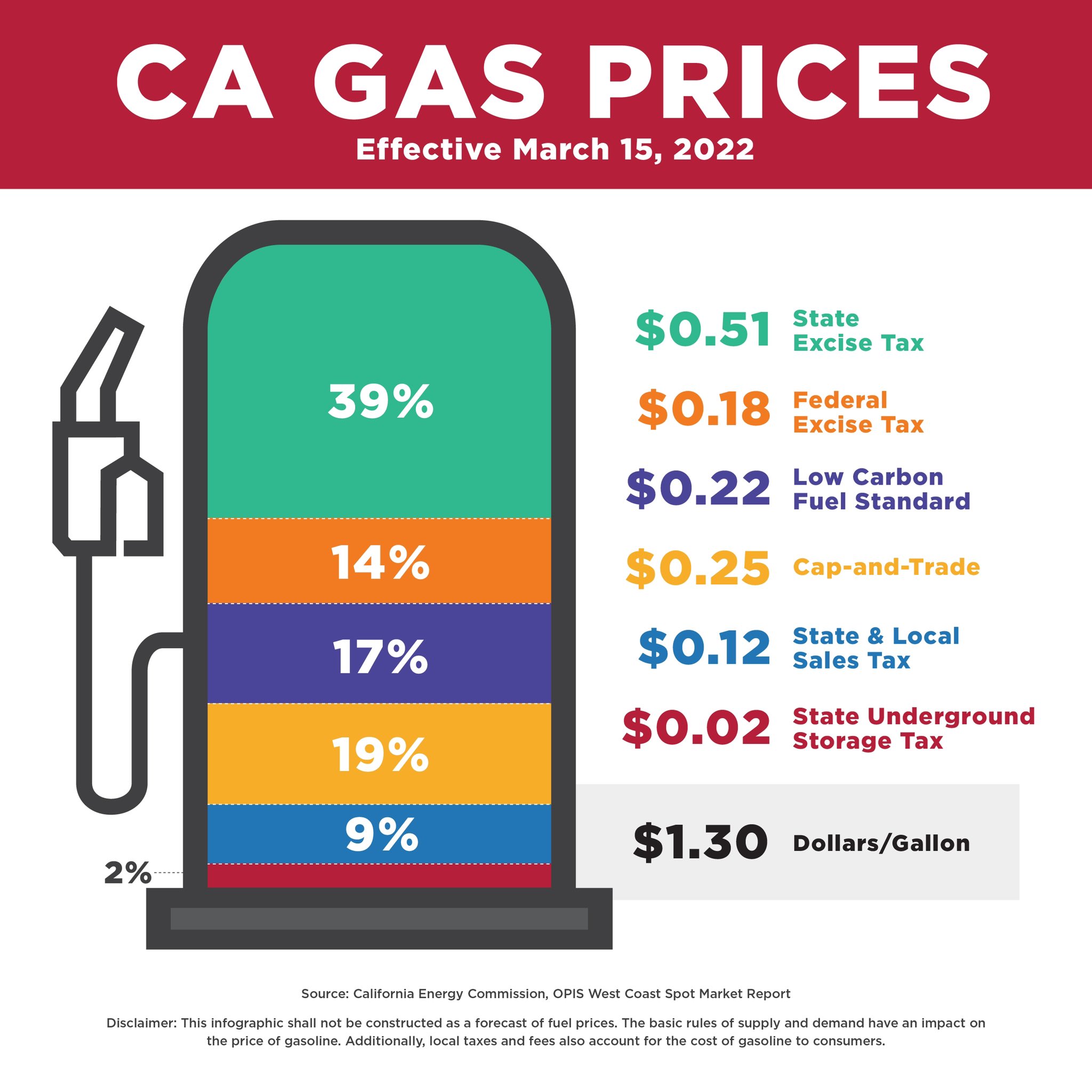
One of the most significant reasons why California’s gas prices often stand out is the state’s tax structure. California imposes some of the highest gasoline taxes in the United States. These taxes are levied at various levels, including state excise taxes, sales taxes, and various environmental fees designed to fund infrastructure projects and environmental initiatives. For instance, the state’s cap-and-trade program, aimed at reducing greenhouse gas emissions, directly adds to the cost of fuel. These regulatory components, while contributing to the state’s environmental goals and infrastructure development, inevitably translate into higher prices for consumers at the gas station.
Beyond state-level taxes, federal taxes also contribute to the overall cost. However, it is the cumulative weight of California’s specific taxes and fees that often creates a substantial differential compared to other states. This is a critical piece of information for anyone planning a road trip, as it means that filling up your tank in California will generally be more expensive than in neighboring states like Arizona or Nevada.
Refinery Operations and Fuel Standards
California has its own unique set of fuel standards, often referred to as “California Air Resources Board” (CARB) gasoline. These specifications are designed to produce cleaner-burning fuel, reducing air pollution. While beneficial for air quality, the production of this specialized blend requires specific refining processes. California’s refineries must operate under these stringent standards, and any disruptions to these operations, such as maintenance shutdowns or unexpected outages at key facilities, can lead to supply shortages. When supply is constrained and demand remains consistent, prices are pushed upward.
The geographic isolation of California’s refining sector, coupled with its specific fuel requirements, means that the state is largely reliant on its own production or imports that meet these stringent standards. This makes the California market less responsive to global price shifts in standard fuels and more susceptible to local supply-and-demand dynamics. Travelers might notice price jumps following news of refinery issues, even if global oil markets remain stable.
Supply and Demand Dynamics
Like any commodity, gasoline prices are fundamentally influenced by the basic economic principles of supply and demand. During peak travel seasons, such as the summer months when families embark on vacations to destinations like Disneyland or the beaches of San Diego, the demand for gasoline naturally increases. More cars on the road, particularly in popular tourist areas, lead to higher consumption.
Conversely, demand typically dips during off-peak seasons or periods of economic slowdown. Supply can also be affected by global events, such as geopolitical instability impacting crude oil production, or by local factors like pipeline issues or natural disasters that can disrupt the flow of refined products. The delicate balance between available supply and consumer demand is a constant driver of price fluctuations, and California, with its large population and significant tourism industry, experiences these dynamics acutely.
Tracking Average Gas Prices in California

Given the multitude of factors influencing gas prices, pinpointing a single, static “average” is challenging. Prices can vary significantly by region within California, by the type of gasoline purchased (regular, mid-grade, premium), and even by the brand of the gas station. However, by observing trends and consulting reliable sources, one can gain a solid understanding of the current landscape.
Regional Price Variations
California is a large state, and the price of gas can differ markedly from one area to another. Generally, prices tend to be higher in major metropolitan areas and along the coast, where demand is often greater and transportation costs for fuel may be higher. For example, gas prices in Los Angeles or San Francisco are often higher than in more rural inland areas.
Conversely, prices might be lower in less populated regions or areas closer to refineries, although this is not always the case. When planning a road trip that spans different parts of the state, such as driving from the mountains of Lake Tahoe to the desert landscapes of Joshua Tree National Park, it’s wise to be aware that filling up your tank in certain locations might offer better value. Some travelers find it beneficial to fill up in smaller towns or just before entering a major tourist hub.
Comparing Gasoline Grades
The price difference between regular, mid-grade, and premium gasoline is a standard feature of gas stations across the United States, and California is no exception. Premium gasoline, designed for higher-performance engines, typically costs more per gallon. For most standard vehicles, the use of regular unleaded gasoline is perfectly sufficient. Unless your vehicle’s manufacturer specifically recommends or requires premium fuel, opting for regular can lead to noticeable savings over the course of a long trip.
Drivers should always consult their vehicle’s owner’s manual to determine the appropriate octane rating for their car. Using a higher octane than recommended generally does not provide any performance benefit and simply costs more. This basic decision point can contribute to a traveler’s overall budget for fuel during their exploration of California’s diverse attractions, from the wineries of the Napa Valley to the historical missions scattered throughout the state.
Strategies for Managing Gas Costs While Traveling in California
California’s gas prices can seem daunting, but with a little planning and a few smart strategies, travelers can mitigate the impact on their budgets and enjoy their journeys. Embracing fuel-efficient driving habits and taking advantage of available resources can make a significant difference.
Fuel-Efficient Driving Practices
The way you drive can have a substantial impact on your vehicle’s fuel consumption. Smooth acceleration and braking, maintaining a steady speed, and avoiding excessive idling are all simple yet effective ways to improve gas mileage. For instance, on long stretches of highway, using cruise control can help maintain an optimal speed and prevent unnecessary acceleration and deceleration.
Ensuring your tires are properly inflated also plays a role in fuel efficiency. Underinflated tires increase rolling resistance, forcing your engine to work harder and consume more fuel. Regular maintenance, such as keeping your engine tuned up and your air filter clean, can also contribute to better gas mileage. These practices are beneficial for your car’s longevity and can lead to significant savings on fuel costs, allowing you to allocate more of your travel budget to experiences, dining, or accommodations, perhaps at a boutique hotel in Carmel-by-the-Sea or a family-friendly resort near Palm Springs.
Utilizing Gas Price Apps and Loyalty Programs
In today’s digital age, a wealth of resources are available to help drivers find the cheapest gas. Numerous mobile applications and websites track real-time gas prices across different stations. By using these tools, travelers can identify the most affordable refueling options in their vicinity, potentially saving several cents per gallon. This can be particularly useful when driving through areas where prices might be higher, or when trying to strategically plan where to fill up next.
Furthermore, many major gas station chains offer loyalty programs or discount cards. Signing up for these can provide members with reduced prices, points that can be redeemed for fuel discounts, or other rewards. While the savings might seem small on a single fill-up, over the course of a multi-day trip across California, these accumulated savings can add up. Considering that California is a vast state with many potential refueling stops between major attractions like Death Valley National Park and the scenic beauty of Big Sur, taking advantage of these programs can be a smart financial move for any traveler.
In conclusion, while average gas prices in California are influenced by a complex web of factors including taxes, regulations, refinery operations, and supply and demand, understanding these dynamics can empower travelers. By employing fuel-efficient driving techniques, utilizing readily available gas price tracking tools, and considering loyalty programs, visitors and residents alike can navigate the Golden State’s stunning landscapes more economically, ensuring that their adventures are memorable for all the right reasons, not just the cost of filling up the tank.
LifeOutOfTheBox is a participant in the Amazon Services LLC Associates Program, an affiliate advertising program designed to provide a means for sites to earn advertising fees by advertising and linking to Amazon.com. Amazon, the Amazon logo, AmazonSupply, and the AmazonSupply logo are trademarks of Amazon.com, Inc. or its affiliates. As an Amazon Associate we earn affiliate commissions from qualifying purchases.