
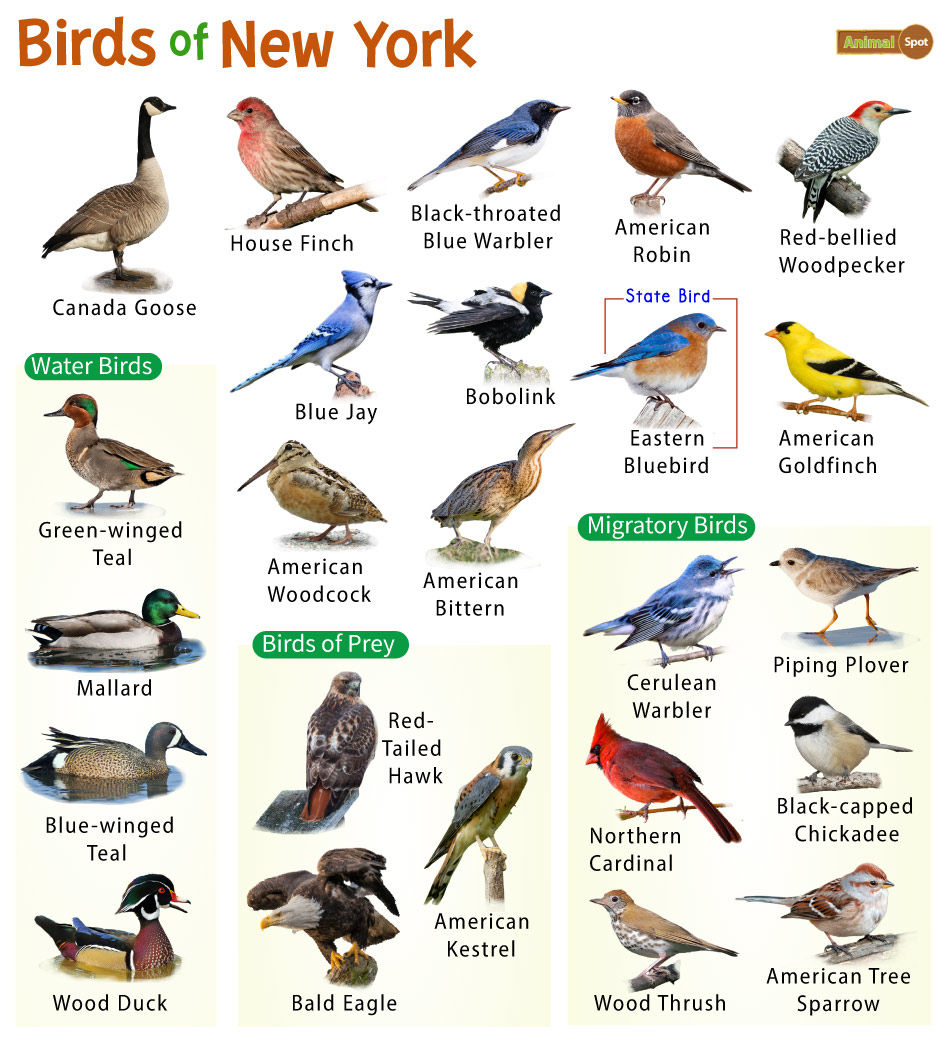
When contemplating the iconic symbols that represent the vibrant tapestry of New York, the mind often conjures images of the Statue of Liberty, the bustling streets of Manhattan, or perhaps the soaring skyscrapers that pierce the sky. Yet, beyond these universally recognized landmarks, there exists a more subtle yet equally significant emblem, one that graces the official seal and embodies the spirit of the Empire State: the Eastern Bluebird. This seemingly humble avian resident holds a special place in the heart of New York, a testament to the state’s appreciation for its natural heritage, even amidst its urban grandeur.

The Eastern Bluebird: A Symbol of Natural Beauty
The choice of the Eastern Bluebird as the bird of New York is a deliberate one, reflecting a desire to acknowledge and celebrate the state’s diverse natural landscapes that extend far beyond the concrete jungle. While many associate New York with its towering urban centers like New York City and Albany, it is also a state blessed with expansive forests, rolling hills, picturesque farmlands, and pristine coastlines. The Eastern Bluebird thrives in these very environments, its gentle presence a welcome sight for those who venture out of the city and into the more bucolic regions.
An Aesthetic Appeal
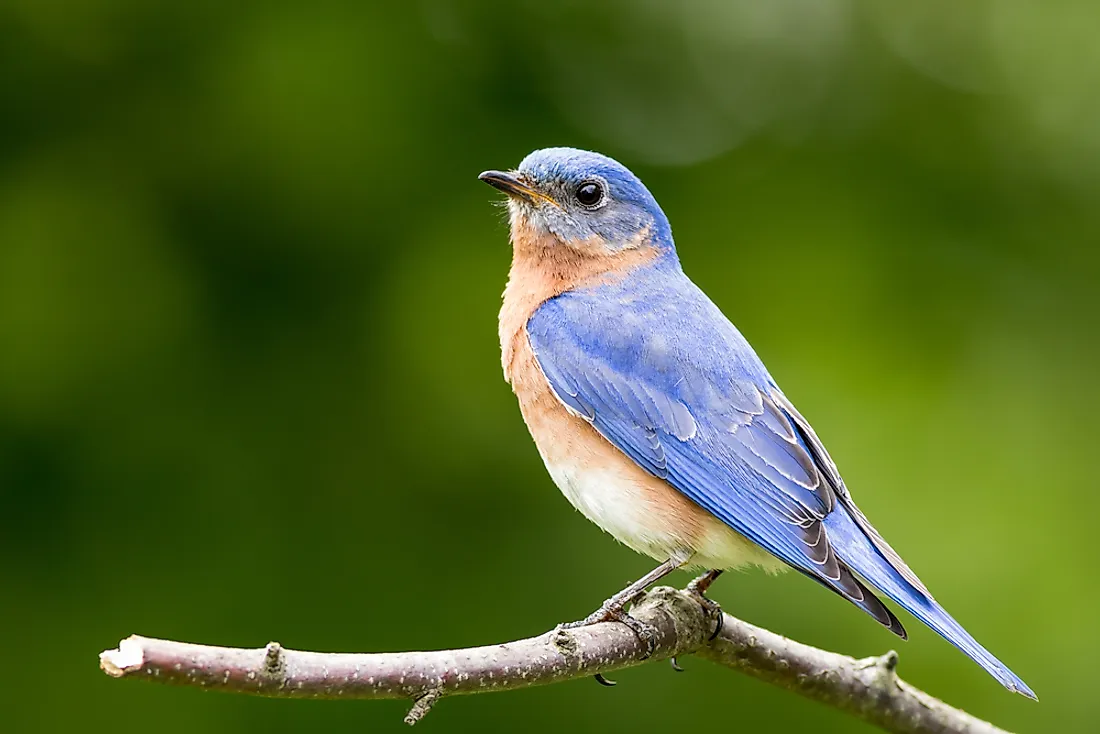
The allure of the Eastern Bluebird is undeniable. With its striking cerulean blue plumage on its back, wings, and tail, set against a rusty breast and white belly, it is a bird that commands attention with its beauty. This vibrant coloration makes it stand out against the green foliage of summer and the muted tones of winter, offering a splash of color that enlivens any natural setting. Its song, a soft, warbling melody, is equally enchanting, often described as a gentle series of whistles. This serene soundscape is a stark contrast to the cacophony of urban life, offering a peaceful auditory experience that complements its visual appeal. The bird’s relatively small size and shy disposition further add to its charm, making encounters with it feel like a special discovery.
Ecological Significance
Beyond its aesthetic qualities, the Eastern Bluebird plays an important role in the local ecosystem. As an insectivore, it helps to control populations of insects such as grasshoppers, beetles, and caterpillars, contributing to the health of agricultural lands and natural habitats. Their preference for open woodlands, meadows, and fields makes them indicators of healthy, well-maintained landscapes. Their nesting habits, typically in cavities of trees or in man-made nest boxes, also highlight the importance of habitat preservation and management. The resurgence of the Eastern Bluebird population in many areas is often attributed to conservation efforts, including the installation of nest boxes, which underscores their value as a species that benefits from and signifies successful environmental stewardship.
A Bird of Many Regions
The Eastern Bluebird is not confined to a single type of environment within New York. While it is most commonly associated with rural and suburban areas, its adaptability allows it to be found in a variety of settings, from the sprawling parks of New York City to the agricultural heartlands of upstate and the more natural reserves along the Niagara River. This widespread presence makes it a familiar sight for many residents and visitors, fostering a sense of connection to the state’s natural beauty regardless of their specific location.
From Urban Oases to Rural Retreats
Even within the bustling metropolis of New York City, pockets of nature exist where the Eastern Bluebird can be spotted. Parks like Central Park, the Bronx Zoo, and the New York Botanical Garden provide suitable habitats with trees, open grassy areas, and access to insects. These urban oases offer a surprising refuge for wildlife, demonstrating that nature can thrive even in the most developed environments. Further upstate, the expansive countryside of regions like the Adirondack Mountains and the Catskill Mountains offer vast expanses of woodlands and meadows that are ideal for bluebird populations. These areas are prime destinations for nature lovers, birdwatchers, and those seeking a tranquil escape from urban life, where the sight and sound of the Eastern Bluebird are almost guaranteed.
Connecting with Local Culture and Tourism
The presence of the Eastern Bluebird is subtly woven into the fabric of New York’s local culture and tourism landscape. While not as overtly celebrated as some of the state’s more prominent attractions, it serves as a natural ambassador for the state’s commitment to preserving its ecological heritage. Local tourism initiatives often highlight opportunities for birdwatching, particularly in state parks and nature preserves, where the Eastern Bluebird is a sought-after species. For visitors looking to experience a different side of New York beyond the iconic landmarks of New York City, exploring the state’s natural beauty and its avian inhabitants offers a unique and rewarding travel experience. This focus on natural tourism aligns with a growing trend of travelers seeking authentic experiences that connect them with the local environment and its wildlife.
Experiencing the Bird of New York: Travel and Accommodation Tips
For travelers interested in encountering the Eastern Bluebird in its natural habitat, New York offers numerous opportunities. Planning a trip around the bird’s active seasons and understanding where to best observe them can enhance the experience.
Best Times and Places for Observation
The breeding season for the Eastern Bluebird, typically from spring through summer, is the most opportune time for observation. During this period, they are more active, establishing territories and caring for their young. Key locations to consider for birdwatching include:
- State Parks and Nature Preserves: Numerous state parks throughout New York, such as Allegany State Park, Letchworth State Park, and the Montezuma National Wildlife Refuge, are excellent for spotting bluebirds. These areas often feature open fields, meadows, and scattered trees, providing ideal foraging and nesting grounds.
- Rural and Agricultural Areas: The countryside of upstate New York, particularly regions like the Finger Lakes and the Hudson Valley, are prime bluebird territory. Look for areas with farmlands, orchards, and open pastures.
- Parks within Cities: Even within larger urban centers, smaller parks, cemeteries, and golf courses can provide surprising opportunities to see bluebirds, especially if they have suitable habitat elements.
When visiting these locations, remember to be quiet and patient. Early morning and late afternoon are often the most active times for birds. binoculars are highly recommended to get a closer look without disturbing the birds.
Accommodation Options for Nature Enthusiasts
For travelers prioritizing a connection with nature, New York offers a diverse range of accommodation options that complement birdwatching excursions. Whether seeking a luxurious resort or a cozy cabin, there are choices to suit every budget and travel style.
- Resorts and Lodges: Many resorts and lodges are located in scenic, rural areas, offering easy access to natural attractions. Some may even have their own nature trails or provide guided birdwatching tours. Consider establishments near state parks or wildlife refuges. For example, a stay at a lodge in the Adirondack Mountains could place you in close proximity to prime bluebird habitats.
- Bed & Breakfasts and Inns: These charming accommodations often provide a more intimate experience, with hosts who can offer local insights into the best places for wildlife viewing. Many are situated in picturesque towns and villages, allowing for a blend of rural exploration and local immersion.
- Cabins and Vacation Rentals: For those seeking a more secluded experience, renting a cabin or a vacation home in the countryside offers a private retreat. This option is particularly appealing for families or groups who want to spend extended time exploring natural landscapes. Websites dedicated to accommodation bookings can help you find suitable rentals in areas known for bluebird sightings.
- Hotels in Proximity to Natural Attractions: While not directly in the wilderness, many hotels are conveniently located near major parks and natural areas. Staying in towns bordering these attractions allows for day trips into prime bluebird territory. For instance, hotels in Ithaca can serve as a base for exploring the Finger Lakes region.
When booking accommodation, it’s advisable to research the specific location’s proximity to known bluebird habitats and to inquire about any nature-focused amenities or services offered. Many hotels and resorts now highlight their commitment to sustainability and offer guides to local flora and fauna.
Beyond the Bird: Embracing New York’s Natural Diversity
The Eastern Bluebird serves as an invitation to explore the broader natural beauty of New York. The state is a treasure trove of diverse landscapes, from the rugged peaks of the Adirondacks to the serene shores of the Great Lakes and the rolling vineyards of the Finger Lakes. Understanding the Eastern Bluebird as the state bird encourages a deeper appreciation for these environments and the myriad of other species that inhabit them.
A Gateway to Outdoor Adventures
For travelers who appreciate the outdoors, New York offers a wealth of activities that go hand-in-hand with birdwatching. Hiking trails wind through forests and along scenic vistas, offering opportunities to spot other bird species, deer, and a variety of plant life. Kayaking and canoeing on the state’s numerous lakes and rivers provide a unique perspective on the natural world, allowing for peaceful exploration and wildlife observation. Camping in state parks offers an immersive experience, where the sounds of nature, including bird songs, are a constant companion. For those interested in photography, the state’s diverse landscapes and wildlife provide endless subjects.
Conservation and Responsible Tourism
The presence of the Eastern Bluebird as the state bird also subtly promotes the importance of conservation. As habitats face pressures from development and climate change, efforts to protect and restore natural areas become increasingly vital. Responsible tourism plays a key role in this. Visitors are encouraged to practice Leave No Trace principles, minimizing their impact on the environment. This includes staying on marked trails, properly disposing of waste, and refraining from disturbing wildlife. Supporting local businesses that prioritize sustainability and conservation further contributes to the preservation of New York’s natural heritage. By embracing the Eastern Bluebird as a symbol, New York encourages a mindful approach to travel, one that values and protects the natural wonders that make the state so special.
In conclusion, while the iconic skyline of New York City may be its most famous attribute, the Eastern Bluebird represents a different, yet equally significant, facet of the Empire State. It is a symbol of its natural beauty, its ecological richness, and its commitment to preserving the wild spaces that coexist with its urban vibrancy. For the traveler seeking to experience the full spectrum of what New York has to offer, looking for the flash of blue in a tree or listening for its gentle song can be a rewarding and illuminating pursuit.
LifeOutOfTheBox is a participant in the Amazon Services LLC Associates Program, an affiliate advertising program designed to provide a means for sites to earn advertising fees by advertising and linking to Amazon.com. Amazon, the Amazon logo, AmazonSupply, and the AmazonSupply logo are trademarks of Amazon.com, Inc. or its affiliates. As an Amazon Associate we earn affiliate commissions from qualifying purchases.