
Understanding the fluctuations in gasoline prices is crucial for any traveler planning a road trip through the diverse landscapes of California. As the Golden State boasts a sprawling network of highways, from the coastal stretches of Pacific Coast Highway to the majestic peaks of the Sierra Nevada, a significant portion of any itinerary often involves navigating by car. Gasoline costs represent a substantial, and often unpredictable, component of a travel budget. This exploration delves into the factors influencing average gasoline prices in California, offering insights for savvy travelers to better plan their journeys.

The Dynamic Landscape of California’s Fuel Costs
California consistently experiences some of the highest gasoline prices in the United States. This premium is not a random occurrence but a consequence of a complex interplay of economic, environmental, and political factors unique to the state. For travelers, grasping these underlying drivers can demystify the seemingly ever-changing numbers at the pump and empower them to make more informed decisions.
State-Specific Taxes and Fees
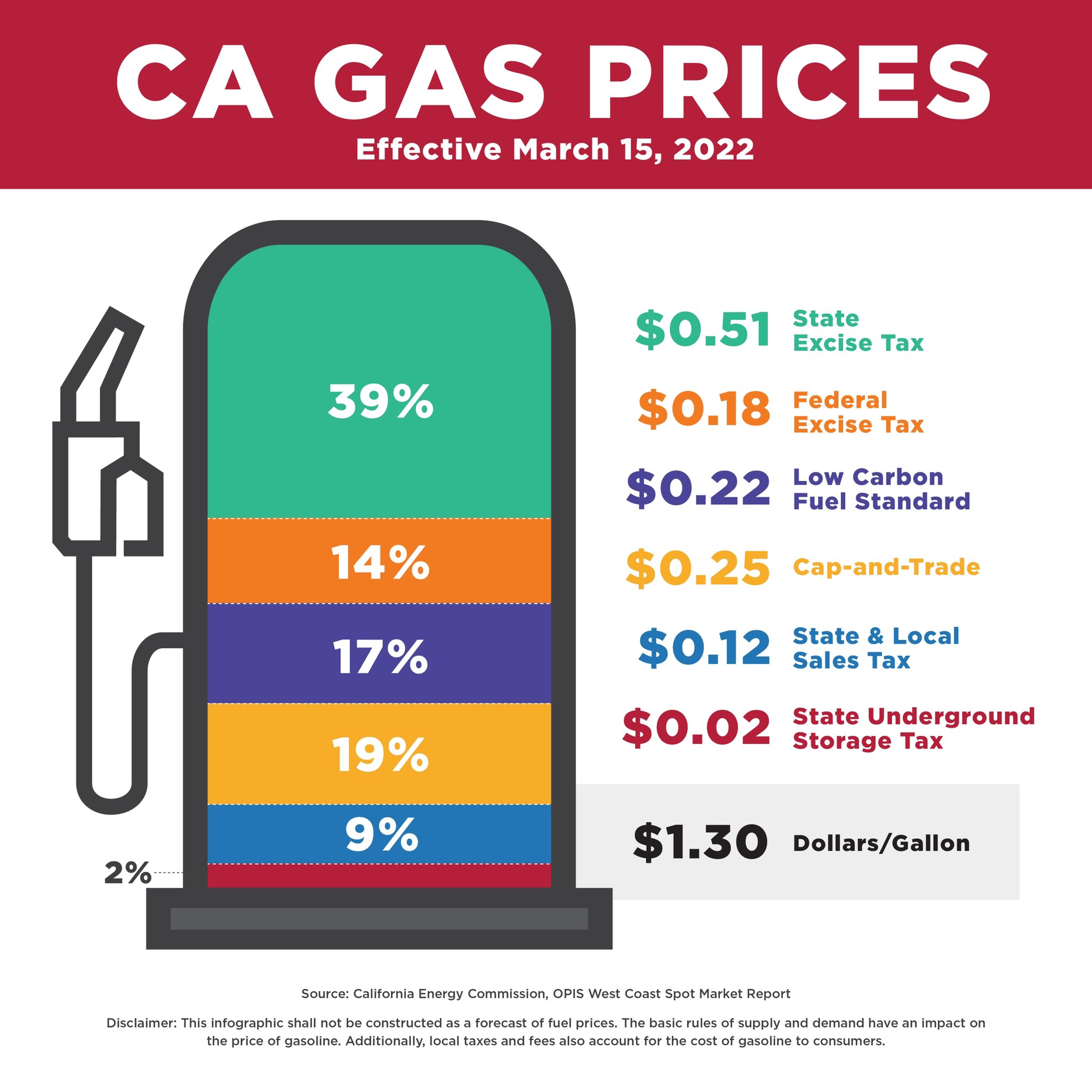
One of the most significant contributors to California’s elevated gas prices is its robust taxation structure. The state imposes a variety of taxes and fees on gasoline, including:
- State Excise Tax: This is a per-gallon tax levied by the state. While it may seem straightforward, the rate can be adjusted and has historically been one of the highest in the nation.
- Sales Tax: In addition to the excise tax, a state sales tax is also applied to the retail price of gasoline. This means that as the price of gasoline increases, so does the sales tax collected.
- Underground Storage Tank Cleanup Fee: This fee is designed to fund the remediation of leaking underground storage tanks at gas stations, addressing environmental concerns.
- Local Taxes: Many counties and cities within California also impose their own local sales taxes or special district taxes, further increasing the per-gallon cost.
These cumulative taxes and fees can add a substantial amount to the final price consumers pay at the pump, differentiating California from many other states. For travelers, particularly those on extended road trips, these state-mandated charges become a consistent and unavoidable expense.
Environmental Regulations and Fuel Standards
California has long been at the forefront of environmental protection, and its stringent fuel standards are a prime example. The state’s gasoline must meet specific formulations designed to reduce smog and air pollution, particularly in its densely populated urban centers like Los Angeles and San Francisco.
- California Air Resources Board (CARB) Standards: CARB mandates unique gasoline specifications that are more rigorous than federal standards. These include lower sulfur content and specific volatility requirements.
- Oxygenate Requirements: California often requires the addition of oxygenates to gasoline, which helps with cleaner combustion.
- Seasonal Blends: The state requires different gasoline blends for summer and winter to account for varying atmospheric conditions and pollution levels. The summer blend, designed to reduce evaporative emissions in warmer weather, is typically more expensive to produce.
The need to produce and distribute these specialized fuel blends adds to the operational costs for refiners and distributors. These costs are then passed on to consumers, contributing to the higher average price of gasoline. For travelers, this means that even if global crude oil prices are low, California’s unique fuel requirements can keep prices elevated.
Refinery Operations and Supply Disruptions
The limited number of refineries operating within California, coupled with their reliance on specialized crude oil and stringent operating regulations, creates a unique supply dynamic.
- Limited Refinery Capacity: California has a relatively small number of refineries compared to its large population and vehicle fleet. This limited capacity means that any disruption at a single refinery can have a significant impact on statewide supply.
- Independent Refiners: Many of these refineries are independent, meaning they are not integrated with major oil companies and are more susceptible to market fluctuations.
- Maintenance and Unexpected Outages: Refineries require scheduled maintenance, which can temporarily reduce output. Unexpected equipment failures or environmental incidents can also lead to sudden shutdowns, creating supply shortages and driving up prices.
- Import Dependence: When local refinery output is insufficient, California may need to import gasoline from other regions, often from the U.S. Gulf Coast or even internationally. The added transportation costs and potential for shipping delays can further inflate prices.
For a traveler traversing California, a sudden refinery issue can lead to noticeable price spikes in specific regions, emphasizing the need to monitor local gas prices if traveling during a period of reported supply disruptions.
Global Crude Oil Prices and Geopolitical Factors
While state-specific factors are paramount, the fundamental driver of gasoline prices everywhere, including California, is the cost of crude oil on the global market.
- Supply and Demand: The global balance of crude oil supply and demand is influenced by a multitude of factors, including production levels by major oil-producing nations, global economic growth, and geopolitical events.
- Geopolitical Instability: Conflicts, political unrest, or sanctions in major oil-producing regions can disrupt supply chains and lead to significant price volatility.
- Economic Indicators: A strong global economy typically increases demand for oil, pushing prices higher, while an economic downturn tends to lower them.
- Currency Exchange Rates: Since crude oil is traded internationally in U.S. dollars, fluctuations in currency exchange rates can also affect the cost of imported oil for countries that do not use the dollar as their primary currency.
Even though California has its own distinct fuel market, it is not immune to these global forces. When crude oil prices surge internationally, the impact is amplified by the state’s already high baseline costs. Conversely, periods of global price stability can offer some relief, though state-specific factors often prevent prices from dropping to levels seen elsewhere.
Navigating California’s Gas Prices: Tips for Travelers
Given the complex factors influencing gasoline prices in California, travelers can adopt several strategies to manage this aspect of their trip.
Planning Your Route Strategically
- Consolidate Driving: If possible, plan your itinerary to minimize unnecessary driving. Group activities in the same region to avoid lengthy transit days.
- Utilize Public Transportation in Cities: In major urban areas like Los Angeles or San Francisco, consider using public transportation, ride-sharing services, or walking for local exploration. This can save significant amounts on fuel and parking costs.
- Consider the Off-Season: While not directly impacting gas prices, traveling during the off-season might coincide with periods of lower demand for fuel, potentially leading to slightly more stable prices.
Smart Refueling Habits
- Monitor Gas Prices: Utilize gas price tracking apps and websites. These tools can help you identify stations with lower prices along your route. Prices can vary significantly even within a few miles.
- Refuel in Lower-Cost Areas: Generally, gas prices tend to be lower in less populated rural areas compared to major metropolitan centers or popular tourist destinations. Plan to fill up your tank before entering pricier regions if feasible.
- Avoid Refueling at Tourist Hotspots: Gas stations located immediately adjacent to major attractions or along scenic highways like Pacific Coast Highway often carry a premium.
- Consider a Fuel-Efficient Vehicle: If you are renting a car or have the option, choose a vehicle known for its fuel efficiency. This can lead to substantial savings over the course of a long trip.

Understanding Price Trends
- Follow News and Alerts: Stay informed about any news related to refinery issues, supply disruptions, or significant changes in global oil markets that might impact California gas prices.
- Be Prepared for Volatility: Recognize that gas prices can change rapidly. It’s wise to budget a bit more than you anticipate for fuel, as unexpected spikes can occur.
By understanding the intricate web of factors that contribute to the average price of gasoline in California, travelers can better prepare for their journeys. While the state’s fuel costs may remain higher than the national average, informed planning and strategic decisions can help mitigate their impact, allowing for a more enjoyable and budget-friendly exploration of this magnificent state.
LifeOutOfTheBox is a participant in the Amazon Services LLC Associates Program, an affiliate advertising program designed to provide a means for sites to earn advertising fees by advertising and linking to Amazon.com. Amazon, the Amazon logo, AmazonSupply, and the AmazonSupply logo are trademarks of Amazon.com, Inc. or its affiliates. As an Amazon Associate we earn affiliate commissions from qualifying purchases.