
Understanding the financial landscape of New York is essential for anyone considering a move to this bustling metropolis, whether for professional growth or a change in lifestyle. As one of the most expensive cities in the world, the interplay between the average wage and the cost of living creates a unique economic environment. Navigating this landscape requires more than just looking at a paycheck; it requires a deep dive into industry trends, regional disparities, and the realities of urban existence.
The Economic Pulse: Decoding Average Earnings
When discussing the average wage in New York City, it is vital to distinguish between median and mean figures, as well as the distinction between the city itself and the broader New York State region. The economic engine of the city is fueled by diverse sectors ranging from high-finance on Wall Street to the creative arts in Brooklyn.

Dissecting Wage Data
The average annual salary for a professional in the city often hovers significantly higher than the national average. However, these figures are heavily skewed by high-earning sectors like investment banking, corporate law, and technology. For the average worker, the reality is often more nuanced. Entry-level positions in retail or hospitality, while vital to the city’s identity, offer a starkly different financial picture than roles in specialized industries.
The Impact of Sector Trends
Key industries are the primary drivers of wage variance:
- Finance: Centered around Manhattan, the financial sector remains the highest-paying industry, contributing to the elevated average.
- Technology: With Silicon Alley continuing to expand, tech salaries are aggressively climbing to compete with West Coast hubs.
- Creative Services: Industries such as media, design, and fashion—iconic to New York—often offer lower starting wages but promise significant growth potential for those who excel.
The Cost of Living Reality Check
Calculating a comfortable wage in New York is an exercise in managing the high overhead costs associated with the city. Earning the average salary does not necessarily equate to the same standard of living one might enjoy in other parts of the United States.
Housing and Utilities
Housing costs are the single largest expenditure for the average worker. Whether renting a studio in Queens or an apartment in The Bronx, the percentage of income dedicated to rent can be staggering. When factoring in property taxes (if owning) or the landlord’s pass-through costs in rent, the average wage is stretched thin. Utilities and high-speed internet in major hubs like Staten Island or denser urban centers add layers to the monthly budget.
Discretionary Spending and Lifestyle
Living in a city that hosts world-class cultural institutions like the Metropolitan Museum of Art or the American Museum of Natural History requires a budget for lifestyle. The “average” lifestyle in New York includes access to a robust transit system, iconic dining experiences, and proximity to landmarks like Central Park. However, maintaining this lifestyle on an average income requires disciplined financial planning, as the cost of goods and services is consistently above the national median.
Economic Geography: Neighborhoods and Income
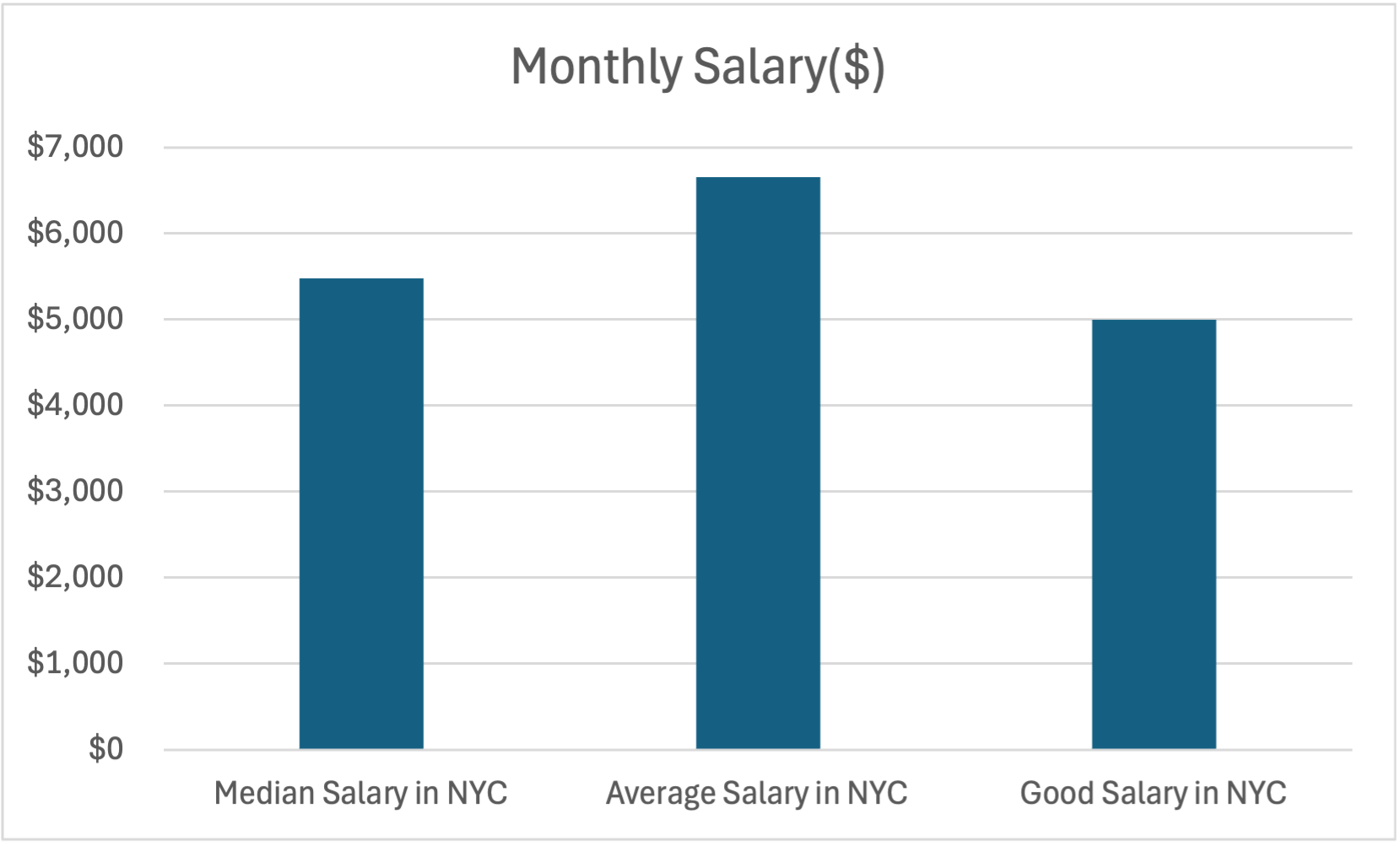
The geographical distribution of wealth within New York City is a testament to the city’s economic complexity. One’s neighborhood often dictates their proximity to jobs and the subsequent commute, which is a major factor in the total “cost of work.”
Commuter Dynamics and Wage Efficiency
For those residing in the suburbs or outer boroughs, the cost of transit is a significant line item. Utilizing the Metropolitan Transportation Authority daily impacts net disposable income. High-earners in Midtown Manhattan may pay a premium in rent to walk to work, effectively trading rent for time and transit costs, whereas workers in the outer boroughs must balance lower rent against the time and monetary cost of commuting.
Industry Clustering
Wealth is rarely distributed evenly. Neighborhoods with high concentrations of tech startups see different wage growth patterns compared to areas historically focused on manufacturing or public services. Understanding where one’s industry is clustered can provide insight into how to maximize earning potential within the local economy.
Career Advancement and Wage Growth
The New York job market is notoriously competitive, but it also offers one of the highest concentrations of networking opportunities. For those looking to exceed the average salary, the city provides a unique ecosystem for career acceleration.
Networking and Professional Development
The concentration of corporate headquarters, international NGOs, and innovative startups means that professional growth is often a matter of who you know and where you engage. Frequent attendance at industry-specific events or leveraging memberships in local professional organizations can lead to salary increases that outpace standard annual adjustments.
The Multi-Industry Advantage
Many professionals in New York utilize the “side hustle” or gig economy to supplement their primary income. Whether it is freelance work in the arts or consulting in the corporate sector, the city’s economic structure supports a culture of multiple income streams. This flexibility is a key strategy for many who find the standard average wage insufficient to cover the lifestyle requirements of living in a major global city.
Preparing for the Future
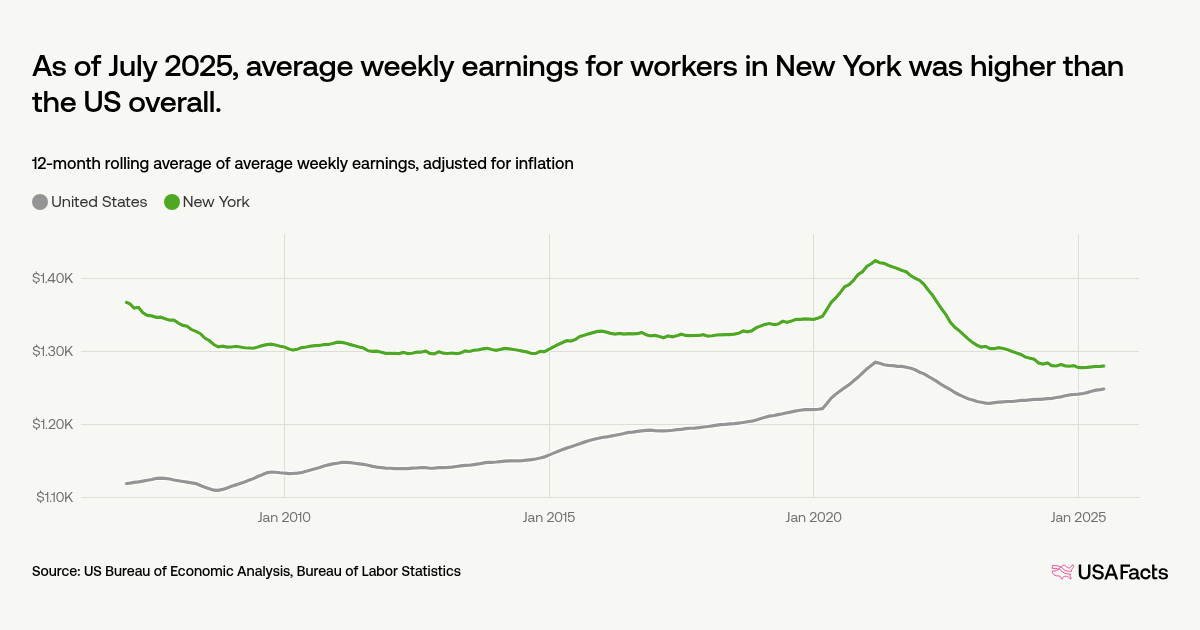
As the economic landscape of New York continues to evolve, the concept of the “average wage” is a moving target. Factors such as inflation, changing tax policies, and the growth of remote work have transformed how professionals view their compensation packages.
Evaluating Total Compensation
When considering a career move to the city, it is imperative to look beyond the base salary. Benefits, retirement matching, health insurance quality, and the potential for performance-based bonuses are critical components of a total compensation package. In New York, a lower base salary combined with superior benefits can often prove more valuable than a higher salary in a role with little room for growth or high out-of-pocket costs.
Long-term Financial Planning
For those aiming to plant roots, the focus shifts to long-term wealth building. While the average wage is sufficient to maintain a vibrant lifestyle, it may present challenges for long-term goals like property ownership or retirement savings if not managed with a strategic approach. Engaging with financial planners who understand the specificities of the New York market can provide the clarity needed to navigate the intersection of career success and personal financial stability.
By analyzing the data, understanding the neighborhoods, and recognizing the opportunities for growth, you can effectively position yourself to thrive in this high-energy, high-reward environment. The New York experience is defined by its intensity, and for those who plan accordingly, the financial rewards often follow.
LifeOutOfTheBox is a participant in the Amazon Services LLC Associates Program, an affiliate advertising program designed to provide a means for sites to earn advertising fees by advertising and linking to Amazon.com. Amazon, the Amazon logo, AmazonSupply, and the AmazonSupply logo are trademarks of Amazon.com, Inc. or its affiliates. As an Amazon Associate we earn affiliate commissions from qualifying purchases.