
Maine Coons are the gentle giants of the feline world, renowned for their impressive stature, tufted ears, and exceptionally affectionate temperaments. For owners bringing these magnificent cats into their lives, understanding their developmental timeline is essential for proper care. Unlike standard domestic shorthairs, which often reach maturity by their first birthday, Maine Coons follow a significantly slower growth trajectory, requiring patience and specialized nutrition well into their adult years.
The Unique Growth Timeline of Maine Coons
The biological development of a Maine Coon is a marathon, not a sprint. While most feline breeds are considered adults at twelve months, the Maine Coon is a “late bloomer” in the world of pedigreed cats.
The Rapid Kitten Phase
From birth until approximately six months of age, Maine Coon kittens experience a period of explosive growth. During this time, they require high-calorie diets rich in protein and essential minerals to support their rapidly developing bone structure and muscle mass. Owners often notice that these kittens possess disproportionately large paws and long tails—a physical hallmark of the breed that suggests their final adult size.
The Sustained Maturation Process
After the initial six-month growth spurt, the development slows down, but it does not stop. Between the ages of six months and two years, the cat undergoes a period of refinement. Muscle tone begins to fill out, and the signature luxurious coat starts to thicken. During this window, owners might notice their cat looks “lanky” or awkward; this is entirely normal as the feline body balances its height, length, and weight.
Reaching Peak Maturity
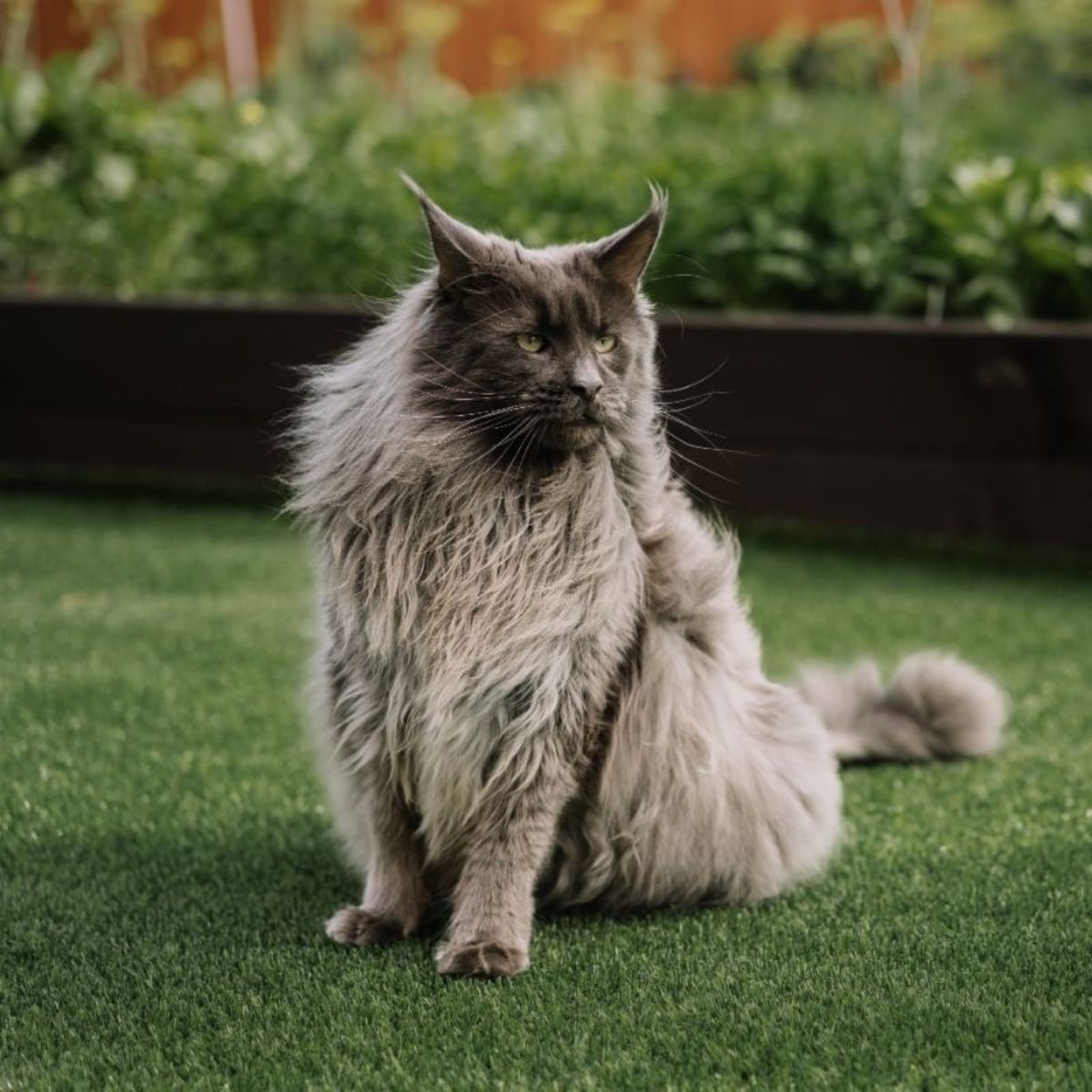
The industry standard for when a Maine Coon is considered “fully grown” is between three and five years of age. It is common for these cats to continue gaining muscle mass and widening in the chest until they are four or even five years old. Understanding this extended timeline prevents owners from worrying about perceived developmental delays, as the skeletal growth usually finishes long before the muscular density reaches its peak.
Factors Influencing Physical Development
Several variables play a role in how large your Maine Coon will eventually become. While genetics provide the blueprint, environmental factors act as the construction crew.
Genetic Predisposition and Lineage
The lineage of your cat is the most significant indicator of its final size. Responsible breeders in Maine often provide growth charts based on the sire and dam. If a cat comes from a line of particularly large ancestors, they are statistically more likely to reach the higher end of the weight spectrum—often exceeding 20 pounds for males. Conversely, smaller lineage lines will result in more moderate-sized adults.
Nutritional Requirements and Energy Intake
Because Maine Coons grow for so long, their nutritional needs change frequently. A kitten diet is essential for the first year, but transitioning to a high-quality adult formula that supports joint health and muscle maintenance is critical once the cat hits the two-year mark. Providing a diet balanced in taurine, protein, and Omega fatty acids helps the cat reach its full genetic potential without becoming overweight, which can lead to stress on the joints.

Spaying and Neutering Considerations
Veterinary research suggests that the timing of spaying or neutering can impact the growth of Maine Coons. Because sex hormones play a role in the closure of growth plates in bones, early alteration can sometimes lead to slightly taller, leaner cats, while waiting until the cat is more mature may allow for a slightly thicker bone structure. If you are concerned about your cat’s specific growth rate, consulting a veterinarian who has experience with large-breed cats is always the best course of action.
Environmental Enrichment and Health
A Maine Coon’s size is only one part of the equation. To truly flourish as a house cat, these felines require an environment that accommodates their unique physical needs.
Navigating Interior Spaces
When your Maine Coon is a kitten, they may fit comfortably in a standard cat tree. However, as they grow into their adult size, it becomes necessary to invest in “heavy-duty” furniture. Standard cat perches and scratching posts are often too flimsy or small for a full-grown Maine Coon, which can weigh upwards of 20 pounds. Selecting sturdy, wide-based structures that allow for their full body length is essential for their comfort and safety.
Exercise and Activity Levels
Despite their size, Maine Coons are playful and active. Keeping them physically engaged not only helps manage their weight but also stimulates their intelligence. Interactive play—such as chasing feather wands or solving food puzzles—is ideal for a breed known for its “dog-like” personality. Whether you are living in a rustic home in New England or a contemporary apartment in a bustling city like Portland, creating vertical space for them to climb and explore is a key component of their well-being.
Monitoring Joint Health
Due to their massive size and slower growth rate, Maine Coons can be prone to joint issues, particularly hip dysplasia. Monitoring their weight throughout the first five years is crucial. An overweight Maine Coon puts unnecessary pressure on developing joints. Regular veterinary check-ups allow you to track their growth against breed-standard averages and ensure they remain in peak physical condition throughout their long developmental phase.
Setting Expectations for Ownership
Living with a Maine Coon is a rewarding experience, but it requires a commitment to a long-term developmental journey. Unlike smaller breeds that may be content with minor adjustments to their routine, the Maine Coon demands a space—and a lifestyle—that honors their heritage as the rugged, intelligent, and substantial hunters they were originally bred to be.
The Patience of the Pet Parent
Expect your Maine Coon to change significantly in appearance every six months for the first three years. Their coat texture may shift from kitten-soft to a more water-resistant, heavier guard coat, and their facial structure may widen, giving them that classic, regal “lion-like” expression. Embracing these changes as part of the beauty of the breed is a core aspect of being a responsible owner.

Long-term Health Monitoring
Because they take up to five years to fully mature, regular visits to a professional clinic—perhaps located in a hub of veterinary excellence like Boston—can ensure that their growth is steady and healthy. Keeping records of their weight and height throughout their youth is a helpful practice that your veterinarian will appreciate, as it provides a clear picture of their development compared to typical growth curves for the breed.
By respecting their extended growth period and providing the necessary support—proper nutrition, robust furniture, and consistent activity—you will ensure that your Maine Coon reaches their full potential, not just in size, but in health and happiness. These magnificent companions reward that patience with years of loyalty, personality, and an undeniable presence that remains unmatched in the feline world.
LifeOutOfTheBox is a participant in the Amazon Services LLC Associates Program, an affiliate advertising program designed to provide a means for sites to earn advertising fees by advertising and linking to Amazon.com. Amazon, the Amazon logo, AmazonSupply, and the AmazonSupply logo are trademarks of Amazon.com, Inc. or its affiliates. As an Amazon Associate we earn affiliate commissions from qualifying purchases.