
Choosing the “best” place to live is an inherently personal quest, deeply interwoven with one’s lifestyle aspirations, financial realities, and unique preferences. In a state as vast and diverse as Florida, this decision becomes even more complex, offering an unparalleled array of environments from bustling metropolises to serene coastal havens. The Sunshine State beckons with its year-round warmth, vibrant cultures, and an abundance of recreational opportunities, but what constitutes an ideal home here varies dramatically from one individual or family to another. This comprehensive guide aims to dissect the myriad factors that contribute to a fulfilling lifestyle in Florida, helping prospective residents identify the locale that truly aligns with their vision of the perfect life.

Diverse Lifestyles Across The Sunshine State
Florida’s geographical and cultural tapestry supports a remarkable spectrum of lifestyles. From the cosmopolitan flair of its southern cities to the tranquil charm of its northern towns, the state offers something for everyone, provided one knows where to look and what to prioritize.
Coastal Serenity vs. Urban Vibrancy
The most striking dichotomy in Florida living often lies between its vibrant urban centers and its numerous tranquil coastal communities. For those who thrive on energy, diversity, and constant activity, cities like Miami or Orlando offer a pulsating beat. Miami, a global hub for finance, culture, and international trade, presents a high-octane lifestyle rich in art, nightlife, and culinary excellence. Orlando, while synonymous with theme parks, has evolved into a significant player in technology and healthcare, offering a dynamic urban core amidst its famous attractions.
Conversely, those who dream of waking up to the sound of waves and enjoying a slower pace of life might gravitate towards communities along the Gulf Coast or the quieter stretches of the Atlantic. Places like Sarasota or Naples on the Gulf Coast epitomize coastal serenity, blending natural beauty with cultural sophistication and a relaxed atmosphere. These areas often cater to those seeking a strong community feel, outdoor activities, and a peaceful environment.
Family-Friendly Havens and Retirement Paradises
Florida’s appeal spans generations, making it a top choice for both growing families and those entering their golden years. For families, the presence of good schools, safe neighborhoods, and abundant recreational opportunities are paramount. Cities such as Tampa Bay and Orlando are increasingly recognized for their family-friendly amenities, from parks and museums to thriving youth sports leagues. Suburban areas surrounding these larger cities often provide the ideal balance of community services, space, and access to urban amenities.
For retirees, Florida has long been a dream destination. Beyond the obvious draw of warm weather and no state income tax, many communities are specifically designed to cater to the needs and interests of older adults. Naples, Sarasota, and numerous communities along the state’s central corridor offer excellent healthcare facilities, active adult communities, golf courses, and a plethora of social opportunities. These areas foster a lifestyle focused on leisure, wellness, and connection.
Key Considerations for Florida Living
To truly identify the best place to live, a deeper dive into practical considerations is essential. Lifestyle is not just about preference; it’s about the tangible elements that shape daily life.
Economic Opportunities and Cost of Living
One of the most significant factors in choosing a home is the economic landscape. Florida’s economy is diverse, with strong sectors in tourism, aerospace, agriculture, technology, and healthcare. Cities like Tampa Bay, Orlando, and Miami offer robust job markets, particularly for professionals. Tampa Bay, for instance, has emerged as a financial and tech hub, attracting a dynamic workforce.
However, economic opportunity often correlates with cost of living. While Florida boasts no state income tax, housing costs, particularly in desirable coastal areas or major urban centers, can be substantial. Miami and Naples represent the higher end of the spectrum, with luxury properties commanding premium prices. Conversely, cities like Gainesville or more inland communities often offer significantly more affordable housing, making them attractive for those seeking a lower cost of living without sacrificing quality of life. Understanding the balance between income potential and expenditures is crucial for a sustainable lifestyle.
Education and Healthcare Infrastructure
For families with children, access to quality education is non-negotiable. Florida offers a mix of public, private, and charter schools, with performance varying by district. Researching school ratings and community resources in areas like St. Johns County (often cited for excellent schools), Sarasota, or the suburbs of Orlando is a vital step. For higher education, the state is home to a robust university system, including the highly-regarded University of Florida in Gainesville, which can also influence the cultural and intellectual vibrancy of a locale.
Healthcare is another critical component, particularly for retirees or individuals with specific medical needs. Major metropolitan areas like Miami, Orlando, and Tampa Bay are home to world-class hospitals and specialized medical centers. Communities with a high percentage of retirees, such as Naples and Sarasota, also tend to have excellent and easily accessible healthcare infrastructure, ensuring peace of mind for their residents.
Climate and Natural Environment
The “Sunshine State” moniker isn’t just a catchy phrase; Florida’s climate profoundly shapes the local lifestyle. While generally warm and sunny, there are subtle regional differences. South Florida experiences a tropical climate, leading to hotter, more humid summers and milder winters. Central and North Florida have a subtropical climate, which means more distinct seasonal changes, including cooler winter nights and slightly less intense summer humidity.
Beyond temperature, the natural environment defines many communities. Coastal towns offer immediate access to beaches, boating, and marine life, fostering an outdoor, water-centric lifestyle. Inland areas, particularly in central Florida, might offer more lakes, springs, and equestrian opportunities. The presence of parks, nature preserves, and green spaces also contributes significantly to a community’s livability and the quality of life it offers, from the historic charm of St. Augustine to the vibrant ecosystems surrounding Gainesville.
Spotlight on Popular Florida Destinations (and their Lifestyles)
To provide a clearer picture, let’s examine specific Florida cities and the distinct lifestyles they offer.
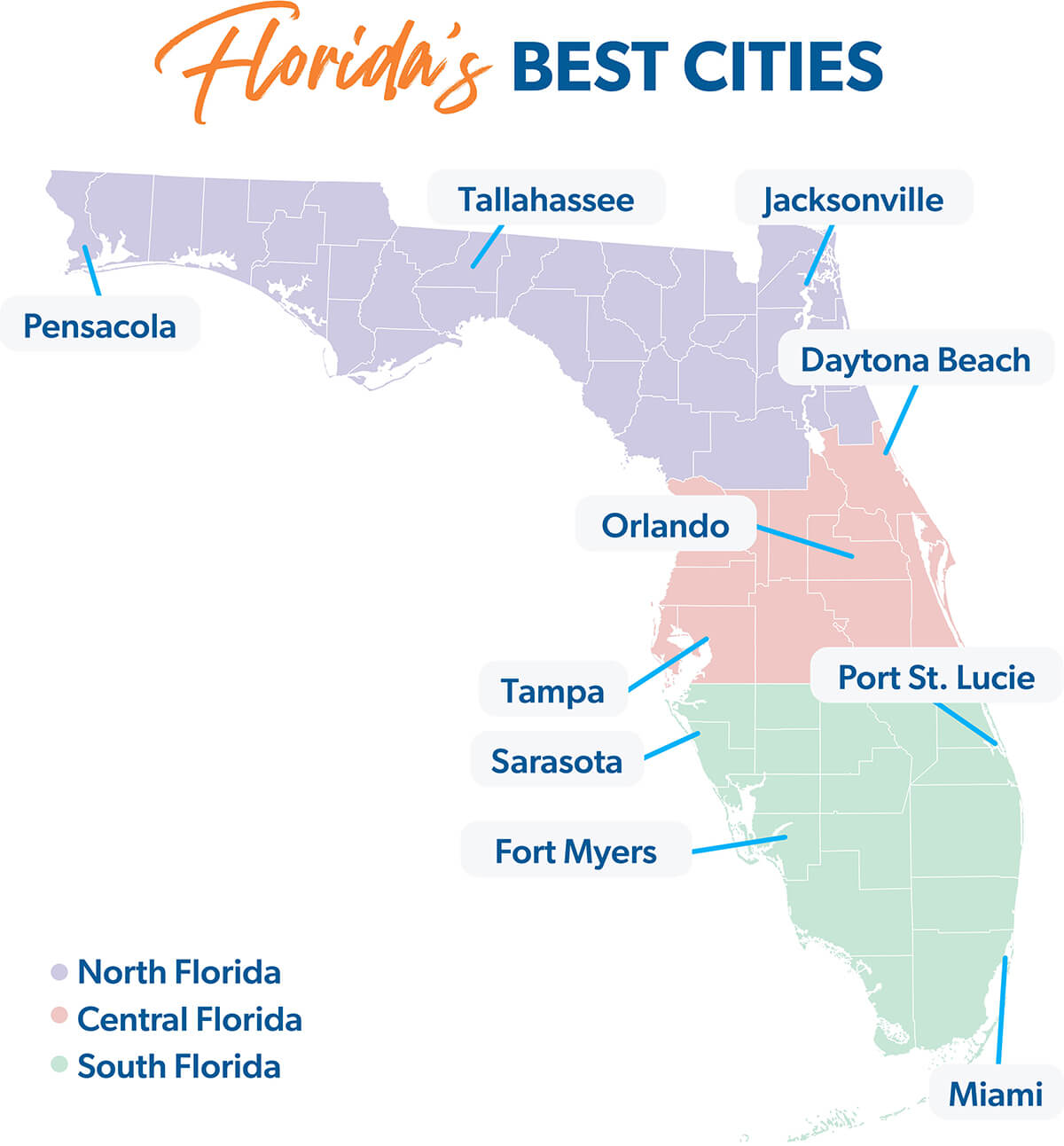
Miami: The Cosmopolitan Melting Pot
Miami is truly a world city, characterized by its vibrant Latin influence, stunning art deco architecture, and a relentless energy. The lifestyle here is fast-paced, glamorous, and culturally rich. Residents enjoy world-class dining, high-end shopping, a thriving arts scene (especially in areas like Wynwood and the Design District), and an exhilarating nightlife. It’s ideal for those seeking a dynamic, international urban experience, where beaches are just a short drive from towering skyscrapers. However, this lifestyle comes with a higher cost of living and can feel overwhelming for those preferring a quieter existence.
Orlando: Theme Park Capital and Growing Tech Hub
While famous for Walt Disney World Resort and Universal Orlando Resort, Orlando offers far more than just tourist attractions. It’s a rapidly growing city with a diverse economy, particularly in simulation, aerospace, and advanced manufacturing. The lifestyle here is family-friendly, with abundant entertainment options, good schools in the suburbs, and a generally more affordable cost of living compared to South Florida. It’s perfect for families, young professionals, and anyone who appreciates a city on the rise with a strong sense of community.
Tampa Bay: Dynamic Growth and Waterfront Appeal
The Tampa Bay area, encompassing Tampa, St. Petersburg, and Clearwater, offers a balanced and appealing lifestyle. Tampa itself is a bustling urban center with a strong job market in finance, healthcare, and technology, alongside a burgeoning culinary scene and vibrant nightlife. St. Petersburg offers a more artsy, bohemian vibe with beautiful downtown waterfront parks and world-class museums like the Dalí Museum. Clearwater is renowned for its pristine beaches. This region caters to a wide demographic, from young professionals and families to active retirees, all seeking a blend of urban amenities, cultural experiences, and easy access to stunning beaches.
Sarasota: Arts, Culture, and Coastal Charm
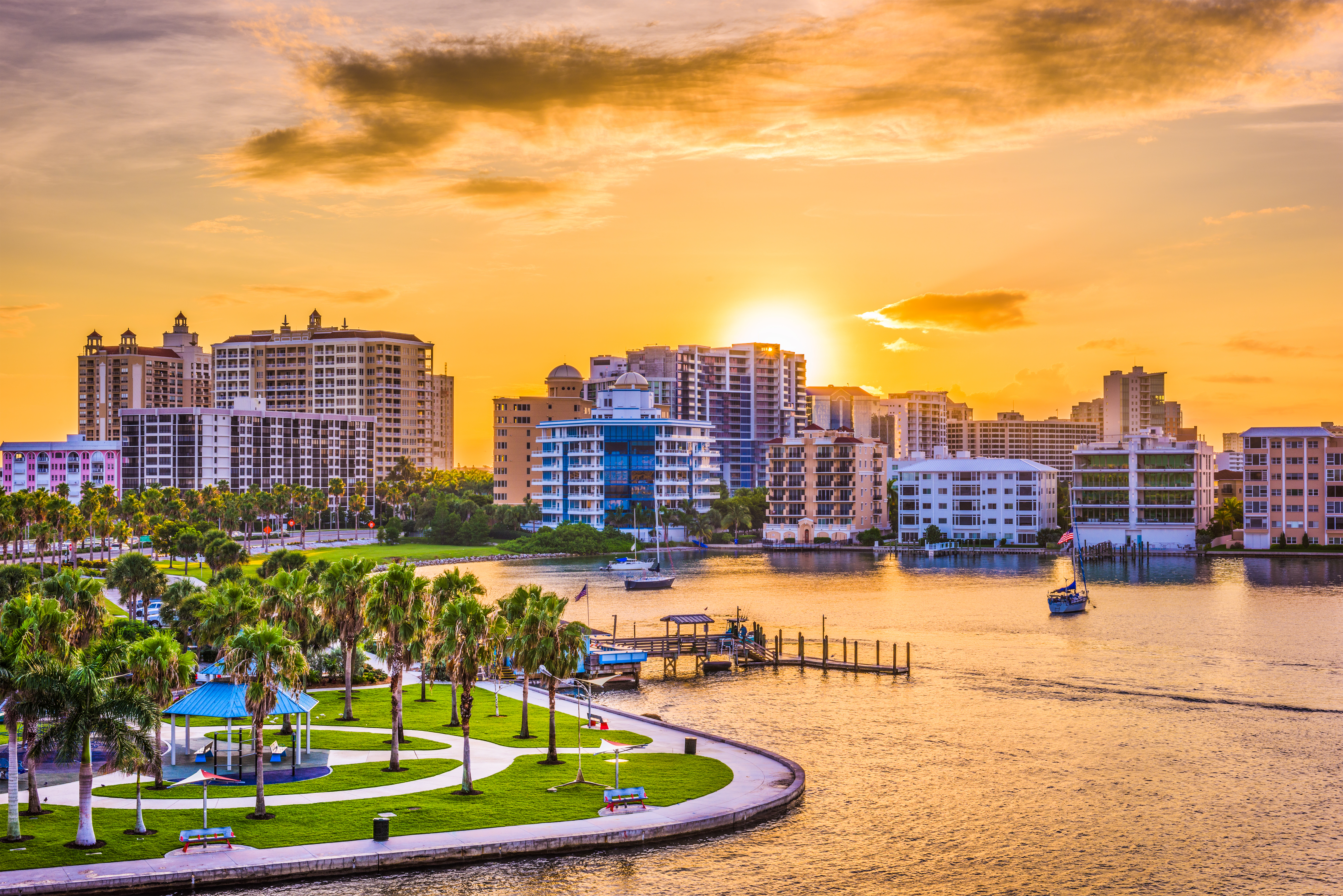
Located on the Gulf Coast, Sarasota is often celebrated for its sophisticated cultural scene, beautiful beaches (including the world-renowned Siesta Key Beach), and affluent communities. The lifestyle in Sarasota is refined and relaxed, attracting artists, professionals, and a significant retiree population. Residents enjoy a rich calendar of performing arts, independent boutiques, excellent dining, and abundant outdoor activities like boating, fishing, and golf. It’s ideal for those who appreciate culture, natural beauty, and a quieter pace of life with luxurious amenities.
Naples: Luxury and Leisure on the Gulf Coast
Further south on the Gulf Coast, Naples represents the pinnacle of luxury Florida living. Known for its upscale shopping, exquisite dining, championship golf courses, and pristine white-sand beaches, Naples offers an exclusive and serene lifestyle. It’s a magnet for affluent retirees and those seeking a high-end, leisurely existence with access to top-tier services and a strong sense of community among like-minded individuals. The cost of living here is among the highest in the state, reflecting its premium offerings.
St. Augustine: History, Charm, and Quaint Living
For those who yearn for history, charm, and a more intimate town feel, St. Augustine is an unparalleled choice. As the nation’s oldest continuously inhabited European-established settlement, it boasts unique Spanish colonial architecture, cobblestone streets, and a rich historical narrative. The lifestyle in St. Augustine is distinctly quaint and community-oriented, appealing to history buffs, artists, and families seeking a charming environment. While smaller than its metropolitan counterparts, it offers a vibrant cultural scene, beautiful beaches nearby, and a strong sense of local pride.
Gainesville: The College Town Vibe
Gainesville offers a different kind of Florida experience: a vibrant college town centered around the University of Florida. The lifestyle here is youthful, energetic, and intellectual, with a strong emphasis on education, research, and community engagement. It provides a more affordable cost of living than coastal cities, with a diverse population, excellent healthcare facilities, and abundant natural beauty, including springs and nature parks. It’s an ideal choice for academics, students, young families, and anyone who appreciates a progressive, green, and intellectually stimulating environment.
Navigating the Trade-offs: Finding Your Ideal Florida Lifestyle
Ultimately, finding the “best” place to live in Florida involves navigating a series of trade-offs, where personal priorities guide the decision-making process.
Proximity to Beaches vs. Inland Amenities
A classic Florida dilemma is the choice between living directly on the coast or opting for an inland community. Coastal living offers unparalleled access to beaches, water sports, and typically higher property values due to demand and views. However, it often comes with higher insurance costs, increased hurricane risk, and sometimes a more tourist-heavy environment. Inland communities, while lacking immediate beach access, often provide more affordable housing, larger lots, and a quieter, more suburban or rural lifestyle, sometimes with better access to freshwater lakes and springs.
Bustling Cities vs. Quiet Suburbs
The decision between a bustling urban center and a quieter suburban or small-town environment also significantly impacts lifestyle. Cities like Miami, Orlando, and Tampa offer cultural diversity, abundant entertainment, and professional opportunities, but may involve traffic, higher crime rates, and less green space. Suburbs and smaller towns provide more space, better schools, a stronger sense of community, and a slower pace, but might require commuting for work or major cultural events.
The Importance of Community Fit
Beyond statistics and amenities, the intangible quality of “community fit” is paramount. Some prefer a community with a strong arts scene, while others seek robust youth sports leagues. Some desire a tight-knit, walkable neighborhood, while others prioritize privacy and expansive properties. Engaging with local residents, spending time in different areas, and even considering a short-term rental in a prospective location can offer invaluable insights into whether a place truly feels like home.
In conclusion, Florida is not a monolith; it’s a tapestry of diverse environments, each offering a distinct lifestyle. The “best” place to live is not a universal truth but rather a deeply personal discovery. By carefully weighing economic factors, educational and healthcare infrastructure, climate preferences, and the unique cultural fabric of each region, individuals and families can confidently navigate the state’s abundant options to find their ideal Florida home, where their lifestyle aspirations can truly flourish under the sun.
LifeOutOfTheBox is a participant in the Amazon Services LLC Associates Program, an affiliate advertising program designed to provide a means for sites to earn advertising fees by advertising and linking to Amazon.com. Amazon, the Amazon logo, AmazonSupply, and the AmazonSupply logo are trademarks of Amazon.com, Inc. or its affiliates. As an Amazon Associate we earn affiliate commissions from qualifying purchases.