
When travelers touch down at Daniel K. Inouye International Airport in Honolulu, they are immediately greeted by a sensory explosion: the scent of plumeria, the warmth of the Pacific breeze, and a melodic cadence of speech that feels distinct from any other part of the United States. For many visitors, the question “What language does Hawaii speak?” is more complex than it appears. While English is the primary mode of communication, the linguistic landscape of the islands is a rich tapestry woven from indigenous heritage, plantation-era necessity, and modern cultural preservation.
The Dual Official Languages of the Aloha State
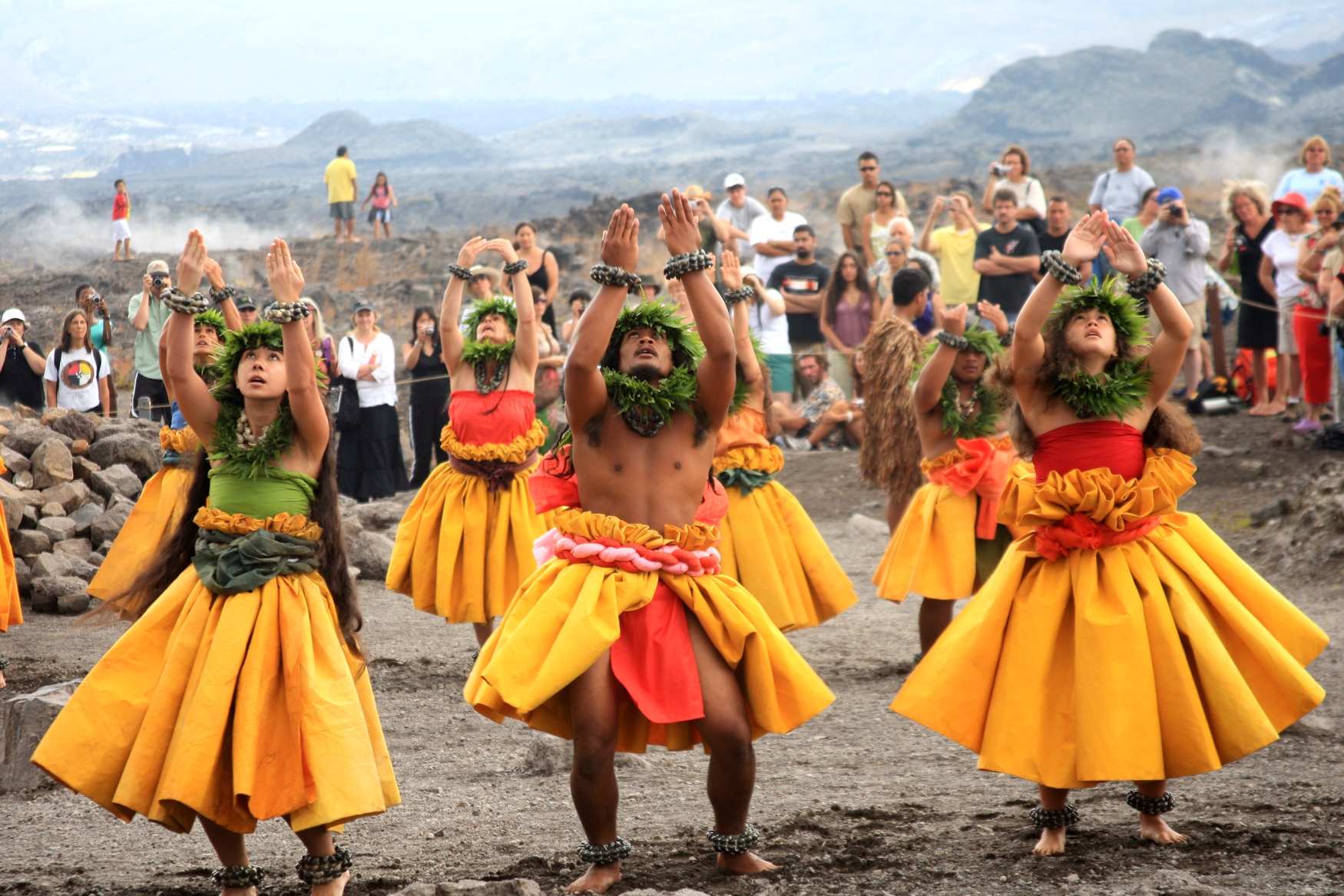
Hawaii holds the unique distinction of being the only state in the United States with two official languages: English and Hawaiian (ʻŌlelo Hawaiʻi). This legal status, established in the 1978 State Constitution, reflects a profound commitment to honoring the indigenous culture of the Polynesian people who first settled these islands.
The History and Revival of ʻŌlelo Hawaiʻi
The Hawaiian language is a member of the Austronesian language family. For centuries, it was a purely oral tradition until missionaries arrived in the early 19th century and developed a written system using the Latin alphabet. By the mid-1800s, Hawaii boasted one of the highest literacy rates in the world. However, following the overthrow of the Hawaiian Kingdom in 1893, the language was banned in schools and government offices, leading to a precipitous decline in native speakers.
In the 1970s, a movement known as the Hawaiian Renaissance sparked a massive cultural rebirth. Music, voyaging, and language became symbols of pride and resistance. Today, while only a small percentage of the population is fully fluent, the language is heard in schools, university programs, and traditional ceremonies across Oahu, Maui, and Kauai. The island of Niihau remains the only place where Hawaiian is the primary language of daily life.
English as the Lingua Franca
Despite the official status of the native tongue, English is the language of business, tourism, and daily administration. If you are staying at a resort in Waikiki or booking a tour to Pearl Harbor, you will navigate your journey primarily in English. However, the version of English spoken here is often peppered with Hawaiian loanwords and local idioms, making it a “local” dialect that reflects the island’s unique history.
The Soul of the Islands: Hawaiian Pidgin
To truly understand the heartbeat of Hawaii tourism and culture, one must recognize Hawaiian Pidgin, or more accurately, Hawaii Creole English. While not an “official” language, it is the unofficial language of the people, spoken by hundreds of thousands of residents across Molokai, Lanai, and the Big Island (also known as the island of Hawaii).
Origins in the Plantation Era
The roots of Pidgin lie in the 19th-century sugar plantations. As workers arrived from China, Japan, Portugal, and the Philippines to work alongside native Hawaiians, they needed a way to communicate. They blended elements of their native tongues with English and Hawaiian to create a functional bridge. Over generations, this bridge evolved into a full-fledged creole with its own grammatical rules and distinct rhythm.
Pidgin in Modern Society
In contemporary Hawaii, Pidgin is a marker of local identity and “belonging.” It is a language of humor, storytelling, and community. For a traveler, hearing Pidgin at a local food truck or during a surf lesson at North Shore offers a glimpse into the authentic local experience. While visitors are not expected to speak it—and doing so can sometimes come across as mocking—understanding its presence is vital for cultural appreciation.
Navigating the Islands: Essential Phrases for the Traveler
Tourism in Hawaii is deeply enhanced when visitors make an effort to learn key Hawaiian words. Most of these words have been integrated into the local English dialect, and you will see them on street signs, menus, and at landmarks like Diamond Head.
Greetings and Social Etiquette
The most famous word, Aloha, is more than a greeting; it is a philosophy of love, peace, and compassion. Using it correctly sets a tone of respect. Similarly, Mahalo means thank you. When you are finished with a delicious meal at a restaurant in Lahaina, saying “Mahalo” to your server is a small but meaningful gesture of gratitude.
Other useful terms include:
- Ohana: Family (used broadly to include friends and community).
- Keiki: Children (often seen on menus or at Aulani A Disney Resort and Spa).
- Kamaaina: Child of the land (often refers to local residents and “local discounts”).
- Pau: Finished or done.
Directions: Mauka and Makai
In Hawaii, North, South, East, and West are rarely used for local directions. Instead, people use landmarks. If you are exploring Hanauma Bay or the Iolani Palace, you might be told to go “Mauka” or “Makai.”
- Mauka: Toward the mountains.
- Makai: Toward the ocean.
Understanding these terms is essential for following directions in Honolulu or finding a hidden beach on Kauai. Additionally, “Ewa” (toward the town of Ewa Beach) and “Diamond Head” (toward the famous landmark) are often used on Oahu to indicate direction along the coast.
Language and the Culinary Experience
The fusion of languages is perhaps most evident in the culinary landscape of Hawaii. A visit to a local Luau is not just a meal; it is a linguistic and cultural immersion.
Decoding the Menu
When dining at a local eatery or a high-end restaurant in Wailea, you will encounter terms that reflect the islands’ multicultural history. Pupu refers to appetizers. You might see Poke (sliced raw fish) or Kalua pig (pork cooked in an underground oven called an Imu).
The term “Plate Lunch” is a staple of Hawaii tourism. Usually consisting of “two scoops rice,” macaroni salad, and a protein like Chicken Katsu, the plate lunch is a culinary legacy of the plantation era, where workers from Korea, Japan, and Portugal shared their lunches.
The Importance of Pronunciation
Hawaiian is a phonetic language, and vowels are always pronounced. The Okina (a glottal stop represented by a single quote) and the Kahako (a macron over a vowel to indicate length) are crucial for correct pronunciation. For example, “Lanai” (the porch or veranda) is pronounced differently than “Lanai” (the island). Taking the time to pronounce place names like Haleakala National Park or Kualoa Ranch correctly shows a deep level of respect for the land (Aina).
Cultural Preservation and the Future
Language is the vessel of culture. In Hawaii, the preservation of ʻŌlelo Hawaiʻi is seen as vital to the survival of the indigenous spirit. This effort is visible in the growing number of Hawaiian immersion schools and the inclusion of the language in the Bishop Museum exhibits.
Tourism as a Support for Language
Travelers play a role in this preservation. By choosing tours that emphasize authentic history and by patronizing businesses that honor Hawaiian traditions, tourists help sustain the economic viability of cultural practices. When you visit the Polynesian Cultural Center or attend a workshop on Hula, you are engaging with a living language.

A Multilingual Future
Beyond English, Hawaiian, and Pidgin, Hawaii is a hub for international travelers. Due to its proximity to Asia, it is common to hear Japanese, Mandarin, and Tagalog in major tourist hubs like Ala Moana Center. This diversity makes the islands a truly global destination where the “Aloha Spirit” serves as a universal translator.
In conclusion, while English will get you through your vacation, understanding that Hawaii speaks a language of history, resilience, and community will enrich your travels. Whether you are hiking the Kalalau Trail or watching the sunset at Kaanapali Beach, the sounds of the islands—from the formal beauty of a Hawaiian chant to the rhythmic lilt of local Pidgin—are the true music of Hawaii. Embracing this linguistic diversity allows every visitor to move beyond being a mere observer and become a respectful guest in this extraordinary archipelago.
LifeOutOfTheBox is a participant in the Amazon Services LLC Associates Program, an affiliate advertising program designed to provide a means for sites to earn advertising fees by advertising and linking to Amazon.com. Amazon, the Amazon logo, AmazonSupply, and the AmazonSupply logo are trademarks of Amazon.com, Inc. or its affiliates. As an Amazon Associate we earn affiliate commissions from qualifying purchases.