
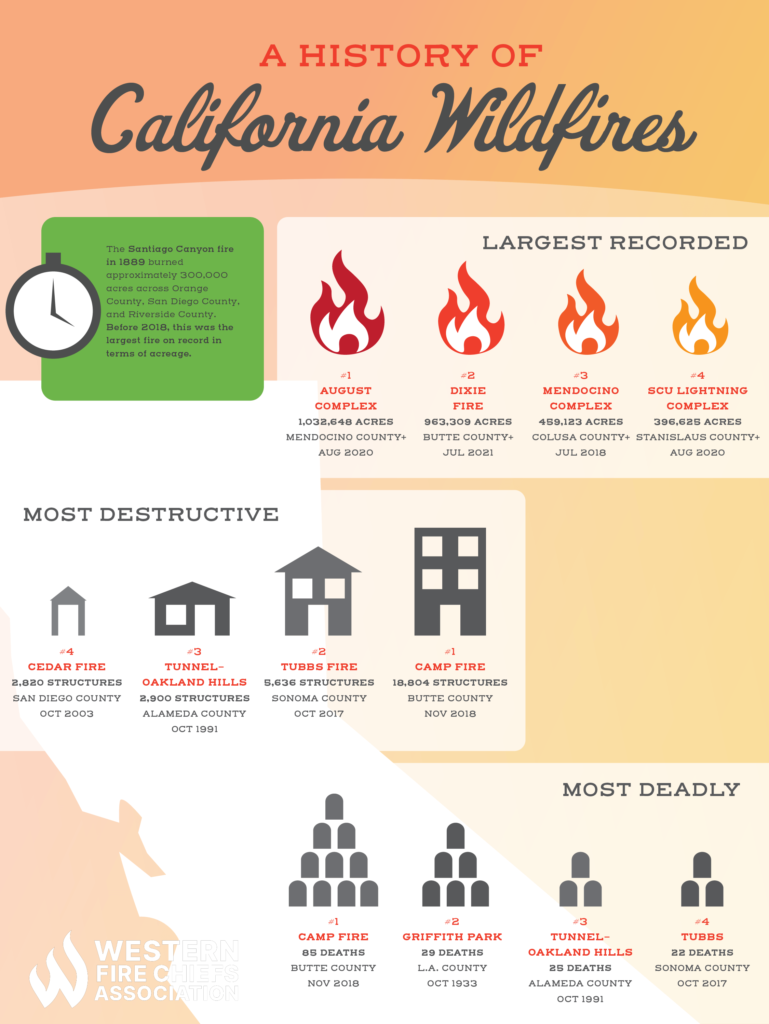
The state of California, a land of unparalleled natural beauty and vibrant metropolises, is also sadly known for its susceptibility to devastating wildfires. These infernos, often fueled by dry vegetation, high winds, and Santa Ana conditions, have etched themselves into the state’s history, leaving indelible marks on landscapes and communities. While many fires have caused immense destruction, the question of what constitutes the “biggest” fire is complex, often measured by acreage burned, structural damage, fatalities, or economic impact. However, when focusing on the sheer scale of land consumed, one event stands out as the undisputed largest wildfire in California‘s recorded history: the August Complex.

This colossal conflagration wasn’t a single, easily definable event, but rather a series of lightning-sparked fires that ignited on August 17, 2020, in the remote Mendocino National Forest. What began as multiple smaller ignitions across Glenn, Mendocino, Lake, Colusa, and Shasta counties soon merged and grew with alarming speed, driven by persistent drought conditions and powerful winds. The August Complex ultimately became a sprawling super-complex, encompassing hundreds of thousands of acres and presenting an unprecedented challenge to firefighting efforts.
The August Complex: A Record-Breaking Inferno
The August Complex firestorm ultimately scorched an astounding 1,032,648 acres (over 1.6 million acres, according to some reports), making it the largest wildfire in California‘s history by a significant margin. This immense size is difficult to comprehend; it’s larger than the state of Rhode Island and nearly twice the size of Los Angeles County. The fires raged across multiple national forests, including the Mendocino National Forest, Shasta-Trinity National Forest, and Six Rivers National Forest, as well as numerous state and private lands.
The Genesis of a Super-Complex
The ignition of the August Complex was attributed to a rare and widespread lightning event. Over a 72-hour period in mid-August 2020, thousands of lightning strikes peppered the dry landscape of Northern California. While many of these strikes resulted in minor ignitions that were quickly suppressed, a significant number, particularly in the rugged and inaccessible terrain of the Mendocino National Forest, found receptive fuel beds. These initial fires, scattered across a vast area, were difficult to detect and contain due to their remote locations and the challenging topography.
The rapid growth and eventual unification of these individual fires into a single, massive blaze were driven by a confluence of factors. Persistent drought had left vegetation tinder-dry, creating an abundance of readily available fuel. High temperatures and low humidity further exacerbated the fire risk. Crucially, powerful wind events, including offshore winds commonly known as Santa Ana winds, began to push the flames across the landscape with terrifying speed and intensity. These winds fanned the fires, allowing them to jump natural firebreaks and merge into a single, overwhelming inferno. The sheer scale of the ignitions and the difficult terrain made it impossible for initial suppression efforts to gain a foothold, allowing the fires to grow exponentially.
A Monumental Challenge for Firefighters
The August Complex presented an unprecedented logistical and tactical nightmare for the thousands of firefighters deployed to combat it. The sheer size of the fire area meant that resources were stretched thin, and containment efforts were often hampered by the remote and rugged nature of the terrain. Steep canyons, dense forests, and limited access roads made it incredibly difficult for fire crews to reach the fire’s edge and establish control lines.
Helicopters and air tankers played a vital role in dropping water and retardant, but the vastness of the fire often made these efforts feel like a drop in the ocean. Ground crews worked tirelessly, often for weeks on end, battling relentless flames, smoke, and extreme heat. The complex was fought by numerous agencies, including the California Department of Forestry and Fire Protection (CAL FIRE), the U.S. Forest Service, and various local fire departments, highlighting the need for interagency cooperation in tackling such massive incidents. The dedication and bravery of these individuals in the face of such overwhelming odds were nothing short of heroic.
The complexity of the August Complex also lay in its dynamic nature. As a collection of many fires, it had multiple fronts and varied fire behavior. Weather patterns played a critical role, with shifts in wind direction and speed capable of rapidly altering the fire’s path and intensity, forcing constant reassessment of strategies and evacuations.
Beyond Acreage: The Far-Reaching Impacts of the August Complex
While the acreage burned is the primary metric that defines the August Complex as the largest fire in California history, its impact extended far beyond the statistics. The fire had profound and devastating consequences for ecosystems, communities, and the economy of Northern California.
Environmental Devastation and Ecological Recovery
The sheer scale of the August Complex meant that vast swathes of natural habitat were incinerated. Old-growth forests, critical for biodiversity and carbon sequestration, were reduced to ash. The impact on wildlife was significant, with many animals displaced or killed by the inferno. The delicate balance of these ecosystems was severely disrupted, and the long road to recovery has just begun.
The loss of forest canopy led to increased soil erosion, particularly during subsequent rainfall events, which contributed to landslides and sedimentation in rivers and streams. This had detrimental effects on aquatic life and water quality. The smoke produced by the August Complex also blanketed much of Northern California and even parts of the Pacific Northwest for weeks, leading to historically poor air quality and widespread health concerns.
Ecological recovery in areas affected by such intense fires is a slow and complex process. While some fire-adapted species may eventually thrive, the long-term health and resilience of these forests will depend on a multitude of factors, including climate change, forest management practices, and the natural regenerative capacity of the landscape. Scientists are closely monitoring the recovery of these areas to understand the long-term ecological consequences of such extreme fire events.
Community Displacement and Economic Strain
The August Complex forced the evacuation of thousands of residents across multiple counties. Many homes and businesses were destroyed, leaving communities devastated. The economic impact was substantial, affecting tourism, timber industries, and local economies that rely on healthy natural resources. The cost of firefighting alone ran into the hundreds of millions of dollars, placing a significant financial burden on the state and federal governments.
The displacement of residents also created significant social and emotional distress. Many individuals lost not only their homes but also their livelihoods and a sense of place. The recovery process for these communities involves not only rebuilding infrastructure but also addressing the psychological toll of the disaster. The loss of agricultural lands and vineyards also impacted California‘s renowned food and wine tourism sector in the affected regions.
The long-term economic implications include increased insurance costs, the need for significant investment in forest restoration and fire mitigation, and the potential for reduced tourism in affected areas for years to come. The August Complex served as a stark reminder of the vulnerability of California‘s communities and infrastructure to the growing threat of wildfires.
Lessons Learned and the Future of Wildfire Management in California
The August Complex served as a wake-up call, underscoring the urgent need for a paradigm shift in how California approaches wildfire management. The scale and intensity of this super-complex highlighted the limitations of traditional suppression-focused strategies and emphasized the importance of a more holistic and proactive approach.
Shifting Towards a More Proactive Approach
The traditional model of firefighting has often focused on aggressive suppression of all fires. However, the August Complex demonstrated that in certain dry and windy conditions, such suppression can be futile and even counterproductive, leading to the buildup of fuel that results in even larger and more destructive fires.
There is a growing recognition of the need to embrace prescribed burning and managed wildfire in specific ecological contexts. Prescribed fires, conducted under carefully controlled conditions, can help reduce fuel loads, restore ecological processes, and create more resilient landscapes. Similarly, allowing some naturally occurring fires to burn in remote areas, where they pose minimal threat to human life and property, can mimic natural fire cycles and contribute to forest health. This shift requires a fundamental change in public perception and policy, moving away from an absolute fire exclusion mindset.
Furthermore, significant investment in forest health and fuel management is crucial. This includes thinning dense forests, removing dead and dying trees, and promoting more fire-resistant vegetation. Community preparedness and defensible space around homes are also vital components of a comprehensive wildfire strategy. Educating residents on how to protect their properties and communities from wildfire is paramount.

Technological Advancements and Community Resilience
The August Complex also highlighted the importance of leveraging technological advancements in wildfire management. Improved weather forecasting, sophisticated fire modeling, and enhanced remote sensing capabilities can provide crucial information for predicting fire behavior and allocating resources effectively. Drones and advanced communication systems are also becoming increasingly valuable tools for situational awareness and coordination.
Building community resilience is another critical aspect. This involves developing robust evacuation plans, establishing community warning systems, and fostering strong relationships between fire agencies and the communities they serve. Empowering residents with knowledge and resources to prepare for and respond to wildfires can significantly mitigate their impact. The August Complex underscored that effective wildfire management is not solely the responsibility of fire agencies but a collective effort involving individuals, communities, and policymakers. The lessons learned from this monumental fire will undoubtedly shape California‘s wildfire strategy for years to come, as the state continues to grapple with the escalating challenges of a changing climate and increasingly severe fire seasons.
LifeOutOfTheBox is a participant in the Amazon Services LLC Associates Program, an affiliate advertising program designed to provide a means for sites to earn advertising fees by advertising and linking to Amazon.com. Amazon, the Amazon logo, AmazonSupply, and the AmazonSupply logo are trademarks of Amazon.com, Inc. or its affiliates. As an Amazon Associate we earn affiliate commissions from qualifying purchases.