
Visiting California offers an unparalleled experience, from its iconic beaches and majestic national parks to vibrant cities and world-class culinary scenes. Whether you’re exploring the historic streets of San Francisco, the glitz of Los Angeles, or the natural beauty of Yosemite National Park, understanding local laws is paramount for a smooth and enjoyable trip. For tourists traveling with minors, or minors themselves, one of the most crucial pieces of information concerns alcohol consumption laws, specifically the Blood Alcohol Concentration (BAC) limit for individuals under the age of 21. California maintains a stringent “Zero Tolerance” policy, a critical detail for any visitor to be aware of.
Understanding California’s Zero Tolerance Policy
California law is unequivocal when it comes to alcohol and minors. For anyone under the age of 21, the legal drinking age in the United States, consuming alcohol is prohibited. This prohibition extends to driving with any measurable amount of alcohol in their system. The state’s “Zero Tolerance” law for minors operating a vehicle sets the Blood Alcohol Concentration (BAC) limit at an incredibly low threshold.
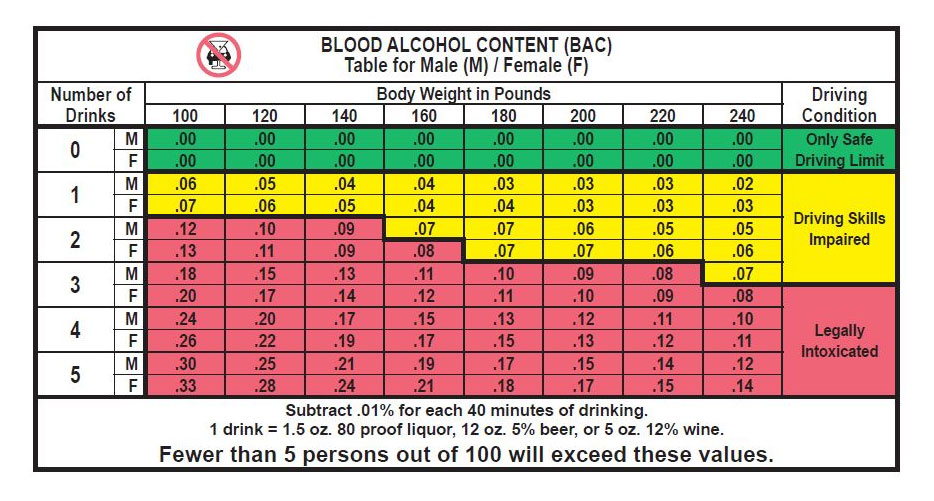
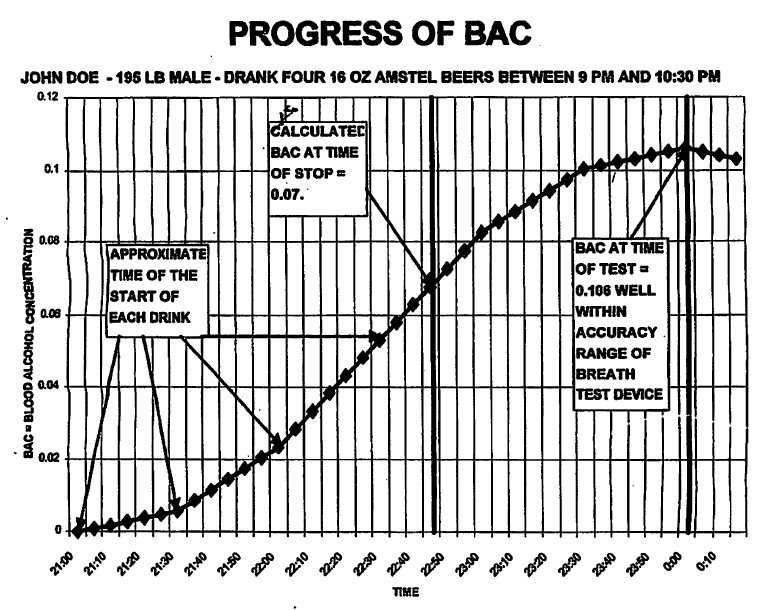
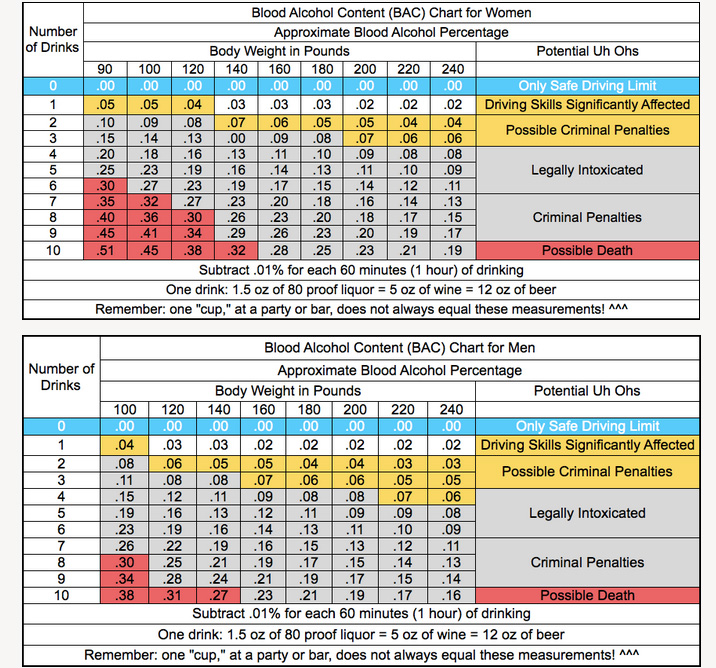
Specifically, for individuals under 21 years old, it is illegal to drive with a BAC of 0.01% or greater. This is a significantly lower threshold than the 0.08% BAC limit for adults aged 21 and over. The intention behind this strict policy is clear: to discourage underage drinking and driving completely, recognizing the heightened risks associated with inexperienced drivers combined with alcohol impairment. Even a single drink can elevate a minor’s BAC past the 0.01% limit, leading to severe legal consequences.
For tourists, this means that if you are traveling with a minor who holds a driver’s license, they must be fully aware of this law. It’s not just about avoiding intoxication; it’s about avoiding any alcohol consumption whatsoever before getting behind the wheel. The “Zero Tolerance” policy underscores the state’s commitment to public safety and the protection of its youngest residents and visitors. Educating yourself and your travel companions on these rules is an essential part of responsible tourism, ensuring that your exploration of California remains memorable for all the right reasons.
Legal Ramifications for Minors and Adults in California
The consequences of violating California’s underage drinking and driving laws are substantial, designed to act as a strong deterrent. These penalties affect not only the minor but can also extend to adults who facilitate underage drinking. For tourists, understanding these ramifications is vital to navigate the state responsibly.
Penalties for Minors
If a minor is caught driving with a BAC of 0.01% or higher, even if they are not exhibiting signs of impairment, they face immediate and serious penalties:
- Driver’s License Suspension: The most common immediate consequence is the suspension of their driving privilege. This can range from a one-year suspension for a first offense to longer periods for subsequent offenses. For out-of-state or international visitors, this can impact their driving privileges in their home jurisdiction and complicate future travel.
- Fines and Fees: Significant financial penalties are typically imposed, which can include court costs, administrative fees, and fines.
- Impoundment of Vehicle: In some cases, the vehicle being driven by the minor may be impounded, leading to additional towing and storage fees.
- Alcohol Education Programs: Minors are often required to complete alcohol education programs, which can be time-consuming and costly.
- Criminal Record: Depending on the specifics of the offense and the minor’s BAC, they could also face misdemeanor charges, leading to a criminal record that can affect future opportunities, including higher education and employment.
- Enhanced Penalties: If a minor has a BAC of 0.05% or higher, or if they are found to be driving under the influence (DUI) to an extent that they cannot safely operate a vehicle (even if under 0.08%), they can face even harsher penalties akin to adult DUI charges, including increased fines, longer license suspensions, and more intensive rehabilitation programs.
Liability for Adults and Establishments
California law also holds adults and licensed establishments accountable for providing alcohol to minors. This is particularly relevant for tourists hosting parties, dining out, or purchasing alcohol:
- Providing Alcohol to Minors: Any adult (including a parent or guardian, with very limited exceptions that do not apply to public settings or when driving) who furnishes alcohol to a minor can face misdemeanor charges, substantial fines, and even jail time. This also includes knowingly permitting a minor to consume alcohol in a home or on premises controlled by the adult.
- Social Host Liability: In some municipalities within [California](https://lifeoutofthebox.com/california], “social host” ordinances exist, which can hold property owners or those in control of a premises liable for underage drinking that occurs there, even if they didn’t directly provide the alcohol.
- Licensed Establishments: Bars, restaurants, and stores that sell or serve alcohol to minors face severe penalties, including hefty fines, license suspension or revocation, and potential criminal charges for staff members involved. Tourists should be prepared to show valid identification proving they are 21 or older when purchasing or consuming alcohol. Using a fake ID or encouraging a minor to do so also carries significant penalties.
These legal consequences are not merely abstract; they are actively enforced across California. For visitors, particularly those from countries with different legal drinking ages or enforcement practices, it’s critical to internalize these distinctions to ensure a trouble-free and enjoyable visit.
Staying Informed While Touring California
Responsible tourism involves more than just respecting natural sites or local customs; it also includes adhering to local laws. When visiting California with minors, proactive information gathering can prevent misunderstandings and legal troubles. The state’s strict alcohol laws for those under 21 are a prime example of a regulation that tourists, particularly those from international destinations, might not anticipate.
Navigating California’s Unique Legal Landscape
Many countries outside the United States have a lower legal drinking age, sometimes as low as 16 or 18. This disparity can sometimes lead to confusion or assumptions among international visitors. It is crucial to remember that regardless of your home country’s laws, when you are in [California](https://lifeoutofthebox.com/california], you are subject to California law. This means a 19-year-old from Europe, legally able to drink in their home country, is prohibited from purchasing or consuming alcohol in California.
Furthermore, California has unique regulations regarding open containers of alcohol in vehicles, regardless of age. It is illegal for anyone, passenger or driver, to have an open container of alcohol in a vehicle, even if parked, unless it is in the trunk or a designated storage area not accessible from the passenger compartment. For minors, this rule is even more rigid due to the zero-tolerance policy. Understanding these nuances contributes significantly to a stress-free travel experience, ensuring that your focus remains on enjoying the Golden State’s myriad attractions.
Resources for Tourists
Before or during your trip, various resources can help clarify any legal questions:
- Official California DMV Website: The California Department of Motor Vehicles (DMV) provides comprehensive information on driving laws, including those pertaining to minors and alcohol. This is an authoritative source for the most up-to-date regulations.
- Travel Guides and Tourist Information Centers: Reputable travel guides and local tourist information centers often include sections on local laws and customs important for visitors. These can be valuable resources for quick overviews.
- Legal Counsel: For complex situations or specific concerns, consulting with a legal professional specializing in California law can provide tailored advice.
By staying informed and proactive, tourists can ensure that their visit to California is not only enjoyable but also fully compliant with local regulations, setting a positive example for younger travelers.
Practical Tips for Responsible Tourism in the Golden State
Ensuring a responsible and legally compliant trip to California with minors requires thoughtful planning and clear communication. Adhering to the “Zero Tolerance” policy for underage drinking and driving, and other alcohol-related laws, is fundamental. Here are some practical tips for tourists to foster a safe and enjoyable experience for everyone:
Clear Communication with Minors
- Educate Before You Go: Before arriving in California, especially if traveling from a region with different alcohol laws, sit down with any minors in your group (especially those approaching or with driving privileges) and explain the strict “Zero Tolerance” policy. Emphasize that even a sip of alcohol can lead to severe legal repercussions if they are behind the wheel.
- Set Clear Expectations: Establish clear ground rules regarding alcohol consumption for minors throughout the trip. This includes explaining that purchasing or consuming alcohol is prohibited for anyone under 21, regardless of parental consent, in public places, restaurants, or bars.
- Discuss Consequences: Ensure minors understand the gravity of the legal penalties, including license suspension, fines, and potential criminal records, which can impact their future.
Responsible Adult Conduct
- Lead by Example: Adults should model responsible behavior regarding alcohol consumption. This includes never drinking and driving themselves and adhering to all open container laws.
- Secure Alcohol: If purchasing alcohol for adult consumption, store it securely and out of reach of minors, especially in rental cars or accommodations.
- Verify Age: When in doubt about a young person’s age, always request identification. This applies even in social settings to avoid inadvertently contributing to underage drinking. Licensed establishments in California are very diligent about checking IDs, often requiring multiple forms of identification or scanning IDs, even for individuals who appear to be well over 21.
Planning Transportation and Activities
- Designated Drivers: If a minor in your group has a driver’s license, ensure they understand their role as a potential designated driver if adults are consuming alcohol. Reiterate that a designated driver must consume no alcohol whatsoever.
- Utilize Ride-Sharing and Public Transport: For evenings out where adults plan to drink, make use of California’s extensive ride-sharing services (e.g., Uber, Lyft), taxis, or public transportation options, particularly in major cities like San Francisco or Los Angeles. This eliminates any risk of impaired driving for adults and removes the temptation for minors to drive.
- Alcohol-Free Activities: Plan a variety of alcohol-free activities that appeal to all ages. California offers an abundance of options, from amusement parks and natural wonders to museums and sporting events, ensuring a fulfilling trip for every member of the family.
By adopting these proactive measures, tourists can effectively navigate California’s alcohol laws, ensuring a safe, lawful, and ultimately more enjoyable journey through one of the United States’ most captivating states. Adherence to these regulations is not just a legal obligation; it’s a commitment to the well-being of all visitors and residents alike.
LifeOutOfTheBox is a participant in the Amazon Services LLC Associates Program, an affiliate advertising program designed to provide a means for sites to earn advertising fees by advertising and linking to Amazon.com. Amazon, the Amazon logo, AmazonSupply, and the AmazonSupply logo are trademarks of Amazon.com, Inc. or its affiliates. As an Amazon Associate we earn affiliate commissions from qualifying purchases.