
In the vibrant tapestry of global cuisine, certain dishes emerge not only as culinary delights but also as cultural touchstones, offering a window into local traditions, historical adaptations, and the evolving palate of a region. The Boston Roll is one such intriguing creation, a ubiquitous item on sushi menus worldwide that sparks curiosity about its origins and its namesake city. Far from being an ancient Japanese delicacy, the Boston Roll is a testament to culinary innovation and cross-cultural exchange, firmly rooted in the American adaptation of sushi. For tourists and food enthusiasts alike, understanding the Boston Roll is more than just appreciating a tasty meal; it’s about exploring a fascinating chapter in food tourism, local culture, and the global journey of a beloved cuisine.

Deconstructing a Culinary Icon: The Boston Roll Explained
The Boston Roll, while celebrated in sushi establishments across the globe, holds a unique place in the history of fusion cuisine. Its very name suggests a strong connection to the United States, differentiating it from traditional Japanese maki rolls. For those embarking on a gastronomic adventure, whether in Boston itself or a distant city, understanding what makes this roll distinctive is key to appreciating its appeal.
Origins and Naming: A Tale of American Adaptation
Unlike the purist sushi creations of Tokyo or Kyoto, the Boston Roll is generally recognized as an American invention, similar in spirit to its cousin, the California Roll. While its exact point of origin remains somewhat shrouded in the mists of culinary folklore, it is widely believed to have been developed in the United States during the 1980s or 1990s, a period when sushi was rapidly gaining popularity and undergoing significant adaptation to suit Western palates. The name “Boston Roll” likely refers to the city of Boston, a historical hub of cultural exchange and innovation. This naming convention for sushi rolls, often reflecting American states or cities, became a trend as chefs sought to make sushi more approachable and appealing to a diverse customer base unfamiliar with traditional Japanese ingredients or preparations. It’s a testament to how local contexts can influence and rename international dishes, transforming them into symbols that bridge cultures and tastes.
The Anatomy of the Roll: Key Ingredients and Flavor Profile
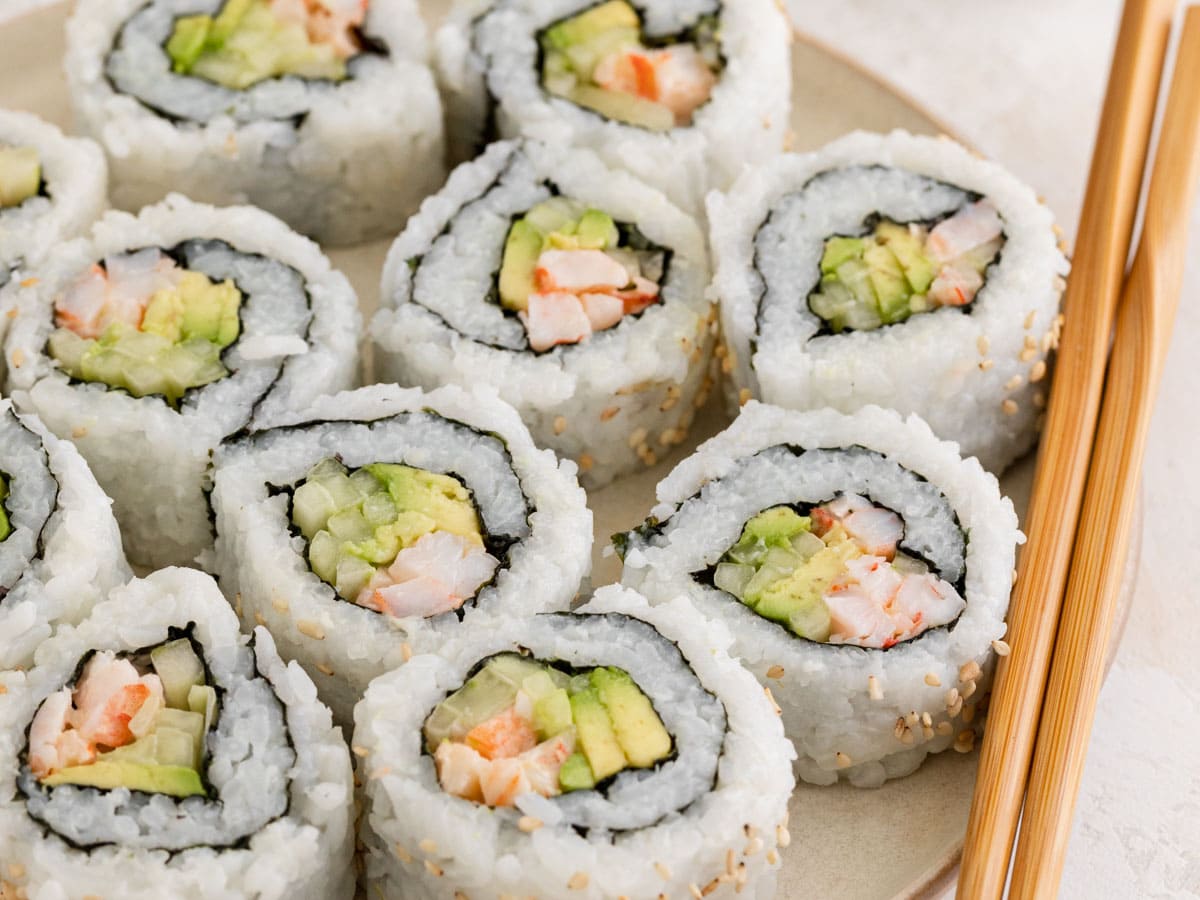
At its core, the Boston Roll is a delightful and accessible sushi roll, typically prepared as an uramaki (inside-out roll), where the rice is on the exterior and the nori (seaweed) wraps around the fillings. This presentation style itself is an American innovation, initially developed for the California Roll, to mitigate the unfamiliar texture of nori for first-time sushi eaters. The hallmark ingredients of a Boston Roll are:
- Cooked Shrimp: Unlike many traditional sushi rolls that feature raw fish, the Boston Roll predominantly uses cooked shrimp, often steamed or boiled. This choice makes it an excellent entry point for those hesitant about consuming raw seafood.
- Avocado: Creamy, rich, and subtly flavored, avocado is a quintessential American sushi ingredient, adding a luxurious texture and healthy fats to the roll. It complements the shrimp beautifully, providing a smooth contrast.
- Cucumber: Offering a refreshing crunch and a hint of coolness, cucumber balances the richness of the avocado and shrimp, contributing a vital textural component.
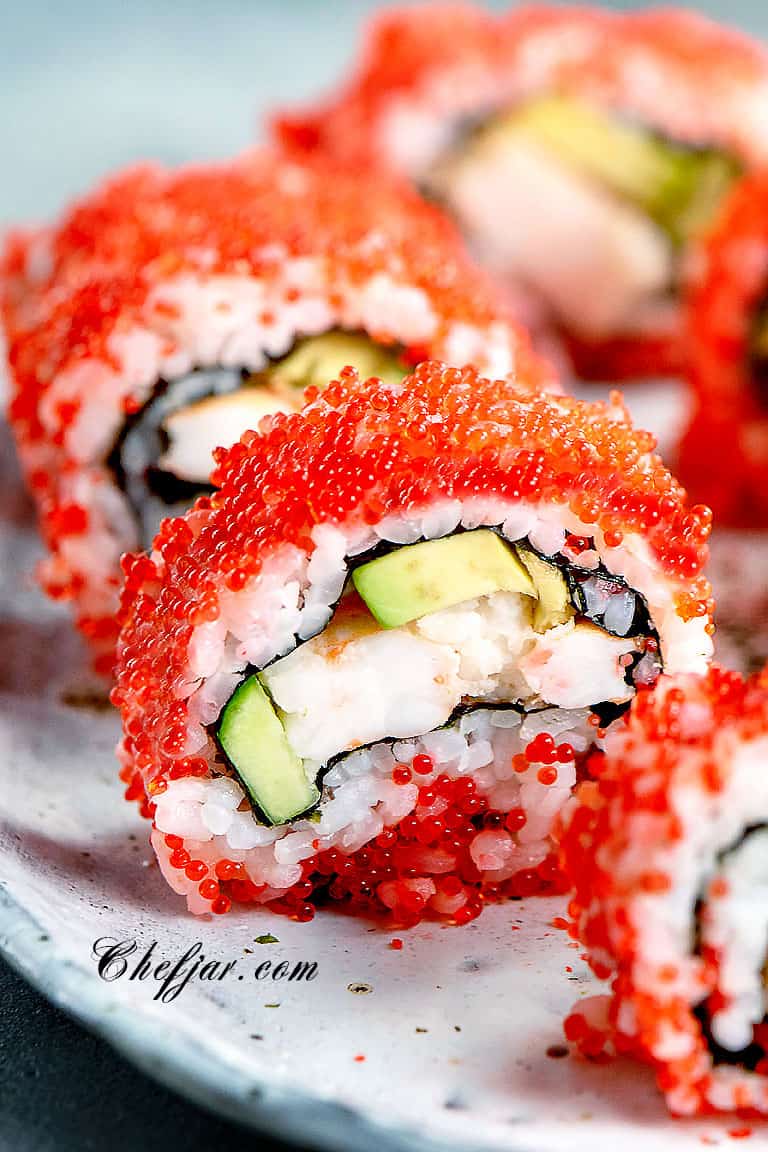
- Masago (Capelin Roe): Often sprinkled on the outside of the rice, masago adds a pop of briny flavor and a vibrant orange hue, making the roll visually appealing and adding another layer of texture. Sometimes, salmon roe (ikura) or flying fish roe (tobiko) might be used for a slightly different flavor profile.
- Sushi Rice: Perfectly seasoned sushi rice forms the bulk of the roll, providing a sticky, slightly sweet, and tangy base that binds all the ingredients together.
- Nori (Seaweed): Although typically on the inside, a thin sheet of nori is essential for holding the fillings securely within the rice.
The resulting flavor profile is fresh, mild, and satisfyingly balanced. The sweetness of the shrimp, the creaminess of the avocado, the crispness of the cucumber, and the subtle brininess of the roe create a harmonious symphony of tastes and textures that is universally appealing.
A Distinctive Place in the Sushi Pantheon
While purists might argue for the authenticity of traditional nigiri or sashimi, the Boston Roll, alongside other American-style rolls, has carved out a distinctive and significant niche in the global sushi pantheon. It represents a branch of sushi that prioritizes accessibility and broad appeal, serving as a gateway for countless individuals to explore the wider world of Japanese cuisine. Its cooked ingredients and familiar flavors make it a comfort food for many, a reliable choice on any sushi menu, and a dish that embodies the spirit of culinary adaptation and innovation that defines much of modern food culture.
The Boston Roll’s Cultural Footprint in Tourism
Food is an indispensable element of travel, offering insights into local culture, history, and community. The Boston Roll, despite its modern origins, plays a fascinating role in food tourism, not necessarily as a deep dive into Japanese tradition, but as a lens through which to view culinary globalization and the exciting evolution of cultural palates.
A Symbol of Japanese-American Culinary Fusion
The Boston Roll stands as a quintessential example of Japanese-American culinary fusion. It takes the fundamental structure and techniques of sushi preparation from Japan and infuses them with ingredients and flavor preferences more aligned with the American palate. This blending of culinary traditions is a powerful draw for food tourists who are often seeking experiences that transcend rigid boundaries. It demonstrates how cultures can intertwine to create something new and delicious, reflecting the dynamic nature of food as it travels across borders. For tourists exploring the diverse food scene of a city like Boston, encountering a dish named after the city, even if not strictly “local” in a traditional sense, becomes part of the narrative of its cosmopolitan identity and its capacity for culinary absorption and adaptation.
Its Role in Introducing Sushi to the Western Palate
One of the most significant cultural contributions of the Boston Roll, and similar American-style rolls, is its pivotal role in popularizing sushi in the Western world. In the early days of sushi’s introduction to North America, many consumers were wary of raw fish. The Boston Roll, with its cooked shrimp, familiar avocado, and refreshing cucumber, provided a comfortable and appealing entry point. It demystified sushi, making it less intimidating and more approachable. This “gateway” function cannot be overstated in terms of its impact on food tourism. Millions of people who might never have tried traditional sushi were willing to experiment with a Boston Roll, and from there, many went on to explore more adventurous Japanese dishes. It expanded the culinary horizons of a generation, fostering an appreciation for sushi that continues to grow.
From Boston to the World: Global Popularity
While named after a city in the United States, the Boston Roll’s appeal has transcended geographical boundaries. It is a common fixture on sushi menus in countless countries, from Europe to Asia, serving as a recognizable and reliable choice for diners everywhere. This global popularity highlights how certain fusion dishes can achieve universal appeal, becoming standard offerings in the international culinary lexicon. For the global traveler, spotting a Boston Roll on a menu in a distant land can evoke a sense of familiarity, a comforting taste of home, or an interesting point of comparison with local interpretations. It underscores the interconnectedness of modern food culture and how successful innovations can quickly spread worldwide, shaping the culinary landscape of diverse destinations.
Experiencing the Boston Roll: A Tourist’s Gastronomic Guide
For any tourist, experiencing the local food scene is a critical part of understanding a destination’s pulse. While the Boston Roll might not offer deep historical insights into Boston’s colonial past, it provides an opportunity to engage with its modern, diverse culinary identity. Embracing the Boston Roll as part of your food journey means appreciating its blend of flavors and its context within contemporary dining.
Seeking Out Authentic and Quality Rolls
When you’re traveling, finding a quality Boston Roll often means looking for sushi restaurants that prioritize fresh ingredients and skilled preparation. Whether you’re in Boston or any other city, reputable sushi establishments will ensure their shrimp is perfectly cooked and succulent, their avocado is ripe and creamy, and their cucumber is crisp. The sushi rice, the foundation of any good roll, should be perfectly seasoned, neither too sweet nor too vinegary, with individual grains discernable but sticky enough to hold together. While the Boston Roll is a relatively simple creation, the finesse in its execution makes all the difference. Look for places with good reviews, a clean ambiance, and chefs who demonstrate attention to detail – these are often the indicators of a truly enjoyable sushi experience, fusion or traditional. Many modern American sushi restaurants and Japanese eateries with a Western menu will feature it prominently.
Pairing and Complementary Flavors
To fully appreciate the Boston Roll, consider how it harmonizes with accompanying flavors. A dab of soy sauce, ideally a high-quality Japanese variety, can enhance its umami notes. A tiny smear of wasabi (use sparingly to avoid overwhelming the delicate flavors) can provide a pungent kick, while pickled ginger (gari) serves as an excellent palate cleanser between bites, refreshing your taste buds for the next piece. For beverages, traditional green tea, with its earthy and slightly bitter notes, beautifully cuts through the richness of the avocado and balances the flavors. If you’re inclined towards alcohol, a dry sake or a crisp Japanese beer can also be delightful companions, complementing the subtle sweetness of the shrimp. The simplicity of the Boston Roll allows these accompaniments to shine, elevating the overall dining experience.
The Boston Roll as a Gateway to Local Food Exploration
Beyond its immediate enjoyment, the Boston Roll can serve as an excellent starting point for a broader exploration of a city’s culinary landscape. If you enjoy the blend of fresh ingredients and delicate flavors, consider venturing into other fusion dishes or even more traditional Japanese fare. In Boston, for example, enjoying a Boston Roll might inspire you to seek out the city’s renowned seafood restaurants, its vibrant ethnic enclaves offering authentic international cuisine, or its innovative farm-to-table establishments. It represents the broader trend of how food cultures merge and evolve, offering a fascinating avenue for tourists to understand the multicultural fabric of a destination through its gastronomic offerings. Engaging with such dishes expands one’s understanding of global culinary trends and local adaptations.
The Boston Roll and the Evolution of Food Tourism
Food tourism has grown exponentially, with travelers increasingly seeking authentic and unique culinary experiences. The Boston Roll, though a relatively modern invention, offers compelling insights into how specific dishes, even fusion ones, shape perceptions of culinary destinations and enhance the overall travel experience.
How Specific Dishes Shape Culinary Destinations
While Boston is famously known for clam chowder, lobster rolls, and Boston cream pie, the existence of a popular sushi roll bearing its name contributes to its image as a diverse and cosmopolitan food city. A culinary destination isn’t solely defined by centuries-old traditions; it’s also shaped by its capacity for innovation and its embrace of global cuisines. The Boston Roll, even if not strictly a “local” dish in terms of its ingredients originating from the Boston Harbor, represents the city’s role as a melting pot where diverse culinary influences are welcomed and transformed. For food tourists, this signifies a city with a dynamic and evolving food scene, one that is open to new ideas and offers a broader spectrum of dining options beyond its historical specialties. It encourages exploration of the unexpected and highlights the fluidity of culinary identity.
Engaging with Local Food Scenes Through Iconic Dishes
Iconic dishes, whether traditional or modern, offer tourists a tangible way to engage with a local food scene. The Boston Roll acts as a cultural signifier, an accessible entry point that can lead to deeper exploration. For a tourist, ordering a Boston Roll in Boston itself creates a unique, self-referential experience – consuming a dish named after the very place they are visiting. This connection, however symbolic, enhances the travel narrative and provides a memorable anecdote. It encourages visitors to think about how places influence names, how names create associations, and how culinary innovation is a continuous process. This engagement is crucial for enriching the tourist experience, moving beyond mere sightseeing to a more immersive cultural understanding.
The Future of Fusion Cuisine and Tourist Appeal
The enduring popularity of the Boston Roll underscores the significant role of fusion cuisine in contemporary food tourism. Travelers are often eager to experience unique combinations of flavors and culinary traditions that they might not encounter in their daily lives. Dishes like the Boston Roll demonstrate that authenticity in food tourism is not solely about strict adherence to tradition, but also about embracing innovation, adaptation, and the exciting possibilities that emerge when different cultures meet on a plate. As global travel becomes more common and palates become more sophisticated, the demand for inventive, delicious, and culturally resonant fusion dishes will only continue to grow. The Boston Roll, therefore, is not just a tasty sushi option; it’s a symbol of how food facilitates cultural exchange, broadens culinary horizons, and makes travel a richer, more flavorful experience for everyone. It champions the idea that the world’s kitchens are increasingly interconnected, and the most exciting discoveries often lie at the intersection of traditions.
LifeOutOfTheBox is a participant in the Amazon Services LLC Associates Program, an affiliate advertising program designed to provide a means for sites to earn advertising fees by advertising and linking to Amazon.com. Amazon, the Amazon logo, AmazonSupply, and the AmazonSupply logo are trademarks of Amazon.com, Inc. or its affiliates. As an Amazon Associate we earn affiliate commissions from qualifying purchases.