
The fiscal health of a state is a critical indicator for many facets of its economic and social landscape. For a vibrant and dynamic region like California, understanding its budget, particularly any deficits, is crucial for residents, businesses, and potential visitors alike. A state deficit occurs when the government’s expenditures exceed its revenues over a specific fiscal period. This situation necessitates careful management, often involving difficult decisions about spending cuts or revenue enhancements.
Understanding California’s Budgetary Landscape
California boasts the largest economy of any U.S. state and is often ranked among the largest economies in the world. This immense economic power, however, comes with a complex and substantial budget. The state’s budget encompasses funding for a wide array of public services, including education, infrastructure, healthcare, environmental protection, and public safety.

Revenue Sources
The primary sources of revenue for California are:
- Personal Income Tax: This is the most significant contributor, with rates that are progressive, meaning higher earners pay a larger percentage of their income in taxes. This makes the state’s revenue highly sensitive to economic fluctuations, particularly the performance of its robust technology and entertainment sectors.
- Sales and Use Tax: A substantial portion of revenue is generated from taxes on the sale of goods and services.
- Corporate Income Tax: Taxes levied on the profits of corporations operating within the state.
- Other Revenues: This includes various fees, licenses, and taxes from sources like property, gasoline, and tobacco.
Expenditure Categories
On the expenditure side, major allocations include:
- Education: Funding for K-12 schools, community colleges, and the University of California and California State University systems.
- Health and Human Services: This broad category covers programs like Medi-Cal, the state’s Medicaid program, and various social services.
- Transportation: Investments in highways, public transit, and infrastructure projects.
- General Government Operations: Funding for state agencies, debt service, and other administrative functions.
The interplay between these revenue streams and expenditure demands shapes the state’s overall budgetary position. When revenues fall short of projected spending, a deficit emerges.
Causes of a California Deficit
Deficits in California can arise from a confluence of factors, often related to economic cycles, policy decisions, and unforeseen events.
Economic Downturns
California’s economy, while powerful, is susceptible to national and global economic shifts. Recessions typically lead to:
- Reduced Income Tax Revenue: Job losses and lower corporate profits mean less income and corporate tax collected.
- Decreased Sales Tax Revenue: During economic slowdowns, consumer spending often declines, impacting sales tax receipts.
- Increased Demand for Social Services: As unemployment rises, the need for state-supported social programs, such as unemployment benefits and welfare, increases, thereby raising expenditures.
Tax Policy Changes
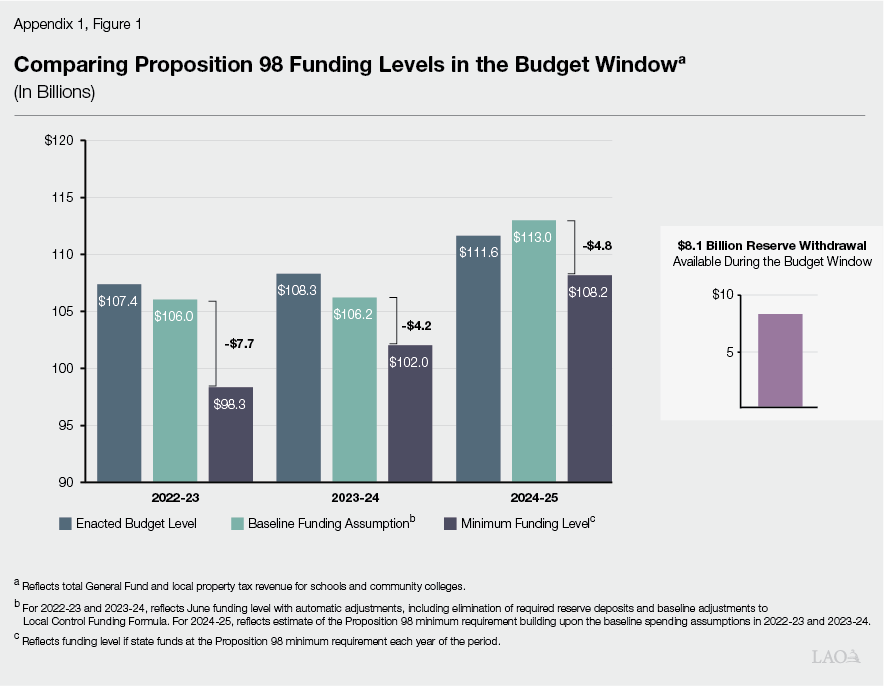
Decisions to lower tax rates or offer tax credits can reduce state revenue. While such policies may be implemented to stimulate economic activity or provide relief, they can contribute to a deficit if not accompanied by corresponding spending reductions or robust economic growth. Conversely, propositions that mandate certain spending levels without securing dedicated funding can also strain the budget.
Unforeseen Events and Crises
California is periodically affected by natural disasters, such as wildfires and earthquakes, which require significant state resources for relief and recovery. Additionally, global events, like pandemics, can profoundly impact the economy and necessitate substantial government spending on public health and economic support measures, as seen with the COVID-19 pandemic.
Structural Imbalances
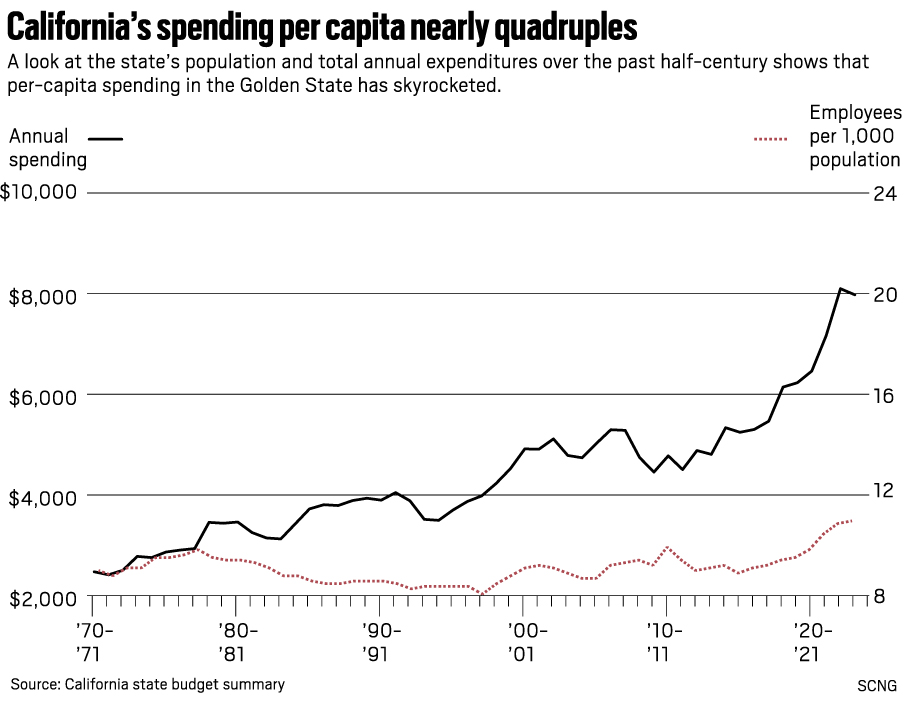
In some instances, a deficit can signal a more persistent structural imbalance where ongoing spending commitments consistently outstrip the state’s ability to generate revenue, even during periods of economic stability. This can be due to factors like the growth of entitlement programs or long-term infrastructure needs.
Addressing a Budget Deficit
When California faces a deficit, state officials have several tools at their disposal to restore fiscal balance. These strategies typically fall into two broad categories: increasing revenues or decreasing expenditures.
Revenue Enhancement Measures
- Tax Increases: This can involve raising income tax rates, sales tax rates, or corporate tax rates. Such measures are often politically contentious and can face public resistance.
- Closing Tax Loopholes: Identifying and eliminating deductions or exemptions that are no longer deemed effective or equitable can boost revenue.
- New Taxes or Fees: Introducing taxes on previously untaxed goods or services, or increasing fees for state services, can generate additional funds.
Expenditure Reduction Measures
- Spending Cuts: This is often the most immediate and visible response. It can involve reducing funding for state agencies, cutting back on certain public programs, or freezing hiring.
- Program Redesigns: Reforming or restructuring programs to make them more efficient or to reduce their overall cost.
- Furlough Days or Salary Reductions: In some cases, state employees may face reduced workdays or temporary salary cuts to help balance the budget.
- Capital Project Deferrals: Postponing or scaling back non-essential infrastructure projects can save immediate funds, though it might lead to higher costs in the future.
Borrowing and Reserves
In the short term, a state might borrow money to cover immediate shortfalls, particularly if it has strong credit ratings. California also maintains budget reserves, often referred to as rainy day funds, which can be tapped to smooth out revenue volatility or cover unexpected expenses. Drawing heavily on reserves, however, depletes the state’s ability to cope with future fiscal challenges.
Implications of a Deficit for Tourism and Visitors
For a state heavily reliant on its tourism industry, understanding and managing budget deficits has tangible implications, even if indirect.
Impact on Public Services and Infrastructure
A persistent deficit can lead to cuts in funding for essential services that enhance the visitor experience. This might include:
- Maintenance of Parks and Natural Attractions: Reduced funding could affect the upkeep and accessibility of state parks, beaches, and natural landmarks like Yosemite National Park or Joshua Tree National Park.
- Transportation Infrastructure: Neglected roads, bridges, and public transportation systems can lead to increased travel times and frustration for visitors navigating cities like Los Angeles or San Francisco.
- Cultural Institutions: Museums, historical sites, and arts programs that rely on state funding might face reduced operating hours, fewer exhibits, or decreased programming.
Economic Confidence and Investment
A state grappling with significant deficits can signal economic instability, which might deter potential tourists or investors. While the direct impact on a traveler booking a trip to Disneyland or a weekend in Napa Valley might be minimal, a perception of fiscal distress could influence broader economic confidence that indirectly affects tourism. Businesses within the tourism sector, such as hotels like the Beverly Hills Hotel or resorts in Palm Springs, rely on a healthy economic environment.
Policy Shifts Affecting Visitors
Budgetary pressures can lead to policy changes that directly impact tourists. For example, an increase in state park entrance fees, parking fees in popular areas, or taxes on goods and services could make a California vacation more expensive. Conversely, efforts to boost revenue might also spur initiatives to enhance tourism, such as marketing campaigns or investments in new attractions. The state’s commitment to promoting iconic destinations like the Golden Gate Bridge or the beaches of Southern California often remains a priority, even during fiscal challenges, due to its significant economic contribution.
In conclusion, while the term “deficit” primarily refers to a state’s financial accounting, its causes and the methods used to address it can have ripple effects that touch upon various aspects of life in California, including its vital tourism sector. Understanding this fiscal dynamic provides valuable context for appreciating the state’s economic resilience and its ongoing efforts to balance public needs with financial prudence.
LifeOutOfTheBox is a participant in the Amazon Services LLC Associates Program, an affiliate advertising program designed to provide a means for sites to earn advertising fees by advertising and linking to Amazon.com. Amazon, the Amazon logo, AmazonSupply, and the AmazonSupply logo are trademarks of Amazon.com, Inc. or its affiliates. As an Amazon Associate we earn affiliate commissions from qualifying purchases.