
The Golden State, renowned for its sun-drenched beaches, sprawling vineyards, and iconic cities like Los Angeles and San Francisco, presents a unique set of driving considerations for both residents and visitors. Navigating California‘s diverse roadways, from the bustling freeways of Southern California to the scenic coastal highways of the Pacific Coast Highway, requires an understanding of its specific driving regulations and best practices. While the title might suggest a singular, definitive recommendation, the reality is a multifaceted approach that prioritizes safety, legal compliance, and an enhanced travel experience. This article delves into the core aspects of what California recommends, and implicitly, what drivers should do, regarding their hands on the steering wheel, extending beyond mere legal mandates to encompass responsible and enjoyable road travel.
Understanding California’s Hands-On Driving Principles
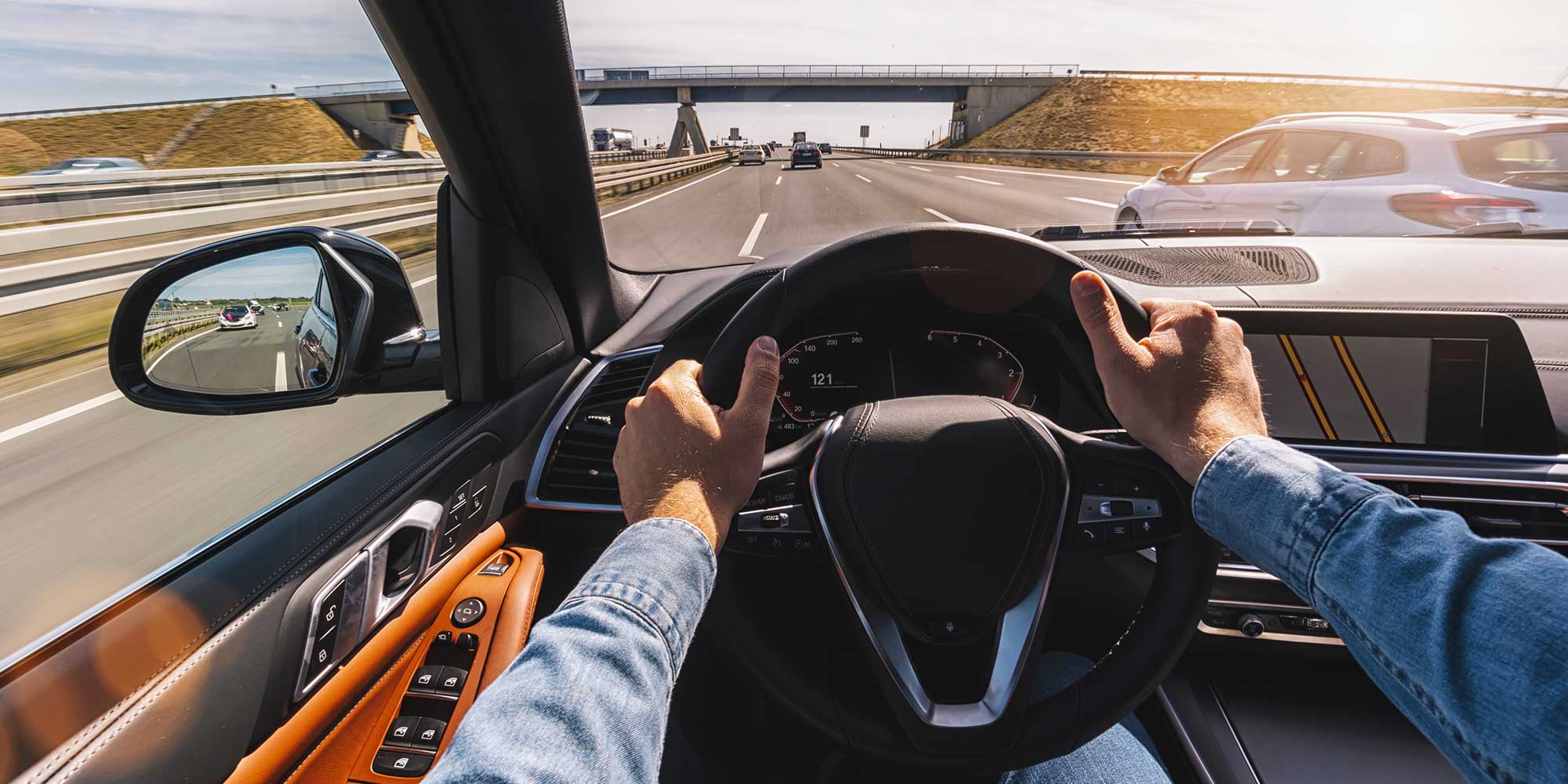
At its heart, California’s stance on hands on the wheel is deeply rooted in the principle of maintaining full control of the vehicle at all times. This is not a novel concept; it’s a fundamental tenet of safe driving globally. However, the state has codified this into specific laws and recommendations that all drivers must adhere to. The emphasis is on keeping both hands on the wheel unless absolutely necessary for essential driving maneuvers or brief, unavoidable interactions with vehicle controls.
The Legal Framework: Beyond the Obvious
While there isn’t a specific law that mandates “hands at 10 and 2” or any other precise hand placement, California Vehicle Code Section 23103, pertaining to reckless driving, can be broadly interpreted to cover situations where a driver’s inattentiveness due to improper hand placement leads to unsafe operation of a vehicle. More directly relevant, though not explicitly about hand placement, is the stringent prohibition against using handheld cell phones while driving, established by Vehicle Code Section 23124. This law underscores the state’s commitment to minimizing distractions. Therefore, the recommendation is to avoid any activity that takes your hands off the wheel for extended periods or compromises your ability to react swiftly to changing traffic conditions. This includes not only using your phone but also adjusting navigation systems excessively, rummaging for items, or engaging in prolonged grooming.
The Role of Technology and Driver Assistance
Modern vehicles are increasingly equipped with advanced driver-assistance systems (ADAS) that can manage certain driving tasks, such as adaptive cruise control and lane-keeping assist. While these technologies can enhance safety and reduce driver fatigue on long drives, particularly on highways like Interstate 5, it’s crucial to understand that they are aids, not autonomous driving systems. California law, and by extension, the implicit recommendation, is that the driver remains fully responsible for the operation of the vehicle. This means that even when systems like lane keeping are active, your hands should remain on the wheel, ready to intervene. Relying too heavily on these systems and disengaging from the driving task can be just as dangerous as other forms of distraction. The recommendation is to use these technologies as intended: to assist, not to replace, your vigilance and control.
Optimizing Your Driving Experience in California
Beyond legal compliance, the “recommendation” on putting hands on the wheel in California can be interpreted as a guide to maximizing your enjoyment and safety while exploring its vast and varied landscapes. This involves a conscious effort to stay engaged with the driving process, allowing you to fully appreciate the journey.
Navigating Scenic Routes Safely
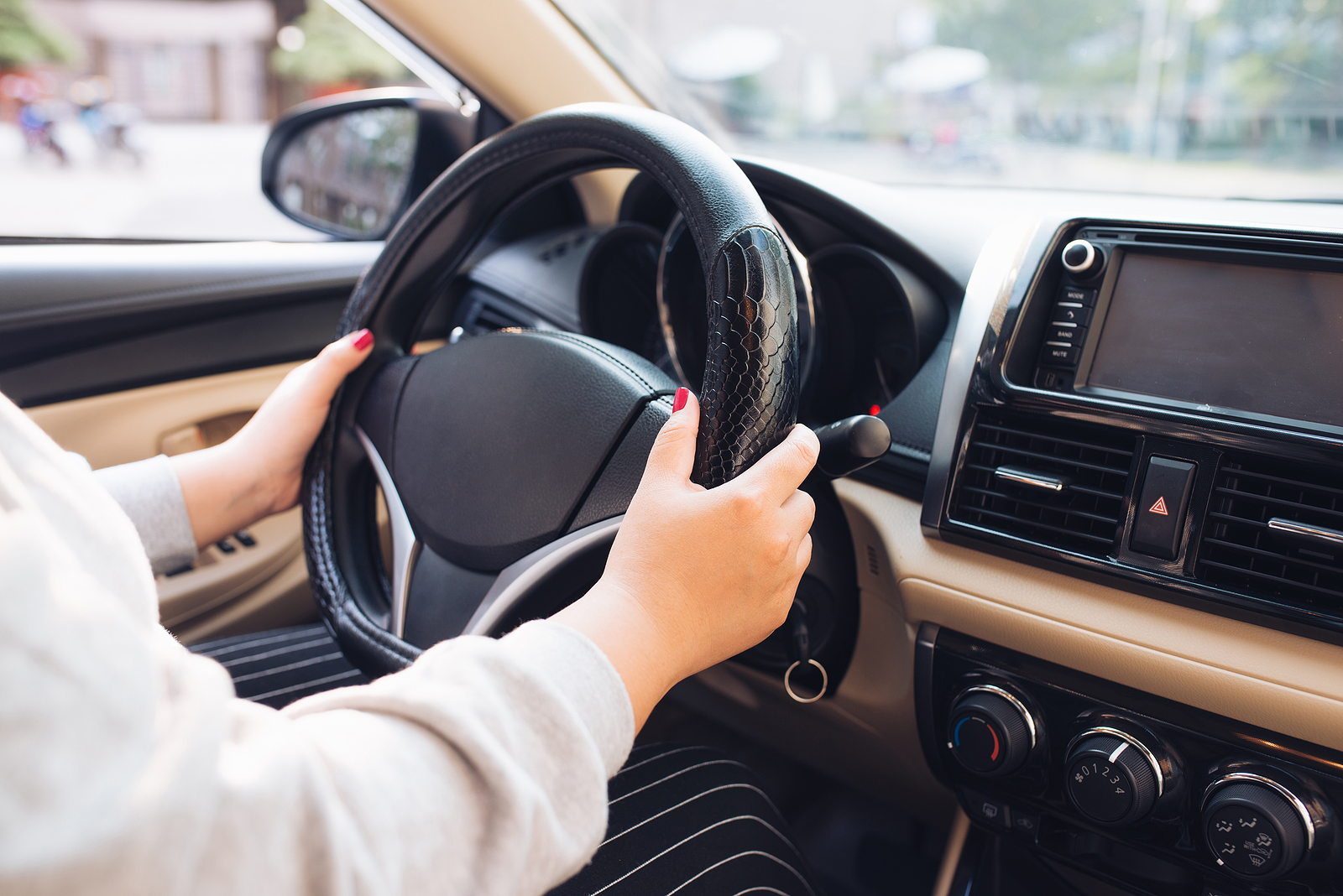
California boasts some of the most breathtaking scenic drives in the world, from the dramatic cliffs of Big Sur along the Pacific Coast Highway to the desert vistas of Death Valley National Park. When traversing these routes, it’s tempting to reach for a camera or fumble with a map. The implicit recommendation is to embrace the journey by prioritizing safety. This means minimizing distractions and keeping your focus on the road and the ever-changing scenery. If you wish to capture the moment, pull over at a designated viewpoint or rest stop. This not only ensures your safety and the safety of others but also allows for a more mindful appreciation of the stunning natural beauty California has to offer. For instance, when driving the winding roads of Napa Valley, keeping hands on the wheel is paramount to safely navigating the turns and appreciating the surrounding vineyards.
Efficient Use of Navigation and Infotainment
Modern cars come with sophisticated infotainment systems that offer GPS navigation, music streaming, and connectivity. While these are invaluable tools for any road trip, their use should be integrated seamlessly into the driving experience without becoming a distraction. The recommendation is to set your destination and playlist before you start driving. If adjustments are needed, utilize voice commands whenever possible. For complex adjustments or to review routes, it is safest to pull over to a safe location. This approach ensures that your hands remain on the wheel, ready to steer, brake, or accelerate as needed, allowing you to focus on the road ahead, whether you’re heading towards the theme parks of Anaheim or the cultural hubs of San Diego.
Adapting to California’s Diverse Traffic Conditions
California presents a wide spectrum of driving environments. Urban centers like Los Angeles are characterized by dense traffic, complex interchanges, and a high volume of vehicles, including ride-sharing services and public transit. Rural areas, on the other hand, might feature less traffic but potentially more unpredictable road conditions, wildlife crossings, or agricultural vehicles. The recommendation on hands on the wheel adapts to these variations. In heavy traffic, where constant vigilance and precise steering are required, keeping both hands on the wheel is non-negotiable. In less congested areas, while there may be more opportunity to momentarily adjust controls, the principle of maintaining control and situational awareness remains paramount. Drivers exploring the mountains near Lake Tahoe or the coastal routes near Santa Barbara should always be prepared for unexpected turns or changes in road surface.
Embracing the Journey: A Mindset for California Drivers
Ultimately, the “California recommendation” on putting hands on the wheel is less about rigid rules and more about fostering a mindset of engaged, responsible driving. It’s about recognizing that the act of driving is not merely a means to an end, but an integral part of the travel experience, especially in a state as rich and diverse as California.
The Importance of Situational Awareness
Keeping hands on the wheel directly correlates with enhanced situational awareness. When your hands are properly placed, your body is oriented towards the task of driving, making you more attuned to your surroundings. This includes monitoring other vehicles, pedestrians, cyclists, and road signs. The recommendation is to use the time spent driving to observe and anticipate potential hazards. This is particularly important when driving through areas with high pedestrian traffic, such as downtown San Francisco, or near popular tourist attractions where people might be less aware of their surroundings.
Fostering a Culture of Safety
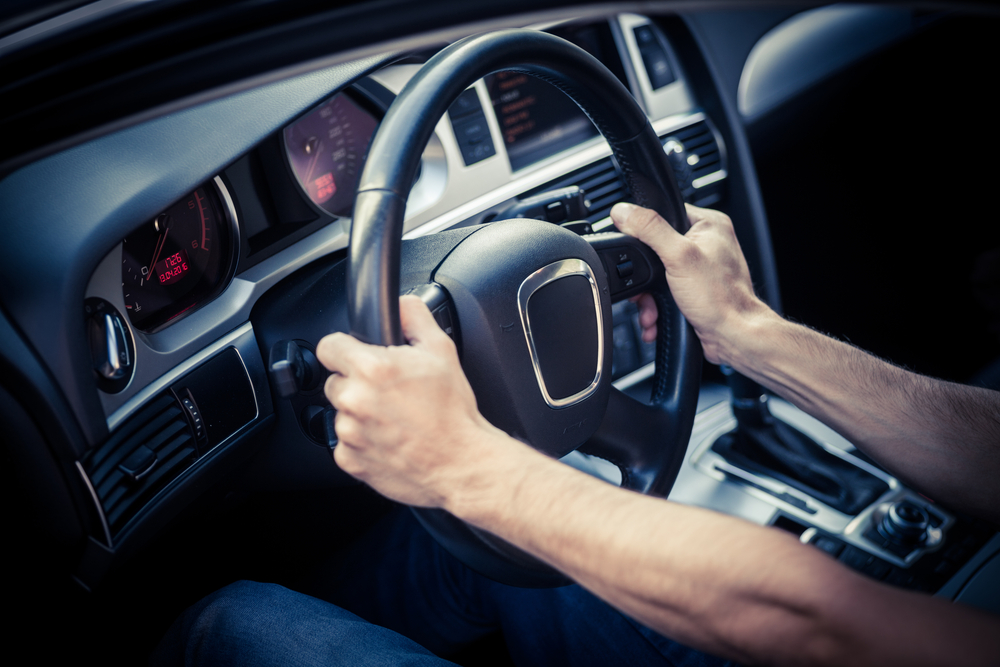
By adhering to the principle of keeping hands on the wheel and minimizing distractions, drivers contribute to a broader culture of safety on California’s roads. This is especially relevant for visitors who may be unfamiliar with local driving habits or road layouts. The proactive adoption of safe driving practices, including keeping hands where they belong, benefits everyone. It ensures that the exploration of California’s wonders – from the theme parks of Orange County to the historic missions along the coast – is a positive and safe experience for all. The focus remains on enjoying the destinations, the attractions, and the unique experiences that California offers, with the driving itself being a secure and integral part of that adventure.
LifeOutOfTheBox is a participant in the Amazon Services LLC Associates Program, an affiliate advertising program designed to provide a means for sites to earn advertising fees by advertising and linking to Amazon.com. Amazon, the Amazon logo, AmazonSupply, and the AmazonSupply logo are trademarks of Amazon.com, Inc. or its affiliates. As an Amazon Associate we earn affiliate commissions from qualifying purchases.