
Understanding the intricacies of the California State Sales Tax is a crucial element for any visitor planning a trip to the Golden State, whether for leisure or business. This tax, a cornerstone of California‘s revenue generation, directly impacts the cost of goods and services across a wide spectrum of your travel expenses. From booking a hotel room in Los Angeles to purchasing souvenirs in San Francisco, the sales tax is an ever-present factor that can influence your budget and spending decisions. For travelers, a clear grasp of how this tax is applied, what it covers, and potential exemptions can lead to a more informed and potentially more economical journey.
The Mechanics of California’s Sales Tax
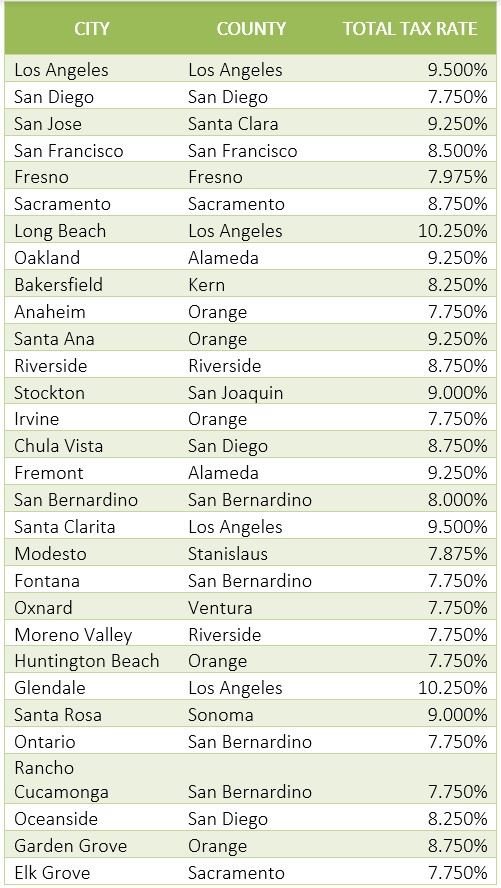
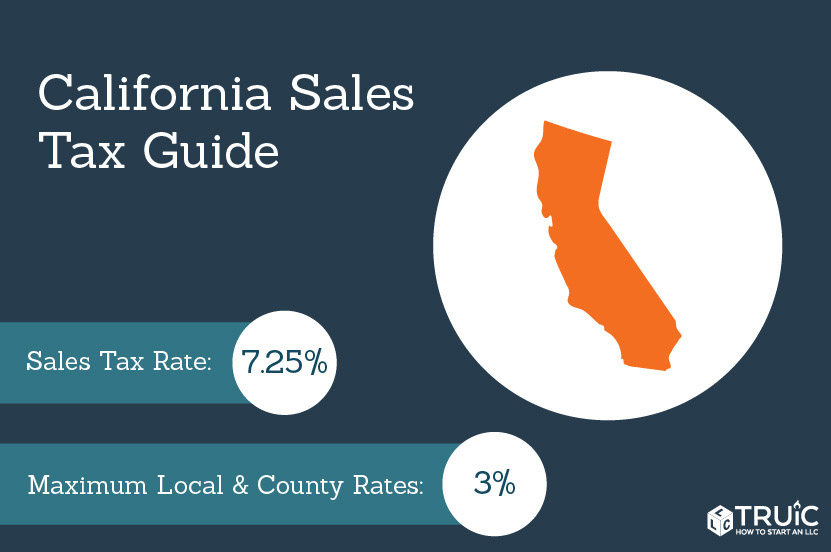
The California State Sales Tax is a transaction and use tax imposed by the state on the retail sale of tangible personal property. It’s a percentage of the sales price that is collected by the seller from the buyer and then remitted to the state. This tax is not a single, uniform rate across the entire state. Instead, it’s a combination of a state rate and local district taxes, which vary significantly from one city and county to another. This means that the total sales tax rate you pay can differ depending on your precise location within California.
State vs. Local Taxation
At its core, the California State Sales Tax rate is set by the state legislature. However, this state rate is only one component of the final tax burden. Numerous local jurisdictions – counties, cities, and special districts – are authorized to levy their own additional sales and use taxes. These local taxes are often imposed to fund specific public services, such as transportation improvements, public safety initiatives, or local infrastructure projects. The combination of the state rate and these various local rates results in a complex tiered system. For instance, a purchase made in downtown Los Angeles might have a different total sales tax rate than one made in a more rural part of Orange County or near the coast in San Diego.
Tangible Personal Property: What is Taxed?
The California State Sales Tax applies to the sale of tangible personal property. This broadly includes physical items that you can touch and feel. For travelers, this means most of the things you might buy to enhance your trip or take home as mementos. This encompasses clothing, electronics, souvenirs, gifts, and even many food items purchased for off-premises consumption. Services are generally not subject to sales tax in California, though there are specific exceptions and nuances that can make this a complex area. For example, while a car rental is considered a service, the sale of the vehicle itself is taxed. Similarly, while a hotel room is a service, the imposition of transient occupancy taxes (often referred to as hotel taxes) is distinct from sales tax, though often collected concurrently.
The Use Tax Component
In addition to sales tax, California also has a complementary “use tax.” This tax is designed to capture tax revenue on purchases made outside of California for use within the state, where sales tax was not collected by the out-of-state seller. For example, if you purchase an item online from an out-of-state retailer who doesn’t charge California sales tax, you are technically obligated to pay the use tax directly to the state. While enforcement for individual travelers on small purchases can be challenging, this provision is in place to ensure a level playing field for in-state businesses.
Impact on Travel Expenses
The California State Sales Tax is a significant factor in the overall cost of a trip to California. Understanding where and how it applies can help travelers budget more effectively and make informed purchasing decisions.
Accommodation and Lodging
While the California State Sales Tax itself primarily applies to tangible goods, lodging facilities like hotels and resorts are subject to a separate but related tax: the Transient Occupancy Tax (TOT), often called a “hotel tax.” This tax is levied by local governments on the rent charged for lodging. The rates for TOT vary widely by city and county, and in some areas, it can be substantial, often exceeding the state’s base sales tax rate. It is crucial for travelers to factor in these TOT charges when comparing hotel prices across different cities, such as comparing rates at a resort in Palm Springs versus a boutique hotel in Santa Barbara.
Dining and Food Purchases
The tax treatment of food and beverages in California can be nuanced. Prepared food sold for immediate consumption on or off the premises is generally subject to sales tax. This includes meals purchased at restaurants, cafes, and even most items from a Starbucks or similar establishment. However, most unprocessed food items, such as fresh produce, dairy products, and bread, purchased for consumption at home or in your hotel room are typically exempt from sales tax. This distinction can be important for travelers looking to save money by preparing some of their own meals or opting for grocery store purchases over restaurant dining. For example, purchasing groceries from a market in Oakland will generally incur less tax than dining at a popular restaurant in the Napa Valley.
Shopping and Souvenirs
Shopping is a significant part of the travel experience for many, and the California State Sales Tax will impact these purchases. From high-end fashion boutiques in Beverly Hills to unique artisan crafts found at the Ferry Building Marketplace in San Francisco, the sales tax will be added to the sticker price. Understanding the local tax rate for your specific destination is key. A higher tax rate in a particular city will make all retail purchases more expensive. This is particularly relevant when considering larger purchases, as the cumulative effect of the tax can become substantial.
Car Rentals and Transportation
Renting a car to explore the scenic beauty of California, from driving the Pacific Coast Highway to visiting national parks like Yosemite, involves both sales tax and other fees. The rental transaction itself is generally subject to state and local sales tax. Additionally, many rental car companies also include other charges, such as airport concession fees or vehicle licensing fees, which may or may not be subject to the same tax rules. It’s always wise to review the rental agreement carefully to understand all the costs involved.
Navigating Tax Exemptions and Special Cases
While the California State Sales Tax is broadly applied, there are certain situations and types of transactions that may qualify for exemptions. Being aware of these can lead to significant savings for travelers.
Exemptions for Certain Food Items
As mentioned earlier, the exemption for most basic, unprocessed food items is a significant one for travelers. This applies to staples like fruits, vegetables, dairy products, and grains. However, it’s important to distinguish these from “prepared foods,” which are taxed. For example, a pre-made sandwich from a deli or a hot meal from a food truck would likely be considered prepared food and subject to sales tax.
Out-of-State Purchases and Use Tax
For travelers who are residents of California and make purchases while outside the state for delivery into California, the use tax applies. This is intended to ensure that Californians pay the same amount of tax on goods, regardless of where they are purchased. While most tourists may not be significantly impacted by this on small impulse buys, it’s a consideration for larger purchases made online or during trips to neighboring states like Nevada or Arizona.
Specific Tax Regulations for Businesses
Business travelers may encounter additional tax considerations. For instance, temporary business stays, the purchase of business supplies, or the provision of services for a business might fall under different tax rules. The California Department of Tax and Fee Administration (CDTFA) is the governing body that provides detailed guidance on these complex areas.
Tips for Budget-Conscious Travelers
Maximizing your travel budget in California involves being mindful of all expenses, and the sales tax is a key component.
Research Local Tax Rates
Before finalizing your travel plans or making significant purchases, it’s a good practice to research the combined state and local sales tax rates for your specific destinations. Websites for the CDTFA or local county tax assessor offices often provide this information. This knowledge can help you compare prices in different cities or even decide where to do your souvenir shopping. For example, if you’re planning a shopping spree, you might find it more economical to do so in a city with a lower combined tax rate.
Utilize Tax-Exempt Food Options
Take advantage of the tax exemptions on basic food items. Opting for groceries from a supermarket for breakfast or snacks in your hotel room can be significantly cheaper than frequenting cafes or restaurants, both in terms of the item cost and the sales tax applied.
Consider Timing and Location of Purchases
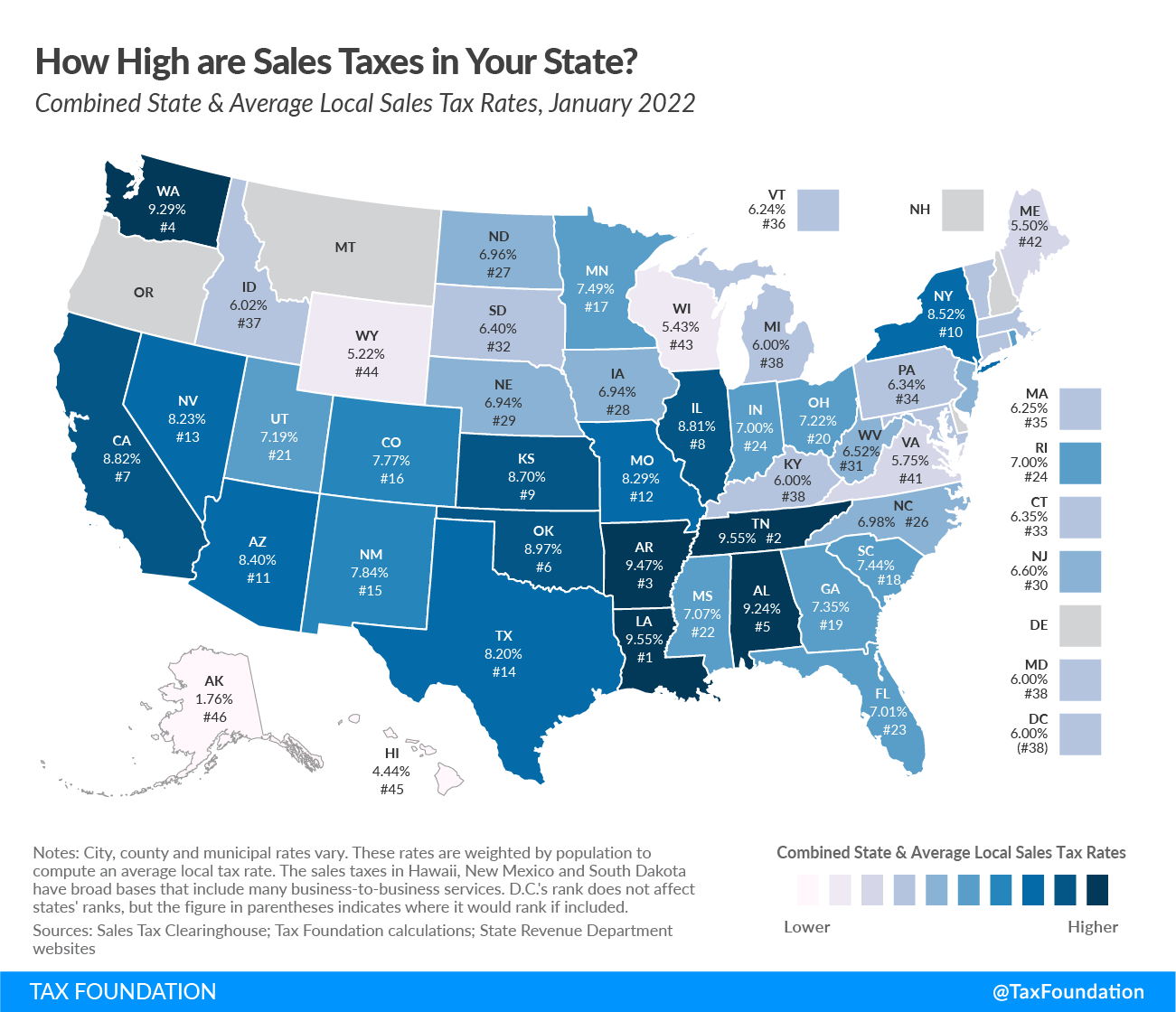
If you’re planning on making larger purchases, such as electronics or designer clothing, consider the specific location within California. While the state rate is uniform, local district taxes can vary. Sometimes, a small change in location can result in a noticeable difference in the final price after tax. For instance, a purchase made in a more remote area might have a lower tax rate than one made in a major metropolitan hub like San Diego.
Be Aware of Hotel Taxes
Always factor in the Transient Occupancy Tax (TOT) when budgeting for accommodation. This can significantly increase the advertised nightly rate. Compare the total cost, including TOT, when choosing between different hotels or vacation rentals. A seemingly cheaper room in one hotel might end up being more expensive once local taxes are added.
By understanding the fundamentals of the California State Sales Tax, travelers can better navigate their expenses, make more informed choices, and ultimately enjoy their visit to the diverse and captivating state of California without any unwelcome financial surprises.
LifeOutOfTheBox is a participant in the Amazon Services LLC Associates Program, an affiliate advertising program designed to provide a means for sites to earn advertising fees by advertising and linking to Amazon.com. Amazon, the Amazon logo, AmazonSupply, and the AmazonSupply logo are trademarks of Amazon.com, Inc. or its affiliates. As an Amazon Associate we earn affiliate commissions from qualifying purchases.