
Navigating the intricacies of taxation is a crucial aspect of responsible financial management, especially when traveling or considering extended stays in a particular locale. For many, California represents a dream destination, from its sun-drenched beaches and iconic Hollywood landmarks to its vibrant cities and diverse landscapes. However, understanding the tax implications associated with visiting or residing in the Golden State is paramount. This guide delves into the fundamental elements of California state tax, focusing on how it impacts travelers, temporary residents, and those considering a longer engagement with the state. While this article focuses on aspects relevant to travel and short-term experiences within California, it’s important to note that comprehensive tax advice should always be sought from a qualified professional.
Understanding California’s Revenue Streams
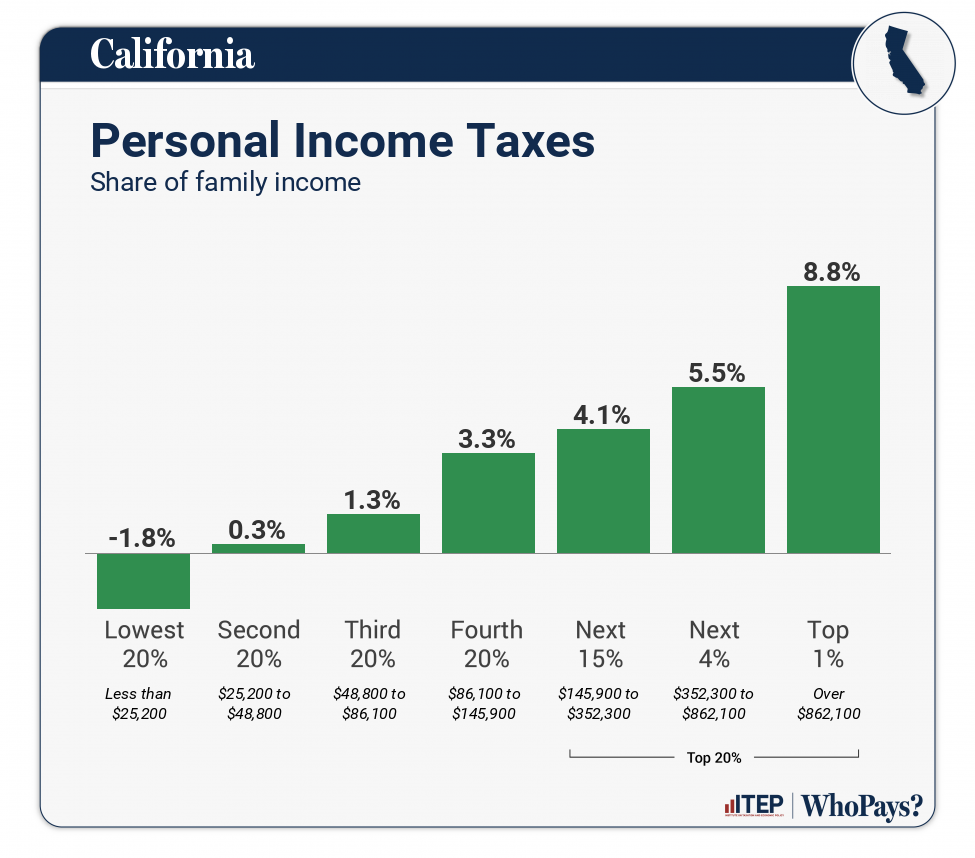
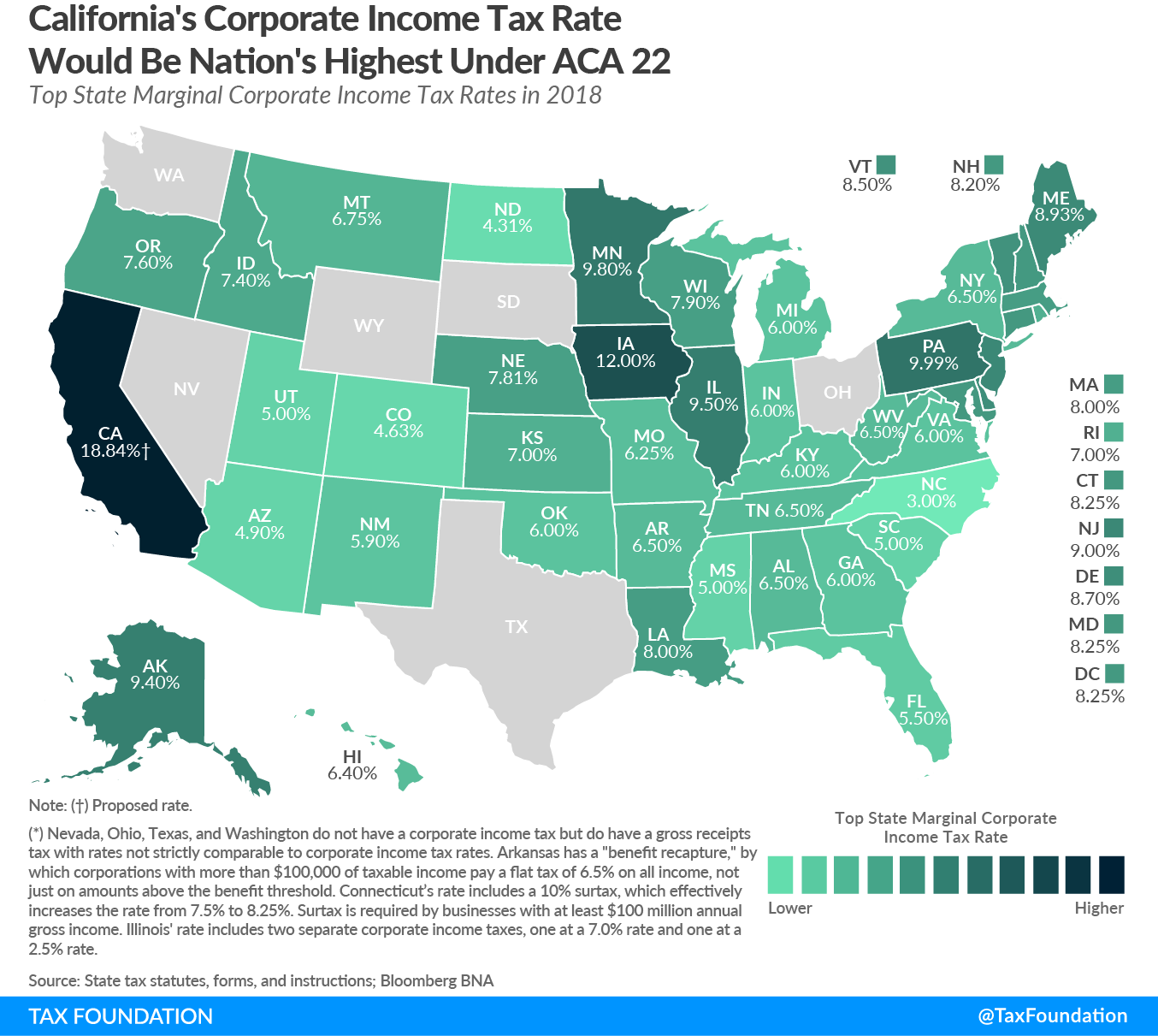
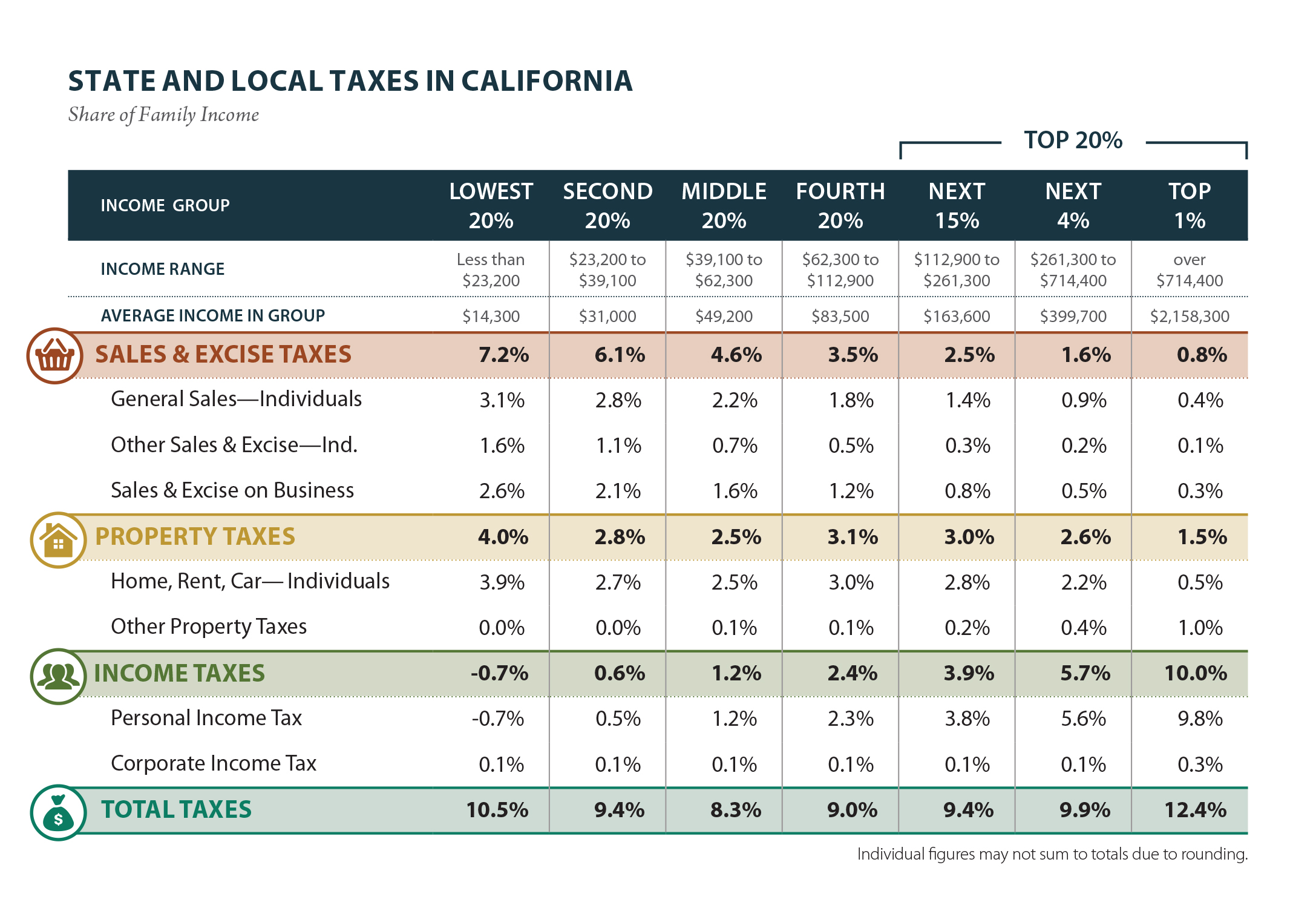
The state of California generates revenue through various taxation mechanisms, designed to fund public services, infrastructure, and state-wide initiatives. For visitors and temporary residents, the most commonly encountered taxes are sales tax and, in some cases, income tax if engagement crosses certain thresholds. Understanding these will help in budgeting for your trip and making informed decisions about spending.
Sales and Use Tax: The Everyday Impact
The most ubiquitous form of California state tax that travelers will encounter is the sales and use tax. This tax is levied on the retail sale of tangible personal property and certain services. The rate varies significantly by county and even by city due to the addition of local taxes.
How It Works for Travelers
When you purchase goods, such as souvenirs at Disneyland, a meal at a San Francisco trattoria, or clothing in Beverly Hills, you will see sales tax added to your bill. The statewide base sales tax rate is 7.25%, but this is almost always augmented by district taxes, pushing the combined rate higher in most areas. For instance, a purchase in Los Angeles might incur a combined rate of 9.5%, while San Diego could be around 7.75%, and Sacramento might be closer to 8.75%. These rates are subject to change, so it’s always wise to check the current rates for the specific locality you are visiting.
The Use Tax Component
California also imposes a “use tax” on items purchased outside the state but brought into California for use, storage, or consumption. This is intended to ensure that residents and visitors who purchase items from out-of-state retailers (often to avoid sales tax) still contribute to the state’s tax base. For most travelers, this is less of a concern as the items purchased are typically for immediate use and consumption during their visit. However, if you were to purchase a significant item, like a vehicle or expensive electronics, out of state and register or use it in California, use tax might apply.
Income Tax: When Does It Apply to Non-Residents?
For the vast majority of tourists and short-term visitors, California state income tax is not a concern. Income tax is generally levied on income earned within the state by non-residents and on all income earned by residents. However, the definition of residency can be complex, and certain activities by non-residents could potentially trigger an income tax obligation.
Establishing Residency vs. Temporary Stay
California defines a resident as an individual who is in California for other than a temporary or transitory purpose. This means that if you are visiting for a vacation, a business trip, or even a period of study without the intent to establish a permanent home, you are likely considered a non-resident. For non-residents, California tax law generally only taxes income sourced within the state.
Income Sources for Non-Residents
For a typical traveler, income is usually derived from employment with an employer outside California, or from investments that are not tied to California sources. However, if a non-resident engages in business activities within California, performs services within the state, or derives income from property located in California, they may be subject to the state’s income tax. For example, a freelance consultant who travels to California to perform services for a California-based client might have a filing obligation. Similarly, if you are a performer or athlete who earns income from appearances or events within the state, that income could be taxable.
The “183-Day Rule” and Beyond
While a common heuristic in some jurisdictions is the “183-day rule” (spending more than 183 days in a state often triggers residency), California‘s approach is more nuanced. It focuses on the intent of your presence. You could be in California for less than 183 days and still be considered a resident if your intent is to make it your permanent home. Conversely, you could spend more than 183 days for a temporary purpose, such as extended medical treatment or a sabbatical, and still be considered a non-resident. The key is the permanence and intent of your stay.
Specific Tax Considerations for Common Travel Scenarios
Understanding how state taxes apply to various travel scenarios can help you plan your California adventures more effectively.
Tourism and Leisure Travel
For most tourists visiting California for pleasure, the primary tax implication will be sales tax on purchases and potentially lodging taxes on hotel stays.
Hotel Stays and Occupancy Taxes
When you book a room at a California hotel, resort, or vacation rental, you will typically be charged a room or occupancy tax. This tax is levied by the state and often by local municipalities. The rates can vary widely, with some popular tourist destinations like Anaheim (home to Disneyland) or San Francisco having higher combined rates that can add a significant percentage to your hotel bill. These taxes are often broken down into state, county, and city components, as well as special district taxes that fund local attractions or services.
Dining and Entertainment
Meals purchased at restaurants, tickets to theme parks like Knott’s Berry Farm or Six Flags Magic Mountain, and admission to museums or entertainment venues all fall under the purview of sales tax. The specific rate will depend on the city and county where the transaction occurs.
Business Travel
Business travelers often face similar sales tax considerations for meals and incidental purchases. However, if their activities extend beyond passive attendance at meetings or conferences, they might encounter income tax implications.
Performing Services in California
If your business travel involves actively performing services for a California-based client or employer, the income generated from those services may be taxable by California, even if you are a non-resident. This is where the concept of “sourcing” income becomes important. Income from services is generally sourced to the place where the services are performed.
Deducting Business Expenses
For non-residents who do have a California income tax obligation, understanding deductible business expenses is crucial. This can include travel expenses, accommodation, and meals directly related to generating the California-sourced income. However, the rules for deductibility are stringent and require proper documentation.
Extended Stays and “Digital Nomads”
The rise of remote work and “digital nomad” lifestyles presents a more complex tax landscape for California. Spending an extended period working remotely from California, even without establishing a domicile, can raise questions about residency and tax liability.
The Importance of Domicile
California, like many states, taxes individuals based on their domicile and the source of their income. Domicile is more than just where you live; it’s your true, fixed, and permanent home to which you intend to return whenever absent. For digital nomads who are transient by nature, carefully maintaining their domicile outside of California is critical. This involves actions such as voting in their home state, holding a driver’s license there, and continuing to pay taxes in their domicile state.
“Temporary or Transitory Purpose” Defined
California‘s Franchise Tax Board (FTB) scrutinizes whether a person’s presence is for a “temporary or transitory purpose.” This determination is based on the facts and circumstances of each individual’s situation. Factors considered include:
- The nature of their presence (vacation, business, employment, study).
- The intent of the stay.
- The maintenance of a permanent home elsewhere.
- The frequency and duration of stays in California.
If a digital nomad spends significant time in California and their presence is not demonstrably for a temporary or transitory purpose, they could be deemed a resident, subject to tax on their worldwide income.
Planning and Compliance
For travelers and temporary residents, proactive planning and understanding compliance requirements can prevent unexpected tax burdens.
Budgeting for Taxes
When planning a trip to California, it’s essential to factor in sales and lodging taxes into your budget. Researching the specific rates for the areas you plan to visit will provide a more accurate cost estimate. For example, a week-long stay in Santa Monica will likely have higher lodging taxes than a less tourist-centric area.
Understanding Filing Requirements
As mentioned, most tourists will not have California income tax filing requirements. However, if you are a non-resident who has earned income from California sources, you must determine if you meet the filing thresholds. The FTB provides detailed information on its website regarding sourcing rules and filing obligations for non-residents. If you are unsure, consulting with a tax professional experienced in multi-state taxation is highly recommended.
Keeping Records
For business travelers or individuals who might be subject to income tax, meticulous record-keeping is indispensable. This includes receipts for all deductible expenses, records of income earned, and documentation of your domicile and intent regarding residency.
Conclusion: Navigating California’s Tax Landscape with Confidence
California offers an unparalleled array of experiences, from the bustling energy of Los Angeles to the serene beauty of Yosemite National Park. While the state’s tax system is a vital component of its governance, understanding its basic principles can demystify the financial aspects of your visit. For the typical traveler, sales and lodging taxes are the primary considerations, easily manageable with careful budgeting. For those whose stays are more extended or involve earning income within the state, a deeper understanding of residency rules and income sourcing becomes crucial. By staying informed and seeking professional advice when necessary, you can confidently explore all that California has to offer, ensuring a financially sound and enjoyable experience.
LifeOutOfTheBox is a participant in the Amazon Services LLC Associates Program, an affiliate advertising program designed to provide a means for sites to earn advertising fees by advertising and linking to Amazon.com. Amazon, the Amazon logo, AmazonSupply, and the AmazonSupply logo are trademarks of Amazon.com, Inc. or its affiliates. As an Amazon Associate we earn affiliate commissions from qualifying purchases.