
For travelers planning an unforgettable journey to the Golden State, understanding its time zone is far more than a mere technicality – it’s a fundamental aspect of crafting a seamless and enjoyable experience. California, a beacon of diverse landscapes, vibrant cities, and unparalleled attractions, operates on a distinct time schedule that shifts with the seasons. From the bustling streets of Los Angeles to the serene vineyards of Napa Valley and the majestic peaks of the Sierra Nevada, every corner of this magnificent state adheres to the same clock, making planning cohesive across your itinerary.
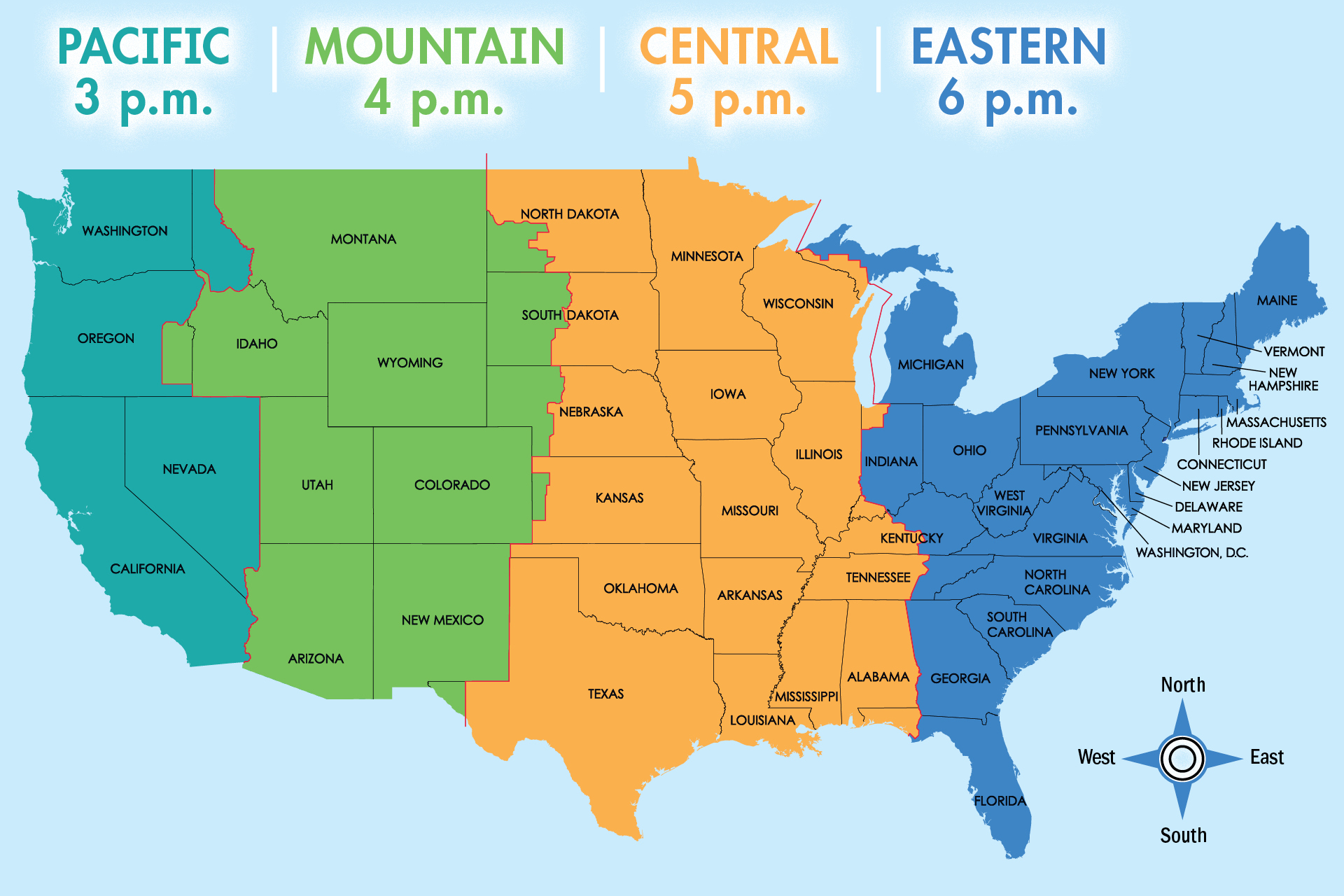
At its core, California observes the Pacific Time Zone. This means that for a significant portion of the year, usually from early November to mid-March, it adheres to Pacific Standard Time (PST). As the longer, sunnier days of spring and summer arrive, the state transitions to Pacific Daylight Time (PDT), an adjustment made to maximize daylight hours. This shift, commonly known as Daylight Saving Time, sees clocks moving forward by one hour. For anyone traveling to California, especially those arriving from different parts of the United States or international destinations, being aware of this change is crucial for everything from booking flights and coordinating meetings to planning visits to iconic landmarks and ensuring a comfortable stay at your chosen accommodation. Let’s delve deeper into the intricacies of California’s time, and how it impacts your travel and lifestyle choices in this captivating region.
Decoding California’s Time Zone: PST vs. PDT
Understanding the nuances between Pacific Standard Time and Pacific Daylight Time is key to harmonizing your internal clock with the rhythm of California. This annual shift, while seemingly simple, has significant implications for tourism, activity planning, and even your personal well-being during your visit.
Pacific Standard Time (PST): The Winter Clock
During the cooler months, typically from the first Sunday in November until the second Sunday in March, California observes Pacific Standard Time. This time zone is UTC-8, meaning it is eight hours behind Coordinated Universal Time. For travelers, this period often means shorter daylight hours, with sunsets occurring earlier in the afternoon. While this might sound restrictive, it merely invites a different pace of exploration and offers unique experiences.
Imagine crisp mornings ideal for exploring the misty Redwood National and State Parks, or cozy evenings by a crackling fireplace at a luxury resort in Lake Tahoe after a day on the slopes. Cities like San Francisco embrace a distinct charm during PST, with atmospheric fog rolling over the Golden Gate Bridge and vibrant cultural events kicking off earlier in the evening. For those planning winter escapes, PST aligns perfectly with activities such as skiing, snowboarding, whale watching along the coast, or indulging in the culinary delights of Napa Valley’s renowned restaurants as the afternoon light fades. Hotels often offer special winter packages, focusing on comfort, warmth, and indoor amenities like spas and fine dining, making the most of the shorter days.
Pacific Daylight Time (PDT): Embracing the Summer Sun
As spring blossoms and summer heats up, California springs forward into Pacific Daylight Time, shifting its clocks one hour ahead. This change typically occurs on the second Sunday in March and lasts until the first Sunday in November. PDT is UTC-7, meaning it’s seven hours behind Coordinated Universal Time. The primary benefit of PDT for travelers and locals alike is the extension of daylight into the evening hours.
This extra hour of daylight utterly transforms the California experience. Imagine basking on the sun-drenched beaches of Santa Monica until well after 7 PM, hiking through Yosemite National Park‘s breathtaking landscapes with ample time before dusk, or enjoying a leisurely outdoor dinner with views of the Hollywood Hills. San Diego comes alive with extended evenings perfect for strolls along the harbor or visits to its world-famous zoo. Theme parks like Disneyland and Universal Studios Hollywood often extend their operating hours during PDT, allowing visitors to pack more magic into their days. This period is prime time for road trips along Highway 1, surfing in Malibu, or exploring the vast wilderness of Joshua Tree National Park, with the luxury of abundant sunlight. Resorts and hotels during PDT cater to outdoor enjoyment, featuring expansive pools, al fresco dining options, and easy access to local attractions.
The Rationale Behind Daylight Saving Time in California
The practice of Daylight Saving Time, and thus the shift between PST and PDT, has a storied history rooted in efforts to conserve energy and make better use of daylight. While debates about its effectiveness and necessity continue, California has historically adhered to this system, adjusting clocks twice a year. In 2018, California voters passed Proposition 7, which granted the state legislature the power to change Daylight Saving Time by a two-thirds vote, potentially allowing for a year-round observance of PDT. However, as of now, the traditional spring forward and fall back remain in effect. For travelers, understanding that this tradition is still active is paramount, as miscalculating the time change could lead to missed flights, appointments, or simply an unnecessary hour of confusion. Always double-check the current date for the DST transition when planning your trip to ensure your itinerary aligns with California’s precise time.
Navigating Time Zones for a Seamless California Journey
The impact of time zones extends beyond simply knowing what time it is; it influences your health, your schedule, and the overall enjoyment of your trip. Strategic planning can transform potential challenges into opportunities for a more enriched travel experience in California.
Beating Jet Lag: Tips for Travelers
One of the most common challenges for travelers crossing multiple time zones is jet lag. Arriving in California from the East Coast of the United States or from international destinations in Europe or Asia often means a significant time difference, demanding careful preparation.
To minimize jet lag, begin adjusting your sleep schedule a few days before departure. Gradually shift your bedtime and wake-up times closer to California time. Hydration is crucial; drink plenty of water before, during, and after your flight, avoiding excessive caffeine and alcohol. Upon arrival, expose yourself to natural sunlight as much as possible, especially in the morning, to help reset your body’s internal clock. Schedule outdoor activities that align with California’s daytime hours. Your choice of accommodation can also play a vital role. Opt for hotels with comfortable beds, blackout curtains, and quiet environments to ensure restful sleep. Many upscale resorts, particularly in areas like Beverly Hills or San Diego, offer amenities like in-room spa services or specific wake-up light alarms designed to ease you into the local time, enhancing your well-being and readiness to explore.
Planning Your Itinerary: Time-Sensitive Attractions & Activities
Every minute counts when you’re on vacation, and California’s time zone dictates the rhythm of its most popular attractions and activities. Ignoring this can lead to missed opportunities or unnecessary stress.
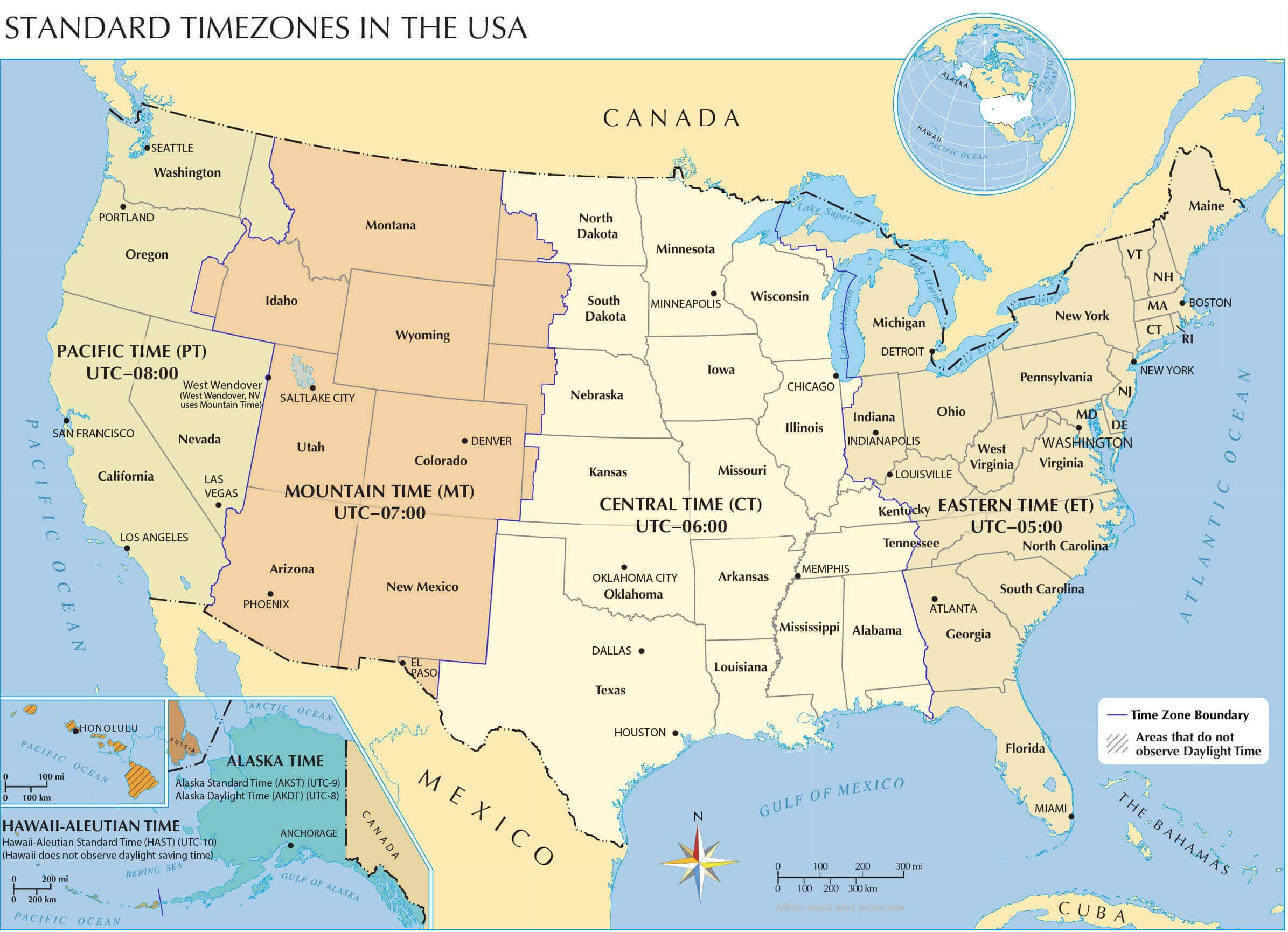
When booking tours, making restaurant reservations, or planning visits to museums and theme parks, always confirm opening and closing times in Pacific Standard Time or Pacific Daylight Time based on your travel dates. For instance, a sunset cruise departing from Long Beach or San Pedro will have different departure times depending on whether it’s PST or PDT. Cultural institutions like the Griffith Observatory in Los Angeles or the California Academy of Sciences in San Francisco often adjust their schedules seasonally. Dining experiences, especially in food-centric cities, require precise reservations; an 8 PM reservation in San Francisco is a full three hours later than 8 PM on the East Coast. Even domestic travel within California requires attention: a flight from LAX to SFO operates within the same time zone, but connections to other parts of the United States will involve time changes. Incorporate flexibility into your schedule, especially on arrival days, allowing for potential delays or the need to simply relax and adjust.
Business Travel Considerations
For business travelers, managing time zones in California is even more critical. Silicon Valley, Downtown Los Angeles, and San Francisco are major economic hubs with global connections. Coordinating meetings, conference calls, and deadlines across different time zones requires meticulous planning.
When scheduling calls with colleagues or clients in New York (Eastern Time) or London (GMT/BST), always clearly state the time zone for clarity. A common strategy is to use online time zone converters or scheduling tools that automatically adjust for different locations. Many executive hotels and serviced apartments in California’s business districts are designed with the global traveler in mind, offering amenities like 24-hour business centers, high-speed internet, and in-room workspaces to facilitate productivity regardless of your internal clock. Furthermore, understanding the time difference can impact your work-life balance during a business trip. By strategically scheduling your work commitments, you can still carve out time to explore the local culture, enjoy a fine meal, or even squeeze in a visit to a nearby landmark, transforming a standard business trip into a more enriching lifestyle experience.
California’s Diverse Experiences Across Time and Seasons
The California time zone, with its annual shift, perfectly complements the state’s incredible seasonal diversity, offering unique experiences year-round. Far from being a mere calendar adjustment, the move between PST and PDT shapes the very essence of your adventure.
Winter Wonders and Cozy Retreats
During Pacific Standard Time (PST), California embraces its winter persona. While the beaches of Southern California remain relatively mild, the Sierra Nevada mountains transform into a snowy paradise. This is prime time for ski and snowboard enthusiasts heading to world-class resorts around Lake Tahoe or Mammoth Mountain. The shorter days and earlier sunsets align beautifully with the appeal of cozy, intimate experiences. Imagine returning to a luxury cabin or boutique hotel after a day on the slopes, enjoying a warming glass of wine from Paso Robles or Temecula, or indulging in spa treatments designed to rejuvenate in the cooler climate.
The Palm Springs desert region becomes a popular escape during PST, offering pleasant temperatures for golf, hiking, and exploring mid-century modern architecture. Cities like San Francisco and Sacramento host a myriad of indoor cultural events, museum exhibits, and festive holiday markets. Many hotels offer enticing off-season rates and special packages that encourage travelers to discover the quieter, more reflective side of California, focusing on culinary journeys, artistic pursuits, and wellness retreats. The early darkness enhances the ambiance of evening events and romantic dinners, making winter travel a truly distinct lifestyle choice.
Summer Adventures and Endless Daylight
The arrival of Pacific Daylight Time (PDT) unlocks California’s quintessential summer vibrancy. With an extra hour of daylight stretching into the evenings, the possibilities for outdoor adventures are virtually endless. This is the season for epic road trips along the dramatic cliffs of Big Sur or the scenic Mendocino Coast. Beach lovers flock to Malibu, Santa Barbara, and San Diego for surfing, sunbathing, and vibrant boardwalk scenes that continue well past traditional dinner hours.
National parks like Yosemite National Park, Joshua Tree National Park, and Death Valley National Park become accessible for longer hikes and exploration, allowing visitors to witness spectacular sunsets that linger in the sky. Theme parks like Legoland California and water parks extend their hours, capitalizing on the bright evenings. Resorts across California transform into hubs of activity, with expansive pools, outdoor dining terraces, and evening entertainment, all designed to maximize the enjoyment of the extended daylight. From exploring the historic Alcatraz Island in San Francisco Bay to snorkeling off Catalina Island, PDT encourages a more active, outward-bound lifestyle, perfectly suiting family trips, adventure seekers, and those who thrive under the warm California sun.
The Golden State’s Unique Appeal Year-Round
Regardless of whether it’s Pacific Standard Time or Pacific Daylight Time, California maintains its allure as a premier travel destination. The diversity of its geography, from the deserts of Anza-Borrego Desert State Park to the towering redwoods, and its rich tapestry of cultures, ensures there’s always something to discover. The annual time shift simply adds another layer of dynamic planning, inviting travelers to consider how their experience will differ between seasons.
Whether you’re visiting for world-class cuisine, seeking adventure in the wilderness, or simply unwinding in luxurious accommodations, understanding “What Is The California Time?” is your first step towards tailoring an itinerary that perfectly aligns with your travel goals and lifestyle preferences. Each time period offers a distinct flavor of the Golden State, promising memorable experiences whether you prefer the cozy charm of winter evenings or the vibrant energy of endless summer days.
In conclusion, California’s time zone, fluctuating between Pacific Standard Time and Pacific Daylight Time, is an integral part of its identity and a crucial factor for any visitor. By being aware of these seasonal changes and their implications, travelers can optimize their itineraries, manage jet lag effectively, and fully immerse themselves in the rich array of destinations, attractions, and experiences that the Golden State has to offer. So, set your watch, plan your adventure, and prepare to enjoy California on its own magnificent time.
LifeOutOfTheBox is a participant in the Amazon Services LLC Associates Program, an affiliate advertising program designed to provide a means for sites to earn advertising fees by advertising and linking to Amazon.com. Amazon, the Amazon logo, AmazonSupply, and the AmazonSupply logo are trademarks of Amazon.com, Inc. or its affiliates. As an Amazon Associate we earn affiliate commissions from qualifying purchases.