
San Francisco, a city renowned for its iconic landmarks, vibrant culture, and breathtaking natural beauty, presents a unique climate that often surprises first-time visitors. The query, “What is the temperature in San Francisco?” is not just a simple meteorological question; it delves into the very essence of planning a trip to this captivating Californian metropolis. Understanding the city’s distinctive weather patterns is paramount to experiencing its diverse attractions without being caught unprepared by its famously cool summer breezes or its occasionally mild winter days. This exploration will uncover the nuances of San Francisco’s climate, offering insights that go beyond mere numbers, and empower travelers to pack wisely and plan their itineraries to perfectly align with the prevailing conditions.
The Microclimate Marvels of San Francisco
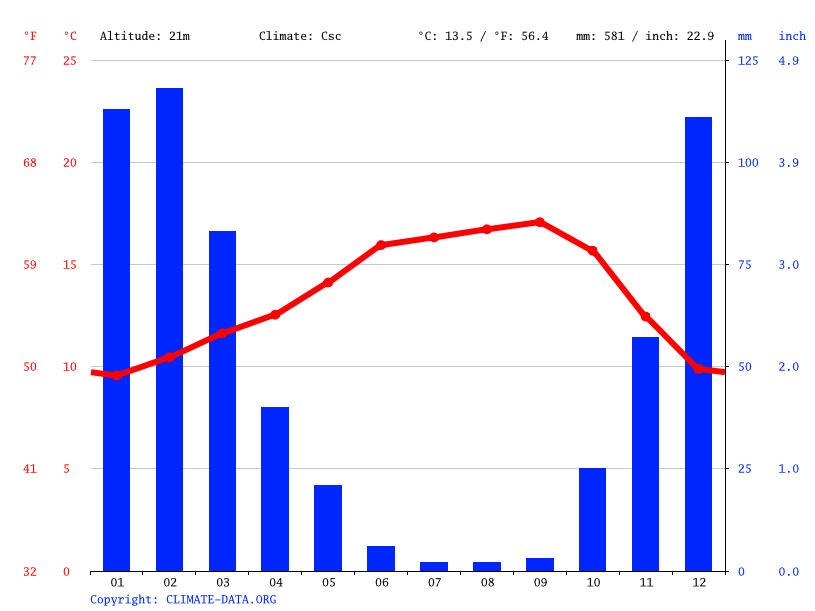
San Francisco’s temperature is a fascinating study in contrasts, largely dictated by its unique geographical position and the Pacific Ocean’s influence. Unlike many other cities where temperature might fluctuate predictably with the seasons, San Francisco experiences a phenomenon known as a microclimate. This means that different neighborhoods within the city can have noticeably different weather conditions at the same time.
Understanding the Pacific Influence
The Pacific Ocean is the primary architect of San Francisco’s climate. During the summer months, warm air over the land masses heats up and rises, creating a low-pressure system. Cooler, denser air from the Pacific Ocean then flows inland to replace it, resulting in a consistent influx of cool, moist air. This oceanic influence is particularly strong during the summer, leading to the city’s reputation for cool summers, often characterized by fog. The famous [San Francisco] fog acts as a natural air conditioner, keeping daytime temperatures remarkably moderate, even when inland cities like [Sacramento] or [Fresno] swelter under heatwaves. This marine layer typically burns off by late morning or early afternoon in many areas, allowing for sunshine, but the cool ocean breeze is rarely far away.
Navigating the Neighborhood Variations
The impact of the Pacific is not uniform across [San Francisco]. Areas closer to the ocean, such as the Sunset District and the Richmond District, tend to be cooler and foggier year-round. These neighborhoods often experience the full force of the marine layer, leading to lower average temperatures and higher humidity. Conversely, neighborhoods further inland, like the Mission District or the Potrero Hill area, tend to be warmer and sunnier, benefiting less from the direct oceanic cooling. This difference can be as significant as 10 to 15 degrees Fahrenheit on any given day. When considering the temperature in [San Francisco], it is crucial to acknowledge these internal variations, as a visit to [Golden Gate Park] might feel quite different from an afternoon exploring the shops and cafes of the vibrant Mission District. The microclimates also affect popular tourist activities; for instance, a visit to [Alcatraz Island], which is exposed to the open bay, will likely be cooler than a stroll through the more sheltered [Union Square].
Seasonal Temperature Trends in San Francisco
While San Francisco might not experience extreme temperature swings, its seasons do offer distinct atmospheric characteristics that are vital for any visitor to understand. Planning your visit around these seasonal trends will ensure you can best enjoy the city’s many offerings.
Spring: A Gentle Transition
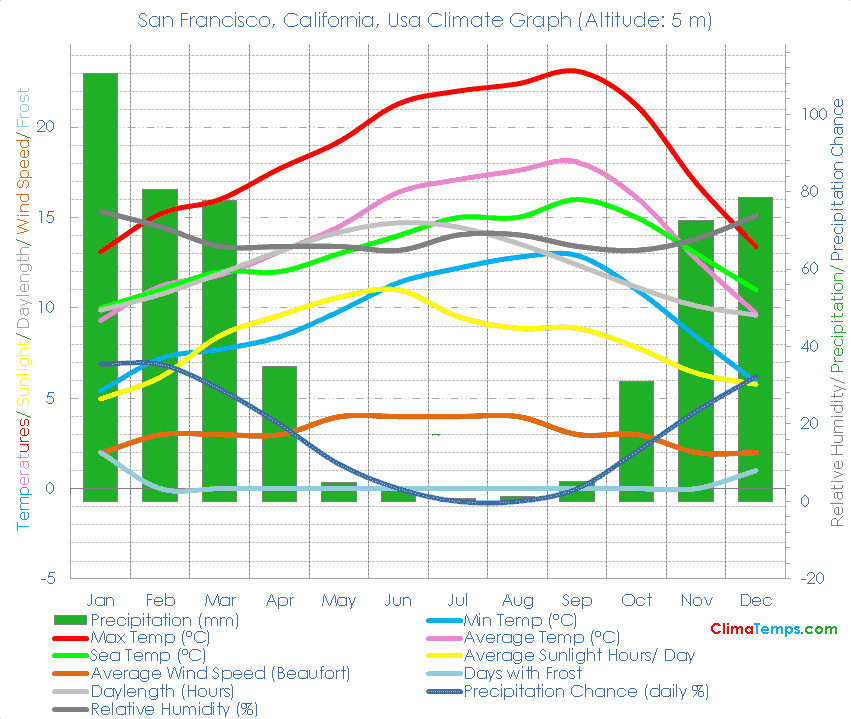
Spring in [San Francisco], typically from March to May, is characterized by a gentle transition from winter to summer. While mornings and evenings can still be cool, especially near the coast, daytime temperatures begin to climb gradually. Average highs often range from the mid-60s to the low 70s Fahrenheit. Rainfall decreases significantly as the season progresses, making it a pleasant time to explore outdoor attractions like the [Japanese Tea Garden] or take a scenic drive across the [Golden Gate Bridge]. The city also starts to bloom, adding to its visual appeal. However, the ubiquitous fog can still make an appearance, particularly in the mornings, so layering clothing remains a prudent strategy.

Summer: The “Cool” Season
Perhaps the most counter-intuitive aspect of San Francisco’s climate is its summer. From June to August, while much of the Northern Hemisphere experiences heatwaves, San Francisco often remains cool, with average highs hovering in the mid-60s Fahrenheit. This is the peak season for the famous fog. On many days, the city can be enveloped in a thick, cool fog, especially during the mornings and evenings, while inland areas bask in sunshine. This phenomenon is a result of the aforementioned ocean currents. July and August are typically the coolest and foggiest months. This “cool summer” is perfect for those who prefer to avoid oppressive heat and enjoy comfortable exploration, but it means packing a sweater or jacket is essential, even in July. Many visitors find this refreshing, allowing for comfortable walks along the Embarcadero or visits to attractions like the [Palace of Fine Arts] without overheating.
Autumn: The “Indian Summer”
Autumn, from September to November, is often considered the most idyllic season in San Francisco. The summer fog begins to recede, and the city experiences its warmest and sunniest days, a period often referred to as an “Indian Summer.” September and October, in particular, can see average highs climb into the low 70s Fahrenheit, and sometimes even reach into the high 70s or low 80s in sunnier neighborhoods. This is an excellent time for outdoor activities, exploring areas like [Fisherman’s Wharf] or taking a ferry to [Sausalito]. The cooler ocean breeze is still present, but it is less pervasive than in the summer months, offering a delightful balance of warmth and refreshing air. The clear skies provide stunning views of the bay and the surrounding hills.
Winter: Mild and Wet
Winter in San Francisco, from December to February, is generally mild and wet, but rarely cold. Average daytime temperatures typically range from the low 50s to the low 60s Fahrenheit. Snow is virtually unheard of. While sunshine is less frequent, clear, crisp winter days do occur. This is the rainiest period, with most of the city’s annual precipitation falling during these months. However, even on rainy days, the temperatures remain quite moderate, making it a good time for indoor attractions such as museums like the [de Young Museum] or enjoying the city’s diverse culinary scene. Visitors during winter should pack for rain, with a waterproof jacket and umbrella being essential items, but they can expect mild temperatures for outdoor exploration on drier days.
Planning Your San Francisco Visit: Packing and Activities Based on Temperature
Understanding San Francisco’s temperature nuances is not just about knowing the numbers; it’s about optimizing your experience. The city’s unique climate dictates what to pack and influences the best times for certain activities.
The Art of Layering: Essential Packing Advice
The golden rule of packing for San Francisco is layering. Due to the microclimates and the ever-present possibility of a cool ocean breeze, dressing in layers allows you to adapt to changing conditions throughout the day and across different neighborhoods. This means having a base layer, an insulating layer (like a fleece or sweater), and a windproof or water-resistant outer shell. Even on seemingly warm days, the fog can roll in quickly, dropping temperatures by 10-20 degrees Fahrenheit. For summer visits, despite the season, a light jacket or sweater is non-negotiable. In winter, while heavy winter coats are generally unnecessary, a waterproof jacket with a hood is highly recommended to contend with potential rain showers. Comfortable walking shoes are also a must, as exploring the city’s famously hilly terrain is often best done on foot.
Optimizing Activities for San Francisco’s Climate
The temperature in San Francisco directly influences the best ways to enjoy its attractions. The cool, foggy summers are perfect for exploring indoor attractions or engaging in activities that don’t require prolonged exposure to direct sun. Visits to museums, galleries, or enjoying the vibrant culinary scene in areas like North Beach are excellent choices. The iconic cable car rides are also a pleasant experience regardless of temperature, as the open cars offer a refreshing breeze.
During the warmer, sunnier autumn months, outdoor activities are at their peak. This is the ideal time for exploring landmarks like [Alcatraz Island], walking across the [Golden Gate Bridge], visiting the [Palace of Legion of Honor], or enjoying a picnic in [Golden Gate Park]. The pleasant weather also makes boat tours of the bay, perhaps to see the [Bay Bridge] or the city skyline, particularly enjoyable. Spring offers a similar opportunity for outdoor exploration as it transitions from cooler to warmer days, with fewer crowds than the peak summer or autumn seasons. Winter, while wetter, still allows for plenty of exploration, particularly if you are prepared for rain, and offers a chance to experience the city with fewer tourists. Regardless of the season, always check the local weather forecast just before your departure, as specific conditions can vary day by day.
LifeOutOfTheBox is a participant in the Amazon Services LLC Associates Program, an affiliate advertising program designed to provide a means for sites to earn advertising fees by advertising and linking to Amazon.com. Amazon, the Amazon logo, AmazonSupply, and the AmazonSupply logo are trademarks of Amazon.com, Inc. or its affiliates. As an Amazon Associate we earn affiliate commissions from qualifying purchases.