
The recurring and often devastating wildfires that sweep across California have become a somber fixture in the state’s natural landscape and a significant concern for its residents, businesses, and the tourism industry. Understanding the multifaceted causes behind these infernos is crucial for effective mitigation, preparedness, and the long-term preservation of the region’s iconic natural beauty. While often presented as a single phenomenon, the California fires are the result of a complex interplay of environmental, climatic, and human factors. These blazes are not merely a byproduct of dry vegetation; they are influenced by a confluence of drought conditions, historical land management practices, a warming climate, and the ever-present ignition sources that can spark them.
The Role of Climate and Weather Patterns
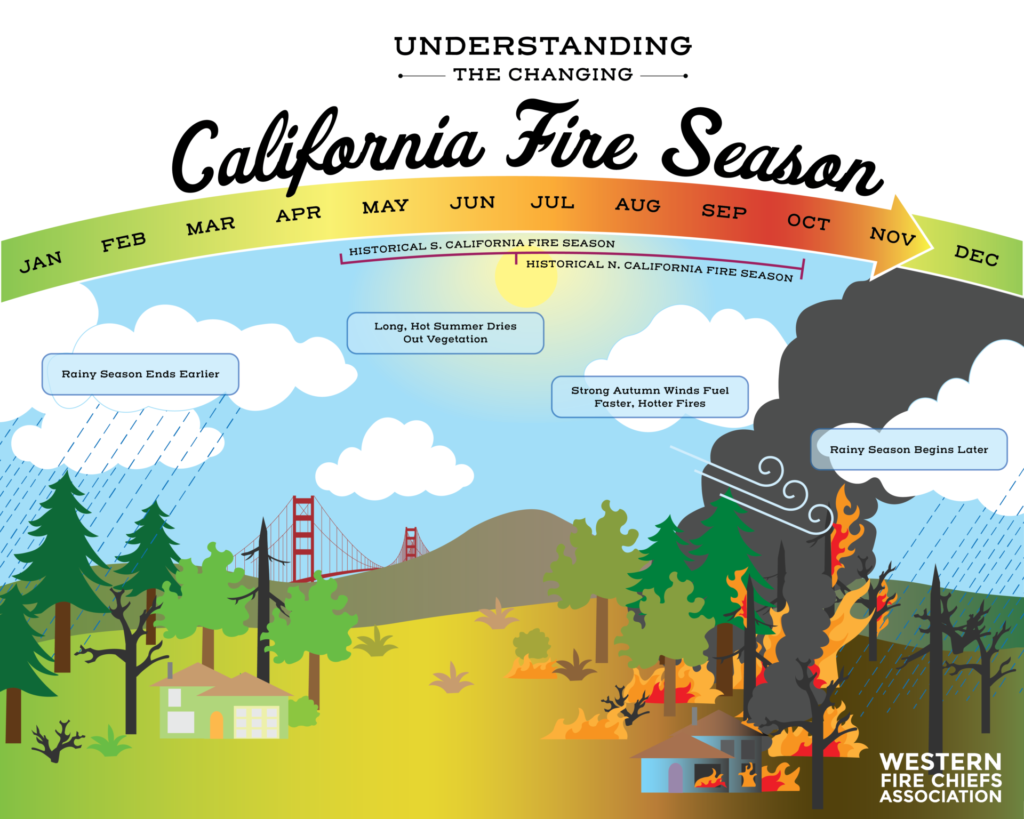
The foundation of California’s wildfire challenge lies in its climatic conditions. The state is characterized by a Mediterranean climate, with dry, hot summers and mild, wet winters. This natural pattern, however, has been exacerbated by broader climatic shifts and specific weather phenomena that create an environment ripe for ignition and rapid fire spread.
Prolonged Drought and Fuel Accumulation
California has experienced several periods of severe drought in recent decades. Extended periods without significant rainfall lead to a dramatic reduction in soil moisture and the desiccation of vegetation. This dried-out plant matter, from grasses and shrubs to the towering redwood trees and chaparral, becomes highly flammable fuel. During these drought cycles, the accumulation of dead and dying vegetation creates vast quantities of tinder that can ignite with the slightest spark. The longer a drought persists, the more extreme the fuel conditions become, increasing the potential intensity and speed of any ensuing fire. This is particularly evident in areas that have not experienced natural fire cycles for extended periods, leading to an overabundance of fuel.
Extreme Heat and Low Humidity
Global climate change is contributing to rising average temperatures across California. More frequent and intense heatwaves dry out vegetation even further, making it more susceptible to ignition. Low relative humidity, often associated with these heatwaves and dry Santa Ana winds, acts as a catalyst, drawing moisture from plants and further increasing their flammability. The combination of high temperatures, low humidity, and dry fuels creates a dangerous trifecta that can transform small, manageable fires into uncontrollable infernos within a matter of hours.
Wind Events
Powerful wind events, such as the notorious Santa Ana winds in Southern California and the Diablo winds in Northern California, play a critical role in exacerbating wildfire behavior. These strong, dry winds can rapidly propel flames, jump natural barriers like roads and firebreaks, and carry embers miles ahead of the main fire front, igniting new fires in unburned areas. The erratic nature of these winds makes firefighting efforts incredibly challenging, often forcing evacuations and dictating the direction and speed of fire spread. The intensity of these wind events can also be influenced by broader weather patterns, including the presence of high-pressure systems.
Human and Ignition Factors
While environmental conditions set the stage for wildfires, human activities and natural ignitions are the direct sparks that initiate them. The dense population of California and its proximity to wildland areas mean that human-caused ignitions are a significant, and often preventable, contributor to the wildfire problem.
Accidental Ignitions
A substantial percentage of wildfires in California are caused by human negligence. Common accidental ignition sources include:
- Electrical Equipment: Faulty power lines, arcing wires, and malfunctioning electrical infrastructure are frequent culprits, particularly during windy conditions when power lines can sway and come into contact with vegetation or each other. Utilities like Pacific Gas and Electric (PG&E) have faced extensive scrutiny and litigation regarding their role in igniting fires.
- Campfires and Debris Burning: Unattended campfires or improperly extinguished embers from controlled burns can easily escape and spread, especially in dry, windy conditions.
- Vehicles: Sparks from vehicle exhaust systems, dragging chains, or catalytic converters can ignite dry grass along roadsides.
- Fireworks and Arson: The illegal use of fireworks during dry periods poses a significant fire risk. Arson, though less common than accidental ignitions, also contributes to the wildfire problem.
- Machinery and Equipment: Sparks from logging operations, construction equipment, or even lawnmowers can ignite dry vegetation.
Natural Ignitions
While less frequent than human-caused ignitions, natural events can also spark wildfires.
- Lightning: Lightning strikes, particularly “dry lightning” (where lightning occurs without accompanying rain), are a natural ignition source. These strikes can occur in remote, inaccessible areas, making them difficult to detect and combat in their early stages. The Sierra Nevada mountain range, for instance, is susceptible to lightning-induced fires during summer thunderstorms.
Historical Land Management Practices
The way land has been managed, or mismanaged, over decades also plays a crucial role in the intensity and spread of California’s wildfires. The suppression of natural fire cycles has, ironically, led to more dangerous fire conditions.
Fire Suppression Policies
For much of the 20th century, the prevailing strategy for wildfire management was aggressive fire suppression. The goal was to extinguish all fires as quickly as possible. While this policy aimed to protect lives and property, it disrupted the natural ecological role of fire in many of California’s ecosystems. Many plant species in California are adapted to fire, and natural fire cycles help to clear out dead vegetation, promote new growth, and maintain ecosystem health. By preventing these natural fires, decades of accumulated fuel have built up in forests and shrublands, creating a much larger and more intense fuel load than would have existed under natural conditions.
Forest Thinning and Prescribed Burns
In response to the increasing severity of wildfires, there is a growing recognition of the need for proactive land management. This includes:
- Forest Thinning: Mechanically removing excess trees and undergrowth can reduce fuel density in forests, making them less susceptible to catastrophic fires. This is a labor-intensive and often controversial practice due to its cost and potential environmental impacts.
- Prescribed Burns: Carefully planned and executed controlled burns, under specific weather conditions, are used to reduce fuel loads in a more natural and ecologically beneficial way. These burns mimic natural fire cycles and can help restore ecosystem health. However, prescribed burns require precise weather conditions and can be challenging to implement safely in populated areas.
The Growing Threat to Homes and Infrastructure
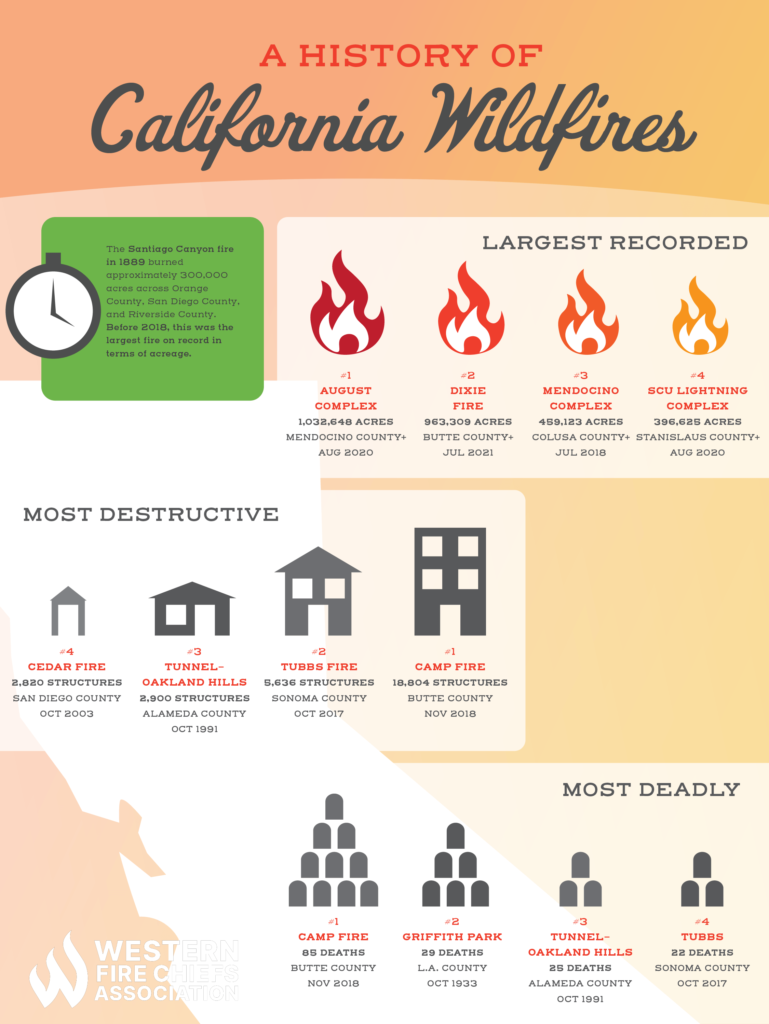
The combination of these factors—climate change, drought, wind, and fuel accumulation—has led to an escalating trend of larger, more intense, and more destructive wildfires. This has profound implications for the state’s residents and its vital tourism industry.
Wildland-Urban Interface (WUI) Expansion
A significant contributing factor to the devastating impact of these fires is the increasing development in the Wildland-Urban Interface (WUI). This is the area where human development encroaches upon or is adjacent to wildland vegetation. As more homes and communities are built in fire-prone areas, the risk of structures being destroyed by wildfires increases dramatically. Evacuations become more complex, and the emotional and economic toll on residents is immense. Towns like Paradise in Butte County have been tragically impacted by this phenomenon.

Impact on Tourism and Recreation
The smoke from large wildfires can travel hundreds of miles, impacting air quality across vast regions and deterring visitors. Popular destinations, including national parks like Yosemite and Sequoia & Kings Canyon National Parks, or coastal cities near fire-prone areas, can experience significant drops in tourism revenue when fires rage. Road closures, evacuations, and the general perception of danger can lead to cancellations and a reluctance to visit. Moreover, the long-term damage to natural landscapes, including iconic forests and coastal scrub, can alter the very appeal that draws visitors to California in the first place, affecting everything from hiking trails to scenic drives. The health of these natural attractions is intrinsically linked to the state’s appeal as a tourist destination.
LifeOutOfTheBox is a participant in the Amazon Services LLC Associates Program, an affiliate advertising program designed to provide a means for sites to earn advertising fees by advertising and linking to Amazon.com. Amazon, the Amazon logo, AmazonSupply, and the AmazonSupply logo are trademarks of Amazon.com, Inc. or its affiliates. As an Amazon Associate we earn affiliate commissions from qualifying purchases.