
Colorado, often hailed as the “Centennial State,” offers an unparalleled diversity of landscapes, from the towering peaks of the Rocky Mountains to the expansive high plains and arid canyonlands. This geographical variety directly translates into a climate that is as dynamic and captivating as the state itself, presenting a unique set of considerations for every visitor. Understanding Colorado’s climate is not merely an academic exercise; it’s an essential prerequisite for any traveler planning to immerse themselves in the state’s vibrant tourism offerings. From packing the right gear to timing your adventure for optimal conditions, the weather plays a pivotal role in shaping your Colorado experience.
Understanding Colorado’s Diverse Climates
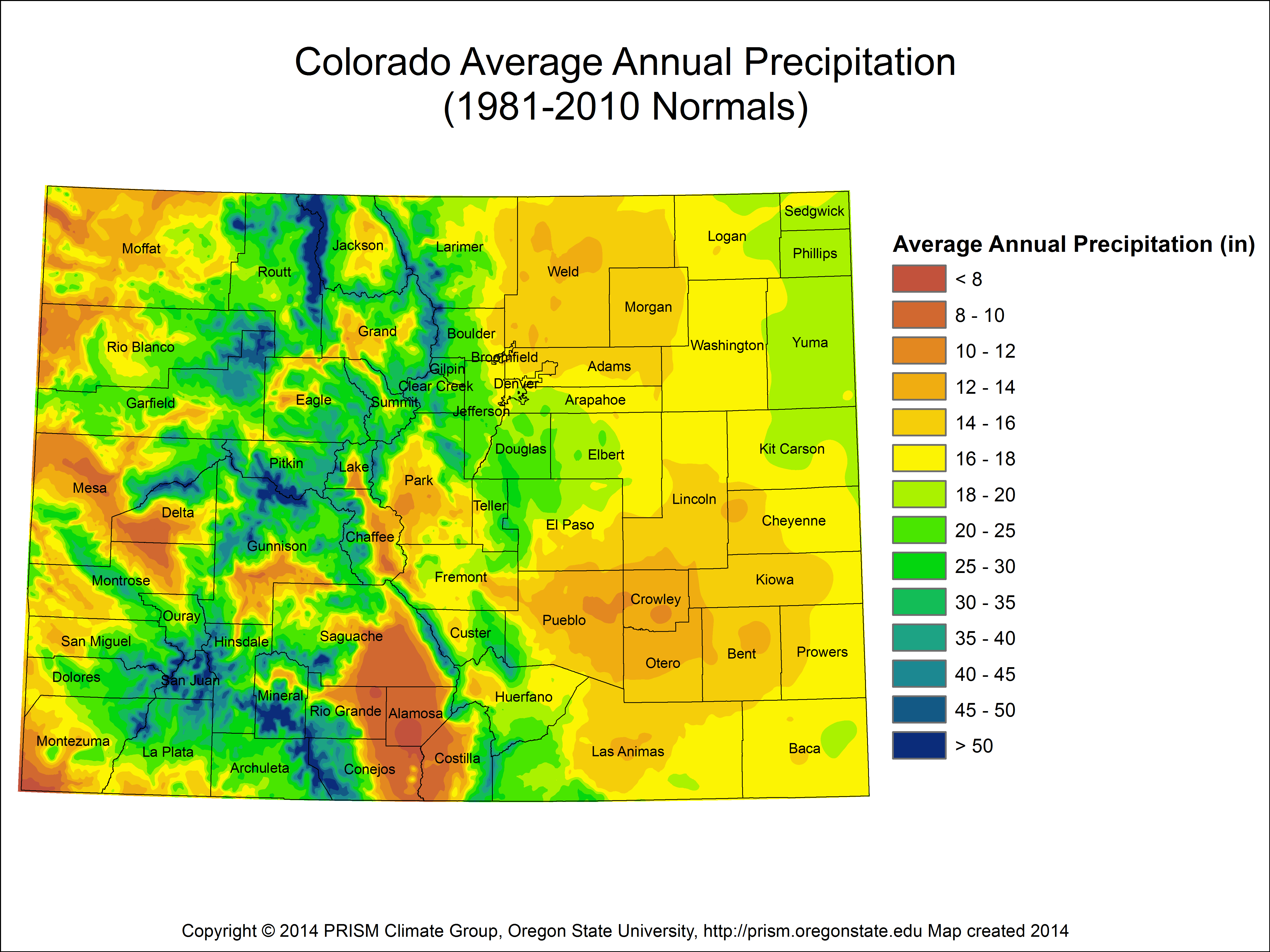
The notion of a single “climate” for Colorado is a simplification that belies the complex meteorological tapestry woven across its vast expanse. The state experiences a semi-arid continental climate overall, characterized by low humidity, abundant sunshine, and distinct seasonal changes. However, this broad classification is dramatically altered by two primary factors: altitude and topography.
The Influence of Altitude and Topography
Altitude is arguably the most significant determinant of weather patterns in Colorado. As elevation increases, temperatures generally decrease, and precipitation tends to rise, often falling as snow. The state boasts more than 50 peaks exceeding 14,000 feet, and countless more over 10,000 feet. This dramatic vertical relief means that while you might be basking in warm sunshine on the plains, a blizzard could be raging just a few hours’ drive away in the high country. The Continental Divide, a major geological feature, further shapes the climate by influencing air currents and moisture distribution, creating a rain shadow effect that makes the eastern plains relatively drier than the western slopes of the mountains.
Distinct Regional Climates: Mountains vs. Plains
Colorado can broadly be divided into several climatic regions, each offering a distinct experience for tourists.
-
The Eastern Plains: Stretching eastward from the Front Range of the Rocky Mountains, this region, including cities like Denver at its western edge, experiences a semi-arid climate with hot summers, cold winters, and moderate precipitation. Expect bright, sunny days, dramatic thunderstorms in summer, and occasional heavy snowfalls in winter, often followed by rapid melting due to the abundant sunshine. Wind is a more consistent factor here.
-
The Front Range Urban Corridor: This narrow band, home to most of Colorado’s population, sees weather influenced by both the plains and the nearby mountains. It enjoys over 300 days of sunshine annually. Winters are generally mild with intermittent snow, and summers are warm but rarely oppressive, thanks to the elevation. This region is famous for its “Chinook” winds, which can bring surprisingly warm spells in winter.
-
The Rocky Mountains: From the lower foothills to the high alpine tundra, this region features significantly colder temperatures and much higher snowfall. Summers are cool and pleasant, ideal for hiking, while winters are long, cold, and snow-laden, making it a paradise for ski enthusiasts. Mountain towns like Aspen, Vail, and Telluride are synonymous with this climate.
-
The Western Slope: West of the Continental Divide, this region, including areas around Grand Junction, tends to be drier and milder, with more extreme temperature swings. It often receives less snow than the eastern slopes due to the rain shadow. Summers can be very hot and dry in the lower elevations, resembling a desert climate, while the higher mesas and plateaus offer cooler temperatures.
Seasonal Climate Variations for Tourists
Each season in Colorado offers a distinct climatic profile and a corresponding array of tourist activities. Choosing the best time to visit often depends on your preferred experience.
Summer’s Sunny Peaks and Mountain Retreats
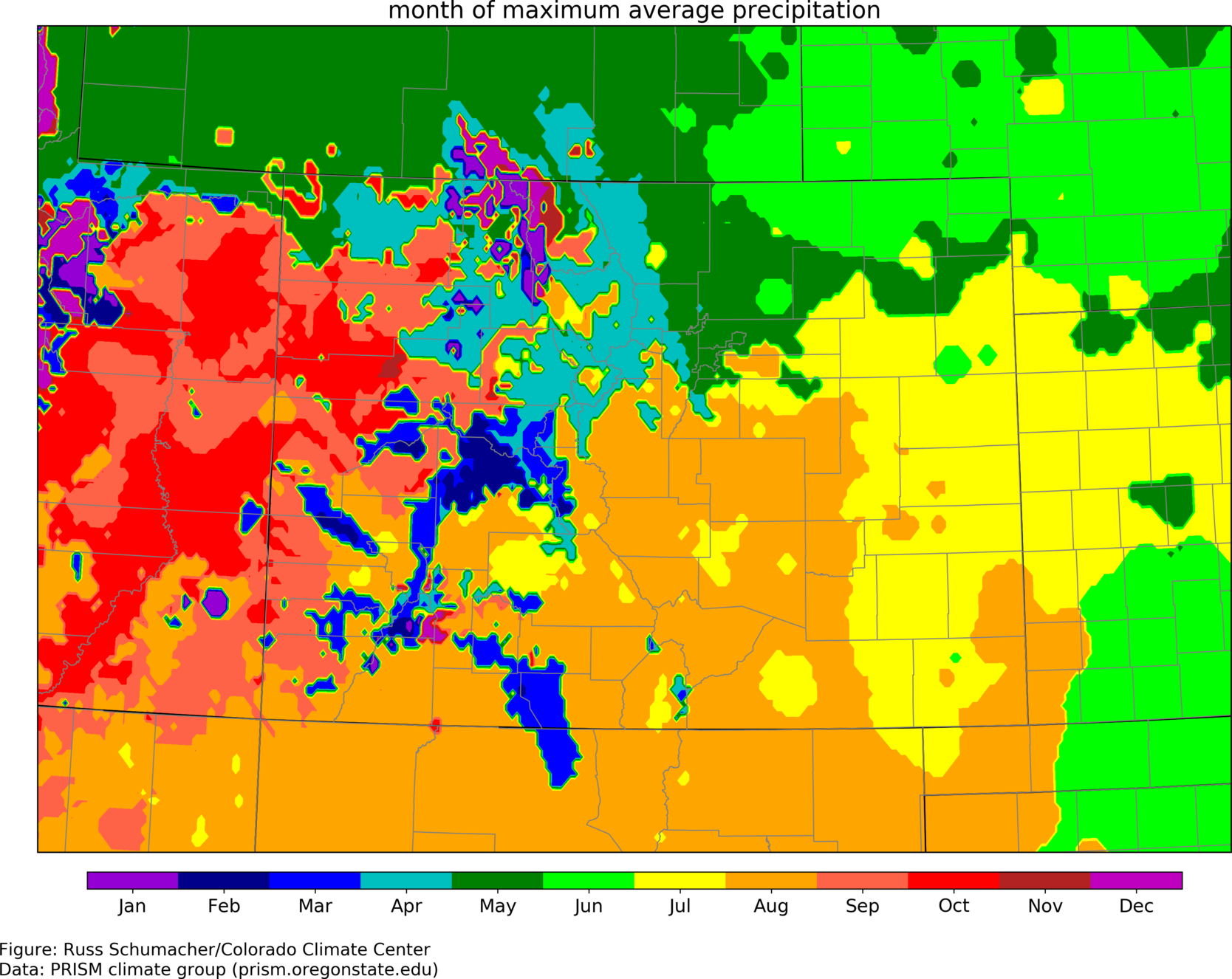
Summer, typically from June through August, is Colorado’s peak tourist season, and for good reason. Temperatures on the plains average in the 80s°F (27-32°C), while mountain towns enjoy pleasant 70s°F (21-26°C) days and cool nights. This is the ideal time for hiking, mountain biking, white-water rafting, and exploring Colorado’s numerous national parks like Great Sand Dunes National Park or Mesa Verde National Park. Be prepared for afternoon thunderstorms, particularly in the mountains, which can be brief but intense. High-altitude sunshine is potent, so sun protection is paramount.
Autumn’s Golden Hues and Crisp Air
September and October usher in a spectacularly beautiful season, characterized by crisp air, sunny days, and the breathtaking transformation of aspen trees to brilliant gold. Daytime temperatures are comfortably cool, ranging from the 50s to 70s°F (10-21°C), with nights growing progressively colder. This period is perfect for scenic drives, photography, and hiking amidst the fall foliage. While early autumn can feel like an extension of summer, late October can bring the first significant snowfalls to the high country, hinting at the winter to come. Tourists visiting during this time should pack layers, as temperatures can fluctuate widely even within a single day.
Winter Wonderland: Snow Sports and Cozy Escapes
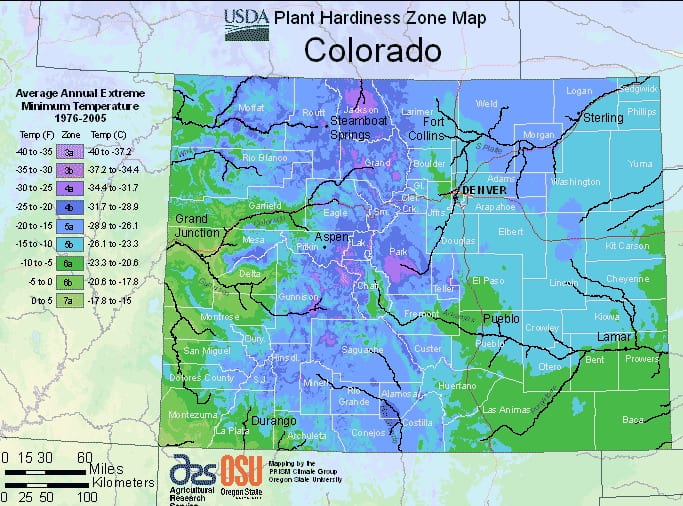
From November to April, Colorado transforms into a winter wonderland, particularly in the mountains. Average temperatures in the high country hover around the 20s and 30s°F (-6 to -1°C), with frequent snowfall providing excellent conditions for skiing, snowboarding, and other winter sports. Even on the plains, temperatures can drop below freezing, but sunny days are common, melting snow relatively quickly. Winter tourism is huge, with many flocking to world-class resorts. Visitors should be prepared for cold temperatures, significant snow accumulation, and potential road closures in mountain passes, especially during and immediately after snowstorms.
Spring’s Unpredictable Charm and Awakening Landscapes
Spring (April and May) in Colorado is famously unpredictable. It’s a transitional season where you might experience all four seasons in a single day. The plains start to warm, with temperatures ranging from the 40s to 60s°F (4-16°C), but late-season snowstorms are not uncommon. In the mountains, it’s often still prime skiing season well into April, though the snow begins to melt, leading to muddy trails at lower elevations and roaring rivers. For tourists, spring offers shoulder-season advantages with fewer crowds and lower prices, but requires extreme flexibility in planning and a wardrobe ready for anything. It’s an excellent time for those who enjoy the quiet before the summer rush or don’t mind a mix of spring skiing and early-season hiking.
Navigating Colorado’s Weather: Tips for Visitors
Understanding the general climate is one thing; preparing for it is another. Colorado’s unique meteorological conditions demand thoughtful preparation from every visitor.
Packing Essentials for Multi-Climate Travel
Due to the significant variations in altitude and the potential for rapid weather changes, layering is the golden rule for packing in Colorado. Even in summer, mountain evenings can be chilly, and afternoon thunderstorms necessitate rain gear. In winter, thermal base layers, waterproof outer shells, and insulated clothing are crucial. No matter the season, comfortable, sturdy walking shoes or hiking boots are a must. Always bring sunglasses and a hat, as the sun’s intensity is consistently high.
Hydration and Sun Protection at High Altitudes
One of the most overlooked aspects of Colorado’s climate is the effect of its high altitude. The air is thinner and drier, which can lead to dehydration and increased susceptibility to sunburn. It is vital for tourists to drink plenty of water, even if they don’t feel particularly thirsty, especially during active pursuits. Sunscreen with a high SPF, lip balm with UV protection, and sunglasses are non-negotiable, as the sun’s rays are much stronger at elevations where there’s less atmosphere to filter them. Acclimatization to altitude can take a day or two, so taking it easy upon arrival is a wise strategy.
Embracing Weather Changes: Flexibility is Key
Colorado weather is notorious for its unpredictability. A bright, sunny morning can quickly give way to an afternoon downpour or snow flurry, especially in the mountains. The best approach for tourists is to remain flexible with their plans. Have backup indoor activities in mind, especially during summer afternoons when thunderstorms are common. Check local forecasts frequently, but also be prepared to adapt if conditions change unexpectedly. This adaptability ensures a smoother, more enjoyable trip, regardless of what Mother Nature decides to throw your way.
Climate’s Impact on Tourist Activities and Experiences
The diverse climate of Colorado is not just a backdrop; it is an active participant in shaping the array of tourist activities and experiences available throughout the year.
Outdoor Adventures: From Skiing to Hiking
Colorado’s climate dictates its status as a world-renowned outdoor adventure hub. Winter’s abundant snow draws millions for skiing, snowboarding, and snowshoeing. The state’s ski resorts are a testament to the consistent, high-quality snowfall that defines the mountain winter. Come summer, the same mountains, now free of snow, become a haven for hikers, rock climbers, mountain bikers, and anglers. The temperate climate of spring and fall, albeit unpredictable, offers shoulder-season enthusiasts opportunities for both late-season skiing and early-season hiking, often with fewer crowds. Even the high plains offer unique experiences, from exploring vast grasslands to stargazing under clear, unpolluted skies.
Cultural Events and Seasonal Festivals
Many of Colorado’s cultural events and festivals are intrinsically linked to its seasons and climate. Summer sees an explosion of outdoor music festivals, art fairs, and farmers’ markets, capitalizing on the warm, sunny weather. Autumn brings harvest festivals, apple picking, and celebrations of fall foliage. Winter is dominated by ski resort events, ice sculpting festivals, and holiday light displays. Even the state’s vibrant culinary scene adapts, with farm-to-table restaurants highlighting seasonal produce in warmer months and cozy, hearty fare dominating winter menus, often paired with Colorado’s acclaimed craft beers and wines.
Culinary Experiences Shaped by the Seasons
The climate also subtly influences Colorado’s culinary landscape. Summer and early fall yield bountiful harvests from local farms, allowing restaurants to feature fresh, seasonal ingredients. Think farmers’ market visits, al fresco dining, and the sweetness of Palisade peaches. As temperatures drop, menus shift towards more comforting, robust dishes, ideal after a day on the slopes or a brisk hike. The state’s growing viticulture and craft brewing scenes also adapt, producing lighter, crisp beverages for summer and richer, darker brews for winter, perfectly complementing the seasonal climate.
In conclusion, the climate in Colorado is a defining feature that shapes every aspect of a visitor’s experience. Its remarkable diversity, driven by altitude and topography, ensures that no two trips are ever quite the same. By understanding the regional variations and seasonal nuances, tourists can plan intelligently, pack appropriately, and ultimately unlock the full potential of this magnificent and climatically dynamic state. Whether you seek the powdery slopes of winter, the vibrant trails of summer, or the golden tranquility of autumn, Colorado’s climate promises an unforgettable adventure for the well-prepared traveler.
LifeOutOfTheBox is a participant in the Amazon Services LLC Associates Program, an affiliate advertising program designed to provide a means for sites to earn advertising fees by advertising and linking to Amazon.com. Amazon, the Amazon logo, AmazonSupply, and the AmazonSupply logo are trademarks of Amazon.com, Inc. or its affiliates. As an Amazon Associate we earn affiliate commissions from qualifying purchases.