
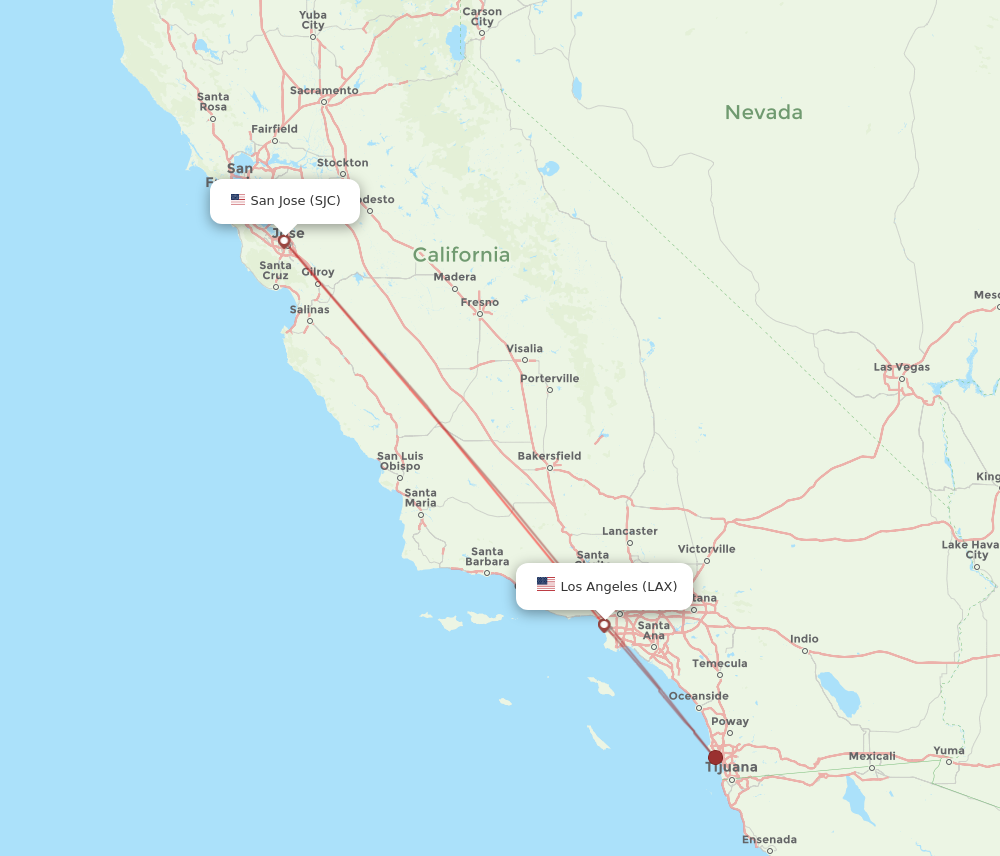
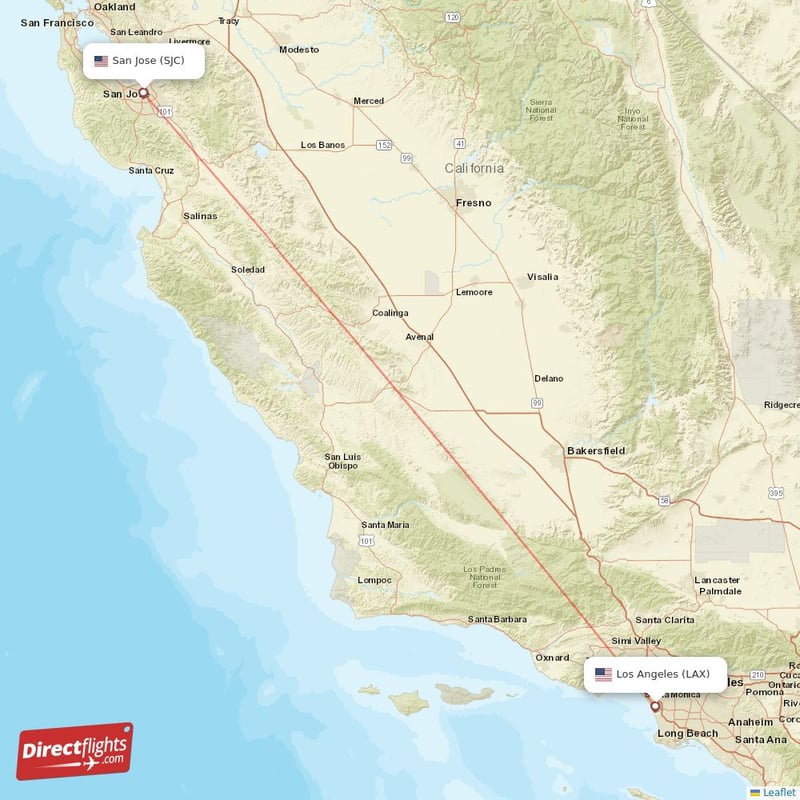
The journey between San Jose and Los Angeles is a classic California expedition that traverses the heart of the Golden State. Whether you are a business traveler moving between the tech hubs of Silicon Valley and the entertainment capital of the world, or a tourist seeking the ultimate West Coast road trip, understanding the distance and the diverse routes available is essential. Geographically, the straight-line distance between these two major metropolitan areas is approximately 306 miles. However, the actual travel distance varies significantly depending on your chosen mode of transport and the specific path you take through the diverse landscapes of the Pacific Coast.
Navigating the Asphalt: Driving Routes and Durations
For many travelers, the drive from Northern California to Southern California is a rite of passage. The distance by car typically ranges from 340 to 390 miles, depending on whether you prioritize speed or scenery.
The Fast Track: Interstate 5
The most direct and commonly used route is via Interstate 5. This highway cuts through the Central Valley, offering a straightforward, though often monotonous, driving experience. From San Jose, travelers usually take Highway 101 south to Highway 152, crossing the Pacheco Pass to join the I-5.
On this route, the distance is roughly 340 miles, and the drive typically takes between five and six hours. However, this is heavily dependent on traffic conditions, particularly when exiting the Santa Clara Valley and entering the Los Angeles Basin. The I-5 journey takes you past vast agricultural fields, the San Luis Reservoir, and through the rugged Tejon Pass, commonly known as The Grapevine.
The Scenic Odyssey: Highway 101 and the Pacific Coast Highway
For those who believe the journey is just as important as the destination, U.S. Route 101 offers a more picturesque alternative. This route is slightly longer, covering about 350 to 370 miles, and usually requires seven to eight hours of driving time. It winds through the Salinas Valley, the rolling hills of Paso Robles, and the coastal beauty of San Luis Obispo.
If you wish to extend the trip into a multi-day adventure, you can transition onto State Route 1, also known as the Pacific Coast Highway. This route adds significant mileage and time but rewards travelers with breathtaking views of the Pacific Ocean, the cliffs of Big Sur, and the charm of Monterey.
The Inland Alternative: Highway 99
A third, less frequent option involves Highway 99. While similar in direction to the I-5, this highway runs through the major city centers of the San Joaquin Valley. Travelers might choose this route if they have business or interest in cities like Fresno or Bakersfield. It is generally slower due to more frequent exits and higher local traffic, but it provides a closer look at the backbone of California agriculture.
Taking to the Skies: Air Travel Between Hubs
If time is of the essence, flying is undoubtedly the most efficient way to bridge the gap. The flight time between San Jose Mineta International Airport and the various airports in the Greater Los Angeles Area is usually around one hour and fifteen minutes.
Choosing Your Arrival Point
Los Angeles is served by several major airports, and your choice can drastically affect your total travel time. Los Angeles International Airport, commonly known as LAX, is the primary gateway and offers the highest frequency of flights. Carriers like Southwest Airlines, Alaska Airlines, and Delta Air Lines operate regular shuttles between SJC and LAX.
However, savvy travelers often look toward regional alternatives to avoid the congestion of LAX. Hollywood Burbank Airport is a favorite for those heading to Hollywood or the San Fernando Valley. Long Beach Airport and John Wayne Airport in Orange County are also viable options depending on your final destination in the sprawling southern metropolis.
The Total Travel Time Consideration
While the flight itself is short, one must account for the time spent traveling to San Jose Mineta International Airport, security screenings, and the commute from the arrival airport to the final destination. In total, air travel usually takes about three to four hours from door to door, making it nearly twice as fast as driving, provided there are no major aviation delays.
The Steel Path: Rail and Bus Options
For those who prefer to sit back and enjoy the scenery without the stress of driving or the hassle of airport security, California offers several public transit alternatives.
The Coast Starlight Experience
Amtrak operates the legendary Coast Starlight train, which runs daily between Seattle and Los Angeles, with a major stop at the San Jose Diridon Station. This is widely considered one of the most beautiful train rides in North America.
The train journey takes approximately ten hours. While this is the slowest method of travel, it offers an unparalleled perspective of the California coast that is inaccessible by car. Passengers can enjoy the sight of the Santa Ynez Mountains meeting the sea and the pristine beaches of Vandenberg Space Force Base. The Observation Car with its floor-to-ceiling windows is the perfect place to soak in the views of Santa Barbara and the Gaviota Coast.
Bus Services: Budget and Luxury
Several bus companies provide service between the two cities. Standard carriers like Greyhound and FlixBus offer budget-friendly tickets, with travel times ranging from seven to nine hours. These services typically depart from downtown San Jose and arrive at the Los Angeles Union Station.
For a more premium experience, companies like Cabin (a “moving hotel” with sleeping berths) have occasionally operated on this route, though their schedules vary. Luxury motorcoaches often feature reclining seats, Wi-Fi, and power outlets, catering to professionals who wish to remain productive while in transit.
Essential Stopovers and Regional Highlights
Regardless of how you choose to cover the distance, the corridor between San Jose and Los Angeles is dotted with iconic landmarks and cultural touchstones that are worth a visit.
Coastal Gems and Historical Sites
If you are traveling via the Highway 101 corridor, a stop in Solvang is highly recommended. This Danish-themed village in the Santa Ynez Valley offers unique architecture and world-class bakeries. Further south, the city of Santa Barbara, often called the “American Riviera,” provides stunning Spanish Colonial architecture and the historic Old Mission Santa Barbara.
For history buffs and architecture enthusiasts, a detour to Hearst Castle in San Simeon is a must. This opulent estate, built by newspaper tycoon William Randolph Hearst, sits high above the coast and offers a glimpse into the lavish lifestyle of the early 20th century.
Natural Wonders and Outdoor Activities
Nature lovers will find plenty to explore along the route. Near Pismo Beach, travelers can witness the impressive Monarch Butterfly Grove or explore the Oceano Dunes State Vehicular Recreation Area. If you take the inland route, the proximity to Pinnacles National Park offers a chance to see unique rock formations and the rare California Condor.
As you approach Los Angeles, the Santa Monica Mountains provide numerous hiking trails with panoramic views of the city and the ocean. Points of interest like Point Mugu State Park and Malibu offer world-famous beaches that serve as a perfect introduction to the Southern California lifestyle.
Planning Your Journey: Tips for a Smooth Trip
When determining how far San Jose is from Los Angeles, the clock is often more important than the odometer.
Managing California Traffic
Traffic is the single most significant factor in travel time. If driving, it is wise to avoid leaving San Jose during the morning rush hour (7:00 AM – 10:00 AM) or arriving in Los Angeles during the afternoon rush (3:00 PM – 7:00 PM). Weekend travel, particularly on Sunday afternoons, can also result in significant delays on both the I-5 and Highway 101.
Weather and Road Conditions
While California is known for its sunshine, weather can impact the trip. In the winter months, The Grapevine on I-5 can occasionally close due to snow or ice. Coastal routes can experience heavy fog, particularly in the Monterey Bay and Ventura areas. Always check the Caltrans website for real-time road conditions and closures before heading out.
Fueling and Charging
For those driving electric vehicles, the corridor between San Jose and Los Angeles is one of the best-equipped in the nation. Tesla Superchargers and Electrify America stations are abundant along the I-5 at major stops like Kettleman City and Tejon Ranch. If driving a traditional internal combustion engine vehicle, it is worth noting that fuel prices can be significantly higher in remote coastal areas compared to the larger cities or the Central Valley.
The distance between San Jose and Los Angeles represents more than just a span of miles; it is a transition between two distinct versions of the California dream. Whether you fly over the mountains in an hour or spend a week meandering down the coastline, the journey connects the innovation of the north with the iconic glamour of the south, making it one of the most vibrant travel corridors in the United States.
LifeOutOfTheBox is a participant in the Amazon Services LLC Associates Program, an affiliate advertising program designed to provide a means for sites to earn advertising fees by advertising and linking to Amazon.com. Amazon, the Amazon logo, AmazonSupply, and the AmazonSupply logo are trademarks of Amazon.com, Inc. or its affiliates. As an Amazon Associate we earn affiliate commissions from qualifying purchases.