
Florida, often hailed as the “Sunshine State,” lives up to its moniker with a climate that draws millions of visitors year-round. Its unique geographical position, bordered by the Atlantic Ocean to the east and the Gulf of Mexico to the west, profoundly influences its weather patterns, making it a destination synonymous with warmth, sunshine, and a tropical allure. Understanding Florida’s climate is key to planning the perfect trip, whether you’re dreaming of languid beach days, exploring vibrant theme parks, or soaking in the rich local culture. This guide delves into the distinct climatic features of Florida, helping you make the most of your adventures in this captivating state.
The Pillars of Florida’s Climate: Sunshine, Humidity, and Seasons
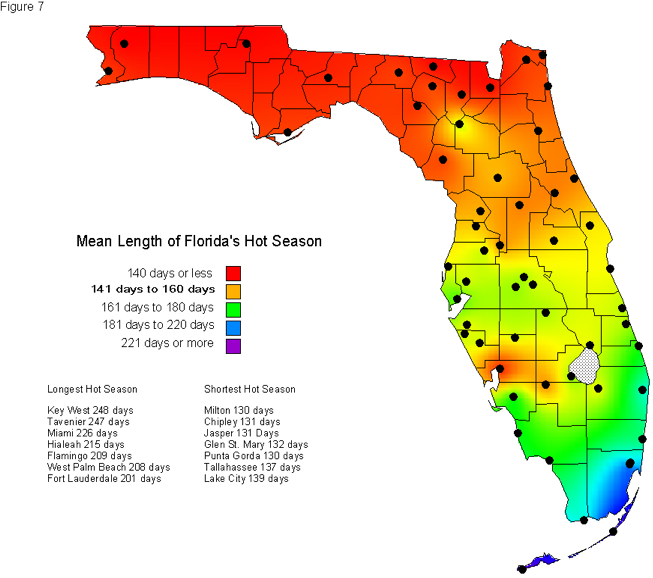
At its core, Florida’s climate is characterized by abundant sunshine, high humidity, and distinct, albeit mild, seasonal changes. The state experiences a subtropical to tropical climate, with variations as you move from north to south. Generally, Florida is known for its warm temperatures throughout the year, but it’s the interplay of sunshine, humidity, and the presence of a hurricane season that truly defines its weather tapestry.
Sunshine State Indeed: Year-Round Sun
Florida boasts an impressive average of over 230 sunny days per year, making it a haven for those seeking to escape overcast skies. This constant sunshine is a major draw for tourists and a defining feature for residents. From the iconic beaches of Miami Beach to the family-friendly attractions of Orlando, the sun plays a central role in the Florida experience. This reliable sunshine facilitates outdoor activities, from lounging on the pristine sands of the Florida Keys to exploring the natural beauty of the Everglades. The consistent daylight hours also contribute to the state’s vibrant tourism industry, ensuring that outdoor adventures are almost always on the table. Even during the wetter months, sunshine often breaks through the clouds, offering a refreshing respite.
The Humidity Factor: A Tropical Embrace
While sunshine is abundant, so is humidity. Florida’s proximity to large bodies of water means that moisture is almost always present in the air, especially during the warmer months. This high humidity can make the temperatures feel even hotter, creating that distinct “tropical” feel. For visitors, this means packing lightweight, breathable clothing is essential. Hydration is also crucial, especially when engaging in outdoor activities like exploring the historic streets of St. Augustine or visiting attractions like Walt Disney World. While humidity can be noticeable, it’s also what fuels the lush vegetation and contributes to the state’s tropical paradise image. Many hotels and resorts in Tampa and Fort Lauderdale are equipped with advanced air conditioning systems to ensure comfortable indoor environments, offering a welcome escape from the outside humidity.
Navigating Florida’s Seasons: A Gentle Transition
Unlike regions with harsh winters, Florida experiences more subtle seasonal shifts. The primary distinction lies between the wet season and the dry season, with temperature variations also playing a role.
The Summer Season (June – August): Warm, Wet, and Thunderous
Summer in Florida is synonymous with heat, humidity, and frequent afternoon thunderstorms. Temperatures typically range from the mid-80s to the low 90s Fahrenheit (around 29-33°C), with the heat index often soaring higher due to the high humidity. These afternoon showers are a characteristic feature of Florida summers. They often start abruptly, bringing heavy rain and sometimes thunder, but typically dissipate as quickly as they arrive, leaving behind cooler, fresher air and often, a renewed sunshine. These storms are usually localized and rarely last all day, allowing for continued enjoyment of attractions like Universal Orlando Resort or beach activities in Clearwater Beach. The southern parts of Florida, particularly around Naples and Key West, experience a more tropical climate, with consistently warm temperatures year-round and less pronounced seasonal variations compared to the northern regions.
The Fall Season (September – November): A Welcome Relief
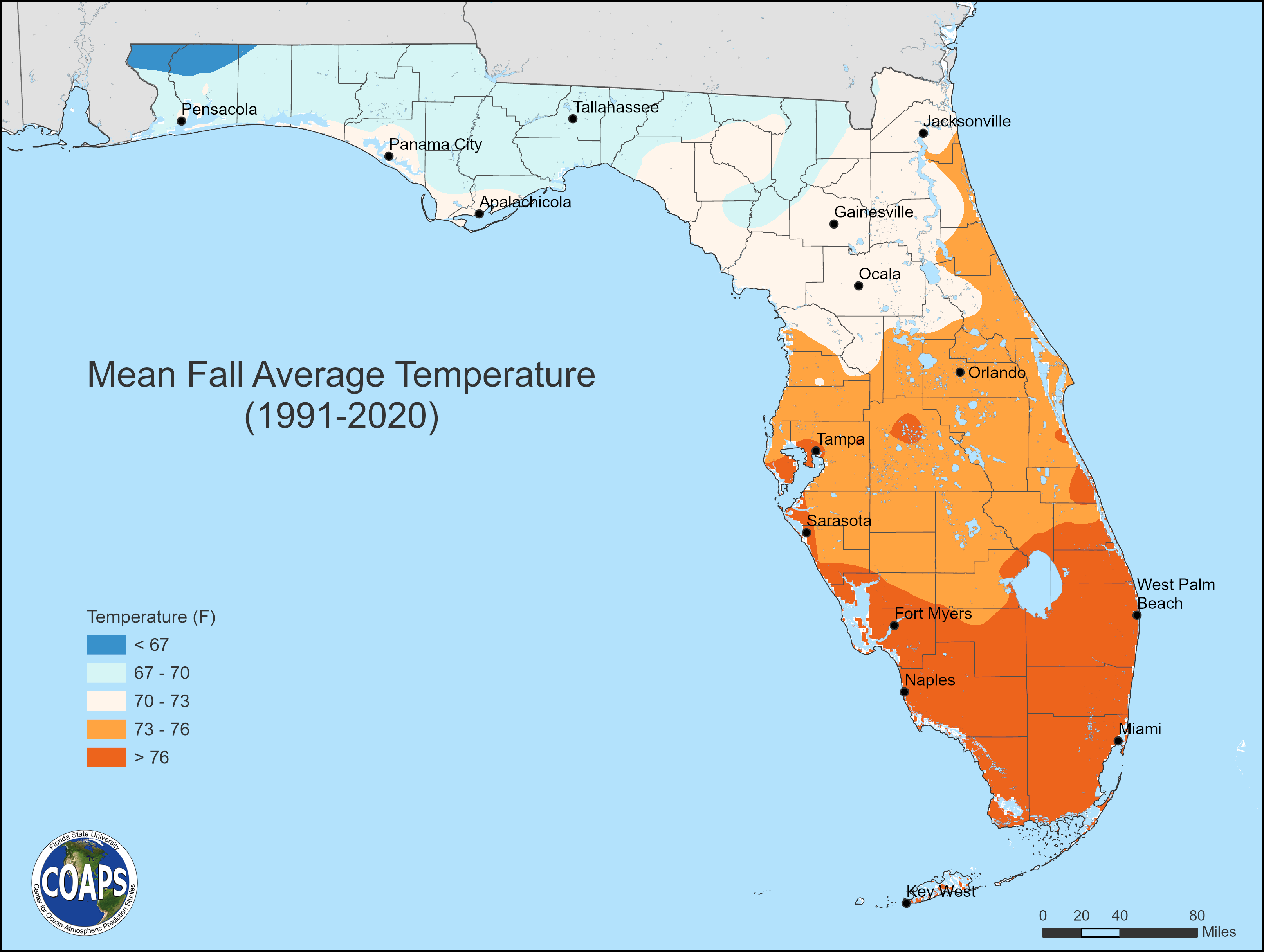
As summer fades, fall brings a welcome respite from the intense heat and humidity. Temperatures begin to cool down, becoming more pleasant, and the frequency of afternoon thunderstorms decreases significantly. This period, especially October and November, is often considered one of the most beautiful times to visit Florida. The skies tend to be clearer, and the air is drier, making it ideal for exploring the state’s natural wonders, such as the Bok Tower Gardens, or enjoying outdoor dining experiences in cities like Jacksonville. The hurricane season technically extends into November, but the risk of significant storm activity generally diminishes as the season progresses.
The Winter Season (December – February): Mild and Sunny
Florida’s winters are remarkably mild, making it a popular winter escape for many. Temperatures in South Florida can hover in the comfortable 70s Fahrenheit (around 21-26°C), while North Florida experiences slightly cooler, though still pleasant, temperatures, often in the 50s and 60s Fahrenheit (around 10-20°C). Freezing temperatures are rare, especially in the southern half of the state. This pleasant winter climate makes it perfect for enjoying outdoor activities, visiting attractions like Busch Gardens Tampa Bay, or exploring the charming towns along the coast. Many snowbirds flock to Florida during these months, seeking refuge from colder climates further north.
The Spring Season (March – May): Warm and Invigorating
Spring in Florida is characterized by warming temperatures and a gradual increase in humidity as the state heads towards summer. March and April often offer beautiful, mild weather, perfect for outdoor adventures. As May approaches, temperatures rise, and the likelihood of afternoon showers increases. This season is ideal for enjoying the beaches before the peak summer crowds arrive and experiencing festivals and events across the state. The diverse range of attractions, from the historical significance of St. Augustine National Historical Park to the modern marvels of Kennedy Space Center Visitor Complex, are all readily accessible and enjoyable under the pleasant spring skies.
Regional Climate Variations Across the Sunshine State
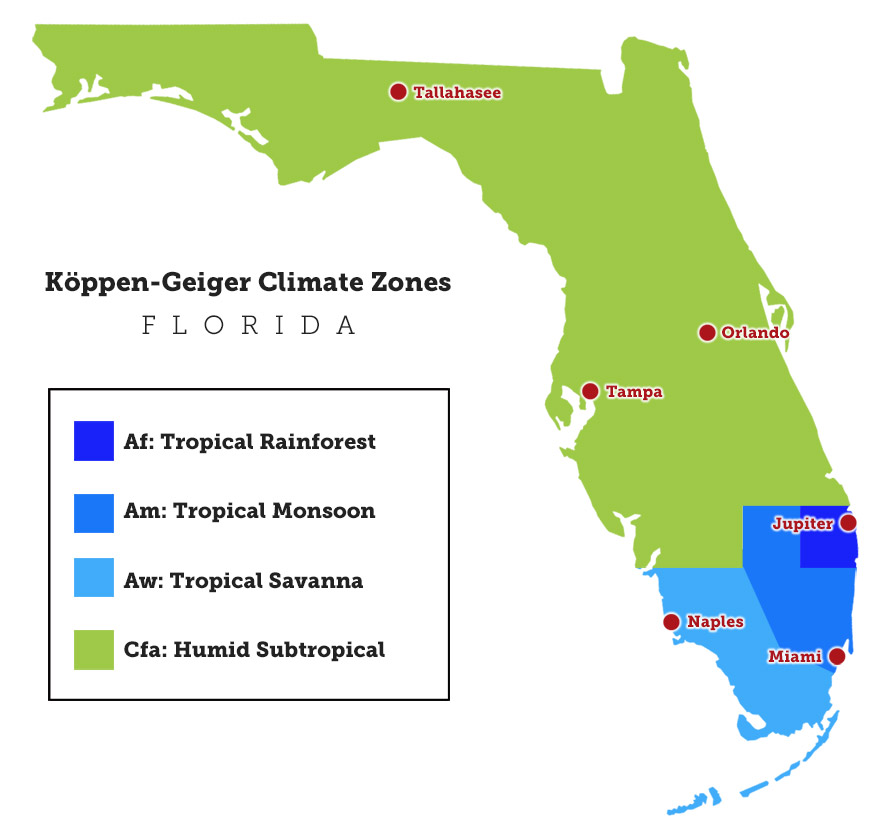
While Florida’s climate is broadly subtropical, there are noticeable variations between its northern, central, and southern regions, each offering a slightly different experience of the Sunshine State.
North Florida: A Touch of Southern Charm
North Florida, encompassing cities like Tallahassee, Jacksonville, and Pensacola, experiences a climate that is more temperate than the rest of the state. Winters here are cooler, with occasional frost and even a slight chance of snow flurries in some years, though significant snowfall is exceptionally rare. Summers are hot and humid, similar to the rest of Florida, but the transitional seasons of spring and fall are particularly pleasant, offering a comfortable balance of warmth and sunshine. The proximity to the Georgia border means a slightly longer autumn and a shorter, less intense summer compared to South Florida.
Central Florida: The Heart of the Theme Park Paradise
Central Florida, home to the world-renowned theme parks of Orlando, experiences a climate that is a true representation of Florida’s subtropical nature. Summers are hot, humid, and prone to afternoon thunderstorms. Winters are mild, with daytime temperatures consistently comfortable, making it a prime destination for families and travelers seeking consistent pleasant weather. The region generally avoids the more extreme temperature fluctuations seen in North Florida, offering a reliable climate for year-round tourism.
South Florida: Tropical Paradise Beckons
South Florida, including the vibrant cities of Miami, Fort Lauderdale, and the Florida Keys, boasts a true tropical climate. Temperatures remain warm to hot throughout the year, with less variation between seasons compared to the rest of the state. Winters are exceptionally mild, often feeling more like a perpetual spring elsewhere. Summers are hot, humid, and wet, with the distinct possibility of tropical storms and hurricanes during the designated season. The Keys, being the southernmost point, experience the most tropical weather, with minimal temperature fluctuations and a constant warm, humid atmosphere. This climate is ideal for those seeking perpetual warmth and a quintessential tropical island experience, with attractions like Vizcaya Museum & Gardens and the bustling nightlife of South Beach being central to its allure.
Planning Your Florida Adventure: Timing is Everything
When planning your visit to Florida, considering the climate can significantly enhance your experience. Each season offers its unique advantages and considerations.
Avoiding the Heat and Humidity: Spring and Fall
For those who prefer milder temperatures and less intense humidity, the spring (March-May) and fall (September-November) seasons are often the best times to visit. These periods offer a comfortable balance of sunshine and pleasant temperatures, ideal for exploring theme parks, visiting historical sites, and enjoying outdoor dining. Early spring and late fall, in particular, can offer some of the most idyllic weather conditions in the state, with fewer crowds and more comfortable exploration opportunities.
Embracing the Heat: Summer Fun
Summer (June-August) is the peak season for many attractions, especially for families on school breaks. While it’s hot and humid, with the potential for afternoon rain, these showers often provide a welcome cool-down. The longer daylight hours also mean more time for activities. Many resorts, like the Ritz-Carlton, Naples, offer expansive pools and indoor activities to provide relief from the heat.
The Winter Escape: Mild and Sunny Days
Winter (December-February) is a popular time for visitors seeking to escape colder climates. The mild temperatures are perfect for enjoying the beaches, golf courses, and outdoor activities without the oppressive heat of summer. This is also a great time for exploring the natural beauty of places like Anclote Key Preserve State Park or enjoying cultural events in cities like Sarasota.
Hurricane Season: Preparedness is Key
Florida’s hurricane season officially runs from June 1st to November 30th, with the peak activity typically occurring between August and October. While not every season brings significant storms, it’s crucial for travelers to be aware of the potential. Many hotels and resorts, such as the Four Seasons Hotel Orlando at Walt Disney World Resort, have robust hurricane preparedness plans and offer flexible booking policies. Staying informed about weather forecasts and heeding any advisories is essential during this period. Despite the risks, many visitors still choose to travel during these months, often finding great deals and fewer crowds, provided they are prepared.
In conclusion, Florida’s climate is a dynamic and inviting aspect of the state, offering a diverse range of experiences throughout the year. Whether you’re drawn to the perpetual warmth of the tropics or the mild comfort of its winters, understanding these climatic nuances will help you curate an unforgettable journey through the Sunshine State, from the bustling streets of Tampa to the tranquil shores of the Gulf Coast.
LifeOutOfTheBox is a participant in the Amazon Services LLC Associates Program, an affiliate advertising program designed to provide a means for sites to earn advertising fees by advertising and linking to Amazon.com. Amazon, the Amazon logo, AmazonSupply, and the AmazonSupply logo are trademarks of Amazon.com, Inc. or its affiliates. As an Amazon Associate we earn affiliate commissions from qualifying purchases.