
Venturing through California, a state synonymous with epic road trips, scenic coastal drives, and exploring vast national parks, understanding the cost of fuel is paramount for any traveler. Unlike many other parts of the United States, the Golden State consistently ranks among the highest for gasoline prices, a factor that significantly impacts travel budgets and planning. From the bustling freeways of Los Angeles to the serene routes of the Napa Valley or the mountain passes leading to Lake Tahoe, fuel expenses are a key consideration for anyone hitting the road.
The Golden State’s Fuel Price Landscape
The elevated cost of gasoline in California is not a simple phenomenon but a confluence of several unique factors. Travelers accustomed to lower prices elsewhere will quickly notice the difference, which can often be a dollar or more per gallon above the national average. This premium is largely attributed to a combination of stringent environmental regulations, higher state and local taxes, specialized fuel blends, and limited refinery capacity.

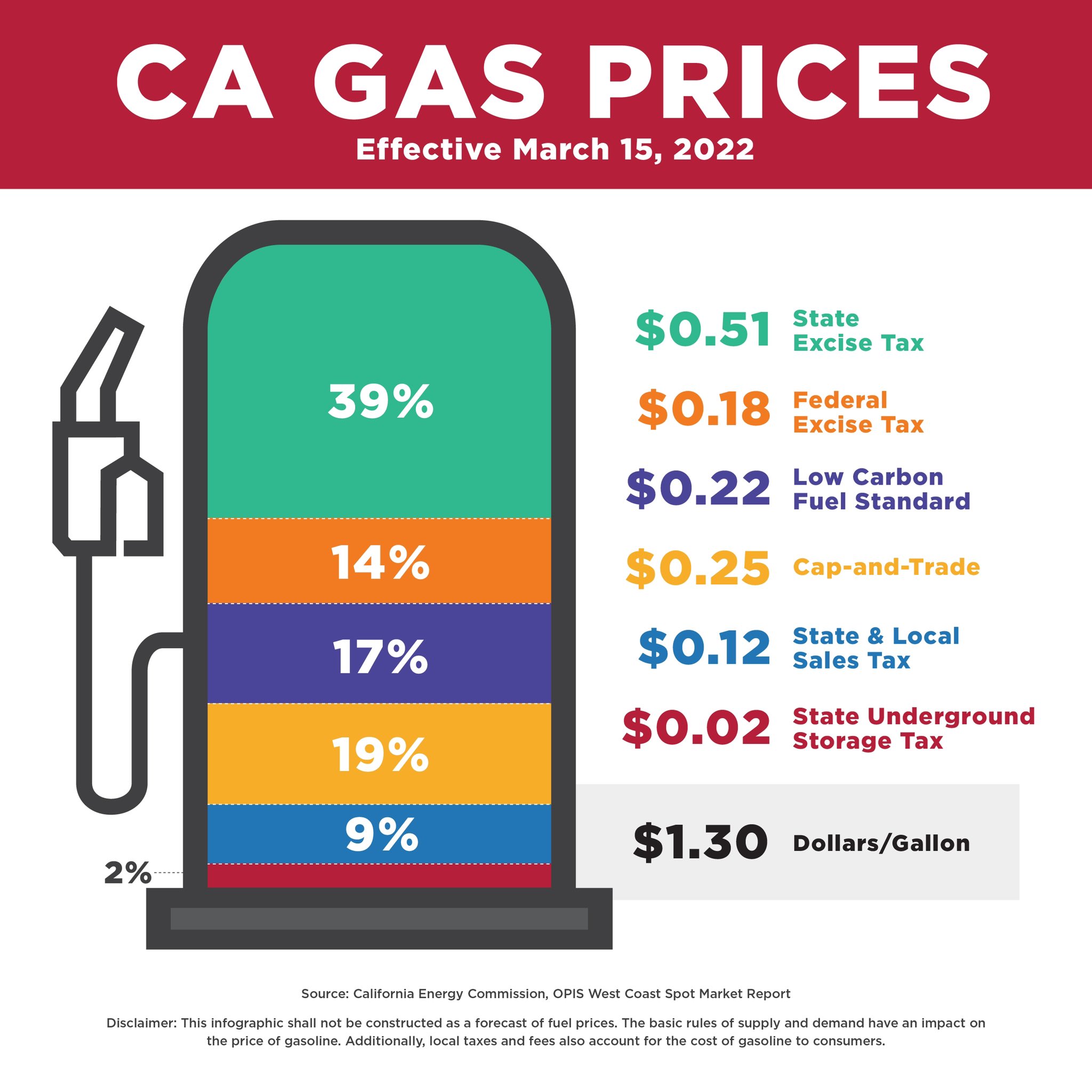
California boasts some of the strictest environmental protection standards in the nation, requiring unique fuel formulations designed to reduce smog and air pollution. These special blends, particularly during summer months, are more costly to produce and distribute. Additionally, the state imposes various taxes, including excise taxes, sales taxes, and carbon fees, which are among the highest in the country. These taxes contribute significantly to the final price at the pump, funding infrastructure projects and environmental initiatives.
The state’s isolated fuel market also plays a role. California’s refineries produce specialized gasoline, making it challenging and expensive to import fuel from other states if local supplies run low. This limited flexibility can lead to price spikes during refinery maintenance or unexpected outages. For travelers, this means budgeting more for fuel is not just a suggestion but a necessity for exploring the vast and diverse landscapes California offers, whether you’re cruising down the Pacific Coast Highway or navigating inland routes.
Navigating California’s Varied Gas Prices
While California’s gas prices are generally high, they are far from uniform across the state. Understanding these regional disparities and knowing how to spot value can significantly impact a traveler’s budget. Planning your refueling stops strategically can make a tangible difference over the course of a long road trip.
Regional Disparities
The most expensive gas prices are typically found in major metropolitan areas and popular tourist destinations. Cities like San Francisco, Los Angeles, and coastal enclaves such as Santa Monica frequently see prices at the top end of the spectrum. These areas combine high demand with often higher operational costs for gas stations. In contrast, travelers might find slightly lower prices in the Central Valley or more rural, less populated regions, though even these areas will still be higher than the national average.
Areas around popular national parks like Yosemite National Park or Joshua Tree National Park can also experience elevated prices due to their remote locations and limited competition. It’s always advisable to fill up in larger towns before heading into these more isolated areas, where options may be scarce and prices significantly inflated. The capital city of Sacramento, while a major urban center, sometimes offers prices that are a touch more competitive than its coastal counterparts, serving as a potential pit stop for those traversing the state.
Spotting Value on the Road
For the savvy traveler, finding more affordable fuel requires a bit of planning and utilization of modern tools. Gas stations located directly off major freeways, especially near exits with minimal competition, often charge a premium for convenience. Venturing a few blocks into an adjacent town or residential area can sometimes yield noticeable savings.
Membership-based retailers like Costco, Sam’s Club, or ARCO stations (which typically charge a lower price per gallon but may require cash or debit payments) often offer some of the lowest prices. If you have a membership or are traveling with someone who does, these can be excellent choices for refueling. Additionally, numerous mobile applications like GasBuddy provide real-time gas price comparisons based on your location, allowing travelers to quickly identify the cheapest stations nearby. Using these apps can help you save anywhere from a few cents to a significant amount per gallon, especially on longer journeys across the state.
Budgeting for Your California Road Trip
Successfully planning a California road trip means accounting for all expenses, and fuel will undoubtedly be a substantial line item. An insightful approach to budgeting can help ensure your travel remains enjoyable without unexpected financial strains.
Fuel-Saving Strategies for Travelers
To mitigate the impact of high gas prices, travelers can adopt several fuel-saving strategies. Maintaining your vehicle with properly inflated tires, a clean air filter, and regular oil changes can improve fuel efficiency. Driving habits also play a crucial role: avoiding rapid acceleration and hard braking, maintaining a steady speed, and using cruise control on highways can significantly reduce fuel consumption. Planning routes to avoid heavy traffic, especially in urban centers during peak hours, also saves gas and time.
For those considering an extended stay or numerous long drives, assessing your vehicle’s fuel economy before embarking on your trip is vital. If your current vehicle is a gas guzzler, renting a more fuel-efficient car for your California adventure might actually be a cost-effective solution in the long run. Even for RV travel, which offers unmatched freedom, the fuel costs can be staggering, necessitating even more meticulous planning of routes and stops to minimize expenditure.
Alternative Transportation in Urban Centers
While a car is almost indispensable for exploring California’s diverse regions, travelers can consider alternative transportation options within major cities to reduce fuel costs and parking fees. San Francisco and Los Angeles have extensive public transit systems, including buses, light rail, and subway lines, that can be efficient for sightseeing specific neighborhoods. Ride-sharing services like Uber and Lyft also offer convenient ways to get around city centers without the hassle and expense of driving and parking your own vehicle.
Integrating public transport or walking into your urban itinerary can free up your budget for other experiences, allowing your vehicle to be primarily used for inter-city travel or exploring more remote attractions where public transit isn’t feasible. This hybrid approach to transportation can offer both cost savings and a more immersive local experience.

The Environmental Premium and Future Outlook
California’s higher fuel costs are, in part, a direct reflection of its pioneering efforts in environmental protection and combating climate change. The specialized fuel blends and carbon pricing mechanisms are designed to incentivize cleaner energy consumption and reduce the state’s carbon footprint. For travelers, this means the price at the pump contributes to a broader vision of sustainability and cleaner air for both residents and visitors.
Looking ahead, California is aggressively pushing towards an electric vehicle (EV) future, with ambitious targets for phasing out gasoline-powered vehicle sales. This shift is leading to a rapid expansion of EV charging infrastructure across the state, making electric travel an increasingly viable and attractive option for tourists. While EVs require an initial investment, “fueling” an electric car is typically much cheaper than gasoline, offering significant savings for travelers on extended trips.
As the charging network grows and EV rental options become more widespread, future California road trips may look very different, potentially alleviating the historical burden of high gasoline prices. For now, understanding and strategically managing the cost of gas remains a fundamental aspect of planning an unforgettable journey through the Golden State.
LifeOutOfTheBox is a participant in the Amazon Services LLC Associates Program, an affiliate advertising program designed to provide a means for sites to earn advertising fees by advertising and linking to Amazon.com. Amazon, the Amazon logo, AmazonSupply, and the AmazonSupply logo are trademarks of Amazon.com, Inc. or its affiliates. As an Amazon Associate we earn affiliate commissions from qualifying purchases.