
California, often romanticized as the “Golden State,” embodies dreams of innovation, sun-drenched beaches, and a vibrant lifestyle. From the tech hubs of Silicon Valley to the glittering allure of Hollywood, and the stunning natural beauty of its national parks, it’s a destination that captivates hearts and minds worldwide. Yet, beneath the veneer of endless sunshine and opportunity lies a significant consideration for anyone contemplating a move, an extended stay, or even just a visit: the cost of living. California is renowned for being one of the most expensive places to live in the United States, a factor that can profoundly impact everything from daily choices to long-term financial planning.
This article delves deep into the multifaceted costs associated with living in the Golden State. We’ll explore the primary drivers of these expenses, break down costs across various categories like housing, transportation, food, and healthcare, and highlight the significant regional differences that exist within its vast borders. Whether you’re a prospective resident, a long-term traveler seeking unique accommodations, or simply curious about managing a budget in this desirable locale, understanding these financial dynamics is crucial. Our goal is to provide a comprehensive guide, offering insights and practical strategies for navigating California’s economic landscape, ensuring that your experience, whether a short trip or a permanent relocation, is as informed and enjoyable as possible.
Understanding California’s High Cost of Living
The high cost of living in California isn’t a secret, but understanding its root causes provides essential context. The state’s magnetic appeal is a double-edged sword: it attracts millions seeking professional opportunities, diverse cultures, and unparalleled natural beauty, which in turn drives up demand for everything from housing to basic services. This robust demand, coupled with inherent supply limitations, creates an upward pressure on prices across almost all sectors.
One of the primary drivers is the state’s booming economy, particularly in technology and entertainment. High-paying jobs in cities like San Francisco, San Jose, and Los Angeles attract a talented workforce, increasing the competition for available resources. Additionally, stringent environmental regulations, high construction costs, and geographical constraints (such as mountains and the Pacific Ocean) limit new housing development, exacerbating the supply-demand imbalance.
Beyond economics, California’s commitment to progressive policies, while beneficial in many ways, also contributes to higher operational costs for businesses, which are often passed on to consumers. This includes higher minimum wages, robust labor laws, and various state-level taxes that exceed those in many other U.S. states. For travelers and those seeking long-term accommodation, these factors translate into elevated prices for everything from hotel stays and vacation rentals to daily necessities and entertainment. Understanding these foundational elements is the first step in effectively budgeting for life or travel in the Golden State.
Dissecting the Major Cost Categories
To truly grasp the financial commitment of living in California, it’s essential to break down expenses into key categories. Each plays a significant role in determining an individual’s or family’s overall budget, impacting lifestyle choices and even the feasibility of a long-term stay.
Housing: The Biggest Hurdle
Without a doubt, housing stands as the single largest expense for most Californians. Whether you’re looking to rent an apartment, book a long-term stay in a serviced apartment, or purchase a home, the prices can be staggering, especially in major metropolitan areas.
- Rental Market Overview: In cities like San Francisco and San Jose, median rent for a one-bedroom apartment can easily exceed $3,000 to $3,500 per month. In Los Angeles and San Diego, similar units often range from $2,500 to $3,000. Even historically more affordable cities like Oakland and Long Beach have seen rents climb steadily, often hovering around $2,000 to $2,500 for a one-bedroom. Shared housing, whether in apartments, villas, or co-living spaces, becomes a common strategy to mitigate these costs. For tourists, this translates to higher hotel rates and Airbnb prices, making booking accommodations well in advance a prudent strategy.
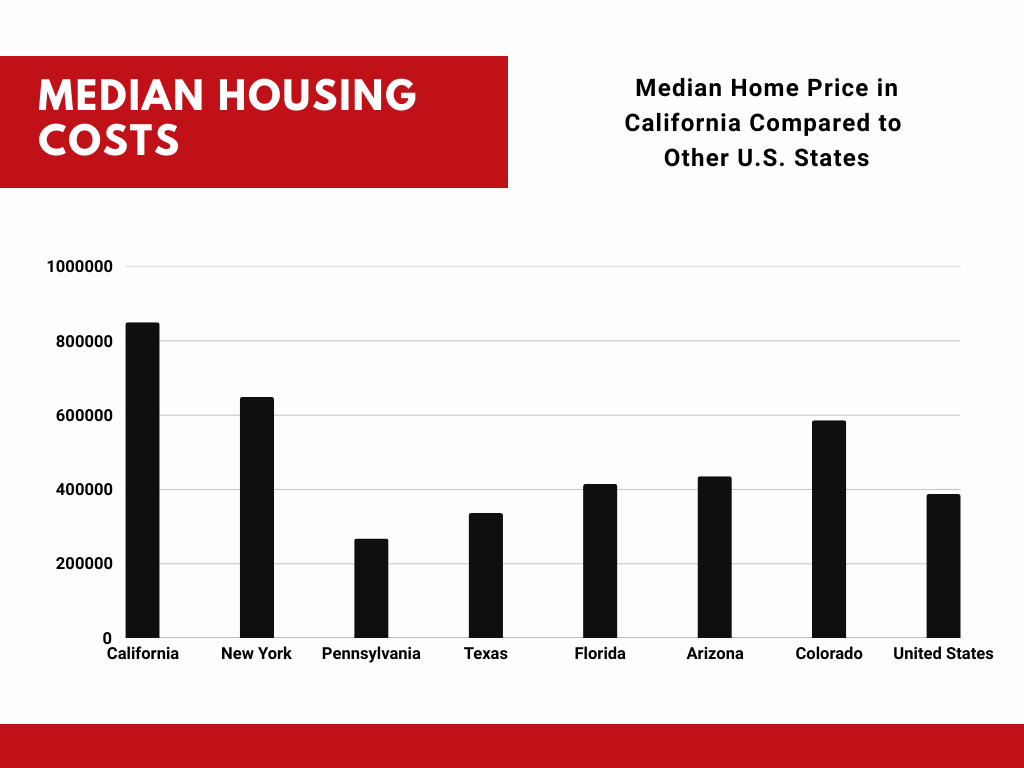
- Buying a Home: The median home price across California far surpasses the national average, often exceeding $800,000 statewide. In the San Francisco Bay Area, median home values can easily top $1.2 million to $1.5 million, with some neighborhoods in Palo Alto or Beverly Hills seeing prices in the multi-millions. Even in more accessible markets like Sacramento or Riverside, median home prices are often well above $500,000. This makes homeownership a significant financial commitment, often requiring substantial down payments and high mortgage payments.
Transportation: Navigating the Golden State
Given California’s vast size and often sprawling urban centers, transportation costs can add up quickly.
- Car Ownership: For many, a car is essential, especially outside of dense city centers. This entails not just the cost of the vehicle, but also high gas prices (among the highest in the U.S.), expensive auto insurance, and maintenance. Parking can also be a significant hidden cost, particularly in popular tourist destinations and urban areas like Santa Monica or downtown San Diego.
- Public Transportation: While major cities like San Francisco boast robust public transit systems (e.g., BART, Muni) and Los Angeles continues to expand its Metro rail and bus network, coverage can be inconsistent, and travel times long. Monthly passes can be a cost-effective option for daily commuters, but for tourists, ride-sharing services or rental cars often complement public transport for reaching various attractions.
Food and Groceries: Everyday Expenses
The cost of food in California is generally higher than the national average. A single person might spend anywhere from $400 to $600 per month on groceries, depending on dietary choices and shopping habits.
- Groceries: While farmers’ markets offer fresh, local produce, they can sometimes be pricier than traditional supermarkets. Shopping at discount chains or focusing on meal prepping can help manage these costs.
- Dining Out: California’s culinary scene is a major attraction, but dining out frequently can quickly deplete a budget. A casual meal at a restaurant can easily cost $20-$30 per person, and fine dining experiences are significantly higher. For visitors, exploring local eateries and food trucks offers a taste of the local culture without always breaking the bank.
Healthcare: Essential but Costly
Healthcare expenses in California are also above the national average. This includes higher insurance premiums, co-pays, and prescription costs. Access to quality healthcare is generally excellent, but this comes at a price. For those moving to the state, understanding health insurance options and costs is a critical piece of financial planning. Travelers should ensure their existing insurance covers out-of-state medical emergencies or consider travel insurance.
Utilities and Miscellaneous Expenses
Beyond the major categories, several other costs contribute to the overall expense of living in California.
- Utilities: Electricity, natural gas, water, and internet bills can vary significantly depending on location, season, and usage. Air conditioning can be a major expense in the hot inland areas, while heating is needed in cooler coastal or mountainous regions. High-speed internet, essential for remote work or entertainment, is comparable to national averages but can still be a substantial monthly cost.
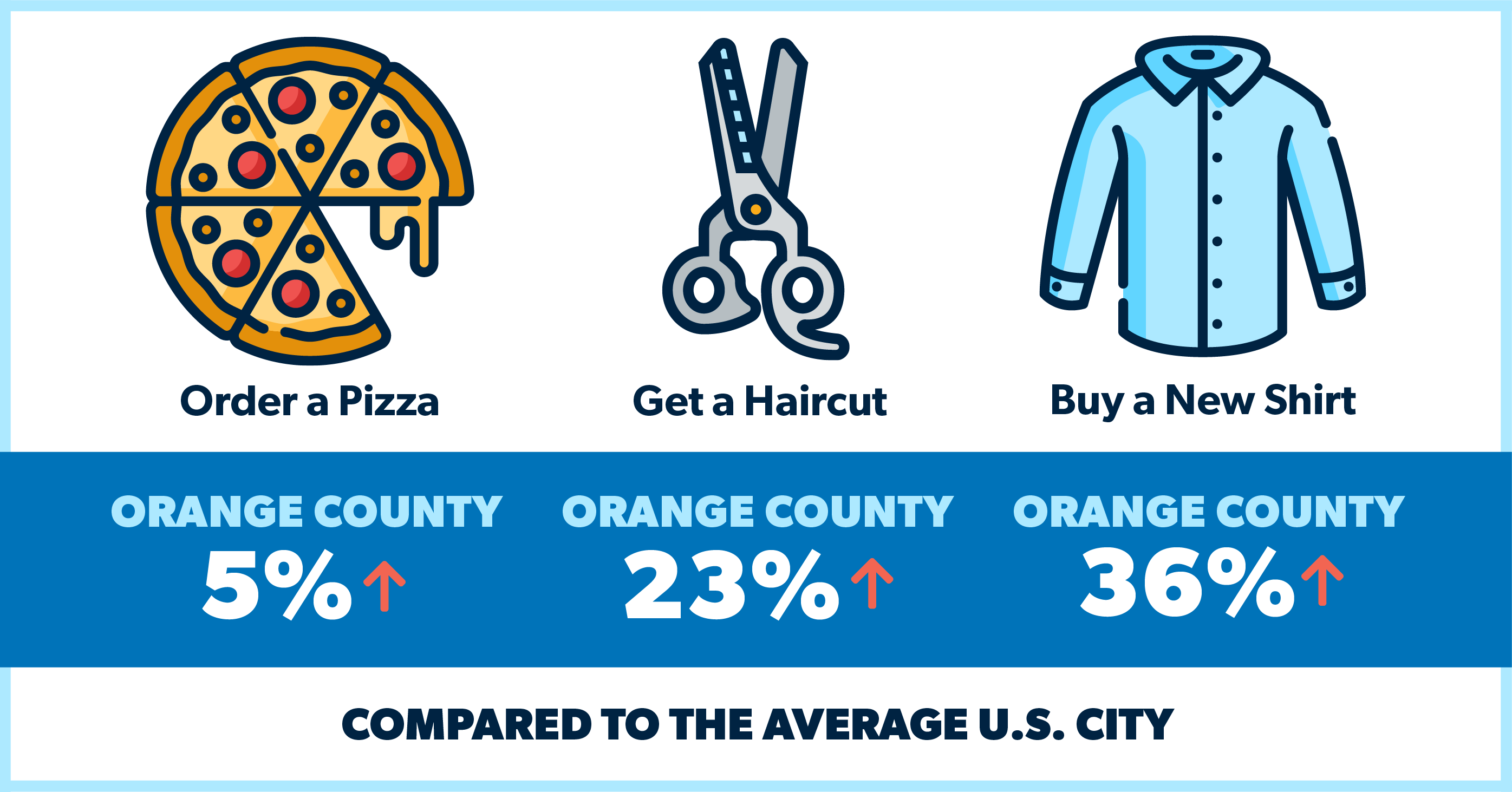
- Personal Care and Entertainment: Services like haircuts, gym memberships, and entertainment tickets (e.g., theme parks like Disneyland Resort or Universal Studios Hollywood, concerts, sporting events) are generally more expensive in California than in many other states. However, the state offers countless free attractions, from its numerous beaches and hiking trails to iconic landmarks like the Golden Gate Bridge or Griffith Observatory. Leveraging these experiences is key to balancing a budget while enjoying the state’s offerings.
Regional Nuances: A Tale of Diverse Californias
The notion of a single “cost of living” in California is an oversimplification. The state is incredibly diverse, both geographically and economically, leading to vast differences in expenses from one region to another. Understanding these regional nuances is crucial for making informed decisions about where to live, visit, or invest.
Northern California vs. Southern California
The classic divide between Northern California and Southern California is particularly pronounced when it comes to cost.
- Northern California: Dominated by the San Francisco Bay Area and Silicon Valley, this region is often considered the most expensive in the United States. Cities like San Francisco, San Jose, and Palo Alto boast median home prices and rental rates that are among the highest globally, driven by the concentration of tech giants and high-earning professionals. The cost of daily goods and services also tends to be elevated. However, outside the immediate Bay Area and further north into areas like Napa Valley or Sonoma County, while still pricey, one can find slight relief, especially as you move away from the immediate coast.
- Southern California: While home to the sprawling metropolis of Los Angeles and the vibrant city of San Diego, Southern California generally offers a slightly lower, though still high, cost of living compared to the Bay Area. Los Angeles County, with its diverse neighborhoods from Beverly Hills to Long Beach, presents a wider range of housing costs. San Diego offers a coastal lifestyle with prices comparable to Los Angeles’s more affordable pockets. Cities in the Orange County area, such as Irvine and Anaheim, balance family-friendly amenities with a high cost of living.
Urban vs. Suburban vs. Rural Living
The decision between city, suburb, or rural areas profoundly impacts expenses.
- Urban Centers: San Francisco, Los Angeles, San Jose, and San Diego represent the pinnacle of urban living in California. They offer unparalleled access to culture, entertainment, dining, and job opportunities, but at the highest cost for housing, transportation, and often daily services. For tourists, staying in the heart of these cities means convenience but higher accommodation prices in hotels or boutique apartments.
- Suburban Areas: Moving even slightly outside the core urban centers can yield significant savings. For example, while San Francisco is exorbitant, cities further out in the Bay Area like Concord or Vallejo offer more affordable housing, albeit with longer commutes. Similarly, in Southern California, the Inland Empire (including cities like Riverside and San Bernardino) provides a more budget-friendly alternative to coastal Los Angeles or Orange County. These areas often require greater reliance on personal vehicles but offer more spacious living and community amenities.
- Rural Living and the Central Valley: For those willing to trade proximity to major urban hubs for substantial savings, California’s Central Valley (including cities like Sacramento, Fresno, and Bakersfield) offers a considerably lower cost of living, particularly for housing. Median home prices can be half or even a third of those in coastal metros. While job markets might be different, the rise of remote work has made these regions increasingly attractive. Even outside the Central Valley, smaller mountain towns or desert communities offer unique lifestyles at a fraction of the cost. For long-term stays or those considering a permanent move, these regions represent significant financial relief while still providing access to the state’s natural beauty and recreational opportunities like Yosemite National Park.
Strategies for Thriving (Not Just Surviving) in California
While the cost of living in California can be daunting, it’s certainly possible to enjoy the Golden State without breaking the bank. With strategic planning and smart lifestyle choices, individuals and families can find ways to thrive, whether they’re visitors on a budget or looking to make California their home.
Exploring More Affordable Cities and Regions
One of the most impactful decisions you can make is where you choose to live or base your travels. As highlighted in the regional nuances section, the cost spectrum within California is vast.
- Consider the Central Valley and Inland Empire: Cities like Sacramento (the state capital), Fresno, and Bakersfield offer significantly more affordable housing and a lower overall cost of living. They still provide access to amenities, diverse communities, and are within a reasonable driving distance of major attractions, often making them excellent bases for family trips or longer stays. Riverside and San Bernardino in the Inland Empire offer similar advantages, acting as a gateway to Southern California’s attractions without the coastal price tag.
- Leverage Remote Work: For those with jobs that allow remote work, the ability to earn a Bay Area or Los Angeles salary while living in a more affordable part of the state (or even just a more affordable suburb) is a powerful cost-saving strategy. This can dramatically improve your quality of life and financial stability.
Smart Living and Cost-Saving Tips
Daily choices can accumulate into significant savings. Adopting a mindful approach to spending is vital.
- Transportation Alternatives: In major urban areas, make the most of public transportation like San Francisco’s BART and Los Angeles’s Metro. For those with cars, consider carpooling, ride-sharing apps, or cycling to reduce gas and parking expenses. For travel, opting for scenic road trips allows exploration without continuous flight costs.
- Embrace Home Cooking: Dining out is a beloved part of California’s lifestyle, but it’s also a major expense. Cooking at home, meal prepping, and packing lunches can save hundreds of dollars each month. Explore local farmers’ markets for fresh produce, which can sometimes be more cost-effective than specialty grocery stores.
- Seek Out Free and Low-Cost Activities: California is brimming with natural beauty and cultural attractions that cost little to nothing. Spend time at its beautiful beaches, hike in state parks, explore charming towns, visit free museums on designated days, or simply enjoy a picnic with a view. Many landmarks, such as the Golden Gate Bridge or the Hollywood Sign, are entirely free to admire.
- Strategic Accommodation Booking: For visitors and those on long-term stays, compare hotel prices with vacation rentals (like apartments or villas) and consider alternative accommodations further from prime tourist hotspots. Booking well in advance, especially during peak seasons, can also secure better rates. For extended stays, looking into serviced apartments can offer the comforts of home at a better value than continuous hotel stays.
- Roommates and Shared Housing: For those relocating, sharing housing with roommates is a very common and effective way to cut down on rental costs, particularly in expensive cities. This can apply to apartments, houses, or even just individual rooms within a larger property.
Leveraging California’s Diverse Lifestyles
California is not just a place to live; it’s a collection of diverse lifestyles, from luxury travel to budget-conscious adventures.
- Budget Travel within the State: Embrace the spirit of exploration. Instead of constant luxury resorts, consider camping in a national park like Yosemite National Park or staying in charming, independently owned hotels or guesthouses. Road trips can be a fantastic way to experience the state’s varied landscapes without the expense of multiple flights.
- Balancing Expenses with Experiences: Ultimately, living in or visiting California is about striking a balance. While some expenses are unavoidable, consciously choosing where to splurge and where to save can allow you to enjoy the unique experiences the state offers without constant financial strain. This might mean investing in a great meal once a week and cooking at home for the rest, or saving up for a special trip to a landmark destination by cutting back on daily discretionary spending.
In conclusion, the cost of living in California is undeniably high, particularly in its major metropolitan areas. However, with a clear understanding of where your money will go, diligent financial planning, and a willingness to explore more affordable regions and embrace smart spending habits, the Golden State’s unparalleled lifestyle, diverse attractions, and endless opportunities remain within reach. Whether you’re planning a visit or a permanent move, remember that careful preparation and informed decisions are your best tools for thriving in this vibrant and dynamic part of the world.
LifeOutOfTheBox is a participant in the Amazon Services LLC Associates Program, an affiliate advertising program designed to provide a means for sites to earn advertising fees by advertising and linking to Amazon.com. Amazon, the Amazon logo, AmazonSupply, and the AmazonSupply logo are trademarks of Amazon.com, Inc. or its affiliates. As an Amazon Associate we earn affiliate commissions from qualifying purchases.