
When contemplating a visit to the vibrant heart of Minnesota, the question of “What is the County of Minneapolis?” often arises. This inquiry delves beyond mere geographical boundaries and seeks to understand the administrative and cultural entity that encompasses this dynamic urban center. For travelers and those interested in the local tapestry, grasping the nature of Hennepin County, the administrative home of Minneapolis, is crucial for a richer experience. It’s not a singular, isolated city, but rather a significant part of a larger governmental and geographical framework that shapes its identity, its attractions, and the way visitors navigate its offerings.
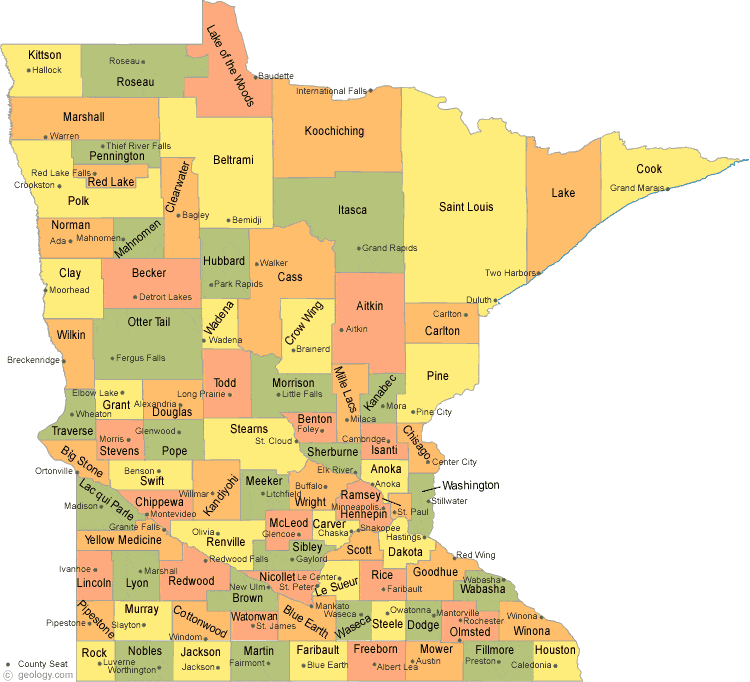
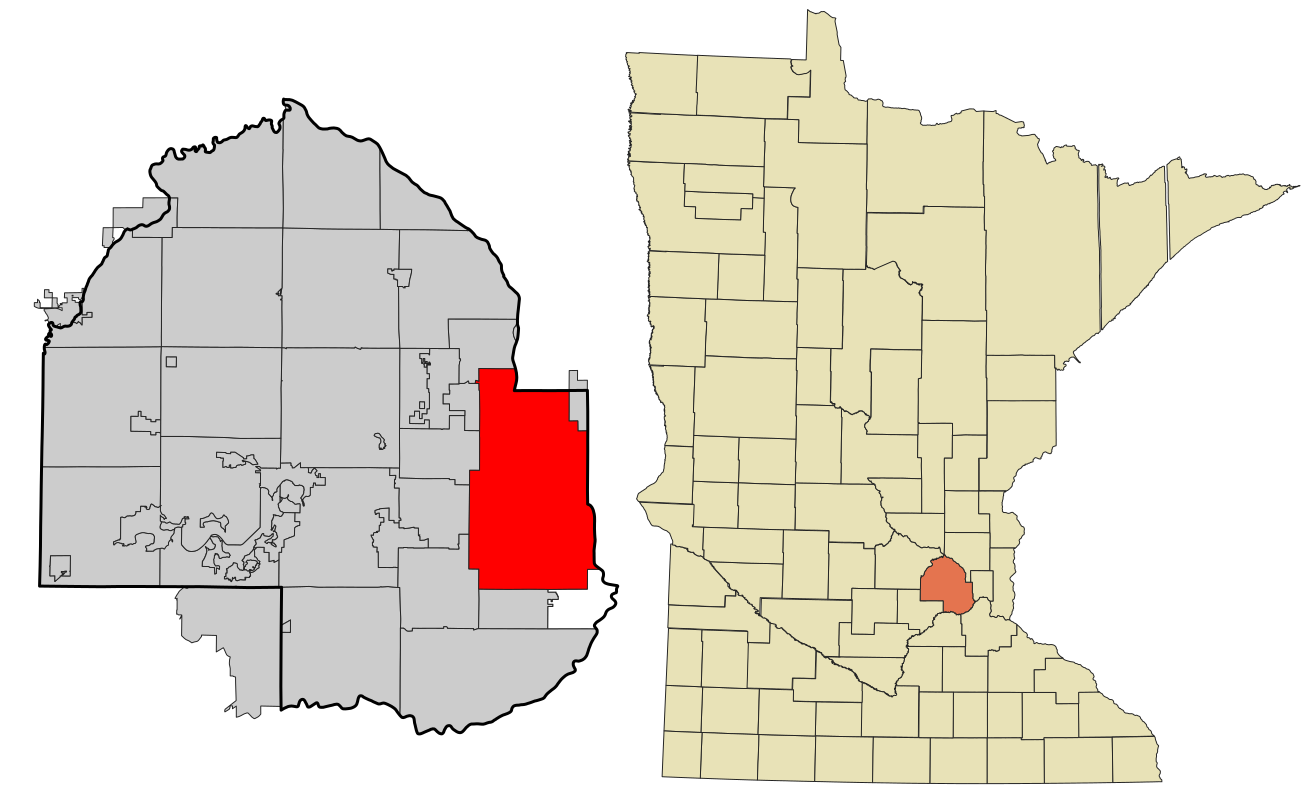
Understanding the administrative structure of a major metropolitan area like Minneapolis can illuminate its governance, its public services, and its development. Hennepin County, named after the Franciscan friar and explorer Louis Hennepin, is the most populous county in Minnesota and serves as the governmental and economic engine for a significant portion of the Minneapolis-Saint Paul metropolitan area. While the city of Minneapolis is its namesake and primary urban core, Hennepin County includes numerous other municipalities, suburbs, and expansive natural areas, all contributing to the region’s diverse character.
For tourists, knowing that Minneapolis is situated within Hennepin County provides context for understanding transportation networks, regional parks, and the broader economic landscape that fuels the city’s cultural scene. It helps to distinguish between city-specific governance and county-level responsibilities, which can impact everything from local ordinances to the funding of major cultural institutions and public works projects.
Navigating the Administrative Landscape
The administrative structure of Minneapolis within Hennepin County is fundamental to its operation as a major American city. It’s a relationship that defines how services are delivered, how policies are enacted, and how the region grows and evolves. For a visitor, this distinction might seem bureaucratic, but it underpins the very fabric of the visitor experience.
The Role of Hennepin County
Hennepin County is the largest county in Minnesota by population and serves as the governmental body for the city of Minneapolis and many surrounding communities. It provides a wide array of services, including public health, social services, law enforcement (sheriff’s office), and the administration of courts. Understanding its role is key to appreciating the scope of public administration in the region.
The county’s governmental functions are overseen by a county board of commissioners, elected from districts within the county. This board makes decisions on budgets, policies, and major projects that affect all residents and visitors within its jurisdiction. For instance, county parks, which are often extensive and offer significant recreational opportunities, fall under the purview of the Hennepin County Parks system, distinct from the city’s park department.
Minneapolis: The Urban Core
The city of Minneapolis, while the central focus of the county’s urban landscape, operates with its own municipal government. This includes a mayor and a city council, responsible for local services like police and fire departments, street maintenance, zoning, and the development of city-specific parks and recreational programs. When you’re exploring the renowned Minnehaha Park with its iconic waterfall, or enjoying the cultural hub of the Mill City Museum, you are engaging with services and attractions managed at the city level, within the broader framework of Hennepin County.
This dual layer of governance means that understanding the “County of Minneapolis” is truly about understanding Hennepin County as the administrative umbrella under which the vibrant city of Minneapolis thrives.
Experiencing Minneapolis Through Its County Identity
For those planning a trip, recognizing Minneapolis as part of Hennepin County unlocks a richer understanding of the destination and expands the possibilities for exploration beyond the immediate city limits. The county’s infrastructure and natural beauty play a significant role in the overall visitor experience.
Beyond the City Limits: County Attractions
Hennepin County boasts a remarkable park system, offering a natural respite and diverse recreational activities that complement the urban attractions of Minneapolis. These county parks are not mere green spaces; they are meticulously managed natural environments providing hiking trails, lakes for boating and fishing, and extensive opportunities for wildlife observation.
- Theodore Wirth Park: While often associated with the city, this expansive park is a testament to the county’s commitment to green spaces. It features extensive trail systems, lakes, and even a parkway that connects to other regional facilities.
- Baker Park Reserve: Located in a more suburban part of the county, Baker Park Reserve offers a vast area for camping, boating, fishing, and enjoying the Minnesota wilderness.
- Carver Park Reserve: This reserve is renowned for its diverse habitats, including prairies and wetlands, making it a prime location for birdwatching and nature photography. It also features an open-air nature center.
These are just a few examples of how the county’s commitment to preserving and developing natural landscapes enhances the overall appeal of visiting the Minneapolis area.
Transportation and Connectivity
The administrative structure of Hennepin County also influences the transportation network. Major roadways, public transit systems (like Metro Transit), and regional planning initiatives often operate at a county or metropolitan level. This ensures a more integrated and efficient travel experience for visitors moving between Minneapolis, its suburbs, and surrounding attractions.

Understanding that the “County of Minneapolis” is Hennepin County provides a framework for appreciating the interconnectedness of urban life and the surrounding natural and suburban landscapes. It’s this comprehensive view that allows for the most rewarding exploration of this dynamic region.
Historical Roots and Modern Development
The historical evolution of Hennepin County is deeply intertwined with the growth and development of Minneapolis. Its establishment and subsequent expansion reflect the broader narrative of American settlement, industrialization, and urban planning.
Early Settlement and County Formation
Hennepin County was officially established in 1852, predating Minnesota’s statehood in 1858. Named in honor of Father Louis Hennepin, a French missionary who explored the region in the late 17th century, the county’s early development was shaped by its strategic location along the Mississippi River and its proximity to the powerful Saint Anthony Falls. These natural resources fueled early industries, particularly milling, which laid the foundation for Minneapolis to become a major economic hub.
The early settlers, a mix of European immigrants and indigenous peoples, navigated the establishment of governance and the allocation of resources within this burgeoning territory. The designation of Minneapolis as the county seat solidified its position as the administrative and commercial center.
Urbanization and Suburban Expansion
As Minneapolis grew, so did the surrounding areas within Hennepin County. The 20th century saw a significant wave of suburbanization, with communities like Edina, Richfield, and St. Louis Park developing rapidly. This expansion presented new challenges and opportunities for county governance, necessitating coordinated planning for infrastructure, public services, and economic development across a diverse and growing population.
The county played a crucial role in managing this growth, investing in road networks, public utilities, and educational facilities. The Hennepin County Library system, for instance, is a testament to the county’s commitment to providing accessible educational resources to all its residents, extending services far beyond the city limits of Minneapolis.
Today, Hennepin County is a complex mosaic of urban density, thriving suburban communities, and significant natural preserves, all united under a single administrative banner. This historical trajectory informs its present-day identity and continues to shape its future development.
Cultural Significance and Local Flavor
The “County of Minneapolis” is not just an administrative entity; it’s a cultural landscape rich with diversity, innovation, and a unique local flavor that draws visitors from around the globe. Understanding its cultural identity offers a deeper appreciation of the experiences available to travelers.
A Hub of Arts and Culture
Hennepin County, with Minneapolis at its core, is a vibrant center for arts and culture. The presence of world-class institutions, supported by both city and county initiatives, provides a wealth of cultural experiences.
- The Minneapolis Institute of Art (MIA): This renowned museum, situated within the city but a key cultural asset for the entire county, offers a vast collection spanning various cultures and historical periods. Admission is free, making it an accessible cultural cornerstone.
- The Guthrie Theater: A landmark of American regional theater, The Guthrie Theater offers innovative productions and stunning architecture overlooking the Mississippi River.
- Walker Art Center and Minneapolis Sculpture Garden: This dynamic complex is a leading institution for modern and contemporary art, featuring an impressive outdoor sculpture collection that is a popular destination for locals and tourists alike.
Beyond these major institutions, the county is dotted with smaller galleries, performance spaces, and community arts programs that contribute to its rich cultural tapestry.
Culinary Delights and Local Traditions
The culinary scene within Hennepin County is as diverse as its population. From farm-to-table restaurants showcasing local produce from the surrounding agricultural regions to international eateries reflecting the county’s multicultural makeup, there’s a gastronomic adventure for every palate.
- Farmers Markets: Numerous farmers markets operate throughout the warmer months, offering fresh, locally sourced ingredients and artisanal products. These markets are often community gathering spots and provide a direct connection to the region’s agricultural heritage.
- Diverse Dining: Explore the culinary offerings in neighborhoods across Minneapolis and its surrounding suburbs. You’ll find everything from classic Midwestern comfort food to sophisticated global cuisine.
- Local Brews: The craft beer scene has flourished in recent years, with numerous breweries offering unique local brews and often hosting community events.
The cultural identity of the “County of Minneapolis” is a fusion of its historical roots, its administrative structure as Hennepin County, and the vibrant, evolving experiences offered by its residents and institutions. For visitors, understanding this multifaceted identity is key to unlocking the full potential of their journey.
LifeOutOfTheBox is a participant in the Amazon Services LLC Associates Program, an affiliate advertising program designed to provide a means for sites to earn advertising fees by advertising and linking to Amazon.com. Amazon, the Amazon logo, AmazonSupply, and the AmazonSupply logo are trademarks of Amazon.com, Inc. or its affiliates. As an Amazon Associate we earn affiliate commissions from qualifying purchases.