
The question of why a particular city holds the esteemed title of state capital often delves into a rich tapestry of history, politics, and sometimes, sheer happenstance. For Austin, the vibrant and eclectic heart of Texas, its ascent to the capital was not an immediate or preordained destiny. Instead, it was a carefully orchestrated political maneuver, a compromise born from the fierce rivalries and differing visions that shaped the young Republic of Texas. Understanding Austin‘s capital status requires a journey back to the mid-19th century, a period of significant transition and strategic decision-making.
The Genesis of a Capital: A Contested Decision
The story of Austin becoming the capital is intrinsically linked to the broader narrative of Texas independence and statehood. Following the Texas Revolution, the nascent republic grappled with numerous challenges, not least of which was establishing a permanent seat of government. This decision was fraught with political tension, as various factions vied for influence and sought to position their preferred locations as the nexus of power.
Early Contenders and Political Maneuvers
Before Austin solidified its position, several other locations served as temporary or proposed capitals. Houston, named after the celebrated hero of Texas independence, Sam Houston, was an early contender and served as the capital of the Republic of Texas from 1837 to 1839. Its strategic location on the Buffalo Bayou, offering access to the Gulf of Mexico, made it a commercially attractive and thus politically influential city. However, its humid climate and susceptibility to yellow fever outbreaks were significant drawbacks.
Another prominent candidate was Waterloo, a small settlement situated on the Colorado River. This unassuming village was strategically located in the central part of the republic, offering a more geographically balanced position than the coastal cities. The selection of Waterloo was largely the work of President Mirabeau B. Lamar, who envisioned a grand capital city that would symbolize the republic’s burgeoning strength and independence. He believed a central location would foster unity and accessibility for all Texans.
The Lamar Vision: Choosing Waterloo
In 1839, the Texas Congress officially designated Waterloo as the new capital site. President Lamar’s vision was ambitious. He envisioned a meticulously planned city, a testament to Texas‘s aspirations for greatness. The site was chosen for its natural beauty, its position on the Colorado River, and its central location within the republic’s territory. It was a deliberate move away from the more established, albeit problematic, coastal cities.
The decision to relocate the capital was not without its detractors. Many in Houston and other established centers resented the shift, fearing a loss of political and economic power. However, Lamar’s persuasive arguments and his vision for a grand, inland capital ultimately prevailed. The new site was renamed Austin in honor of Stephen F. Austin, the “Father of Texas,” a highly respected figure whose contributions were instrumental in the early settlement and development of the region. This renaming was a symbolic gesture, imbuing the new capital with the legacy of one of Texas‘s most revered pioneers.
The Evolving Role of Austin as Capital
Once established, Austin’s role as the capital evolved over time, mirroring the growth and transformation of Texas itself. From its humble beginnings as a frontier town, it developed into a significant administrative and cultural center, navigating periods of growth, conflict, and economic change.
From Republic to Statehood: A Persistent Seat of Power
Following Texas’s annexation by the United States in 1845 and its subsequent admission as the 28th state in 1846, the question of the capital’s location resurfaced. However, Austin had by then gained significant political footing and was deeply entrenched as the seat of government. Despite attempts by other cities, notably Galveston, to claim the capital status, Austin maintained its position. This persistence was due in part to the established infrastructure and the political will of those who had invested in its development. The consolidation of government functions and the presence of state institutions solidified its role.
Challenges and Resilience: Threats to the Capital
The early years of Austin as a capital were not without their challenges. Its frontier location made it vulnerable to Comanche raids and other threats from Native American tribes. The capital often operated under the shadow of potential relocation due to these security concerns. Furthermore, the Civil War and its aftermath presented significant upheaval for Texas and its government, though Austin remained the administrative center throughout.
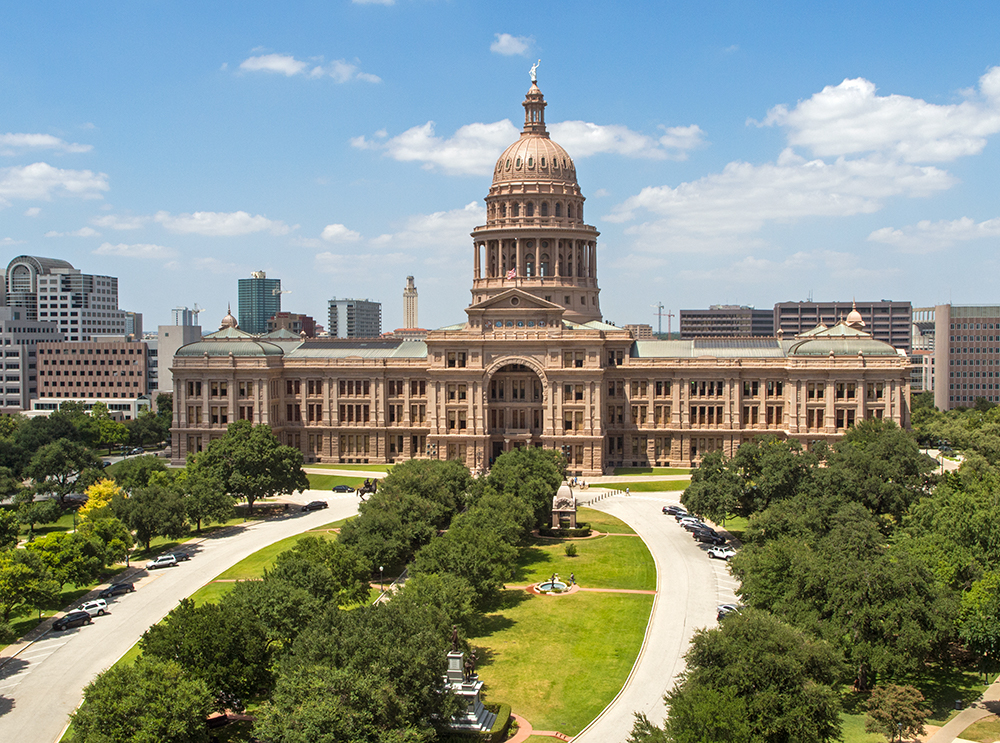
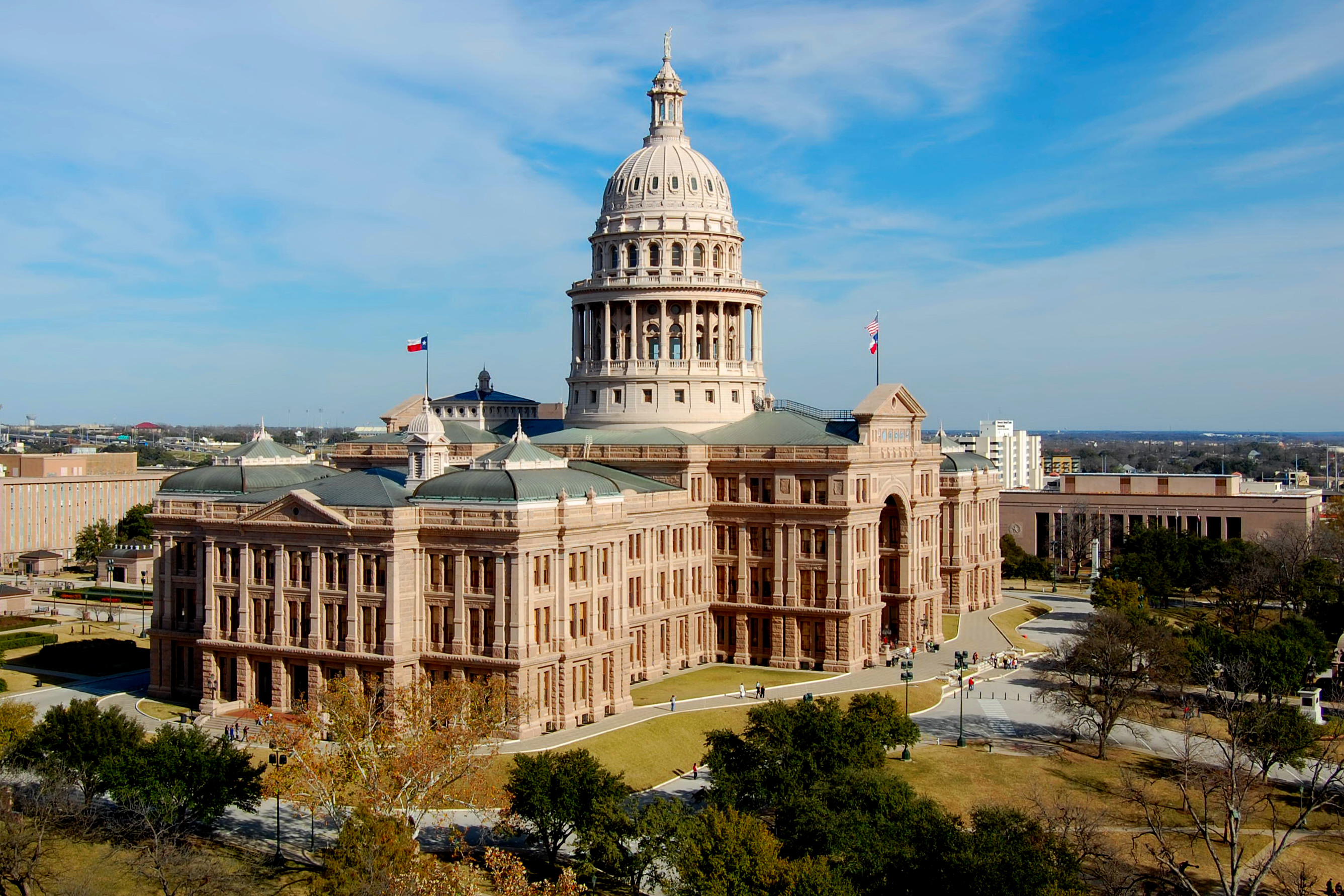
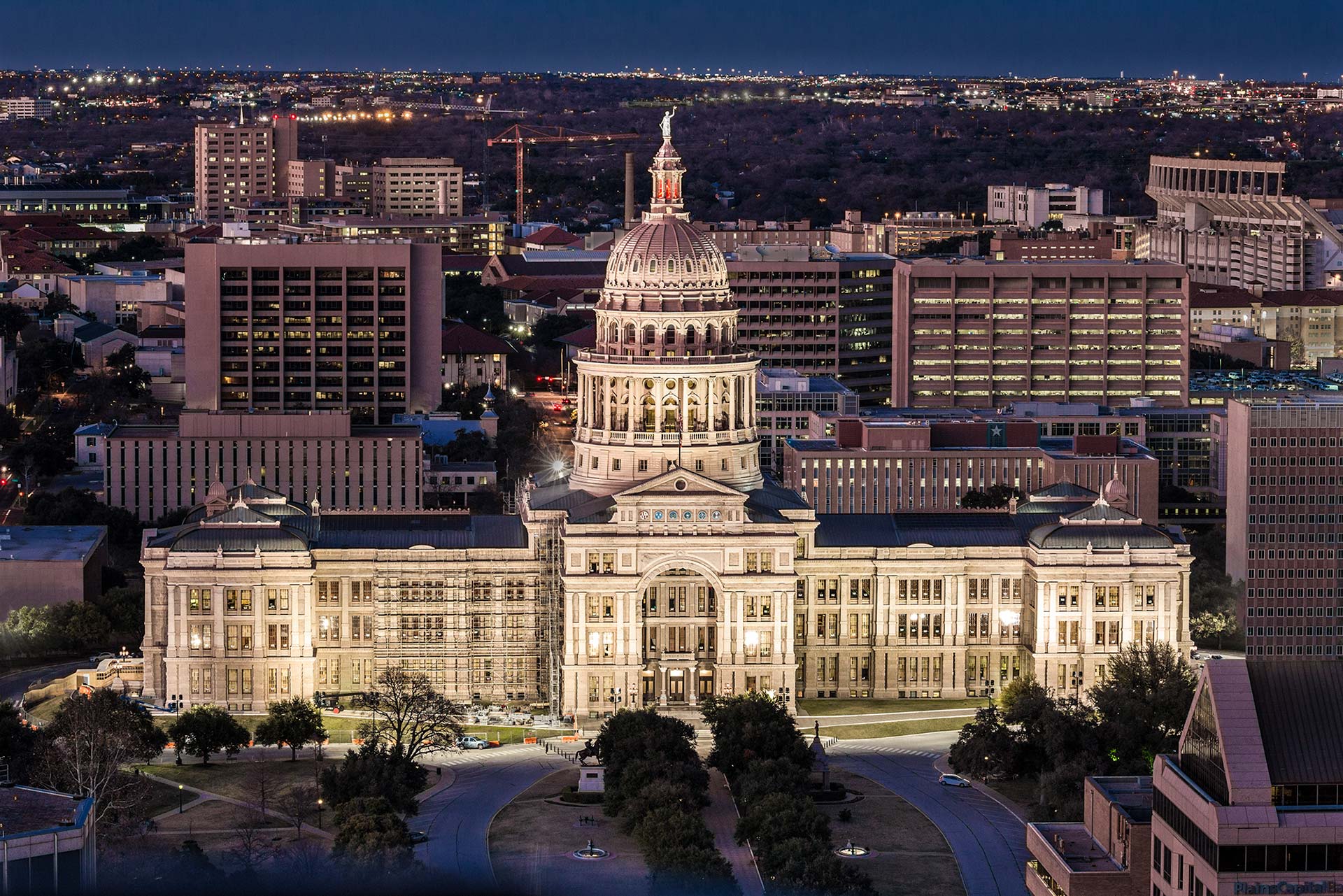
Despite these trials, Austin demonstrated remarkable resilience. Its strategic location, once a point of contention, gradually became an asset as Texas expanded westward. The city’s growth was tied to its function as the state’s administrative hub, attracting government employees, legal professionals, and a burgeoning service economy. The construction of the Texas State Capitol building, completed in 1888, was a monumental undertaking that cemented Austin‘s status as the permanent and impressive seat of Texas government. This iconic landmark, built with locally quarried pink granite, stands as a symbol of the state’s enduring power and its capital city.
Factors Contributing to Austin’s Enduring Capital Status
Several key factors have contributed to Austin‘s sustained position as the capital of Texas, extending far beyond its initial establishment. These factors encompass its geographical advantages, its political stability, and its growing importance as a cultural and economic center.
Geographical Advantages and Strategic Location
Austin‘s central location within Texas has always been a significant advantage. Unlike coastal cities that might be vulnerable to natural disasters or foreign invasion, Austin offered a more secure and accessible hub for governance across the vast state. Its position on the Colorado River provided a vital water source and facilitated early transportation and development. As Texas grew and its population dispersed, Austin’s centrality became even more critical for ensuring equitable access to state services and representation. The city is situated in the Hill Country, a region known for its natural beauty, which has also contributed to its appeal as a place to live and work.
Political and Economic Consolidation
Over the decades, Austin has benefited from the consolidation of state government functions and agencies within its borders. The presence of the legislature, the governor’s office, and numerous state departments has created a powerful inertia, making relocation logistically and politically difficult. Furthermore, as a university town, home to the flagship campus of the University of Texas at Austin, the city has fostered a highly educated workforce and a vibrant intellectual community that supports the administrative and research needs of the state. The growth of the technology sector, earning Austin its nickname as “Silicon Hills,” has further diversified its economy and solidified its importance within Texas and beyond. This economic vitality strengthens the case for Austin to remain the capital, as it provides the resources and infrastructure to support a thriving state government.
Cultural Identity and Growth
Beyond its administrative functions, Austin has cultivated a unique cultural identity that has made it an attractive and dynamic capital. Known for its live music scene, its progressive political leanings, and its emphasis on outdoor recreation, Austin offers a distinct lifestyle that resonates with many. This cultural vibrancy contributes to the city’s appeal for attracting and retaining talent, including those working within the state government. The city’s ongoing development, including its extensive park system and its commitment to environmental sustainability, further enhances its quality of life. The “Keep Austin Weird” ethos, while often lighthearted, reflects a deeper commitment to individuality and community that has become synonymous with the capital. This blend of political importance, economic strength, and distinctive culture ensures Austin‘s continued prominence as the capital of the Lone Star State.
LifeOutOfTheBox is a participant in the Amazon Services LLC Associates Program, an affiliate advertising program designed to provide a means for sites to earn advertising fees by advertising and linking to Amazon.com. Amazon, the Amazon logo, AmazonSupply, and the AmazonSupply logo are trademarks of Amazon.com, Inc. or its affiliates. As an Amazon Associate we earn affiliate commissions from qualifying purchases.