
For anyone planning a trip, connecting with loved ones, or conducting business across continents, knowing the local time is often the first crucial piece of information. When it comes to San Francisco, a city renowned for its iconic landmarks, vibrant culture, and innovative spirit, understanding its position in the global time scheme is more than just a matter of convenience; it’s a gateway to seamless travel and enriching experiences.
At any given moment, San Francisco operates within the Pacific Time Zone. This means the city observes either Pacific Standard Time (PST) or Pacific Daylight Time (PDT), depending on the time of year. During the winter months, from early November to mid-March, San Francisco is on PST, which is UTC-8 (eight hours behind Coordinated Universal Time (UTC), also known as Greenwich Mean Time (GMT)). As spring arrives, typically on the second Sunday in March, the clocks “spring forward” one hour, and the city switches to PDT, moving to UTC-7 (seven hours behind UTC). This adjustment remains until the first Sunday in November, when clocks “fall back” to PST.

While the exact “current time” changes by the second, this foundational understanding of San Francisco’s time zone is indispensable for travelers. It impacts everything from flight schedules and hotel check-ins to restaurant reservations and coordinating virtual meetings. But beyond the simple clock-reading, the concept of time in San Francisco deeply influences how one experiences this magnificent city, shaping daily rhythms, optimal visiting hours for attractions, and even the best light for photography.
Understanding San Francisco’s Time Zone: PST/PDT
The Pacific Time Zone encompasses the westernmost states of the United States, including California where San Francisco is located. This geographically determined zone plays a pivotal role in the daily lives of residents and the planning of visitors.
The Basics: Pacific Standard Time vs. Pacific Daylight Time
The distinction between PST and PDT is a crucial one, especially for those traveling from regions that do not observe Daylight Saving Time. The shift is designed to make better use of daylight hours, pushing sunset later into the evening during the warmer months. For instance, when it’s 12:00 PM PST, it’s 3:00 PM on the East Coast (Eastern Standard Time / Eastern Daylight Time) and 8:00 PM in London (GMT/BST). When San Francisco switches to PDT, that difference shortens by one hour relative to non-Daylight Saving regions. This seemingly small change can have significant implications for travel itineraries and communication schedules.
Why Time Zones Matter for Travelers
Imagine booking a tour for 9:00 AM without realizing you’ve crossed multiple time zones and your body clock is still set to 6:00 AM. Or attempting to call your hotel for a late check-in request, only to find their reception closed because you miscalculated the time difference. Time zones dictate when businesses open and close, when public transport is most frequent, and when special events begin. For international travelers, understanding the Pacific Time Zone is critical for managing jet lag, ensuring timely arrivals for flights or cruises departing from San Francisco Bay, and coordinating with friends and family back home. It also impacts the best times for sightseeing, as many attractions have specific operating hours and peak times.
San Francisco Through the Hours: A Traveler’s Guide
Beyond simply knowing the current time, embracing the rhythm of San Francisco throughout the day allows travelers to optimize their experience, from the tranquil beauty of dawn to the vibrant energy of night.
Morning Charms: Breakfast, Iconic Sights, and Early Adventures
The mornings in San Francisco offer a refreshing start, often marked by the city’s famous fog gradually lifting to reveal stunning vistas. This is arguably the best time to visit popular outdoor landmarks and attractions to beat the crowds.
- Sunrise Views (6:00 AM – 8:00 AM): For early risers, catching the sunrise over the Golden Gate Bridge from Battery Spencer or the Presidio National Park is an unforgettable experience. The soft, golden light provides unparalleled photography opportunities.
- Breakfast & Coffee (7:00 AM – 10:00 AM): San Francisco boasts an incredible breakfast scene. Head to Fisherman’s Wharf for clam chowder in a sourdough bowl, or explore the Ferry Building Marketplace for artisanal pastries and coffee while watching the bay come alive. Neighborhoods like the Mission District offer a plethora of trendy cafes and brunch spots.
- Early Tours (8:00 AM – 11:00 AM): Many popular tours, like those to Alcatraz Island, depart early. Booking the first available slots not only ensures entry but also allows for a more serene experience before the masses arrive. Similarly, exploring Chinatown or riding a historic Cable Car first thing in the morning means fewer queues and more authentic interactions.
Midday Explorations: Lunch, Museums, and Neighborhood Strolls
As the morning progresses, San Francisco shifts into full swing. Midday is perfect for delving into the city’s rich cultural offerings and diverse neighborhoods.
- Museum Visits (10:00 AM – 3:00 PM): Most museums, such as the California Academy of Sciences, the de Young Museum within Golden Gate Park, the Exploratorium, or the San Francisco Museum of Modern Art (SFMOMA), typically open around 9:30 AM or 10:00 AM and are ideal for midday exploration. This is also a good time to visit the Asian Art Museum.
- Lunch Breaks (12:00 PM – 2:00 PM): With countless dining options across various neighborhoods, lunch can be a culinary adventure. From casual eateries in the Mission District to upscale dining near Union Square, the choices are endless. Consider a picnic in Golden Gate Park or by the Palace of Fine Arts.
- Neighborhood Walks (1:00 PM – 4:00 PM): Explore the crooked twists of Lombard Street, the vibrant murals of the Mission District, or the historic charm of North Beach. These are best enjoyed on foot, allowing for spontaneous discoveries.
Afternoon Delights: Golden Hour, Shopping, and Pre-Dinner Relaxation
The late afternoon is a magical time in San Francisco, transitioning from bustling daylight to the warm glow of evening.
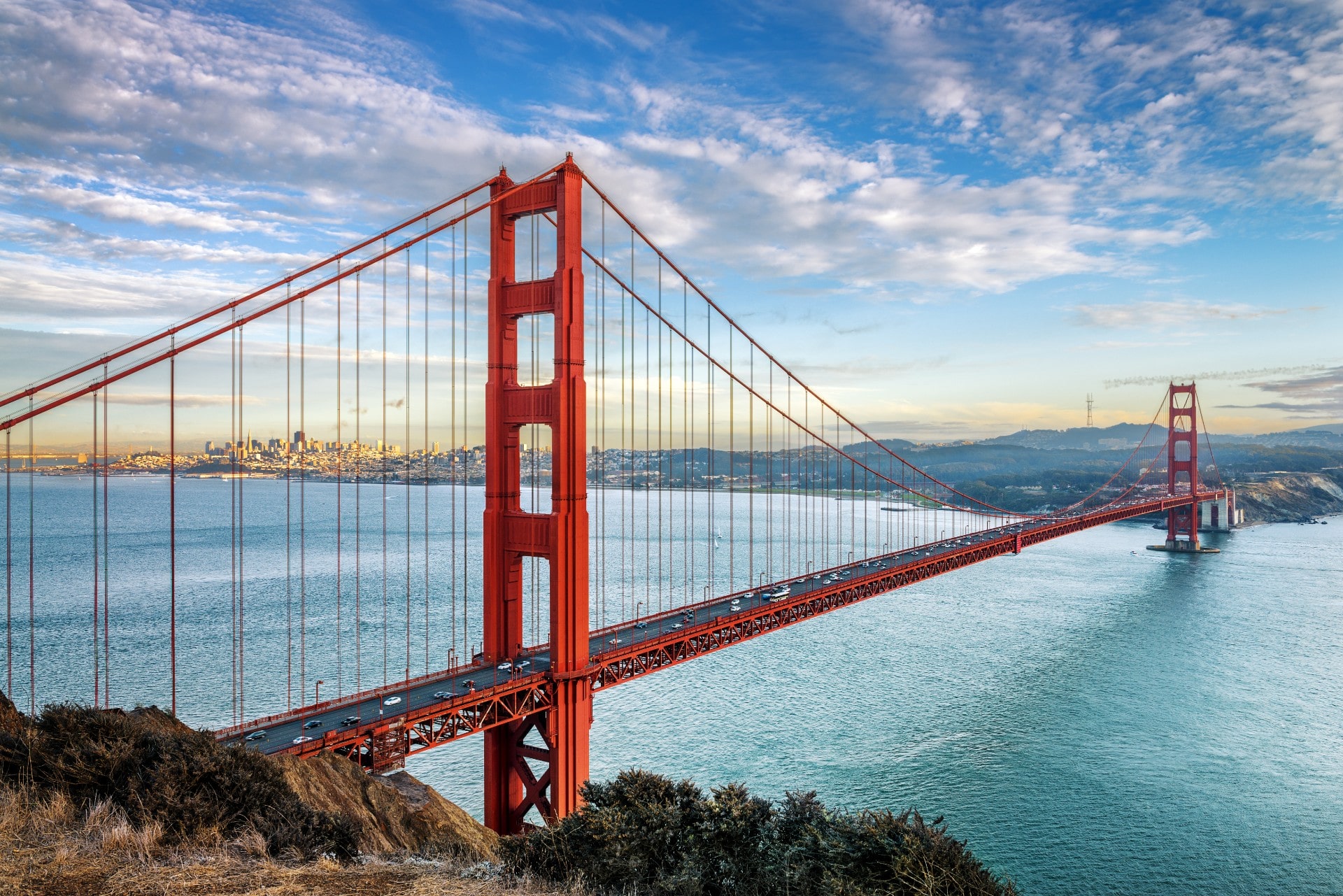
- Golden Hour Photography (Varies by Season, typically 4:00 PM – 7:00 PM): As the sun begins its descent, the “golden hour” bathes the city in a soft, flattering light. This is an unparalleled time for photography at landmarks like the Golden Gate Bridge, Coit Tower, or from the panoramic heights of Twin Peaks. The Legion of Honor also offers stunning views during this time.
- Shopping & Leisure (3:00 PM – 6:00 PM): Indulge in retail therapy at the high-end boutiques and department stores around Union Square, or discover unique finds in the smaller shops of neighborhoods like Hayes Valley. Many hotels, from luxurious options like the Ritz-Carlton, San Francisco or the St. Regis San Francisco to boutique stays like the Hotel Drisco, offer afternoon tea or happy hour specials, perfect for unwinding.
- Pre-Dinner Drinks (5:00 PM – 7:00 PM): Enjoy a cocktail with a view at a rooftop bar overlooking the city, perhaps near the iconic Transamerica Pyramid, or a craft brew in one of the city’s many gastropubs.
Evening Vibrancy: Dining, Nightlife, and Cultural Experiences
When night falls, San Francisco truly comes alive with a diverse array of evening activities, catering to every taste.
- Dining Experiences (6:00 PM – 10:00 PM): From Michelin-starred restaurants to cozy trattorias, the city’s culinary scene is a highlight. Make reservations, especially for popular spots, as San Francisco is a city that loves to dine out.
- Performing Arts & Live Music (7:00 PM onwards): Catch a show in the Theater District at venues like the Orpheum Theatre or the War Memorial Opera House. For sports fans, checking game times at Oracle Park (Giants baseball) or Chase Center (Warriors basketball) is a must. Live music venues across North Beach and the Mission District offer everything from jazz to rock.
- Nightlife (9:00 PM onwards): San Francisco’s nightlife is as varied as its neighborhoods. From sophisticated cocktail lounges to lively dance clubs and historic bars, there’s a spot for every mood.
Planning Your San Francisco Journey Around the Clock
Effective planning involves more than just selecting destinations; it means strategically allocating your time to maximize enjoyment and minimize stress.
Optimizing Your Itinerary: Best Times to Visit Attractions
Many of San Francisco’s most famous attractions experience peak visitor hours. By understanding these patterns, you can craft a smarter itinerary.
- Alcatraz Island: Book tickets months in advance for early morning departures to avoid crowds and potentially enjoy calmer bay waters.
- Golden Gate Bridge: Early mornings offer clear views and less wind, while late afternoons provide stunning sunset backdrops. Fog is most common in summer mornings.
- Cable Car Rides: The busiest lines are at Fisherman’s Wharf and Union Square. Try starting your ride further up the line (e.g., California Street line or Hyde Street at Lombard) or go early/late in the day.
- Museums: Weekday mornings are generally less crowded than weekends or weekday afternoons. Check for specific free admission days or late-night openings which can offer a unique experience.
- Dining: Making reservations, especially for dinner on weekends, is highly recommended. For popular brunch spots, expect a wait if you haven’t booked ahead.
Accommodation Considerations: Check-in, Check-out, and Hotel Amenities
Your accommodation choice, whether a luxury suite, a cozy apartment, or a vibrant hostel, intertwines with your time-management strategy.
- Check-in/Check-out Times: Standard check-in is usually 3:00 PM or 4:00 PM, and check-out is 11:00 AM or 12:00 PM. Be aware of these times, especially if you’re arriving on an early flight or departing late. Many hotels like The Clift Royal Sonesta Hotel or Hotel Nikko San Francisco offer luggage storage, allowing you to explore the city without your bags.
- Early Arrival/Late Departure: Contact your hotel in advance if you need an early check-in or late check-out. While not always guaranteed, they may accommodate based on availability, sometimes for an additional fee.
- Amenities and Timings: Be mindful of the operating hours for hotel amenities such as fitness centers, pools, concierge services, and breakfast buffets. A hotel like the Handlery Union Square Hotel might have specific pool hours that align with your family trip planning.
Navigating Jet Lag: Tips for a Seamless Transition
Crossing multiple time zones can be taxing, but a few strategies can help mitigate the effects of jet lag.
- Adjust Before You Go: If possible, start shifting your sleep schedule a few days before your trip.
- Hydrate and Avoid Caffeine/Alcohol: On the flight and upon arrival, stay well-hydrated. Alcohol and excessive caffeine can disrupt your body clock.
- Embrace Daylight: Spend time outdoors in natural light as soon as you arrive. This helps reset your circadian rhythm to San Francisco’s time.
- Adapt Meal Times: Try to eat meals at local San Francisco times, even if you’re not hungry.
- Strategic Napping: If you must nap, keep it short (20-30 minutes) and avoid napping too close to bedtime.
- Melatonin: Some travelers find melatonin helpful for adjusting sleep patterns.
Beyond the Clock: San Francisco’s Rhythms and Seasons
While the daily clock dictates many aspects of a visit, the broader temporal rhythms of San Francisco – its seasons and annual events – also significantly shape the travel experience.
Seasonal Variations: Weather and Event Calendars
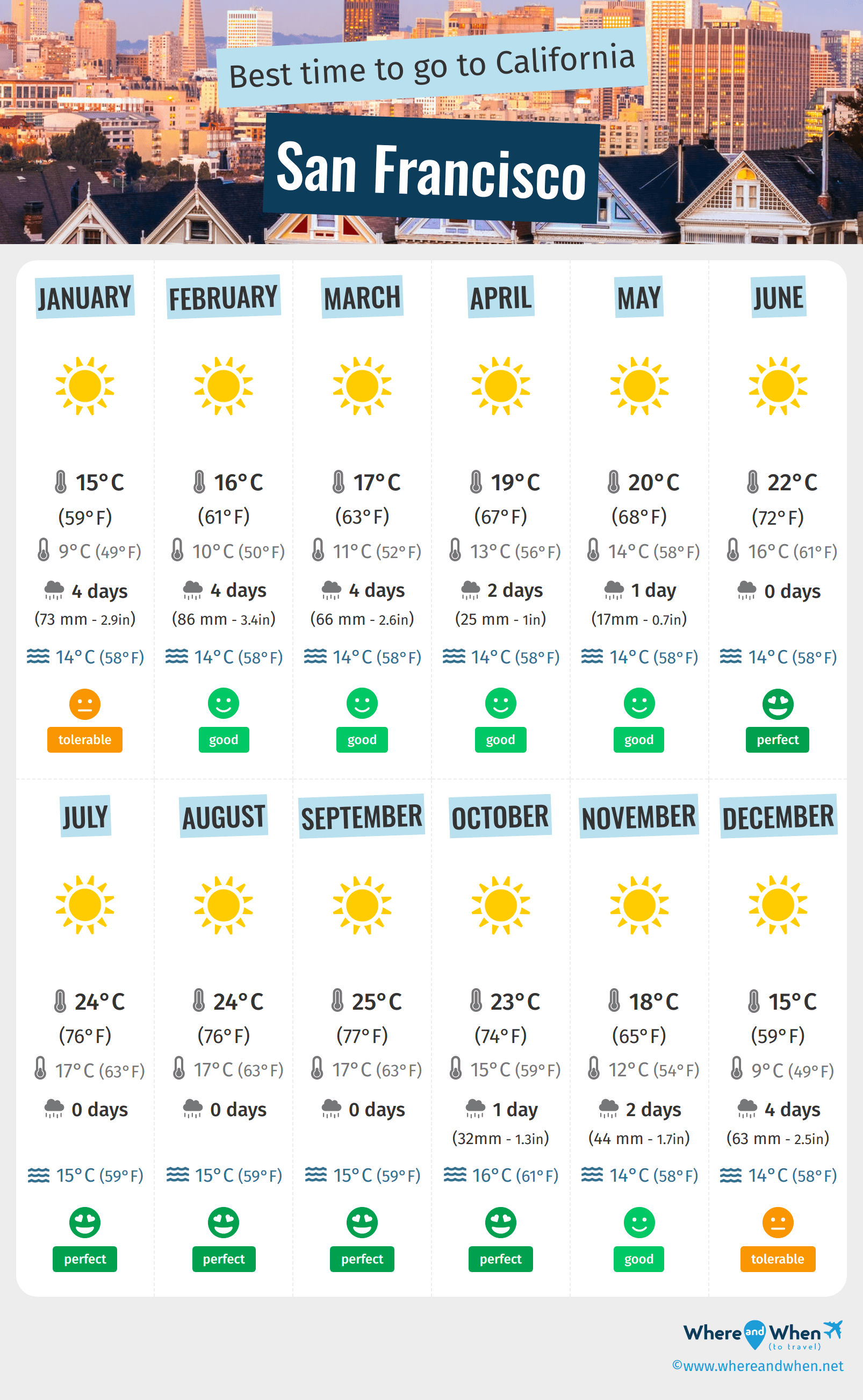
San Francisco’s weather is famously unpredictable, often described as having “microclimates” where conditions can vary dramatically from one neighborhood to another.
- Spring (March-May): Generally mild, with fewer crowds and blooming flowers. Ideal for outdoor activities.
- Summer (June-August): Surprisingly cool and often foggy, especially in the mornings. This is peak tourist season, with many outdoor festivals and events like San Francisco Pride and Outside Lands Music and Arts Festival.
- Autumn (September-November): Often considered the best time to visit, with warm, sunny days and clearer skies. Events like Hardly Strictly Bluegrass draw large crowds.
- Winter (December-February): Mild temperatures and more rain, but also fewer tourists and vibrant holiday decorations. Chinese New Year celebrations are a major draw.
Checking the local event calendar before your trip can help you align your visit with major festivals, concerts, or sporting events at Oracle Park or Chase Center. Events like Fleet Week can cause significant increases in crowds and prices, so timing your trip can have a huge impact on your lifestyle travel choices, from budget-friendly stays to luxury experiences.
The City’s Pulse: Rush Hour, Business Hours, and Local Life
San Francisco is a major business hub, particularly for technology companies, with Silicon Valley just to the south. This means the city has distinct rush hour periods.
- Commute Times: Mornings (7:00 AM – 9:00 AM) and evenings (4:00 PM – 6:30 PM) see heavy traffic on roads and public transport. Plan your movements accordingly, especially if you’re heading to or from the airport, or considering day trips to destinations like Napa Valley or Sonoma Valley.
- Business Hours: Most shops and offices operate on typical weekday schedules, with museums and attractions having specific opening and closing times. Restaurants generally open for lunch around 11:30 AM and dinner from 5:00 PM onwards.
- Holidays: Major holidays like Thanksgiving, Christmas, and New Year’s Eve will affect business hours, transportation, and attraction availability. However, these times also bring unique festive events and decorations.
Ultimately, knowing the current time in San Francisco is merely the starting point. It’s the foundation upon which travelers build their adventures, coordinate their stays, and immerse themselves in the vibrant pulse of this iconic California city. By understanding the nuances of the Pacific Time Zone and how time influences everything from a morning stroll across the Golden Gate Bridge to a late-night show on Broadway, visitors can ensure their experience is as seamless and memorable as possible, making every moment in San Francisco count.
LifeOutOfTheBox is a participant in the Amazon Services LLC Associates Program, an affiliate advertising program designed to provide a means for sites to earn advertising fees by advertising and linking to Amazon.com. Amazon, the Amazon logo, AmazonSupply, and the AmazonSupply logo are trademarks of Amazon.com, Inc. or its affiliates. As an Amazon Associate we earn affiliate commissions from qualifying purchases.